Hello! I’m Min, your local expert and cultural guide living in the vibrant heart of Seoul.
As someone who holds professional certifications in both Korean Cuisine (Hansik) and Baking & Confectionery, I don’t just eat food; I study its soul. People often ask me: “Min, is the K-Food craze just because of BTS and K-Dramas?” My answer is always a firm “No.” While content opened the door, it is the intrinsic depth, scientific balance, and addictive flavors of Hansik that made the world stay for dinner.
As we step into 2026, the landscape of Korean food is shifting from “trendy exoticism” to a “global lifestyle essential.” Let’s analyze why K-Food captured the world and what the “Seoul Table” looks like in 2026.

💎 The DNA of the Craze: Why Hansik is Irresistible
Before we look forward, we must understand the “Magic” that made K-Food a global powerhouse. It wasn’t just marketing; it was the functional beauty of the meal.
- The “Ssam” Philosophy (Perfect Balance): Unlike fast food that leaves you feeling heavy, the Korean “Ssam” (wrap) culture is a masterclass in nutrition. Wrapping a piece of protein in a fresh leaf with fermented sauce creates a “One-Bite Universe” of fiber, protein, and probiotics.
- The Science of Fermentation: Kimchi, Gochujang (chili paste), and Doenjang (soybean paste) are “living foods.” In an era where gut health is the ultimate luxury, Korea’s centuries-old fermentation techniques have become the gold standard for “Functional Gastronomy.”
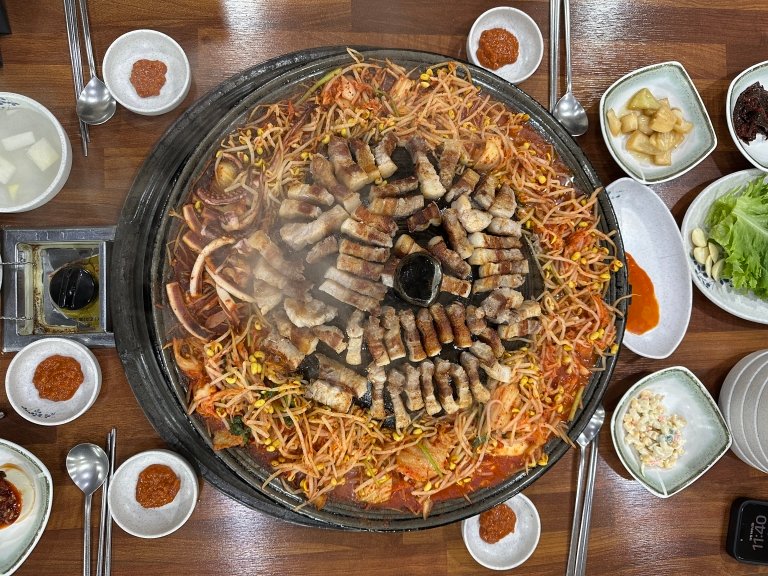
- Tactile Engagement: Hansik is interactive. From grilling meat at the table to mixing your own Bibimbap, it turns a passive meal into an active experience. This “DIY” nature deeply resonates with the participation-heavy culture of Gen Z and Millennials worldwide.

🚀 2026 K-Food Trend Forecast: The “New Normal” of Seoul
By 2026, the way we consume Korean food has evolved into something more personal, tech-savvy, and deeply rooted in heritage. Here are the four pillars of the 2026 K-Food scene.
1. “Self-Care Hansik”: Guilt-Free Indulgence
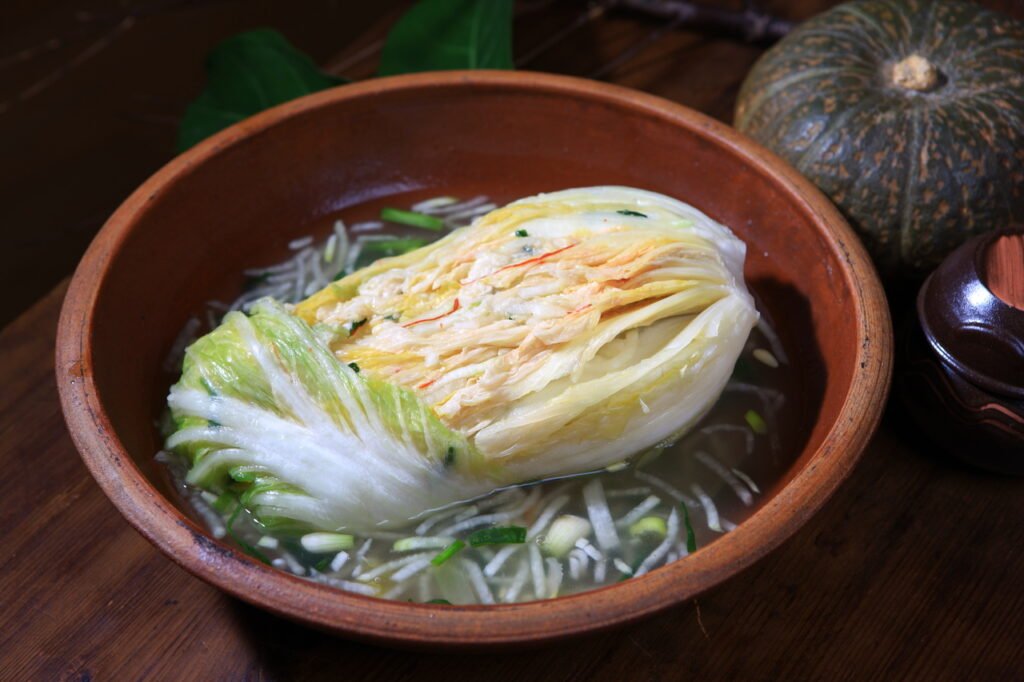
The “Diet” era is over. In 2026, we talk about “Low-Slow Aging” (Jeosok-noha). * Sugar-Free Fermentation: We are seeing a massive surge in “Zero-Sugar” Gochujang and low-sodium Kimchi. It’s about keeping the Umami while removing the guilt.
- Functional Home-Cooking: Even when using Meal Kits (HMR), Seoulites now “customize” their health. We might buy a kit but add our own micro-greens or flaxseed perilla oil. It’s “Self-Satisfying Health Food”—it doesn’t have to be a scientific formula; it just has to make you feel nourished.
2. “One-Bowl Originality”: The Solo Dining Revolution
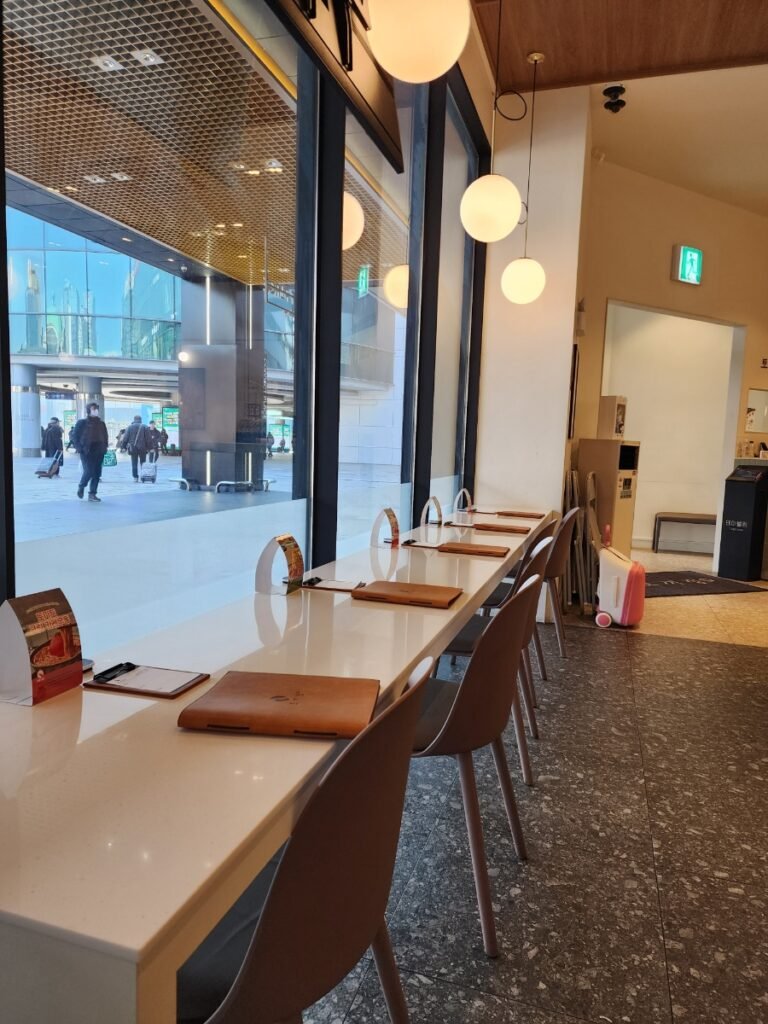
According to data from the Data Statistics Department, approximately 36% of Korean households were single-person households in 2024. This has transformed “Hon-bab” (solo eating) from a lonely act into a premium ritual.
- Beyond the Half-Portion: A 1-person meal is no longer just a “small version” of a family dish. It is a curated “Single-Bowl Masterpiece” designed for perfect aesthetics and zero waste.
- The Delivery Evolution: With “One-Bowl” delivery services now mainstream, you can order a single, high-quality grilled sea bream or a specialized tofu stew with no minimum order hurdles. Solo dining is now the highest form of self-love.
3. “K-Heritage 2.0”: Dining as a Scene
Food in 2026 is a “Total Experience.” It’s not just about the tongue; it’s about the “Vibe.”
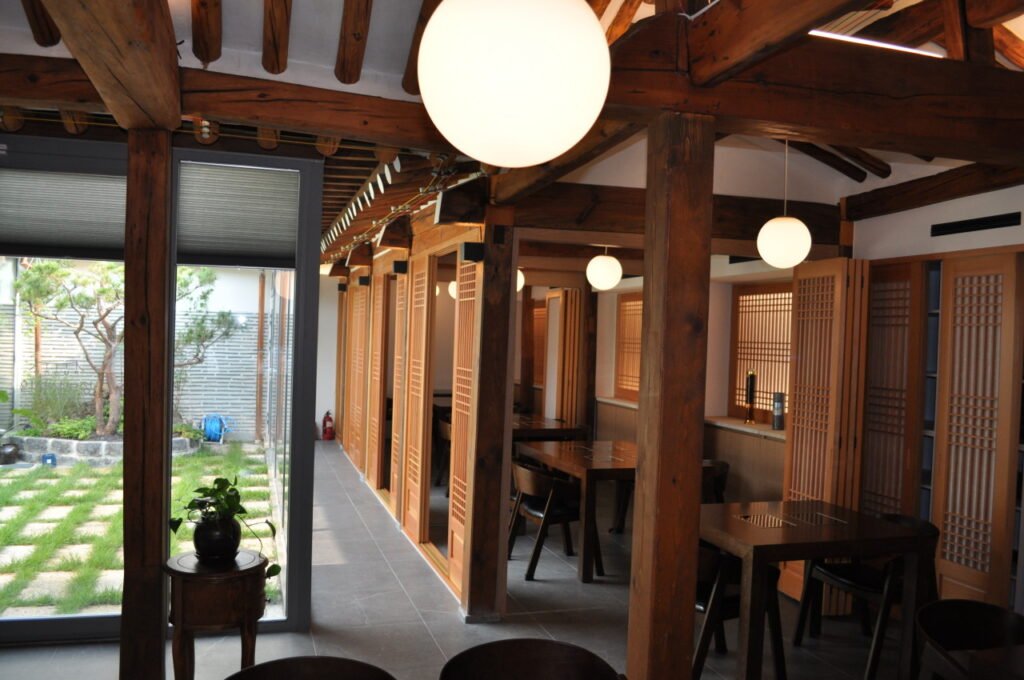
- Heritage Spaces: Places like The Hanok Heritage or Korea House have modernized. You can now walk into a 200-year-old Hanok wearing the latest K-Fashion, enjoy a 7-course vegan temple food menu, and watch a media-art performance of traditional dance.
- The Market Metamorphosis: Traditional markets like Gwangjang are no longer just for grandmas. They are the “Cultural Playgrounds” where K-Pop idols film “Mukbangs” and global fashion brands host pop-up stores amidst the smell of Mungbean pancakes.
4. “The Global Pantry”: Hybridization & Local Pride
The definition of Hansik has expanded. Is a “Bulgogi Taco” or “Gochujang Pasta” Korean? In 2026, YES.
- Everyday Gourmet: Young Koreans now consider Jjajangmyeon and Fried Chicken as “Soul Hansik.” Simultaneously, we see the “Export of Flavors.” K-Food isn’t just a dish anymore; it’s a seasoning. People in London are putting “Kimchi Mayo” on their fries, and that is celebrated as the evolution of K-Food.
🍽️ The 2026 “Rising Stars” on the Table
| Menu | 2026 Identity | Why it’s Hot? |
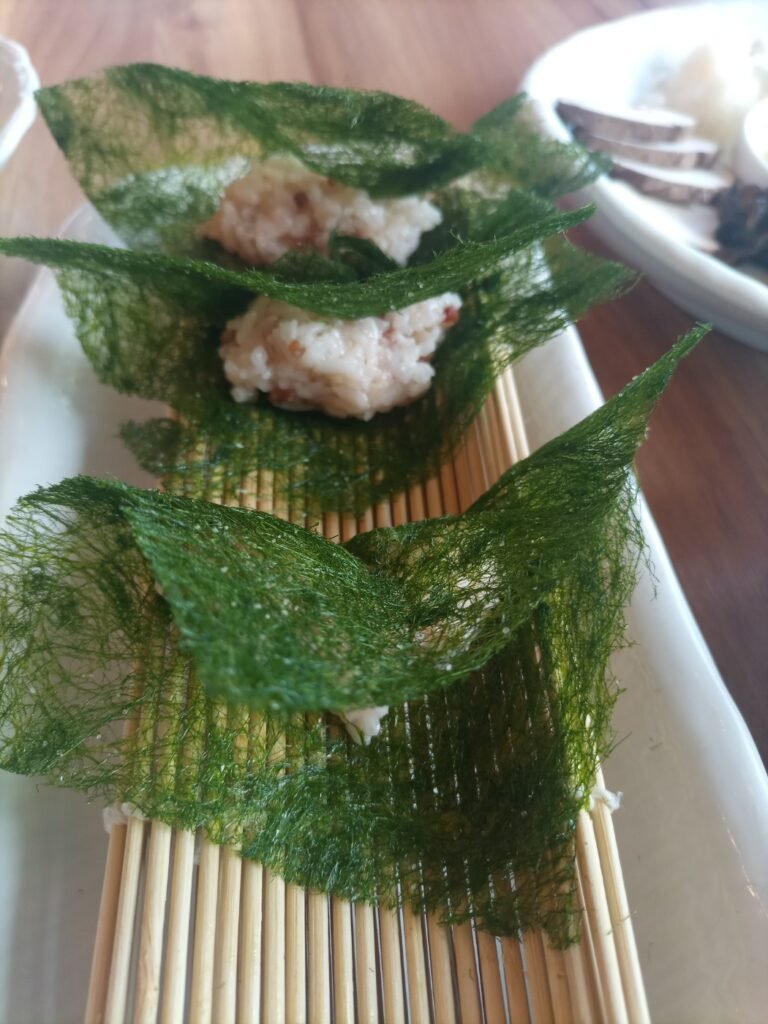
| Finger-Food Ssambap | The “K-Slider” | Miniature, bite-sized wraps using kale, cabbage, or perilla leaves. Perfect for chic, healthy office lunches. |
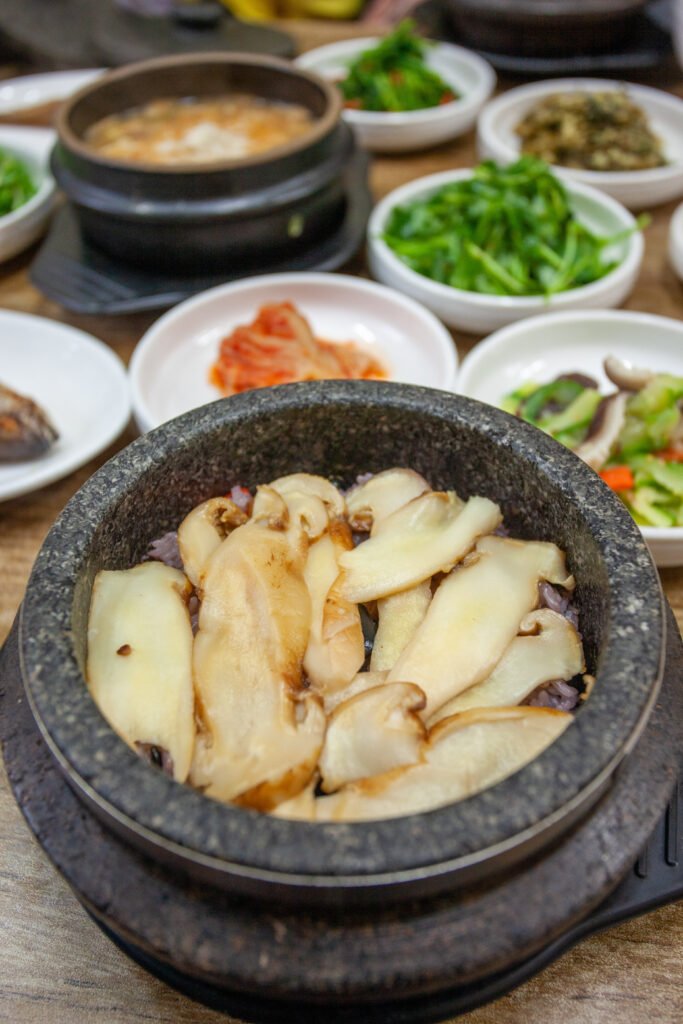
| Plant-Based Protein | The “Eco-Hansik” | Tofu, mushrooms, and “Oat-meat” Bulgogi. High-protein, low-cost, and environmentally conscious. |
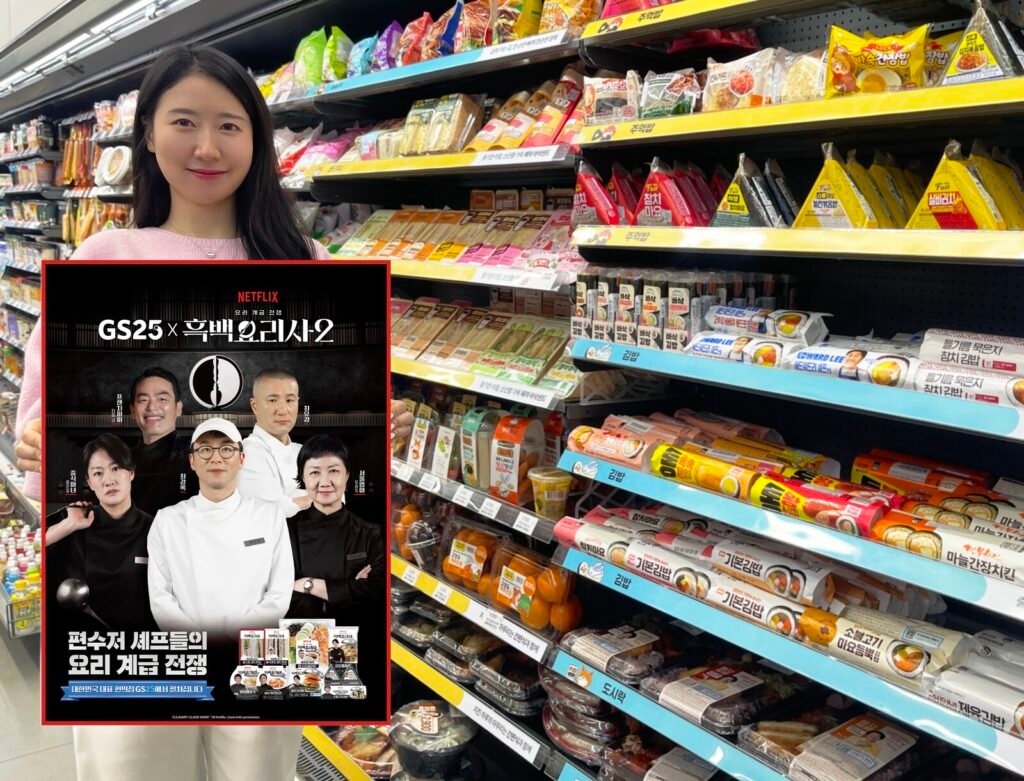
| RMR (Restaurant Kits) | The “Chef in a Box” | Michelin-star stews delivered to your door. The quality is so high, you can’t tell it’s a kit. |
| Traditional Snacks | The “K-Dessert” | Yakgwa (honey cookies) and flower teas are replacing heavy cakes. |

🎙️ Min’s Final Thought: A Living Culture
I see Hansik as a living language. It’s not a static recipe from a history book; it’s a conversation that changes every day. In 2026, K-Food is successful because it is kind. It’s kind to your gut, kind to your busy schedule, and kind to your need for “Instagrammable” beauty.
Whether you are eating a $1.50 Hotteok at a street stall or a $300 “Heritage Course” in a Hanok, you are consuming the same thing: The Spirit of Jeong (Affection). K-Food is no longer a trend. It is a global standard for how to eat well, live long, and stay connected. 🇰🇷✨

A certified Korean chef and baker. Min shares authentic tastes of Korea, from hidden local gems to traditional recipes and everyday lifestyle.