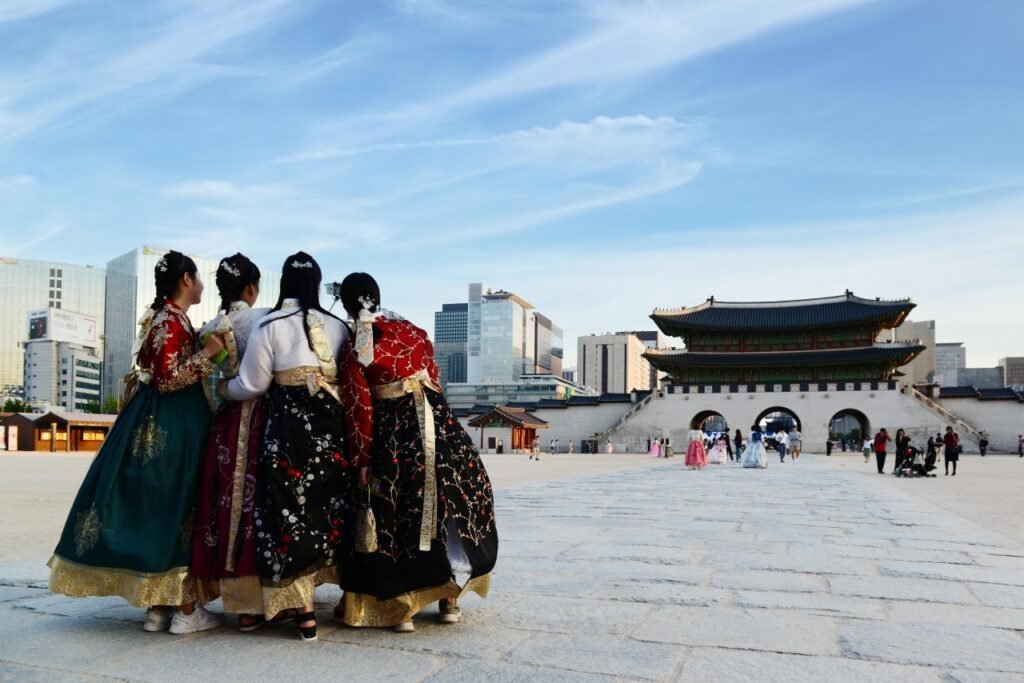
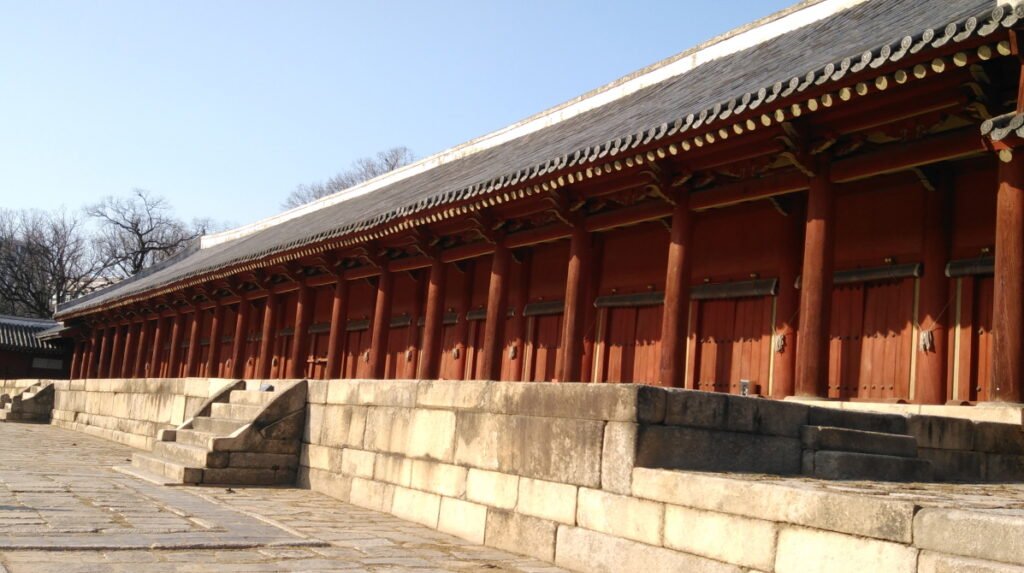
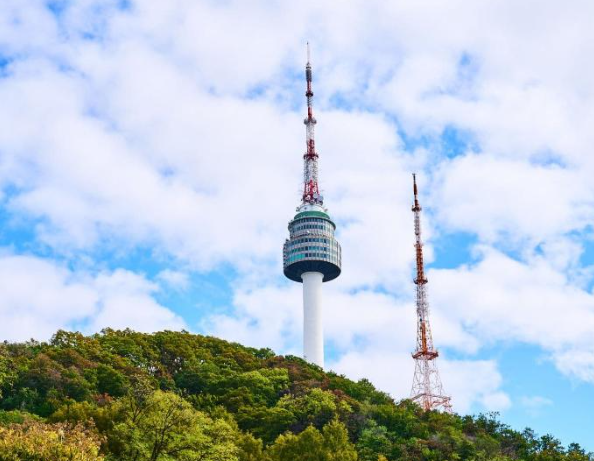
As the year comes to a close and the new one approaches, there is a palpable shift in the air here in Korea. We don’t just plan our resolutions; we seek guidance. For centuries, Koreans have turned to an ancient text to navigate the uncertainties of the coming year. This isn’t just about superstition or predicting the lottery numbers; it is about seeking wisdom. I want to introduce you to Tojeongbigyeol, a unique form of Korean New Year fortune telling that serves as a compass for life.
Unlike complex astrological readings that require an expert, Tojeongbigyeol was designed for the common people—a guidebook for navigating life’s ups and downs with grace. In this Traditional Culture deep dive, I will walk you through the history, the method, and the profound philosophy behind this beloved tradition. Plus, with the New Year approaching, KCulture.com has launched a special service where you can experience this ancient wisdom yourself.
👉 Click here to view your Free Tojeongbigyeol for the New Year
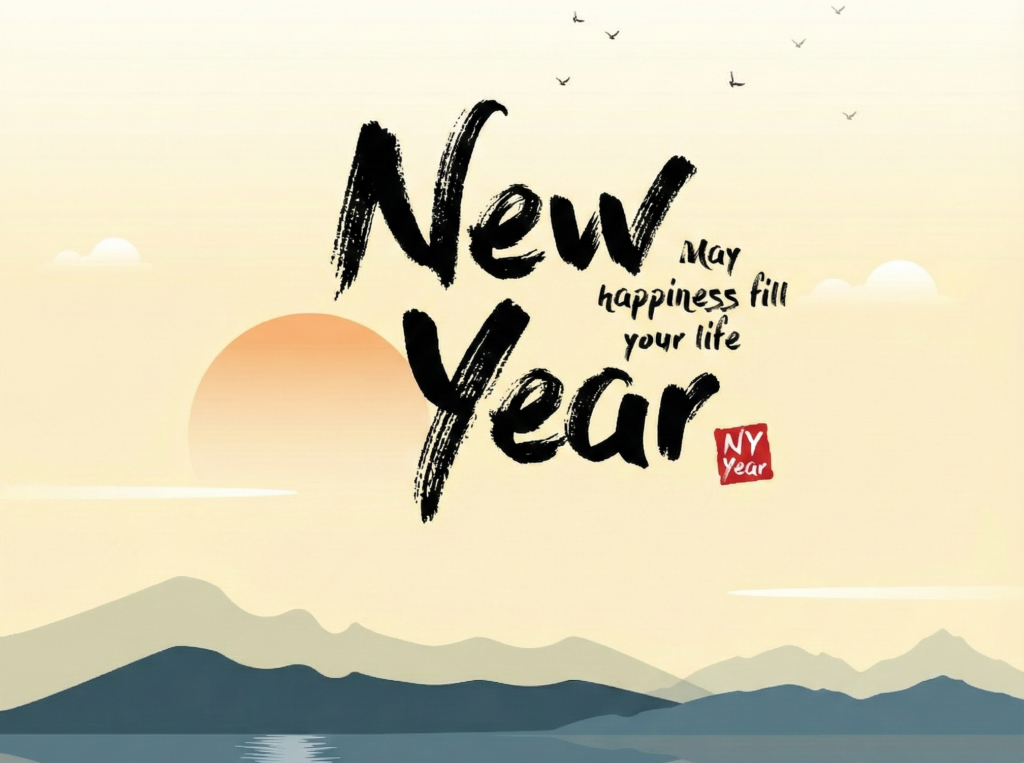
- The Origins of Tojeongbigyeol: Wisdom for the People
- Tojeongbigyeol vs. Saju: What is the Difference?
- How It Works: The Mathematics of Fate
- More Than Fortune Telling: A Guide for Mindfulness
- Experience Your 2025 Fortune Now
The Origins of Tojeongbigyeol: Wisdom for the People
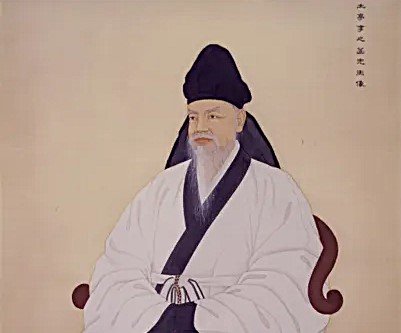
The name Tojeongbigyeol (토정비결) translates to “The Secret Divination of Tojeong.” The name “Tojeong” refers to the pen name of a renowned scholar from the mid-Joseon Dynasty, Yi Ji-ham (1517–1578). Yi Ji-ham was a fascinating figure—a nobleman who chose to live in a mud hut (an earthen pavilion, or ‘Tojeong’) to be closer to the poor and understand their struggles.
While historians debate whether Yi Ji-ham personally wrote the text or if it was compiled later in his honor, the spirit of the book perfectly aligns with his philosophy. During times of poverty and despair, the common people needed hope and guidance. Unlike elite Confucian texts, Tojeongbigyeol became a widely accessible manual for the masses, offering advice on health, interpersonal relationships, and business for the year ahead.
📌 Local Note: Yi Ji-ham was known as a “Kiiin” (an eccentric genius). He reportedly mastered various skills, from medicine to astronomy, solely to help improve the livelihoods of the suffering commoners. He is a symbol of practical intellectualism in Korean history.
Tojeongbigyeol vs. Saju: What is the Difference?
Many travelers confuse Tojeongbigyeol with Saju (Four Pillars of Destiny). While both are rooted in Asian philosophy, they serve different purposes and use different methods. If you are interested in a comprehensive analysis of your entire destiny, you might want to read our guide on Decoding Saju: A Beginner’s Guide to Korean Fortune Telling.
However, Tojeongbigyeol is specifically for the one year ahead. Here is a quick comparison:
| Feature | Saju (Four Pillars) | Tojeongbigyeol |
|---|---|---|
| Timeframe | Entire Lifespan (Past, Present, Future) | One Specific Year (New Year focus) |
| Input Data | Year, Month, Day, and Hour of birth | Year, Month, and Day of birth |
| Complexity | Millions of combinations; requires an expert | 144 specific outcomes; simpler calculation |
| Purpose | Understanding innate personality & destiny | Specific advice and caution for the upcoming year |
How It Works: The Mathematics of Fate
The beauty of Tojeongbigyeol lies in its structured simplicity. It focuses on the lunar calendar. By using your birth Year, Month, and Day, a specific calculation is performed to derive three numbers, known as the Upper Trigram (Sang-gwae), Middle Trigram (Jung-gwae), and Lower Trigram (Ha-gwae).
These three numbers are combined to reference one of 144 distinct poetic verses. Each verse contains a 4-line poem that predicts the general fortune of the year, followed by monthly breakdowns. For example, a verse might read:
- “Spring brings flowers to the withered tree.” (Implying a return of good luck after a hard time.)
- “Be careful of words, for the tongue brings trouble.” (Warning against gossip or arguments.)
It was traditionally a New Year’s event where families would gather, calculate their numbers, and look up the corresponding passage in the book to see what the year held.
More Than Fortune Telling: A Guide for Mindfulness
In modern Korea, we don’t view Tojeongbigyeol as absolute, unchangeable fate. Instead, we see it as a form of ancient counseling or a “mindfulness guide” for the year.
The true value of Tojeongbigyeol is not in predicting whether you will get rich, but in its advice on attitude:
- If the result is good: It teaches humility. “Good fortune is here, but arrogance will drive it away.” It encourages you to work hard to maximize the opportunity.
- If the result is bad: It teaches caution, not despair. “The waters are rough this year.” This serves as a reminder to be careful with investments, watch your health, and avoid unnecessary conflict.
Ultimately, it is a tool for self-reflection. It helps us organize our chaotic thoughts at the start of the year and provides a sense of psychological comfort. It transforms vague anxiety about the future into a concrete plan of action.
Experience Your 2026 Fortune Now
Reading about it is one thing, but experiencing it is another. You don’t need to visit a philosopher in Seoul or learn the complex calculations yourself. To celebrate the coming year, KCulture.com has prepared a special feature for our readers.
We have digitized the ancient logic of Yi Ji-ham. You can now enter your birth date and receive your personalized reading for free. Discover the wisdom intended for you and use it to navigate your year with confidence.
👉 Click here to view your Free Tojeongbigyeol for the New Year
Korean Culture portal KCulture.com
Join the mailing service and add to your favorites.

Founder of Kculture.com and MA in Political Science. He shares deep academic and local insights to provide an authentic perspective on Korean history and society.