A Foodie’s Guide to Jeju Island: Must-Try Local Foods, Hidden Gems, and Dining Tips
If you are wondering what food to eat in Jeju, the short answer is simple: start with Jeju Black Pork BBQ, Gogi-guksu (pork noodle soup), Galchi-jorim (braised cutlassfish), Mom-guk (seaweed pork soup), and fresh seafood caught from the island’s volcanic waters. These dishes represent the authentic taste of Jeju and tell the story of the island’s unique culture.
Many travelers visit Jeju for Hallasan Mountain, volcanic landscapes, and beautiful coastlines, but food is just as important to the experience. From government-designated local restaurants to viral bakery treats and fresh seafood found nowhere else in Korea, this guide covers everything you need to know before your culinary adventure.
Unlike many mainland Korean regional cuisines, Jeju food developed around volcanic farmland, abundant seafood, and a culture of resourcefulness. The result is a culinary tradition focused on clean flavors, fresh ingredients, and deeply satisfying comfort foods.
- What Makes Jeju Food Special?
- Must-Try Traditional Jeju Foods
- Modern Food Trends in Jeju
- Where to Eat in Jeju
- Food Etiquette and Travel Tips
- A Perfect Jeju Food Itinerary
- Related Jeju Travel Guides
What Makes Jeju Food Special?
Jeju Island (제주도) developed its own culinary culture because of its volcanic geography, strong ocean currents, and relative isolation from mainland Korea. Traditional Jeju cooking focuses on fresh ingredients, simple preparation methods, and deep, comforting flavors.
Unlike many Korean regions that rely heavily on beef, Jeju cuisine historically centered around pork, seafood, seaweed, and locally grown crops. The result is a cuisine that feels rustic, hearty, and deeply connected to nature.
📌 Local Note: Many of Jeju’s most famous dishes originated from farming and fishing communities that needed nutritious meals made from locally available ingredients.
| Key Ingredient | Why It’s Important |
|---|---|
| Black Pork | Jeju’s most famous livestock product |
| Abalone | Premium seafood harvested from local waters |
| Seaweed | Essential ingredient in traditional soups |
| Cutlassfish | One of Jeju’s signature seafood specialties |
| Citrus Fruits | Hallabong and other local citrus varieties |
Must-Try Traditional Jeju Foods
1. Heuk-dwaeji BBQ (Jeju Black Pork BBQ)
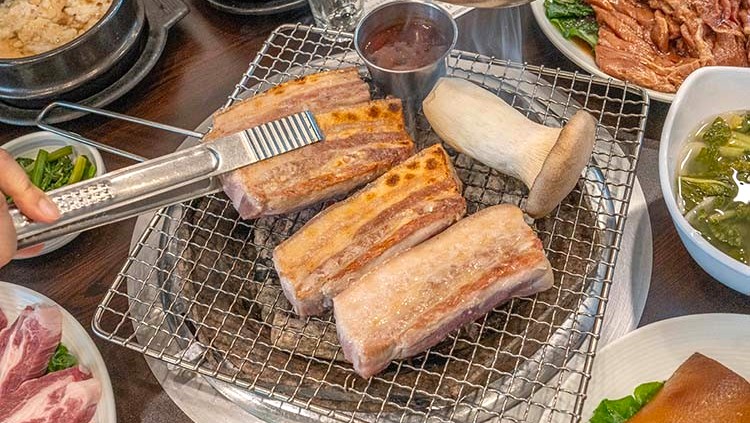
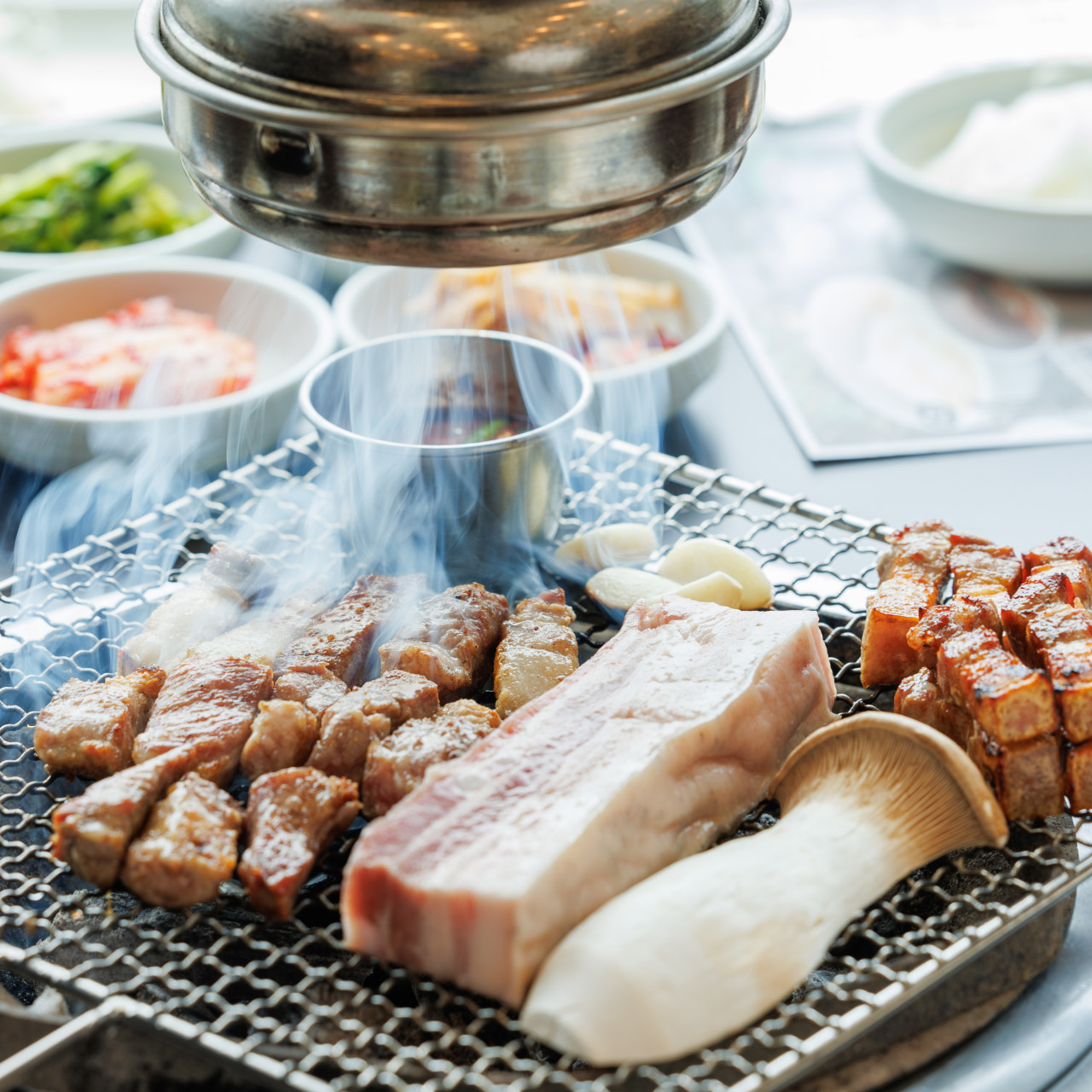
No food experience in Jeju is complete without black pork barbecue. Jeju black pigs are famous for their chewy texture, rich flavor, and juicy meat.
The authentic way to enjoy black pork is with Meljeot, a savory fermented anchovy sauce that cuts through the richness of the pork and adds a unique umami flavor.
Recommended Restaurant: Heukdonga (흑돈가), officially designated as an authentic local restaurant and widely credited with popularizing Jeju black pork nationwide.
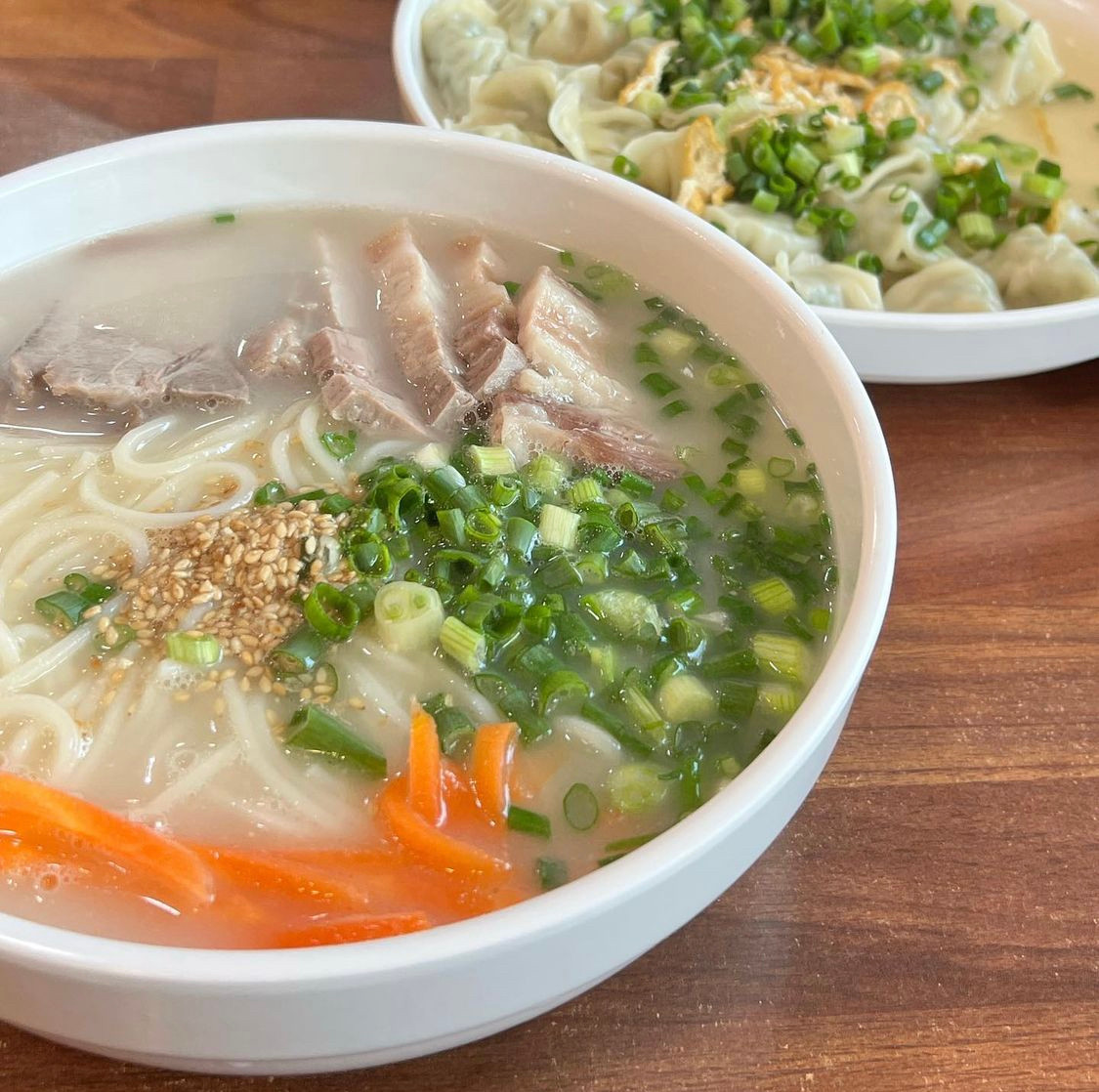
2. Gogi-guksu (Pork Noodle Soup)
Originally served at village celebrations and family gatherings, Gogi-guksu features thick noodles in a deeply comforting, collagen-rich pork broth simmered for hours.
Topped with slices of boiled pork, it is one of the most beloved comfort foods on the island.
Recommended Restaurant: Guksu Madang (국수마당), a long-standing local favorite recognized by Jeju City.
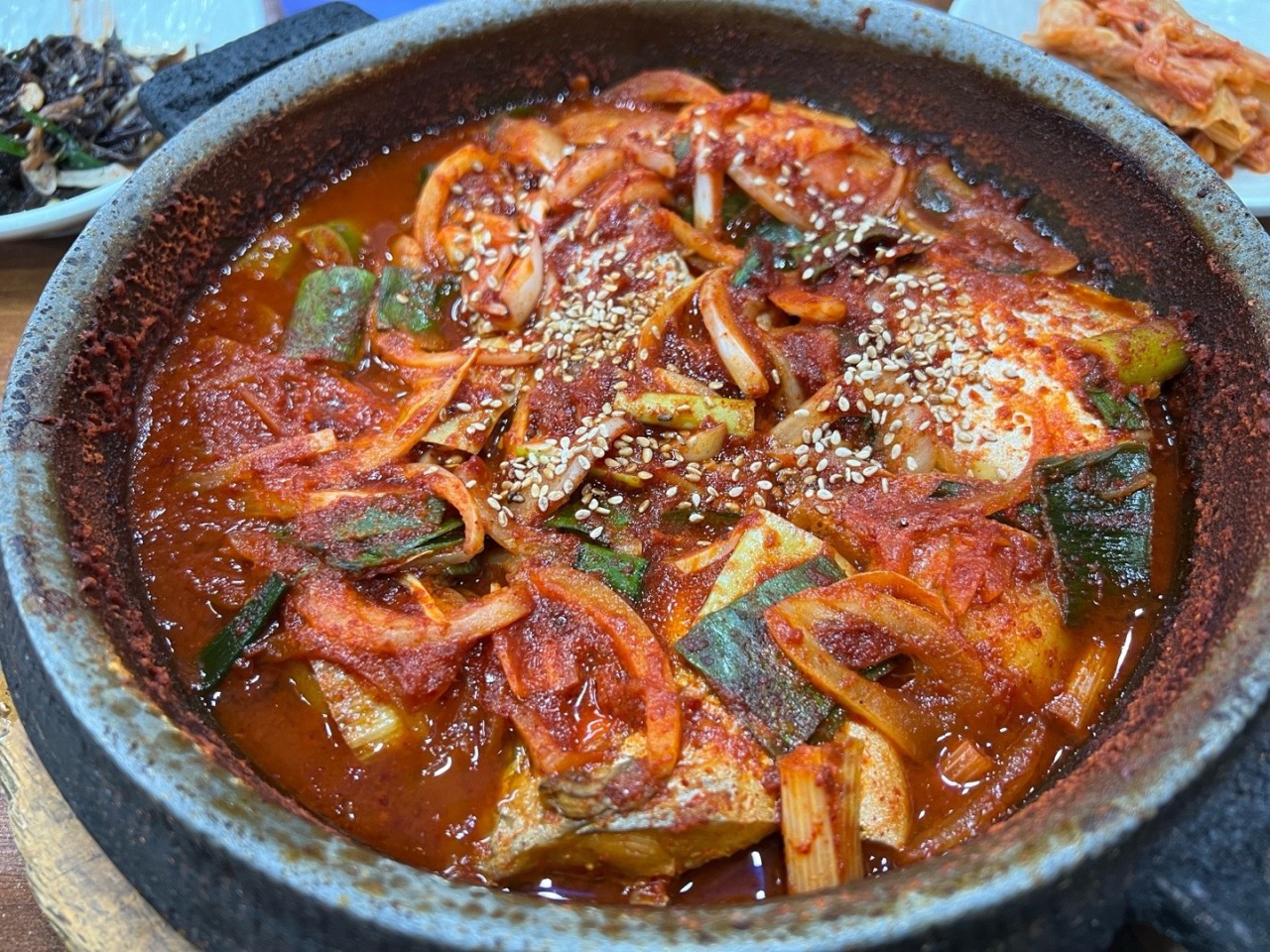
3. Galchi-jorim (Braised Cutlassfish)
Fresh silver cutlassfish from Jeju waters is simmered with radish, potatoes, and a spicy-sweet sauce. The fish absorbs the seasoning beautifully while remaining tender and flaky.
This dish is often considered one of the finest seafood meals available in Korea.
Recommended Restaurant: Yurine Sikdang (유리네식당), famous for serving presidents and distinguished guests.
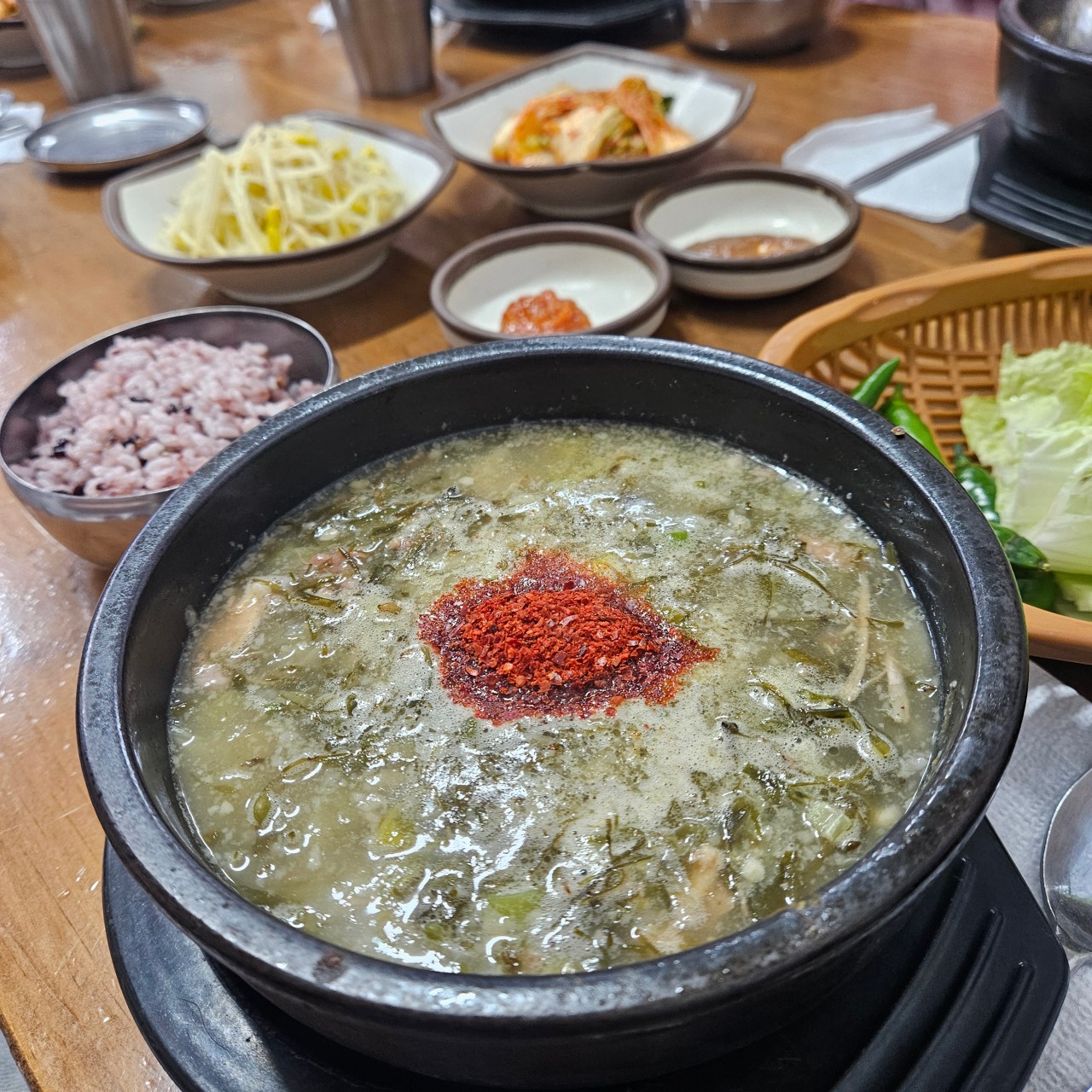
4. Mom-guk (Seaweed Pork Soup)
Perhaps the most uniquely Jeju dish, Mom-guk combines pork broth with locally harvested seaweed known as “Mom” in the Jeju dialect.
The thick, rich soup is commonly enjoyed for breakfast, late-night meals, or as a hangover remedy.
Recommended Restaurant: Sinseol Oreum (신설오름), highly respected among local residents.
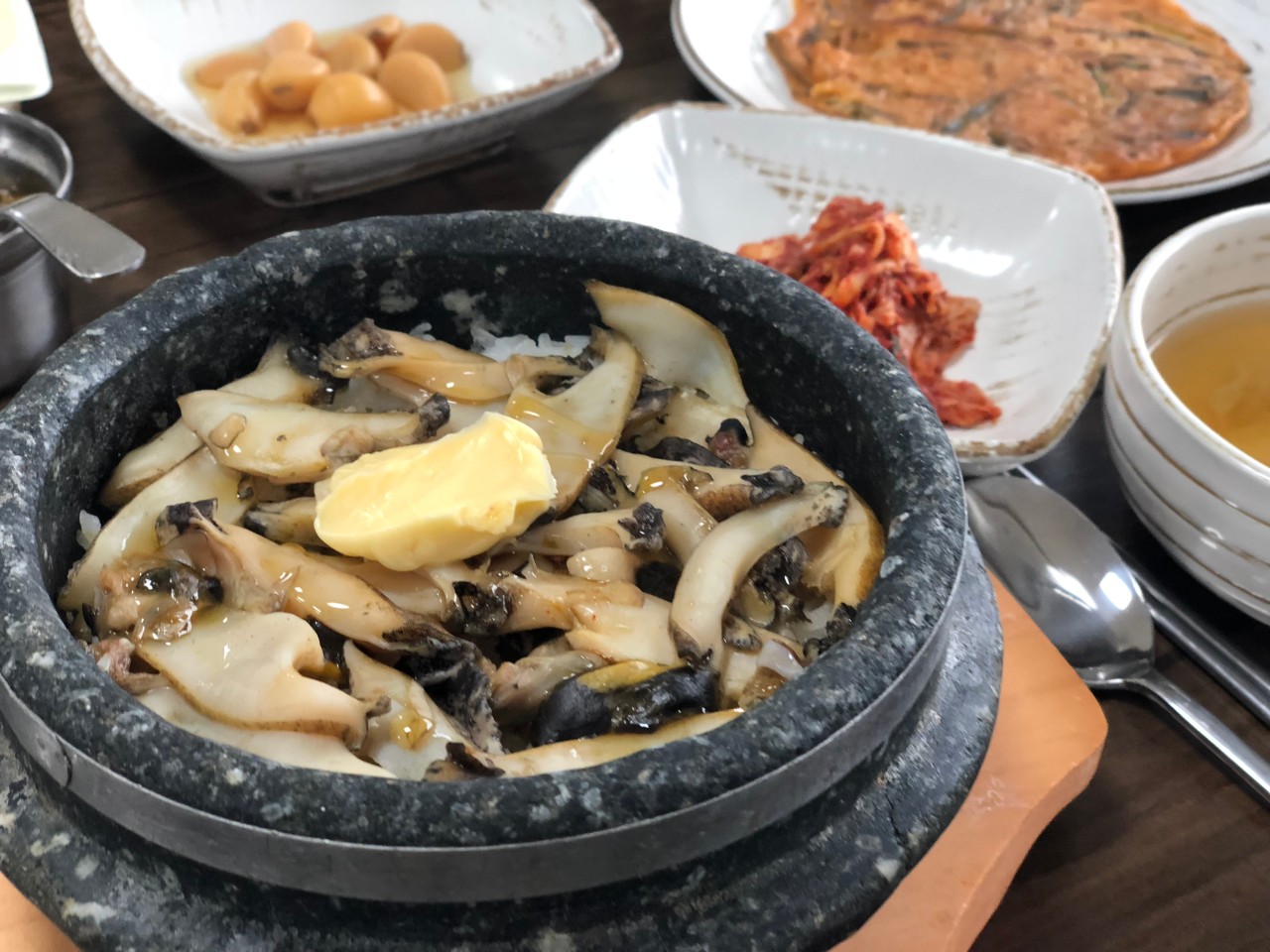
5. Jeonbok-dolsotbap (Abalone Stone Pot Rice)
Fresh abalone and abalone liver are cooked together with rice in a hot stone pot, creating a deeply savory meal packed with ocean flavor.
The traditional finishing touch is adding hot water to the remaining rice crust to create a comforting nurungji-style tea.
Recommended Restaurant: Daewojeong (대우정), a beloved restaurant in Seogwipo (서귀포).
Modern Food Trends in Jeju
While traditional cuisine remains the foundation of Jeju food culture, several modern specialties have become social media sensations.
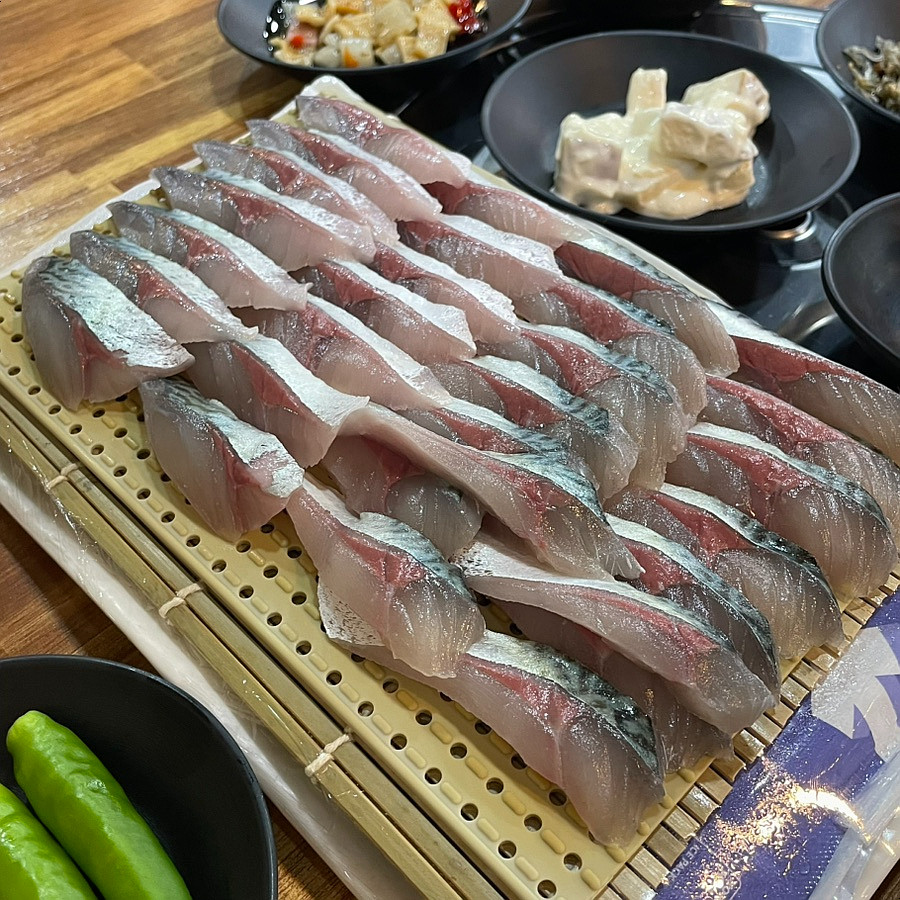
Fresh Mackerel Sashimi (Godeungeo-hoe)
Fresh mackerel sashimi is difficult to find outside Jeju because the fish spoils quickly. On the island, however, fishermen can deliver it directly from the sea to restaurants.
The flavor is surprisingly rich and buttery rather than fishy. Many locals enjoy wrapping it in seaweed with seasoned rice.
Must-Visit Spot: Miyeongine Sikdang (미영이네식당), a must-visit restaurant that often requires an “open-run” before opening.
Abebe Bakery Cream Buns
Abebe Bakery (아베베 베이커리) has become one of Jeju’s most photographed food destinations. Their cream-filled buns incorporate local specialties such as Hallabong citrus, Udo peanuts, green tea, and traditional Omegi rice cakes.
The bakery frequently sells out popular flavors during peak travel seasons.
Umu Agar-Agar Pudding
Made from agar harvested from Jeju waters, Umu’s handmade puddings are known for their silky texture and adorable packaging.
They have become a favorite souvenir among younger travelers looking for something uniquely Jeju.
Dry-Aged Jeju Black Pork
In recent years, several premium barbecue restaurants have begun serving dry-aged Jeju black pork. Aging enhances the meat’s nutty flavor while creating an even richer texture. Food enthusiasts increasingly seek out specialty black pork restaurants that focus on specific cuts and aging techniques rather than traditional all-you-can-eat barbecue experiences.
Where to Eat in Jeju
| Restaurant | Signature Dish | Area |
|---|---|---|
| Heukdonga | Black Pork BBQ | Jeju City |
| Guksu Madang | Gogi-guksu | Jeju City |
| Yurine Sikdang | Galchi-jorim | Jeju City |
| Sinseol Oreum | Mom-guk | Jeju City |
| Daewojeong | Abalone Stone Pot Rice | Seogwipo |
| Miyeongine Sikdang | Mackerel Sashimi | Daejeong |
Food Etiquette and Travel Tips
Expect Long Lines
Many famous restaurants in Jeju do not accept reservations. Popular black pork and seafood restaurants often develop waiting lines before opening.
Many popular restaurants now use Korean waiting-list apps such as CatchTable (캐치테이블) and Tableling (테이블링). While not every restaurant supports foreign phone numbers, checking these apps can help reduce waiting times during peak travel seasons.
Check Business Hours Carefully
Unlike Seoul, some local restaurants close early or take afternoon breaks. Always verify operating hours before making a long journey.
Seafood Prices Can Vary
Fresh seafood prices fluctuate based on weather conditions and daily catches. Ask about current market prices before ordering premium seafood.
Beware of the Spice
Some seafood dishes, especially Galchi-jorim, can be much spicier than visitors expect. If you prefer milder food, you can politely say “Deol maepge hae juseyo” (덜 맵게 해주세요), meaning “Please make it less spicy.”
Renting a Car Helps
Many excellent local restaurants are located outside major tourist districts. While buses are available, having a rental car significantly expands your dining options.
If you plan to drink alcohol with your barbecue meal, never drive afterward. Jeju has a well-established designated-driver service called Daeri Unjeon (대리운전), and restaurant staff can usually help arrange one.
💡 Pro Tip: If you’re planning to hike Hallasan or explore the Olle Trails, try Gogi-guksu or Mom-guk afterward. Both dishes are filling, restorative, and especially satisfying after a long day outdoors.
A Perfect Jeju Food Itinerary
- Breakfast: Mom-guk or Gogi-guksu
- Lunch: Galchi-jorim by the coast
- Afternoon Snack: Abebe Bakery cream bun and coffee
- Dessert: Umu pudding
- Dinner: Jeju Black Pork BBQ with Meljeot
- Late Evening: Fresh mackerel sashimi with local drinks
This itinerary allows visitors to experience both traditional and modern sides of Jeju’s food culture in a single day.
Related Jeju Travel Guides
Planning a complete Jeju adventure? These guides pair perfectly with your food journey:
- Finally Reopening: Manjanggul Lava Tube in Jeju
- Jeju Travel: Where to Stay and Go (for Every Traveler Type)
- Hallasan Hiking: Essential Reservations, Route Comparison & Rules
- Jeju Olle Trail: The Best Courses & How to Book Your Hiker Stay
- How to Explore Jeju’s Volcanic Oreums by Bus and Car
- Jeju Island: The Ultimate 3-Day Bus Adventure
Food is one of the best ways to understand Jeju. Whether you’re enjoying smoky black pork, warming pork noodles, fresh seafood, or trendy local desserts, every meal reveals another layer of the island’s unique identity and culture.
Korean Culture portal KCulture.com

Founder of Kculture.com and MA in Political Science. He shares deep academic and local insights to provide an authentic perspective on Korean history and society.