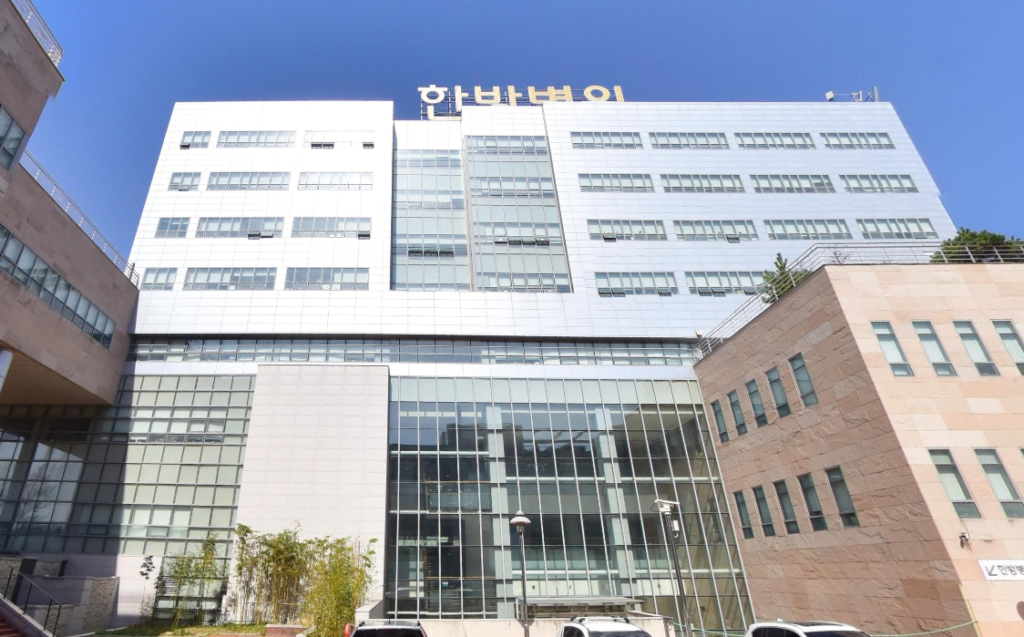
If you take a stroll through any neighborhood in Korea, from the high-tech streets of Gangnam to the quiet alleys of Gyeongju, you’ll notice a familiar green sign or a calligraphic logo marking a Hanuiwon (Korean traditional medical clinic). For many of us living in Korea, these clinics are just as essential as the local pharmacy or the modern hospital. While Korea is globally famous for its cutting-edge Western medical technology and skincare, there is another equally powerful pillar of health that has sustained people here for millennia: Korean Traditional Medicine, or Hanuihak. It is a system that doesn’t just treat symptoms but seeks to harmonize the entire human ecosystem.
- The Philosophy: A Gardener vs. A Mechanic
- A Journey Through History: The Legacy of Donguibogam
- The Core Pillars: Acupuncture, Herbal Medicine, and Heat
- The Modern Hanuiwon: Ancient Wisdom Meets Modern Diagnostics
- The Great Debate: Conflict and Coexistence with Western Medicine
- Why We Still Go: When Traditional Medicine Wins
The Philosophy: A Gardener vs. A Mechanic
To truly understand Korean Traditional Medicine, you have to shift your perspective on what “healing” means. In the Western tradition—which we call Yangbang here—doctors often act like master mechanics. If a part of the machine is broken, they fix it, replace it, or eliminate the “intruder” (like a virus or bacteria) with targeted precision. It is incredibly effective for acute trauma and infectious diseases.
📌 Local Note: Korean vs. Chinese Medicine
While they share the same roots, Hanuihak evolved into a uniquely Korean discipline. The primary distinction lies in Sasang Constitutional Medicine. Unlike Traditional Chinese Medicine (TCM) which focuses on universal energy flow, the Korean approach categorizes people into four distinct “constitutions” based on physical and emotional traits. This means a treatment that works for one person might be entirely different for another, making Korean medicine highly individualized.
Hanuihak views the human body as a garden. A Hanui-sa (KTM doctor) doesn’t just look at the wilted leaf; they look at the soil, the water levels, and the sunlight. If you are sick, it is seen as a sign that your body’s Qi (vital energy) is blocked or out of balance. The goal of the treatment is to restore that internal harmony so the body can heal itself. As a fan of this holistic approach, I’ve found that it offers answers to those “vague” feelings of being unwell that Western tests sometimes can’t quite pin down.
A Journey Through History: The Legacy of Donguibogam
The history of Korean medicine is inseparable from the story of the nation itself. While traditional practices existed since the Three Kingdoms period, the definitive turning point came during the Joseon Dynasty. In 1613, the royal physician Heo Jun completed the Donguibogam (Principles and Practice of Eastern Medicine).
“The Donguibogam was so revolutionary that it is now listed in the UNESCO Memory of the World Register. It wasn’t just a medical book; it was an encyclopedia of life that made medical knowledge accessible to the common people, focusing on locally available herbs rather than expensive imports.”
This book remains the “bible” for modern KTM practitioners. It organized centuries of East Asian medical knowledge into a systematic guide that is still studied in Korean medical schools today. It emphasized prevention and the idea that “food and medicine share the same root,” a concept that still dictates the Korean diet today.
The Core Pillars: Acupuncture, Herbal Medicine, and Heat
When you walk into a Hanuiwon, you aren’t just there for a consultation; you’re there for a multi-sensory experience. Here are the three main treatments you will likely encounter:
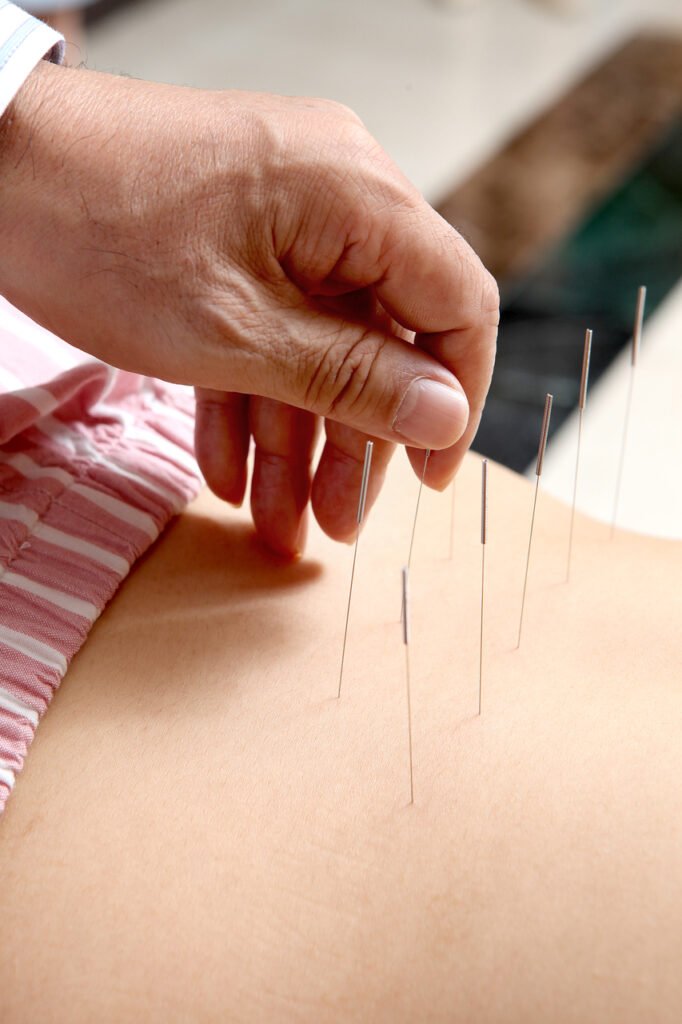
1. Chim (Acupuncture) 📍
This is the most iconic treatment. By inserting hair-thin needles into specific “acupoints,” the doctor stimulates the nervous system to unblock Qi. For those of us who spend all day hunched over a laptop, Chim is a godsend for neck and shoulder tension. It’s not about pain; it’s about a strange, deep release that you can’t get from a standard massage.
2. Hanyak (Herbal Medicine) ☕
If you see someone drinking a dark liquid from a plastic pouch, it’s probably Hanyak. These are custom-tailored decoctions made from roots, dried fruits, and herbs. Yes, it is incredibly bitter. But in Korea, that bitterness is often seen as proof of its “potency.” It is used to boost immunity, improve blood circulation, and restore “essence” after a long period of stress.
3. Tteum (Moxibustion) 🔥
This involves burning dried mugwort (ssuk) near the skin. The heat penetrates deep into the muscles and is believed to expel “coldness” from the body. It’s particularly popular during the harsh Korean winters or for those dealing with digestive issues and menstrual cramps.
The Modern Hanuiwon: Ancient Wisdom Meets Modern Diagnostics
Don’t let the smell of herbs fool you—modern Hanuiwon clinics are highly sophisticated. While they still use traditional pulse diagnosis and tongue examinations, they have embraced the 21st century. It is now standard to see InBody composition analyzers, digital blood pressure monitors, and even infrared thermography to visualize inflammation in the body.
Recently, the use of ultrasound diagnostic devices by KTM doctors has been a major topic of discussion. Many clinics now use these tools to ensure acupuncture needles are placed with millimetric precision, bridging the gap between ancient meridian theory and modern anatomical visualization. This “Integrative Medicine” approach is what makes the Korean healthcare system so robust.
The Great Debate: Conflict and Coexistence with Western Medicine
It’s important to acknowledge that the relationship between Yangbang (Western) and Hanbang (Traditional) medicine isn’t always smooth. There is a long-standing professional rivalry regarding the “scope of practice.” Western medical associations often express concerns about the scientific validation of traditional treatments, while KTM practitioners argue that their holistic results speak for themselves.
The most heated debates usually revolve around the use of modern medical equipment (like X-rays) by KTM doctors. However, for the average patient in Korea, this conflict is mostly “background noise.” Most Koreans use both systems interchangeably—going to a Western hospital for an MRI or an infection, and then heading to a Hanuiwon for post-surgery recovery or chronic pain management. This dual-track system is actually one of the secrets to Korea’s high life expectancy.
Why We Still Go: When Traditional Medicine Wins
Why is the Hanuiwon still thriving in the age of AI and robotic surgery? Because there are areas where Hanuihak truly shines. If you are feeling “off” but your blood tests come back “normal,” a Hanui-sa will often find the imbalance. Here are the top reasons locals flock to these clinics:
| Condition | Why KTM is Preferred |
|---|---|
| Chronic Muscle Pain | Acupuncture and Chuna (manual therapy) provide immediate relief without heavy painkillers. |
| Post-partum Care | Special Hanyak (like Sanhuyak) is considered essential for Korean women to recover after childbirth. |
| Digestive Issues | KTM focuses on “warming” the stomach and restoring gut motility through herbs and moxibustion. |
| Bo-yak (Vitality) | Seasonal tonics to prevent burnout and boost the immune system before winter. |
In conclusion, the Hanuiwon is more than just a medical clinic; it is a cultural sanctuary that reminds us to slow down and listen to our bodies. Whether you’re a long-time resident or a curious traveler, experiencing Korean Traditional Medicine is a vital part of “unpacking” the real Korea. If you’re feeling drained, don’t just reach for another espresso—maybe it’s time to find your local Hanuiwon and get your Qi back in check.
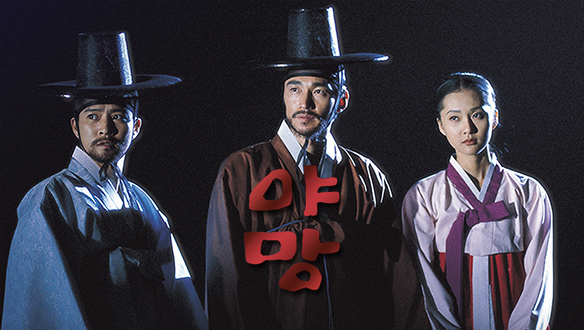
To truly appreciate the deep-rooted compassion and history behind these practices, I highly recommend watching the legendary K-drama Hur Jun.
Korean Culture portal KCulture.com
Join the mailing service and add to your favorites.
Founder of Kculture.com and MA in Political Science. He shares deep academic and local insights to provide an authentic perspective on Korean history and society.