
In the bustling streets of Seoul, from the trendy alleys of Seongsu-dong to the high-end districts of Gangnam, a new fashion statement is emerging. It’s not a $5,000 designer handbag or a limited-edition sneaker. Instead, it’s a high-quality “alternative”—or what the world now calls a “Dupe.”
As a local expert living in South Korea, I’ve witnessed a fascinating shift in how the MZ generation (Millennials and Gen Z) defines status. It is no longer about how much you spent, but how smart you shopped. Today, we’re diving deep into the Dupe Trend, exploring why it’s taking over the Korean market and what it means for the future of global consumption.

1. What Exactly is a “Dupe”? (It’s Not a Knockoff)
The term Dupe is short for Duplication. But now the nuance has evolved. It no longer refers to a “fake” or a “counterfeit” (짝퉁).
A Dupe is a legitimately branded, high-quality alternative that provides a similar aesthetic, function, or “vibe” as a luxury product but at a fraction of the cost.
Dupe vs. Counterfeit: Know the Difference
Understanding this distinction is key to understanding why this trend is socially acceptable—and even celebrated.
| Feature | Dupe (Alternative) | Counterfeit (Fake) |
| Intellectual Property | Legal; has its own brand name. | Illegal; steals logos and trademarks. |
| Primary Goal | Provides similar quality/function. | Deceives others into thinking it’s luxury. |
| Consumer Vibe | “I’m a smart, savvy shopper.” | “I’m trying to hide the truth.” |
| Social Perception | Proudly shared on SNS (#Dupe). | Often hidden or stigmatized. |
2. Why the Dupe Phenomenon is Exploding in Korea
While the Dupe trend is global, the Korean market provides a unique lens through which to view it. According to a 2024 survey by Embrain Trend Monitor, 48.8% of Korean consumers view dupe culture positively, significantly outweighting negative perceptions (9.5%).
A. Economic Reality: The “YONO” Lifestyle
We are living through a period of prolonged global inflation and economic stagnation. In Korea, this has given birth to the “YONO” (You Only Need One) mindset—a successor to “YOLO.” Young people are now focusing on essential, high-utility purchases. When a luxury item’s price rises by 10% every year, a Dupe becomes a rational survival strategy for the style-conscious.
B. The Gamification of Shopping
For the MZ generation, finding a Dupe isn’t a chore; it’s a treasure hunt. In the past, people felt embarrassed about buying “cheaper versions.” Today, it is a form of social currency.
- The “Find”: Discovering a $3 lip balm that performs like a $60 luxury brand is a “win.”
- The “Share”: Posting a side-by-side comparison on TikTok or Instagram (Reels) earns likes and respect for one’s “information power.”
Expert Insight: The “Small Luxury” Shift In Korea, the rise of Dupe culture is deeply tied to the shifting consumption power of the MZ generation.
This isn’t just about being poor; it’s about “Consumer Literacy.” Korean youth are now more informed than ever, using mobile apps to compare ingredients and manufacturing origins. They realize that a $3 lipstick from a discount store often shares the same manufacturer as a $60 luxury brand. In this context, buying a “Dupe” is recognized as a high-level shopping skill, not a compromise.
3. Case Studies: The Products That Defined the Trend
Several products have reached “legendary” status in Korea due to the Dupe fever, leading to nationwide sell-outs.
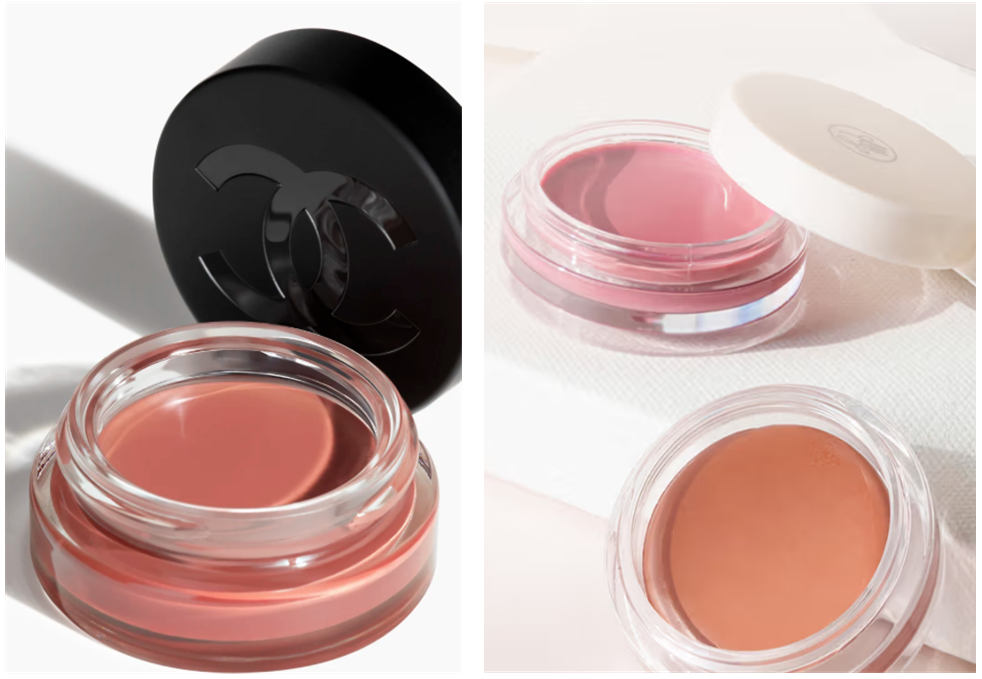
The “Daiso x Son & Park” Color Balm
Last year, Daiso (the king of value retail in Korea) collaborated with beauty brand Son & Park to release the “Artispreas Color Balm.” * The Original: Chanel’s Lip & Cheek Balm (~$60 USD).
- The Dupe: Daiso’s version (~$2.20 USD).
- Result: It went viral for having nearly identical texture and pigment, causing “Open Runs” (people waiting for stores to open) at Daiso locations across Seoul.
The “Uniqlo x Porter” Sensation
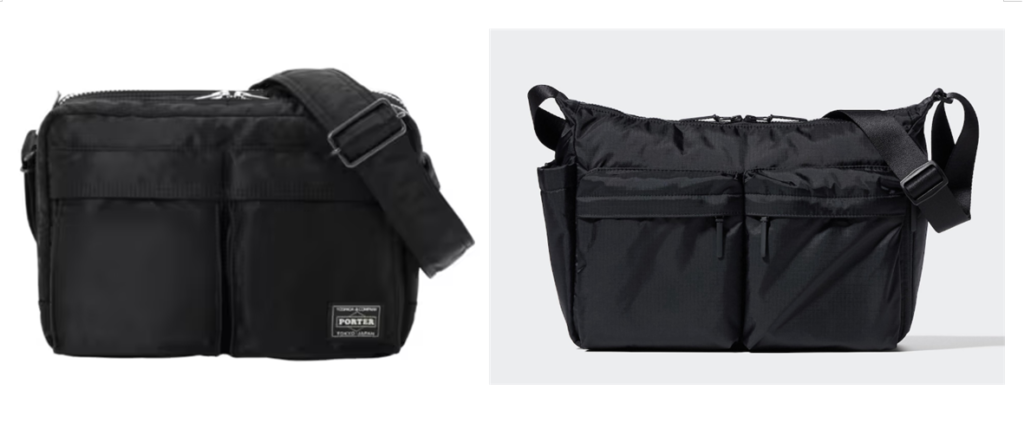
The Uniqlo Multi-Pocket Shoulder Bag became an overnight hit, nicknamed the “Unishida Porter” (a play on Yoshida Porter).
- The Original: Porter Tanker Shoulder Bag (~$300 USD).
- The Dupe: Uniqlo Shoulder Bag (~$25 USD).
- Result: At 1/10th of the price, the quality was so impressive that it became a staple item for Seoul’s “city boy” fashionistas.
4. The Future: A Shift from Brands to Ingredients
I predict that the Dupe trend is not a fleeting fad but a structural shift in consumer behavior.
1. The “Transparency” Era
Consumers are becoming amateur chemists and designers. In the beauty industry, people no longer look at the brand name; they look at the ingredient list. If a $10 serum has the same concentration of Galactomyces as a $200 essence, the $10 version wins every time.
2. Brands Must Adapt
We are seeing luxury brands respond by focusing on “Brand Heritage” and “Experience”—things that cannot be duped. Meanwhile, mid-tier brands are leaning into the trend by positioning themselves as “high-spec, low-price” alternatives from the start.
3. Ethical and Sustainable Dupes
The next wave of the Dupe trend will likely focus on sustainability. Consumers are looking for dupes of leather or fur that are not only cheaper but also “cruelty-free,” combining economic savvy with ethical consumption.
Conclusion: Smart is the New Luxury
The Dupe trend tells us that the modern consumer is educated, confident, and practical. In Korea, being “cool” no longer requires a massive credit card bill. It requires the wit to find beauty and quality in unexpected places.
Whether it’s a Zara perfume that smells exactly like a niche Jo Malone scent or a Daiso tool that rivals high-end tech, the Dupe movement is a celebration of democratized luxury.

A lifestyle writer covering K-beauty, fashion, and art. Kyoung shares honest insights on K-pop and smart shopping, capturing the vibrant trends of modern Korea.