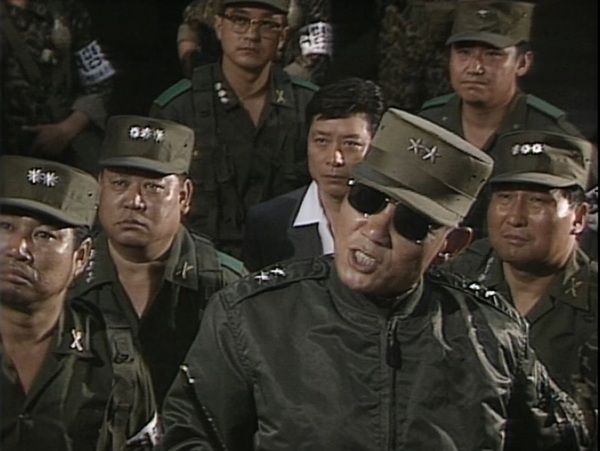
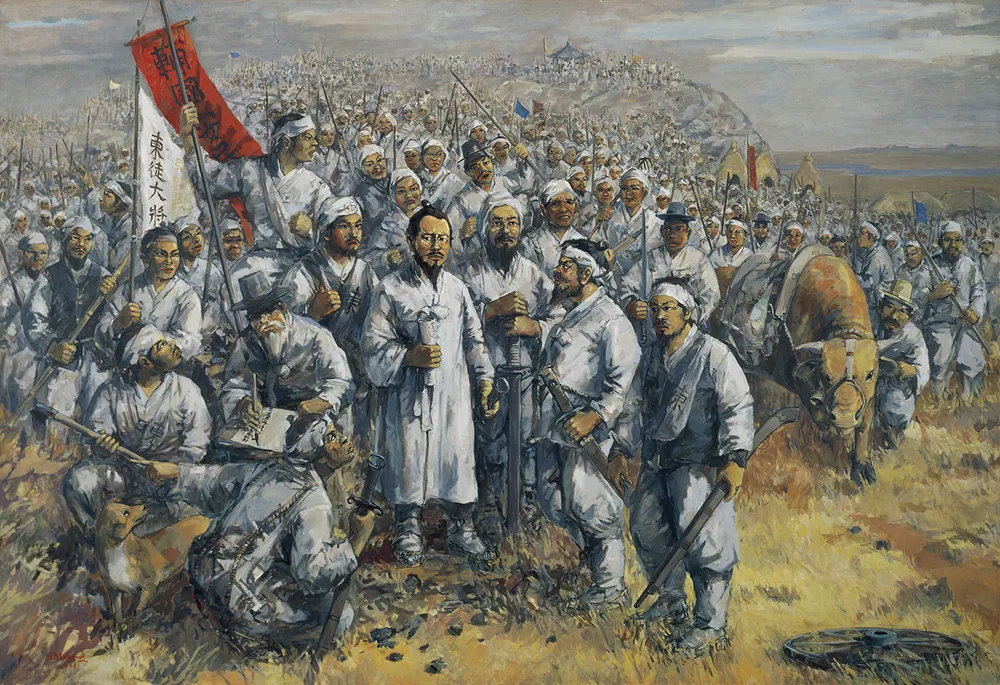
If you have ever spent a weekend binge-watching historical K-Dramas like The Red Sleeve or Under the Queen’s Umbrella, you might have noticed a recurring character: the silent scribe hovering in the background, brush in hand. Korea is truly a “Nation of Records,” possessing a staggering collection of UNESCO-recognized documents that survived centuries of war and upheaval. This article explores the profound legacy of Korean documentary heritage, from the world’s oldest printing innovations to the meticulous daily annals that prove why Korea’s obsession with history is part of its modern DNA.
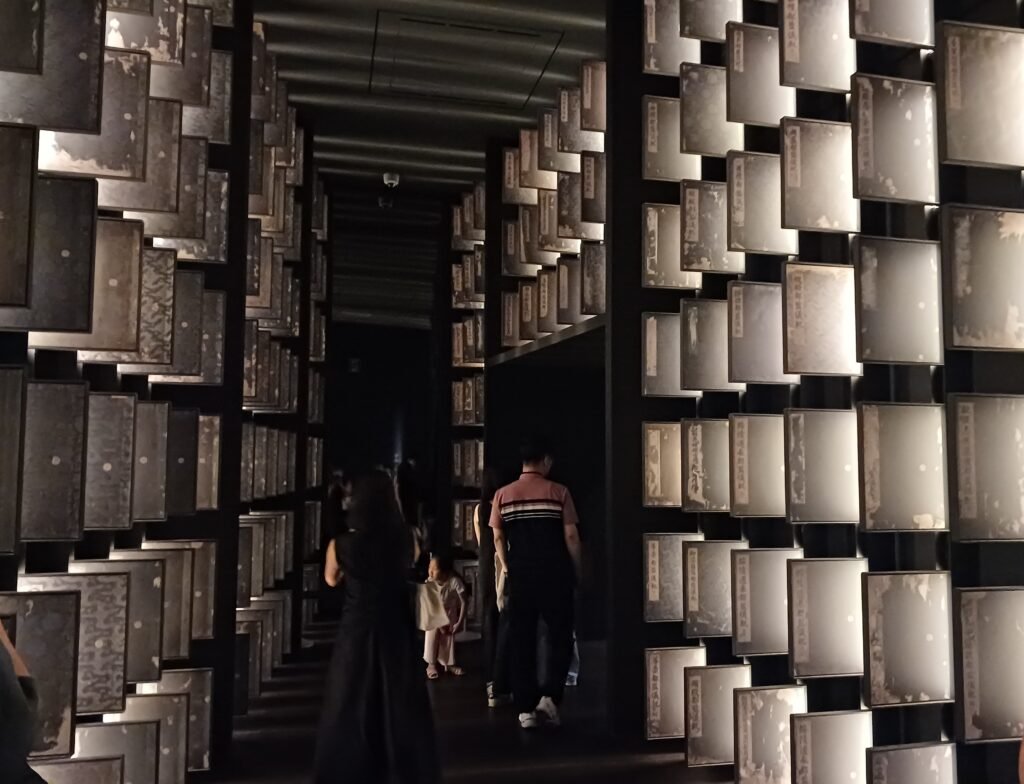
- The Resilience of Korea’s Historical Archives
- The Dawn of Printing: World Firsts from Silla and Goryeo
- The Joseon Dynasty: An Era of Total Documentation
- Beyond History: The Scientific Value of Royal Records
- The Royal Protocols: Where Art Meets Governance
- Summary Table of Korea’s Major Records
- Why Korea Remains a “Nation of Records” Today
The Resilience of Korea’s Historical Archives
Throughout history, specifically during the Imjin War (Japanese invasions of 1592) and the Japanese colonial period in the 20th century, an unfathomable amount of Korean documentary heritage was burned, looted, or hidden away in undisclosed locations overseas. Yet, despite this tragic loss, Korea still holds one of the highest numbers of UNESCO Memory of the World inscriptions globally. This does not just show a lucky survival; it reveals a profound cultural dedication to documentation.
The fact that nearly 500 years of daily royal records remain, despite palaces being destroyed multiple times, is a testament to the “DNA of Recording” that defines the Korean people. In modern K-Dramas, the Joseon Wangjo Sillok (The Annals) provides such immense detail that we know exactly what a king said, what he ate, and even his health conditions. This depth of information allows modern creators and historians to reconstruct the past with unparalleled accuracy.
The Dawn of Printing: World Firsts from Silla and Goryeo
Long before Gutenberg, the artisans of the Silla and Goryeo kingdoms were already masters of the written word, pushing the boundaries of printing technology centuries ahead of the rest of the world.
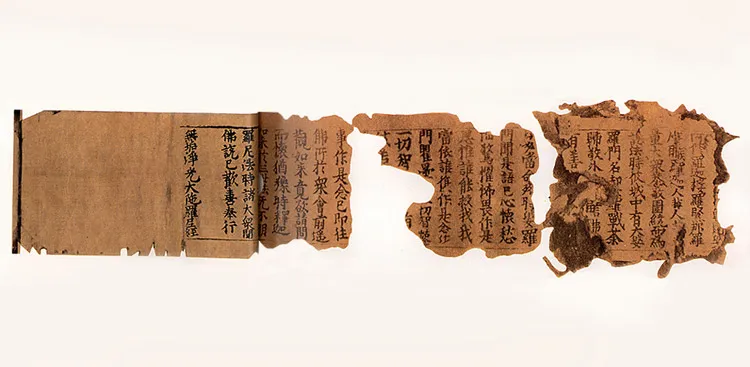
Mugujeonggwang Daedaranigyeong (The Great Dharani Sutra)
Produced before 751 AD, this is recognized as the world’s oldest existing woodblock print. It was discovered inside the Seokgatap Pagoda at Bulguksa Temple in Gyeongju. While it was once held at the Buddhist Central Museum, it is now preserved at the Bulguksa Museum in Gyeongju. For those visiting Seoul or Gyeongju, high-quality replicas are on display at the National Museum of Korea and the Gyeongju National Museum, allowing visitors to witness the peak of Silla’s Buddhist culture.
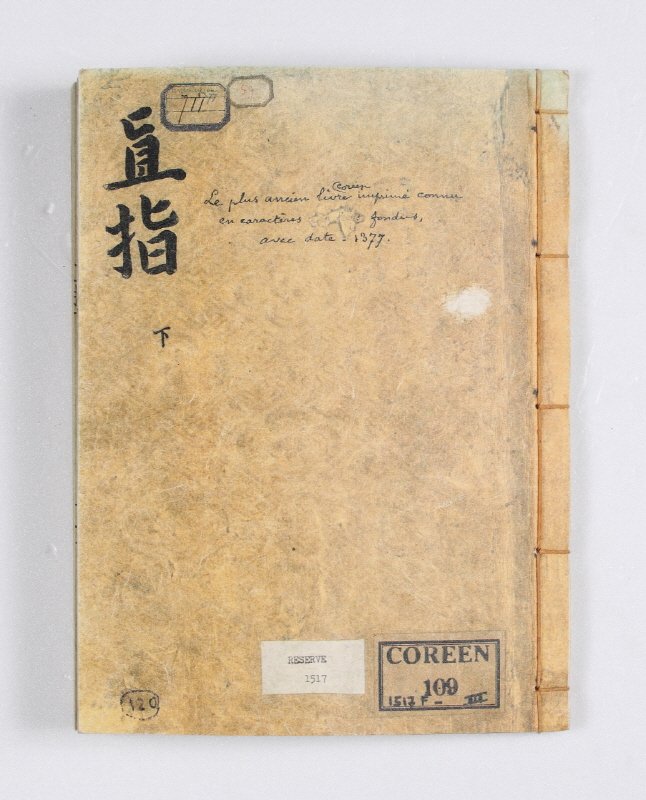
Jikji Simche Yojeol (The Jikji)
Printed in 1377 during the Goryeo Dynasty, the Jikji is the world’s oldest surviving book printed with movable metal type—beating the Gutenberg Bible by 78 years. While the original is currently held at the National Library of France, its existence remains absolute proof that Korea was a global leader in information technology and knowledge dissemination during the 14th century.
The Joseon Dynasty: An Era of Total Documentation
The Joseon Dynasty (1392–1910) elevated record-keeping to a state-sponsored art form. The Neo-Confucian scholars believed that history was a mirror for the future, leading to the creation of some of the most detailed archives in human history.
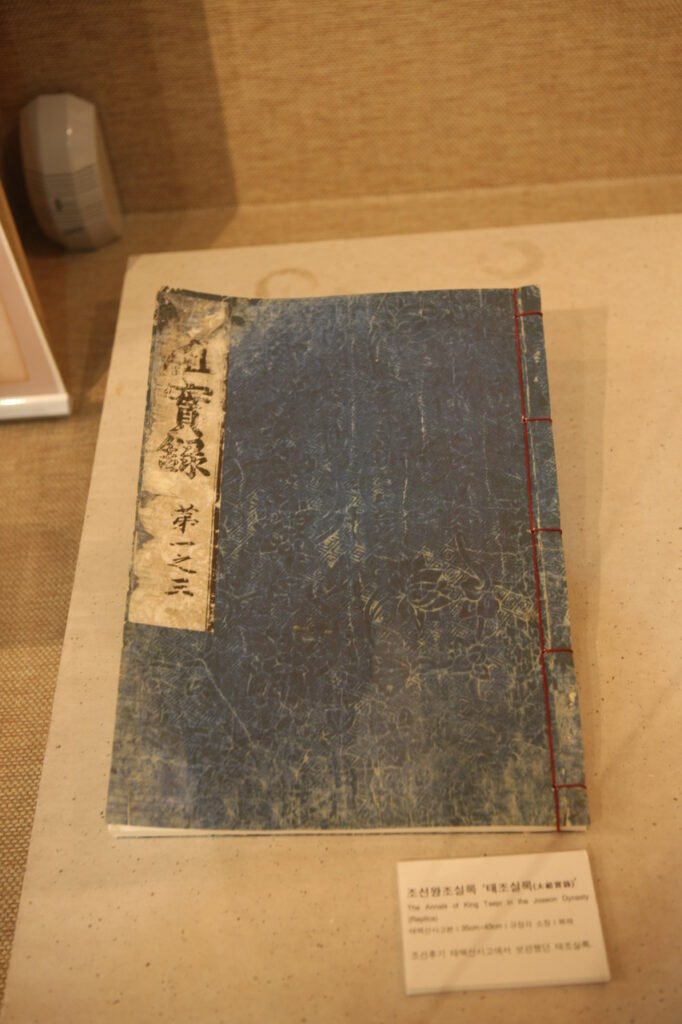
Joseon Wangjo Sillok (The Annals)
The Sillok covers 472 years of the dynasty, recorded day by day. What makes it unique is the absolute independence of the scribes. Even the king was strictly forbidden from reading the records of his own reign, ensuring that historians could write objectively without fear of royal retribution.
Hunminjeongeum Haerye
Published in 1446 by King Sejong the Great, this is the original manual that explains the linguistic theory and philosophical design behind Hangul. It is the reason why Hangul is considered the most scientific alphabet in the world today. To learn more about the fascinating evolution of the Korean writing system, you can explore this detailed guide on the History of Hangul.
Beyond History: The Scientific Value of Royal Records
The value of these records extends far beyond historical narratives. Today, the Joseon Wangjo Sillok and the Seungjeongwon Ilgi (Diaries of the Royal Secretariat) are used by modern scientists as vital data sources. Because the scribes meticulously recorded weather patterns, droughts, floods, and even solar eclipses for centuries, researchers use this data to study long-term climate change and astronomical cycles.
💡 Pro Tip: Modern astronomers have utilized Joseon-era records of “guest stars” (supernovae) and meteor showers to verify historical celestial events, providing data that modern telescopes simply cannot replicate for past centuries.
These records are so precise that they often include the exact hour and intensity of rainfall, making them an invaluable resource for meteorologists studying the environmental history of East Asia. This proves that Korean documentation was not just about politics, but about a comprehensive understanding of the natural world.
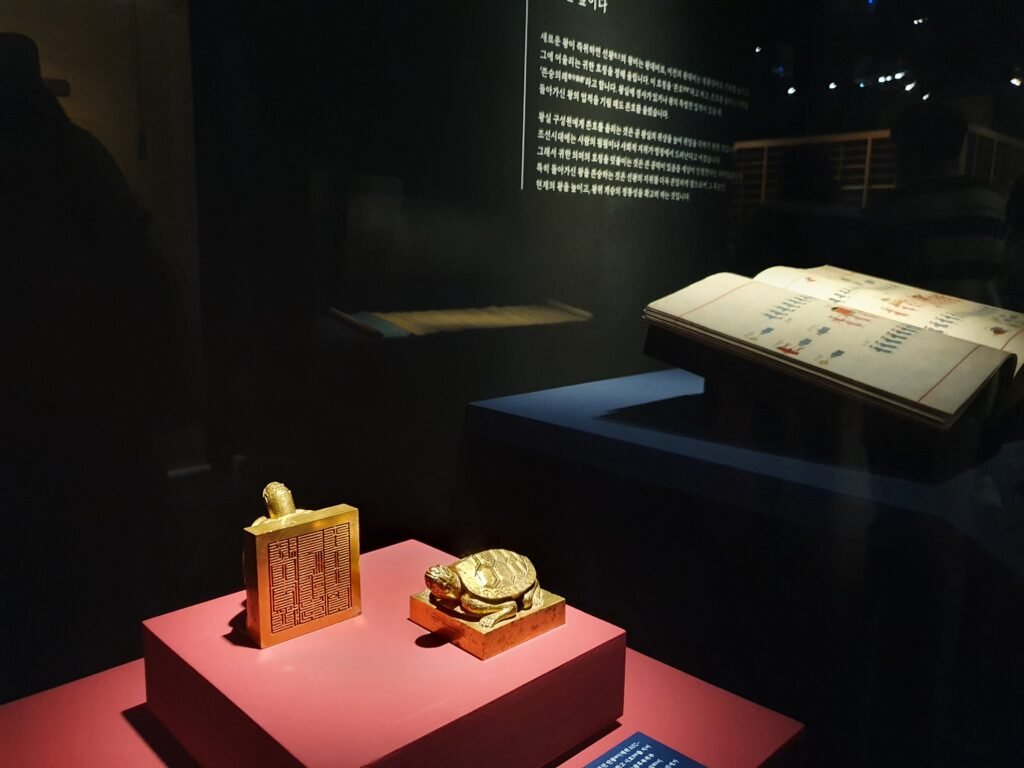
The Royal Protocols: Where Art Meets Governance
The Uigwe, or the Royal Protocols, are perhaps the most visually stunning documents in the UNESCO collection. These are illustrated manuals documenting major royal ceremonies such as weddings, funerals, and banquets. They are so detailed that they list every participant, the specific materials used for costumes, and even the layout of the ritual tables.
A well-known chapter in Korean history involves the 297 volumes of the Oegyujanggak Uigwe, which were looted by French forces in 1866 during a conflict on Ganghwa Island. After decades of diplomatic effort and the tireless work of scholars, these treasures were finally returned to Korea in 2011 on a permanent loan basis. This return was a significant cultural milestone, restoring a vital piece of the nation’s identity.
Summary Table of Korea’s Major Records
| Record Name | Period | Historical & Scientific Significance | Current Location |
|---|---|---|---|
| Mugujeonggwang Sutra | Silla (8th C.) | World’s oldest woodblock print. | Bulguksa Museum |
| Jikji | Goryeo (1377) | World’s oldest movable metal type book. | National Library of France |
| Joseon Wangjo Sillok | Joseon | Continuous 472-year daily record; climate data. | National Archives of Korea |
| Hunminjeongeum | Joseon (1446) | The original manual for the Hangul alphabet. | Kansong Art Museum |
| Seungjeongwon Ilgi | Joseon | World’s largest continuous royal diary. | Kyujanggak (SNU) |
| Oegyujanggak Uigwe | Joseon | Exquisite illustrated manuals for ceremonies. | National Museum of Korea / SNU |
Why Korea Remains a “Nation of Records” Today
The “DNA of recording” remains a core part of Korea’s identity today. This cultural respect for history and precision is what drives modern Korea’s dynamic administrative systems and its passion for preservation. By maintaining such a rigorous grip on the past—despite the tragedies of history—Koreans have built an unshakable cultural foundation.
To see these incredible artifacts and many other national treasures, a visit to Korea’s premier museums is essential. For a complete guide on how to make the most of your visit, check out our article on the National Museum of Korea: Seoul’s Must-Visit, World-Class Museum.
Understanding these records is like looking into the living memory of a people who refused to let their story be forgotten. They are not just old papers; they are the receipts of a nation’s soul.
Korean Culture portal KCulture.com
Join the mailing service and add to your favorites.

Founder of Kculture.com and MA in Political Science. He shares deep academic and local insights to provide an authentic perspective on Korean history and society.