Hello there! I’m Min, your local guide living in the heart of Seoul.
As someone who holds certifications in Korean Culinary Arts and Baking & Pastry, I spend a lot of time thinking about the “science of sweetness.” While the world has recently gone wild for K-Chips and Dujjon-ku (Dubai Chewy Cookies), there is a deeper, more elegant soul to Korean sweetness that has been simmering for centuries.
If you’ve walked through the narrow alleys of Ikseon-dong or the hip streets of Seongsu-dong lately, you’ve likely smelled it—the earthy aroma of toasted sesame, the spicy kick of ginger, and the comforting scent of steaming rice.
Ready to dive into the world of K-Desserts? Let’s go!
1. Why is the World Falling for K-Desserts?
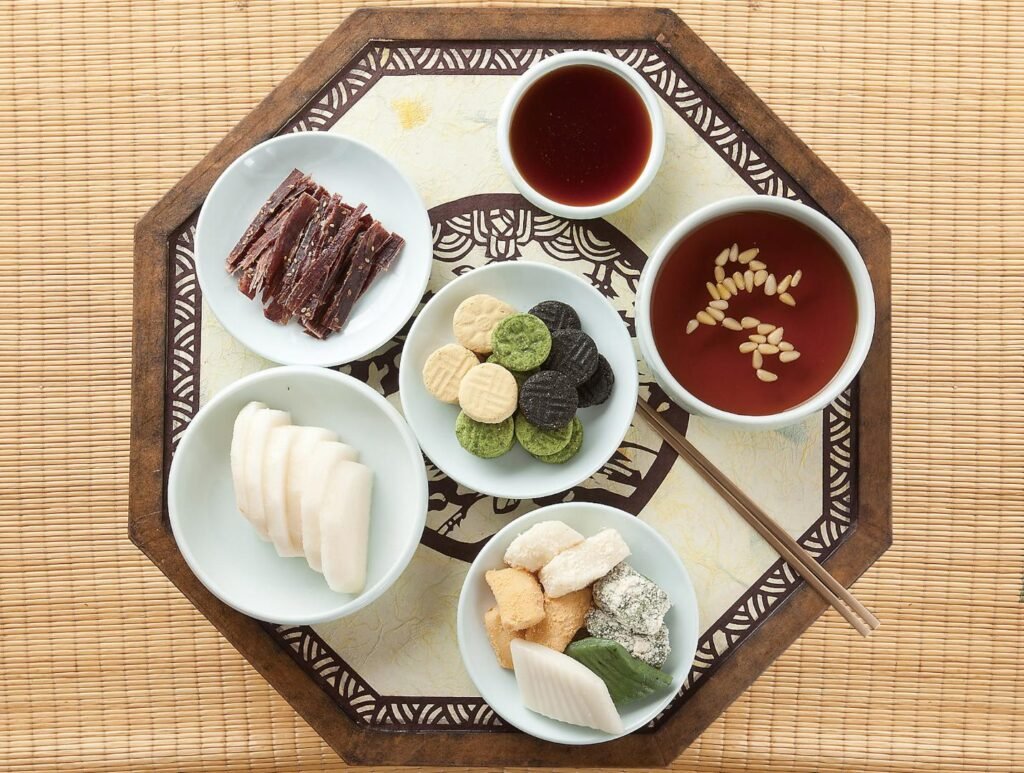
It’s not just about the sugar. In a world of over-processed sweets, Korean traditional desserts (Hangwa) offer a sophisticated balance.
The secret to their popularity lies in “Natural Sweetness.” We use honey, grain syrup (jocheong), dried fruits, and nuts rather than refined white sugar. This creates a “clean” sweetness that doesn’t leave you feeling sluggish. Plus, they are naturally gluten-free (mostly rice-based!) and visually stunning—like tiny edible pieces of art.
2. The Must-Try Traditional Lineup
The Edible Jewels: Dessert Category
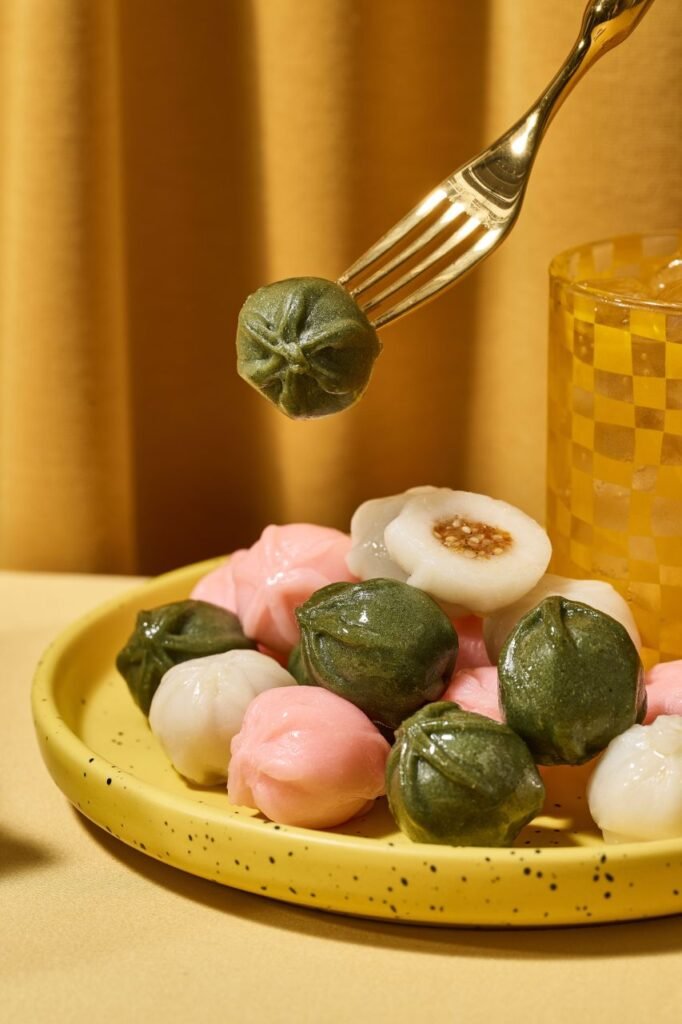
- Tteok (Rice Cakes): The undisputed king. Made from steamed rice flour, it ranges from the chewy Injeolmi (coated in bean powder) to the elegant Songpyeon. As a pastry expert, I admire the “chew factor” (kkideuk-kkideuk) that no wheat-based bread can replicate.
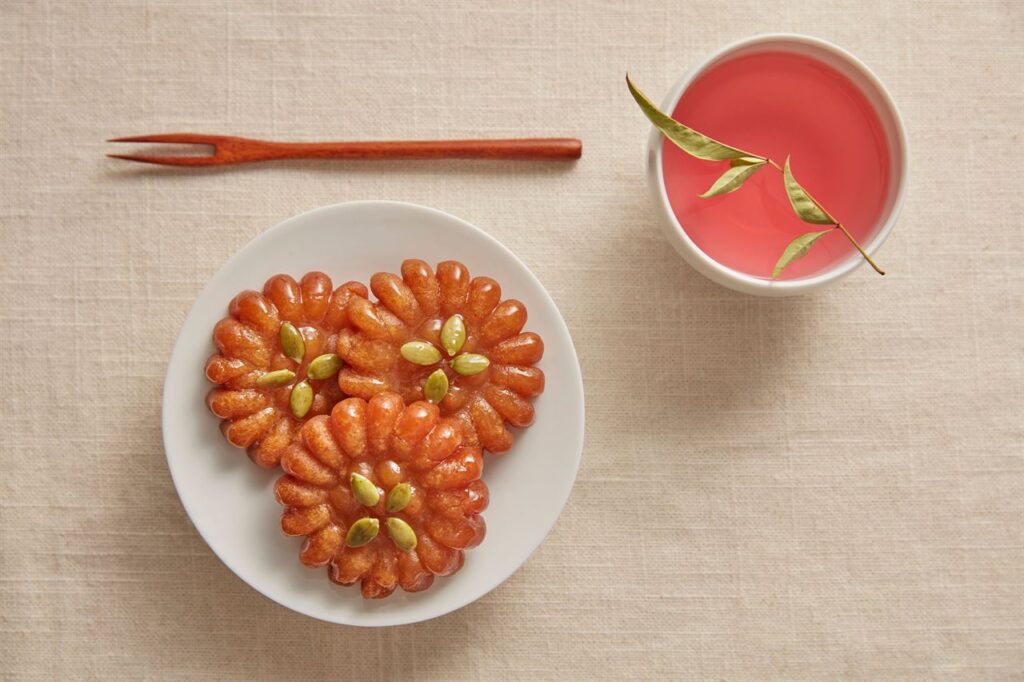
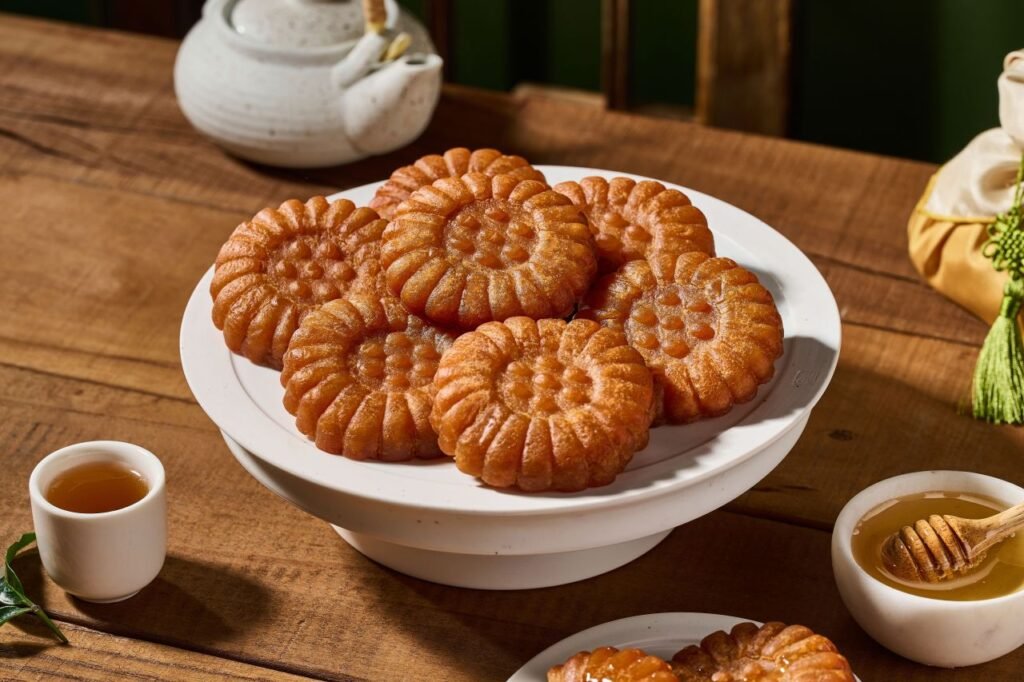
- Yakgwa (Honey Cookies): Think of these as deep-fried pockets of joy. They are made from wheat flour, sesame oil, and ginger juice, then soaked in a honey syrup. They are dense, moist, and dangerously addictive.
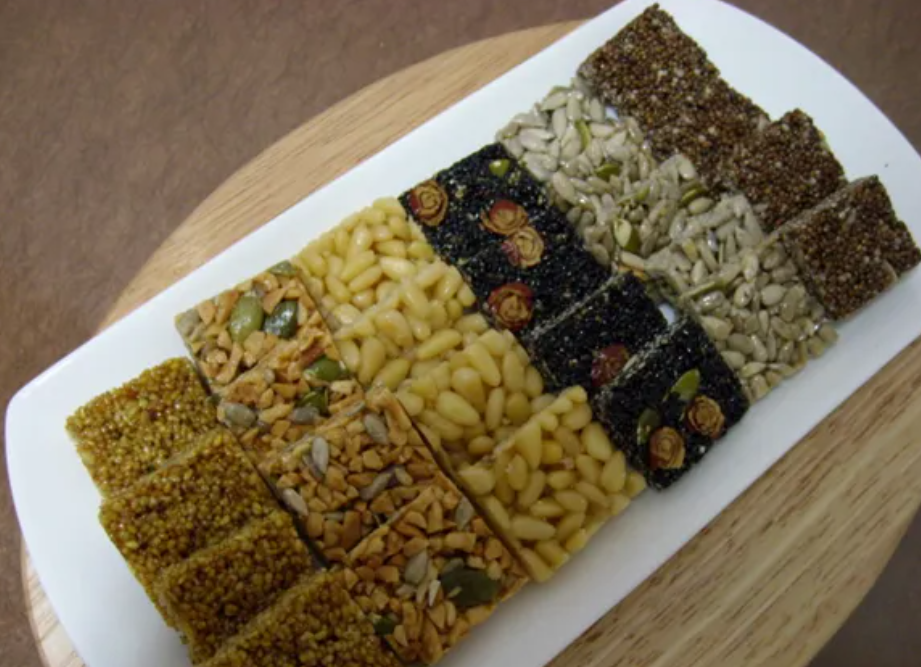
- Hangwa: This is a broad term for traditional confections. They are light, airy, and often melt in your mouth.
- Yanggang (Sweet Red Bean Jelly): This smooth, firm jelly made from red beans and agar-agar is the perfect companion to a bitter tea. Modern versions now include chestnuts or even gold leaf!
- Jeonggwa (Candied Fruits/Roots): These are slices of ginger, lotus root, or citrus simmered in honey until they become translucent and chewy. It’s “nature’s gummy bear.”
- Gangjeong: Crunchy rice puffs or nuts bound together by syrup. It’s the original Korean energy bar.
- Gyeongdan: Small, round rice balls filled with sweet paste and coated in colorful powders. They look like little pom-poms on a plate!
The Soul-Soothers: Traditional Beverages
- Daechu-cha (Jujube Tea): Thick, dark, and naturally sweet. It’s like a warm hug for your throat.
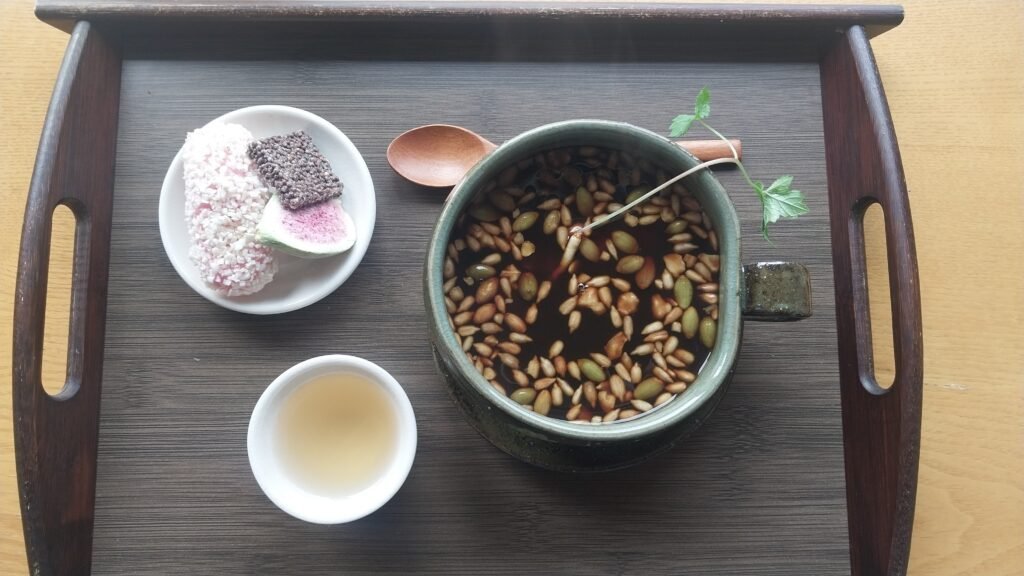
- Ssanghwa-cha: A medicinal herb tea often served with a floating egg yolk (traditionally) and nuts. It’s the ultimate “energy booster” when you feel a cold coming on.
- Yuza-cha (Citron Tea): Fragrant, citrusy, and vitamin C-packed. It’s the most approachable K-tea for beginners.
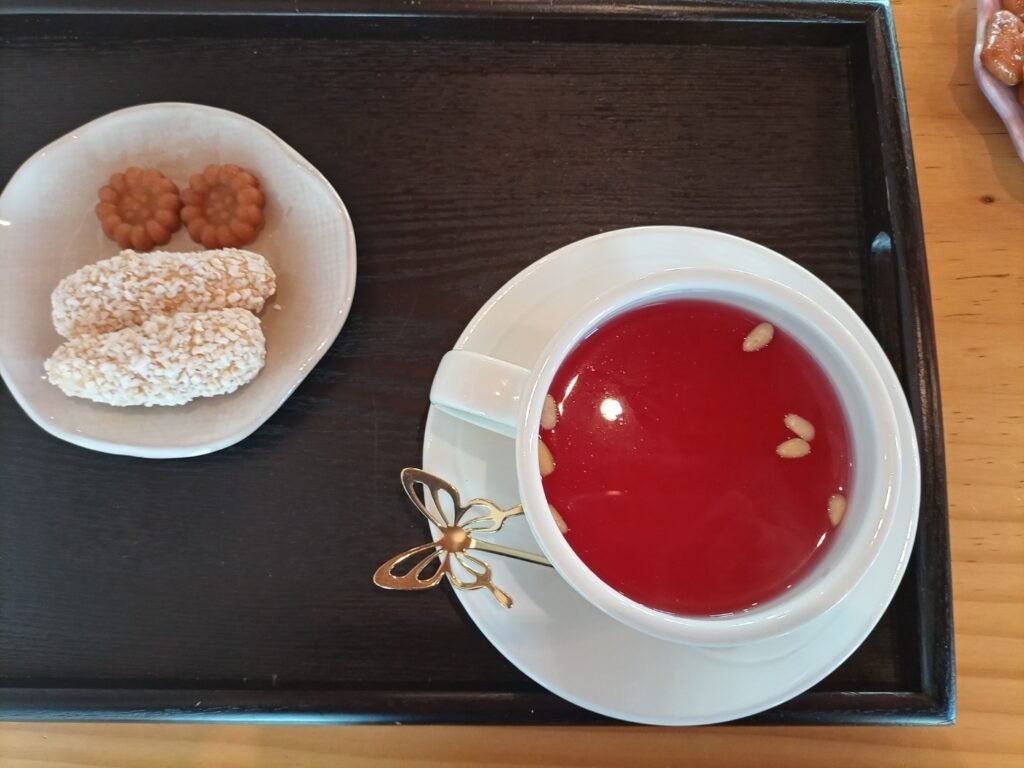
- Omija-cha (Five-Flavor Berry Tea): It hits five tastes: salty, sweet, sour, pungent, and bitter. It’s incredibly refreshing when served iced.
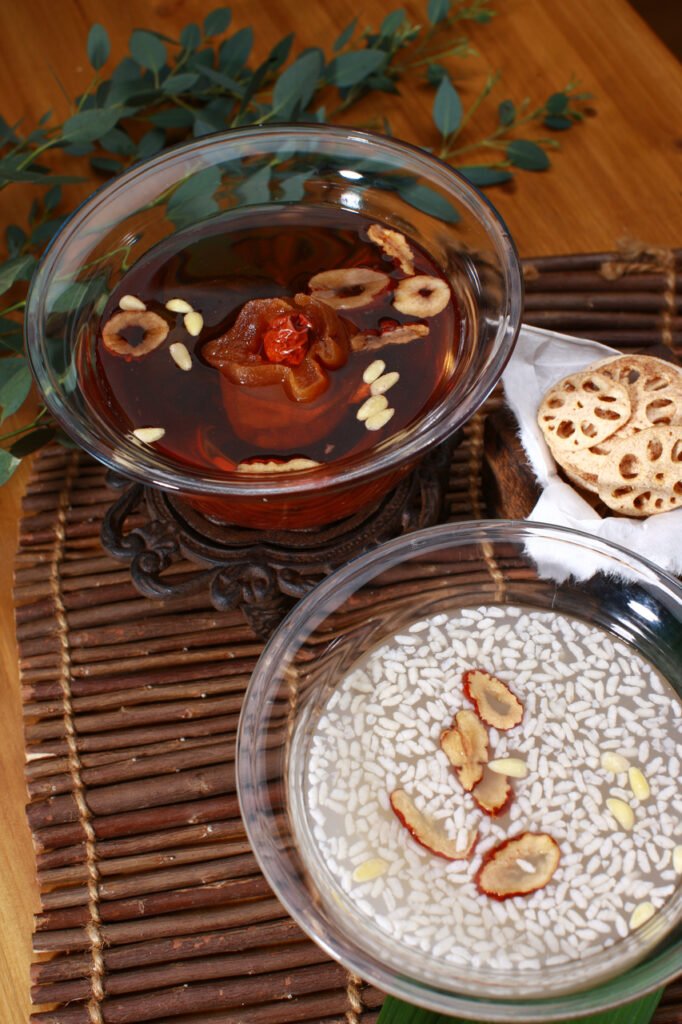
- Sujeonggwa (Cinnamon Ginger Punch): A cold dessert drink featuring dried persimmons. It’s spicy, sweet, and clears the palate perfectly after a heavy meal.
- Sikhye (Sweet Rice Punch): Made from malted barley and rice, this fermented drink is the “Coca-Cola” of Korean tradition—but much healthier for your digestion!
3. The Modern Twist: “K-Dessert 2.0”
Young Koreans love tradition, but we also love to experiment! The “Newtro” (New + Retro) trend has birthed some incredible hybrids:
- The Injeolmi Crème Brûlée: We take the chewy rice cake and give it a torch-fired sugar crust. The contrast between the gooey center and the crackling top is heavenly!
- Fusion Tteok: Forget plain fillings. Nowadays, you’ll find Tteok-carons (Macaron-shaped rice cakes) filled with Earl Grey cream, or Ang-butter Baekseolgi (snowy rice cake with thick butter and red bean).
- The “Honey Tteok Cereal” Craze: Have you seen the viral videos? People are dropping small, honey-filled rice cakes (Ggul-tteok) into bowls of cold milk. Global fans are calling it “K-Bubble Tea” because of the delightful “pop” of honey and the chewy texture. It’s a genius way to enjoy a thousand-year-old snack in a modern bowl!
Korean desserts are more than just food; they are a slow-paced philosophy in a fast-paced world. Whether you’re sipping a tart Omija-cha in a quiet hanok or crunching on Yakgwa at a trendy Seongsu cafe, you’re tasting the history of Korea.

A certified Korean chef and baker. Min shares authentic tastes of Korea, from hidden local gems to traditional recipes and everyday lifestyle.