Nakseonjae Hall in Changdeokgung Palace is the historic residence where the last members of the Korean Imperial Family lived until as recently as 1989. While many visitors assume the monarchy ended abruptly in 1910, royals like Princess Deokhye and Crown Prince Yeongchin called this palace home well into the era of modern South Korea. In this guide, I will explore the poignant history of these “forgotten” royals and their final days in Nakseonjae, especially relevant for fans of the upcoming drama Perfect Crown starring IU.
- The Last Home of the Korean Imperial Family: A Guide to Nakseonjae Hall
- The Origins of Nakseonjae: A King’s Private Sanctuary
- The Tragic Fate of the Imperial Family After 1910
- The Republic Era: Political Exile and the Long Journey Home
- Who Were the Last Residents of Nakseonjae?
- Visiting Nakseonjae: Architectural Highlights and Hidden Details
The Origins of Nakseonjae: A King’s Private Sanctuary
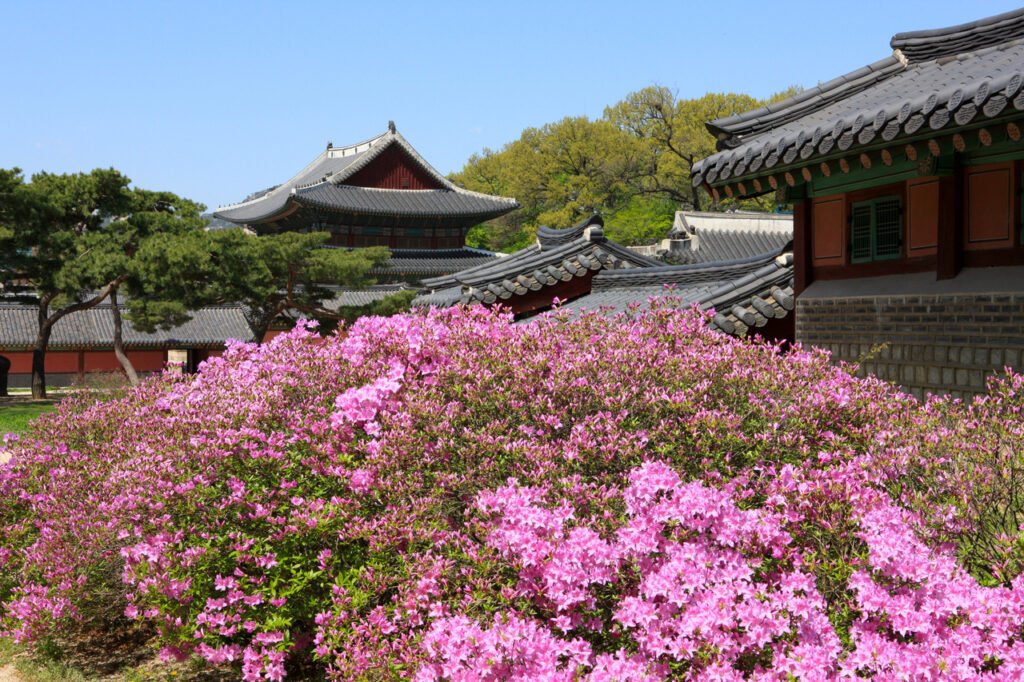
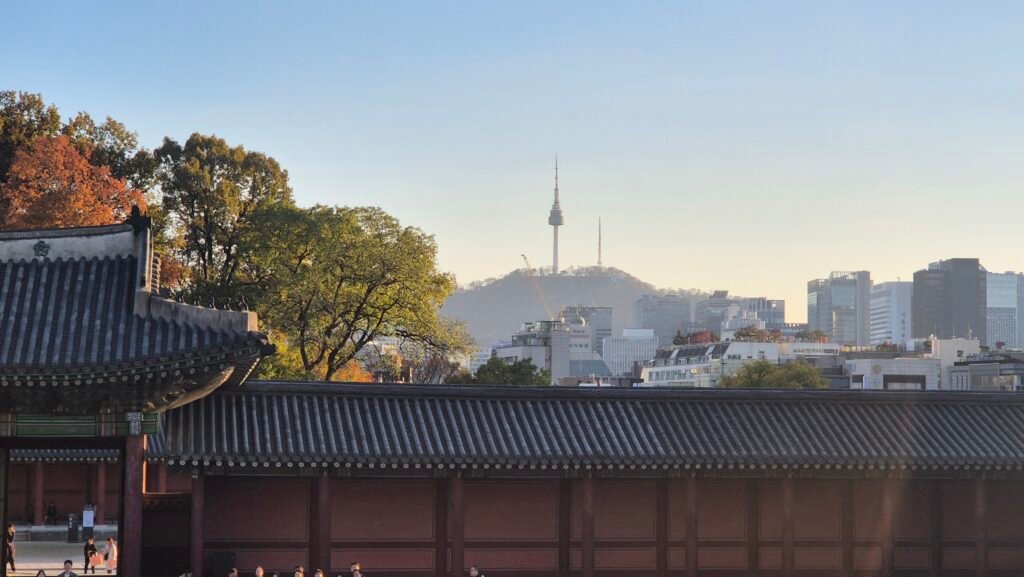
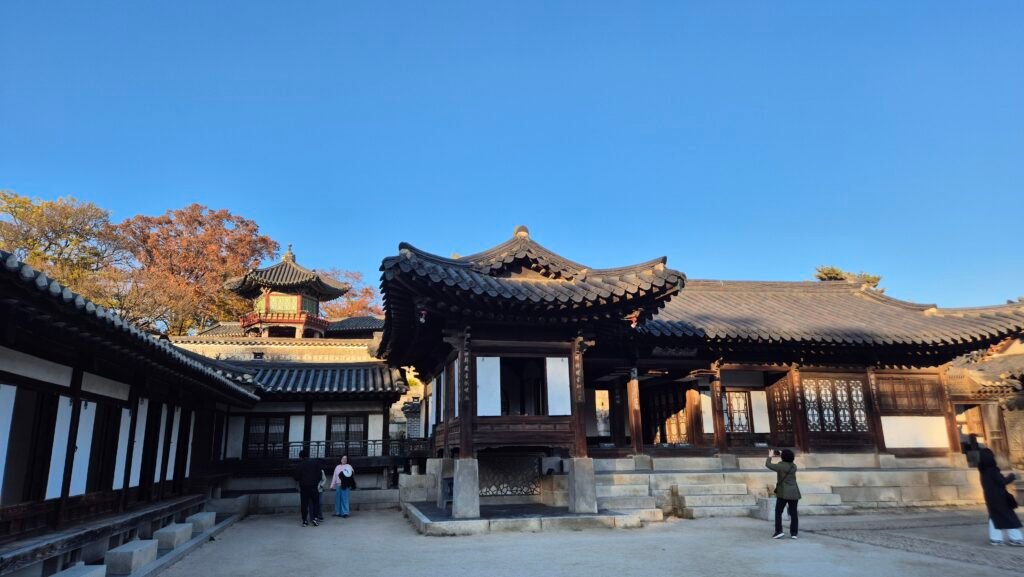
Built in 1847 by King Heonjong, the 24th monarch of the Joseon Dynasty, Nakseonjae Hall was originally intended as a library and living quarters for the King and his beloved concubine, Gyeongbin Kim. Unlike the other grand buildings in Changdeokgung, Nakseonjae is famous for its lack of dancheong—the bright, multi-colored paint usually seen on royal structures. Instead, it features the elegant, exposed wood look of a traditional yangban (noble) residence.
Living in Korea and walking through these halls, you can immediately feel a sense of humility and intimacy. It was a space designed for personal life rather than official state ceremonies. However, this private sanctuary eventually became the final refuge for a royal bloodline facing the tumultuous transitions of the 20th century.
The Tragic Fate of the Imperial Family After 1910
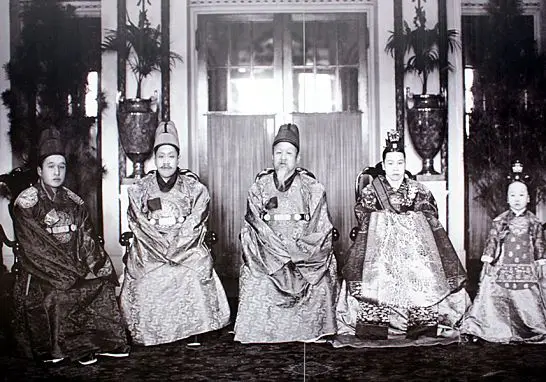
Following the Japan-Korea Annexation Treaty in 1910, the Korean Empire was dissolved. The imperial family was demoted to the status of Wang-gong-jok (Royal and Public Family), a title that placed them within the Japanese peerage system. Crown Prince Yeongchin (the son of Emperor Gojong) was sent to Japan at age ten, effectively becoming a political hostage.
During the colonial period, many royals were forced into strategic marriages with Japanese nobility to dilute the Korean royal identity. Prince Yeongchin was married to Princess Masako of Nashimotonomiya (later known as Yi Bangja), and Princess Deokhye was also forced into an unhappy marriage in Japan. For decades, they lived as “royals without a country,” unable to return to their ancestral home.
The Republic Era: Political Exile and the Long Journey Home
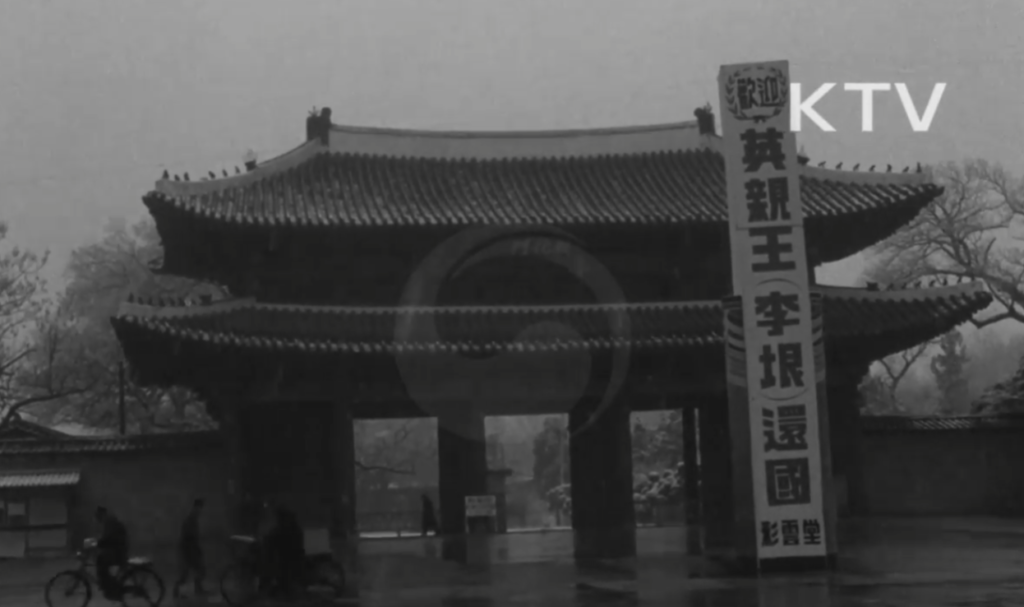
After Korea’s liberation in 1945, the situation remained complicated. The first president of the Republic of Korea, Syngman Rhee, viewed the imperial family as a threat to his political authority and the new democratic order. He nationalized all imperial properties and effectively blocked the family from returning to Korea. The royals were left in a state of statelessness in Japan, often struggling with health and financial issues.
The turning point came in the early 1960s. President Park Chung-hee, recognizing the cultural and historical significance of the family, permitted their return and granted them the right to live in Nakseonjae. Crown Prince Yeongchin returned in 1963 in a state of illness, followed by Princess Deokhye. Their return was a somber event, marking the reconciliation between the modern republic and its imperial past.
💡 Local Note: Many Koreans in the 1960s and 70s still felt a deep emotional bond with these figures. Princess Yi Bangja, in particular, became a beloved figure in Korea for her extensive charity work for children with disabilities, which she continued until her death in 1989.
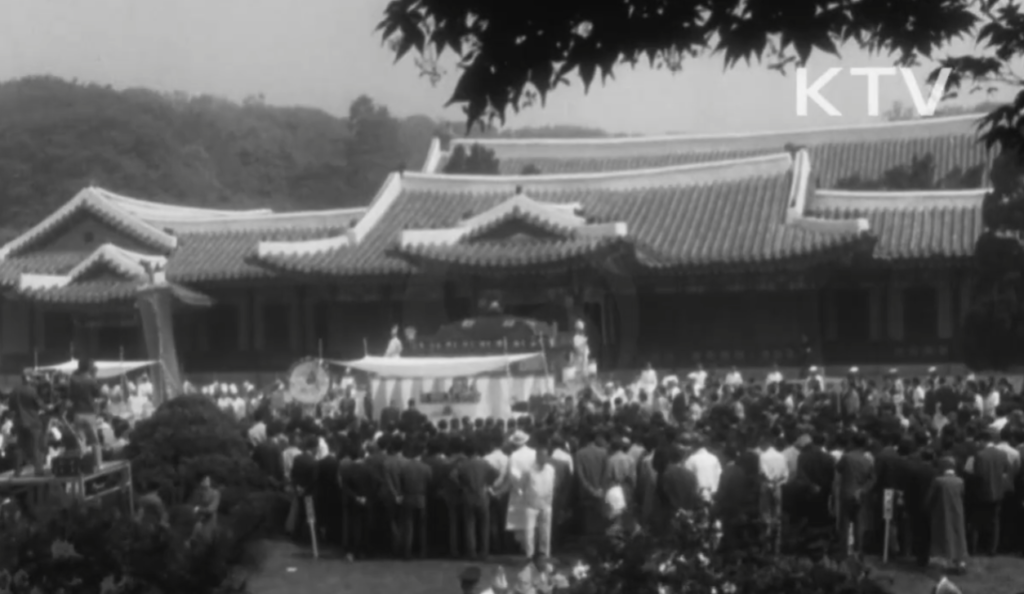
💡 The Final Imperial Grandson(The Life and Legacy of Yi Ku)
A Symbol of Vanished Royalty: Yi Ku (1931–2005) was the son of Prince Yeongchin and Princess Yi Bangja, and the grandson of Emperor Gojong. Known as the “Last Imperial Grandson” (Hwangseson), his life mirrored the tragic displacement of the dynasty. Having grown up primarily in Japan and educated in the United States as an architect, Yi Ku struggled with his cultural identity and was not fluent in the Korean language. Despite his return to Korea, he faced continuous hardships, including business failures and the heavy burden of his royal lineage. He passed away in 2005 at the Akasaka Prince Hotel in Tokyo—poignantly, the very location where he was born—leaving many with a deep sense of sadness for the difficult life he led as the final successor of a fallen empire.
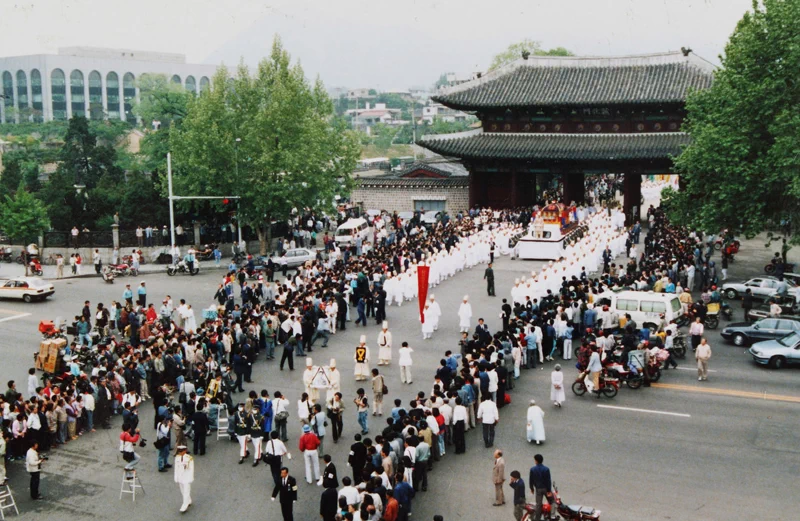
Who Were the Last Residents of Nakseonjae?
The following table details the primary residents who lived in Nakseonjae during the modern era, marking the final chapter of the Joseon royal line.
| Resident Name | Title/Relation | Died In | Historical Context |
|---|---|---|---|
| Empress Sunjeonghyo | Last Empress of Korea | 1966 | The second wife of Emperor Sunjong; lived through the Korean War. |
| Prince Yeongchin (Yi Un) | Last Crown Prince | 1970 | Gojong’s son; returned to Korea after 56 years in Japan. |
| Princess Deokhye | Last Princess of Korea | 1989 | Gojong’s youngest daughter; her life is a symbol of colonial tragedy. |
| Princess Yi Bangja | Crown Princess Consort | 1989 | The wife of Yeongchin; passed away just 9 days after Princess Deokhye. |
Visiting Nakseonjae: Architectural Highlights and Hidden Details
When you visit Nakseonjae today, it serves as a preserved testament to the family’s final years. While it is not a “museum” in the sense of a modern building with exhibits, it remains a living piece of history where you can walk through the actual rooms used by the royals. With the upcoming drama Perfect Crown set to renew interest in the Korean Empire, here are the specific details you should look for:
- Jangnakmun Gate: The main entrance gate features a sign written by Heungseon Daewongun, the powerful father of Emperor Gojong.
- Intricate Latticework: Look closely at the wooden window frames. Nakseonjae is famous for its varied and sophisticated geometric lattice patterns, which are considered the peak of late-Joseon carpentry.
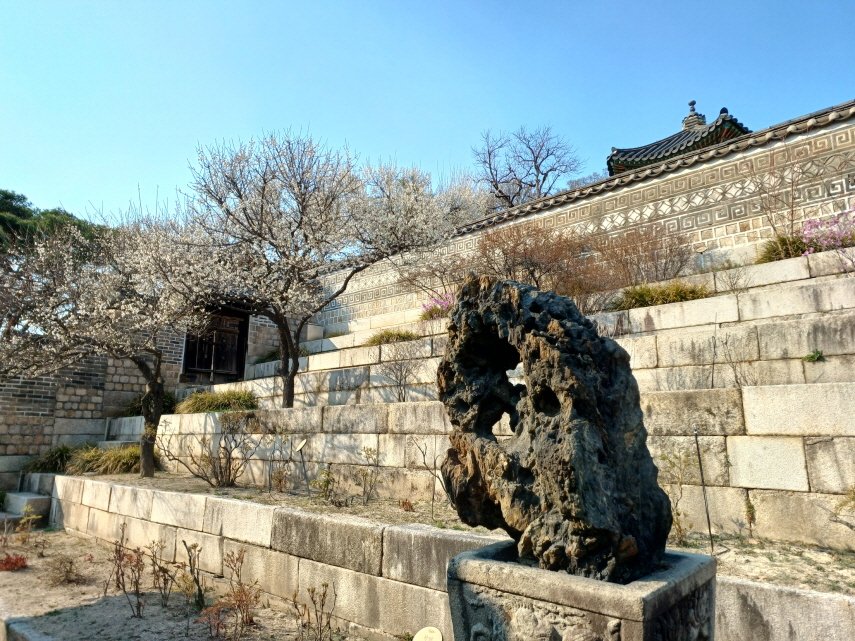
- The Garden Terraces: Behind the buildings, there is a beautiful terraced garden. This was a private space where the women of the family could walk and find peace.
- Symbolism of “Nakseon”: The name Nakseonjae means “a house where one finds joy in goodness,” reflecting the humble philosophy King Heonjong intended for this space.
As you walk through the quiet corridors, imagine the scene in 1989 when the last residents passed away, effectively ending over 500 years of royal presence in the Korean capital. It is a place of profound silence and history.
FAQ
How can I book a tour for the Changdeokgung Secret Garden?
Nakseonjae is open to general palace visitors, but the nearby Secret Garden (Huwon) requires a separate reservation. For a step-by-step guide on the 2026 reservation process, please refer to our guide on How to Book Changdeokgung Secret Garden and Jongmyo Online.
I am planning to visit Gyeongbokgung. Should I also visit Changdeokgung?
Yes, absolutely. While Gyeongbokgung is the grand primary palace, Changdeokgung (where Nakseonjae is located) is a UNESCO World Heritage site known for its natural beauty and the “real” living history of the last royals. The two palaces are only about 1.5 to 2 kilometers apart. You can easily travel between them via a 20-minute walk or a short 5-minute taxi ride. If you are planning your Gyeongbokgung visit, check out our Gyeongbokgung Palace Tour and Hanbok Rental Tips for the best experience.
Is Nakseonjae operated as a separate museum building?
No, Nakseonjae is a historic residential complex within the grounds of Changdeokgung Palace. It is maintained in its original state rather than being converted into a modern museum facility. Visitors can observe the architecture and the lifestyle of the late imperial family from the exterior and designated walkways.
Korean Culture portal KCulture.com

Founder of Kculture.com and MA in Political Science. He shares deep academic and local insights to provide an authentic perspective on Korean history and society.