If the 2nd Generation (Chapter 6) built the bridge to the world, the 3rd Generation didn’t just cross it—they claimed the entire territory. This era represents the “Global Standard” of K-Pop. It’s the period where K-Pop moved from being a “niche Asian subculture” to a “mainstream global force.”
This transformation was fueled by two things: High-concept storytelling (Lore) and the democratization of media through SNS (Social Networking Services).
1. The “Gangnam Style” Catalyst (2012)
Before the 3rd Gen fully took flight, a seismic event occurred in 2012. PSY’s “Gangnam Style” became the first YouTube video to hit 1 billion views.
- The Lesson: It proved that a song sung entirely in Korean could become the #1 song in the world if it had a viral visual component.
- The Aftermath: While PSY was a soloist, his success opened the doors for Western labels to take K-Pop groups seriously. The “invisible wall” around the US market had finally crumbled.

2. BTS: From “Underdogs” to “World’s Biggest Band”
You cannot tell the story of the 3rd Generation without BTS (Bangtan Sonyeondan). Coming from a small, nearly bankrupt agency (Big Hit Entertainment), they bypassed traditional Korean TV gatekeepers and went straight to the fans.
- Communication is Key: They used Twitter and V-Live to show their raw, “unfiltered” selves. They spoke about mental health, the struggles of youth, and self-love—themes that resonated globally.
- The ARMY: They cultivated the most organized and powerful fandom in history. The “ARMY” didn’t just listen to music; they translated lyrics, organized charity events, and drove BTS to the top of the Billboard charts.
- The Breakthrough: Winning the “Top Social Artist” at the 2017 Billboard Music Awards was the official signal that the center of the music world was shifting.
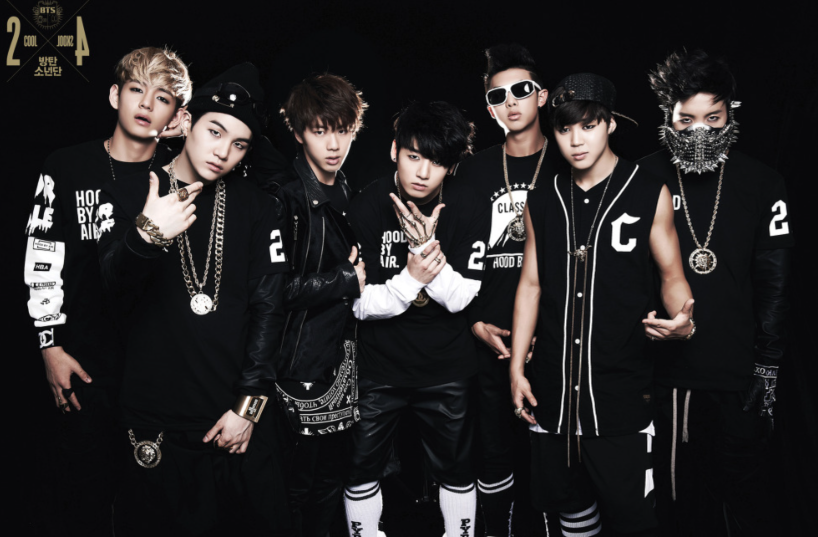
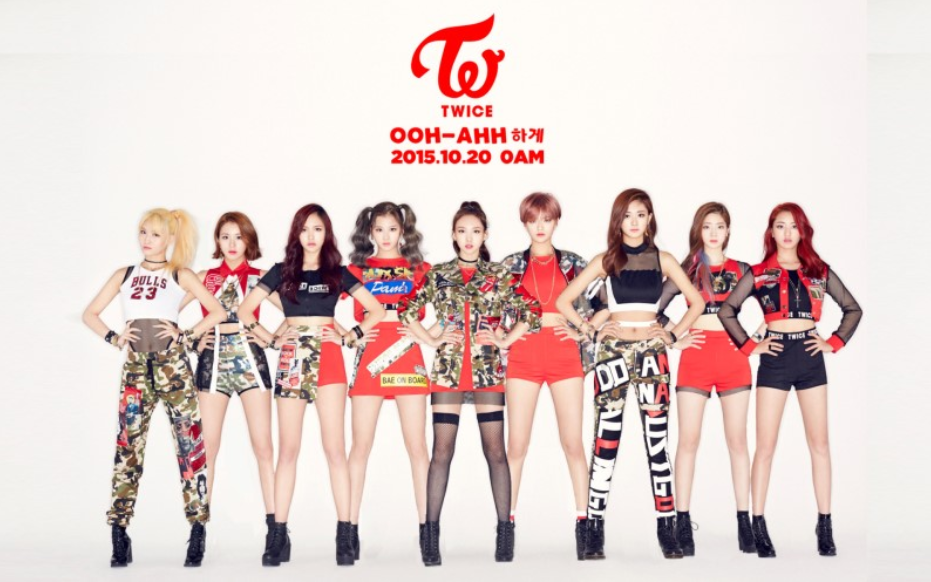
3. The “Big Three” Response: EXO, TWICE, and BLACKPINK
While BTS was rising, the traditional powerhouses were perfecting the “Idol Formula.”
- EXO (The Kings of Lore): SM Entertainment introduced a complex “superpower” mythology for EXO. This “universe” (Lore) made every comeback feel like a movie premiere, encouraging fans to dive deep into theories and hidden meanings.
- TWICE (The Asia’s One Top): JYP Entertainment created a “hit machine.” With members from Korea, Japan, and Taiwan, TWICE became the most successful girl group in Asian history, perfecting the “color-pop” genre—bright, energetic, and visually stunning.
- BLACKPINK (The Global Fashion Icons): YG Entertainment focused on the “Girl Crush” aesthetic on a luxury scale. They didn’t just release music; they became the faces of Chanel, Dior, and Celine. They proved that K-Pop idols were the new “Supermodels” of the world.

4. Technical Evolution: Lore, “Universes,” and Multi-Camera Content
In the 3rd Gen, a “comeback” became a month-long event.
- Storytelling (The BU): The “BTS Universe” or the “EXO Planet” concept meant that music videos were now interconnected. This rewarded “hardcore” fans and turned music consumption into an interactive puzzle.
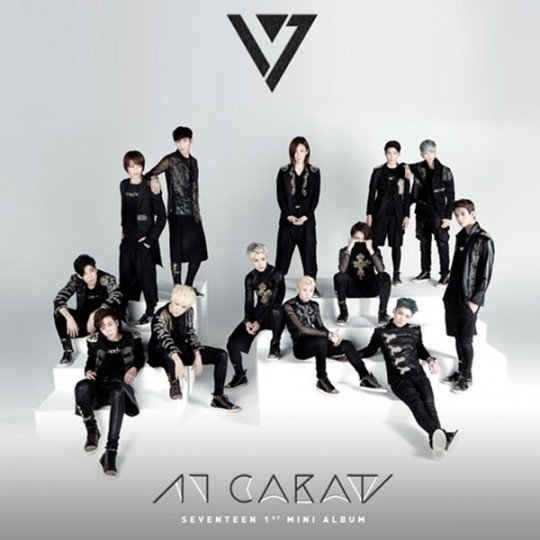
- Self-Production: This era saw a rise in “Self-producing Idols” like SEVENTEEN, who took control of their own choreography and songwriting, adding a layer of authenticity that global fans craved.
- Vertical Cam (Fancams): The “Fancam” revolution allowed fans to watch high-definition, individual-member-focused videos. This personalized the fan experience, allowing everyone to have a “bias” (favorite member).
5. Social Context: K-Pop as a Cultural Movement
This generation was the first to see K-Pop used in political and social activism. Whether it was fans matching a million-dollar donation to Black Lives Matter or using K-Pop to drown out extremist hashtags, the 3rd Gen proved that K-Pop was no longer “just entertainment”—it was a global community.
Summary of the 3rd Generation (2012 – 2017)
| Feature | Details |
| Main Philosophy | Authenticity + Complex Storytelling (Lore) |
| Key Groups | BTS, EXO, BLACKPINK, TWICE, SEVENTEEN, Red Velvet |
| Tech Shift | Twitter, V-Live, Instagram, High-budget Lore MVs |
| Global Milestone | 1st K-Pop Group to win a Billboard Music Award (BTS) |
Kyoung’s Local Insight: > During this time, the “Idol Cafe” culture in Seoul exploded. Fans would rent entire cafes for a member’s birthday, decorating them with photos and custom cup-sleeves. If you walk through Hongdae or Gangnam today, you’ll still see these “Cup-sleeve events.” It’s a beautiful example of how K-Pop fans created their own physical spaces to celebrate their community.
As the 3rd Gen reached its peak, a new group of “Digital Natives” was preparing to enter the scene. They were born into a world where K-Pop was already global, and they were ready to take the “Meta” to the next level.
Ready for Chapter 8: “The Digital Natives – 4th Generation & The Performance Revolution”?
💡 Go to related article
- The Grand Odyssey of K-Pop: A Century of Rhythm, Resilience, and Revolution
- Chapter 1: The Colonial Roots & The Soul of Trot – Where K-Pop’s Heartbeat Began
- Chapter 2: The US 8th Army Era & The Kim Sisters – The Neon Lights of a New Frontier
- Chapter 3: The “Jeans and Guitars” Revolution – Youth, Resistance, and the King (1970s – 1980s)
- Chapter 4: The Golden Age of Ballads & the 1988 Seoul Olympics – A Nation Finds Its Voice (1980s – 1990s)
- Chapter 5: The Seo Taiji Revolution & the 1st Generation Idols – The Big Bang of Modern K-Pop (1990s – Early 2000s)
- Chapter 6: The Hook Song Era & Hallyu 2.0 – When K-Pop Became a Digital Virus (Mid-2000s – Early 2010s)
- Chapter 8: The Digital Natives – 4th Generation & The Performance Revolution (2018 – 2022)
- Chapter 9: The 5th Generation – The Era of Naturalism & Hyper-Globalization (2023 – Present)
- Chapter 10: The Future of K-Pop – Beyond the Stage and Into the Multiverse (2030 & Beyond)

A lifestyle writer covering K-beauty, fashion, and art. Kyoung shares honest insights on K-pop and smart shopping, capturing the vibrant trends of modern Korea.