Seoul’s Royal Heritage and Urban Charm: A Cultural Journey
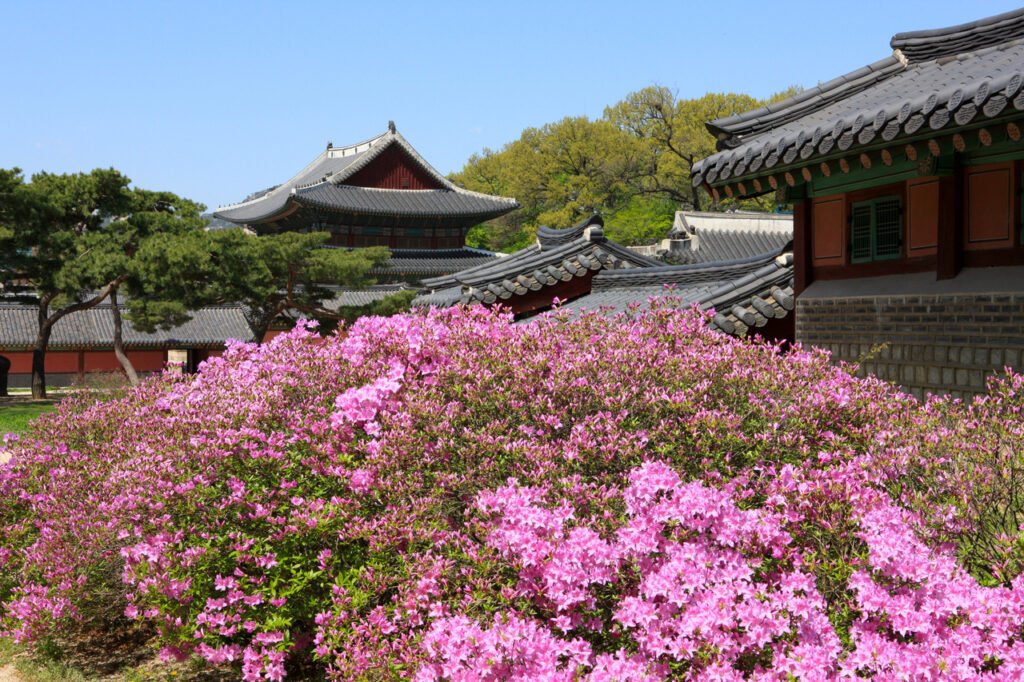
Gyeongbokgung Palace stands, a magnificent testament to royal dynasties, its intricate eaves and vast courtyards echoing with untold stories, each stone infused with the spirit of kings and queens. Here, history isn’t just observed; it’s felt, a profound connection across centuries. As midday calls, the promise of warmth and authentic flavor awaits in Samcheong-dong, perhaps a comforting bowl of Sujebi or a taste of Suwarae, nourishing not just the body but the very soul with Korean hospitality.
Our journey continues through the National Folk Museum, a loving gaze into the lives of generations past, understanding the rhythm of a nation’s heart through its everyday treasures. Then, a magical transition to Bukchon Hanok Village, where the elegant lines of traditional homes stand preserved against the modern sky, a breathtaking tableau of enduring beauty and quiet dignity. Each alleyway here seems to hum with nostalgia, a serene invitation to wander.
Finally, the vibrant embrace of Insadong, a dynamic marketplace where art, tradition, and contemporary life dance in joyful harmony. Here, the spirit of Korea pulses with creative energy, a perfect culmination of a journey that touches both the mind and the deepest parts of the heart. This is not merely a trip; it is an awakening, a profound dialogue with a city that lives vibrantly in its past and its present.
Travel Tips for Seoul’s Royal Heritage and Urban Charm: A Cultural Journey
- Wear comfortable walking shoes: This journey involves extensive walking between historical sites and through traditional villages, as well as along Cheonggye Stream.
- Stay hydrated and bring snacks: Keep water and light snacks handy, especially during the longer walks and while exploring large areas like Gyeongbokgung Palace and Bukchon Hanok Village.
- Embrace public transportation: Seoul’s subway system is efficient and widely covers all mentioned locations, making it the best way to navigate between sites.
🛑 Course Itinerary
- Cheonggye Stream
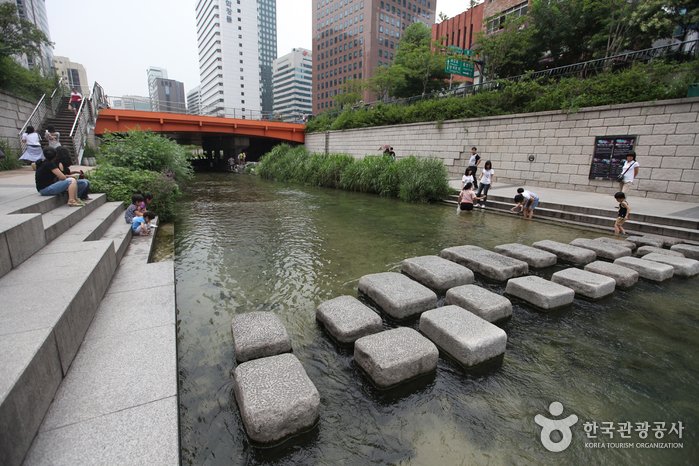
Cheonggye Stream originates at Cheonggye Plaza in Sejong-ro, with its initial restored section spanning 160m long and 50m wide from the Dong-A Ilbo Building to Sindap Railway Bridge. This area is adorned with fountains, waterfalls, a miniature Cheonggyecheon, and various pathways, serving as a symbol of restoration and a place to wish for harmony, peace, and reunification. - Gyeongbokgung Palace
Gyeongbokgung Palace was built in 1395 by King Taejo Yi Seong-gye as the main royal palace of the new Joseon Dynasty. It boasts the largest scale and architectural beauty among the five grand palaces and was also known as ‘Bukgwol’ (Northern Palace) due to its northern location. - Lunch (Samcheong-dong Sujebi, Suwarae)
Samcheong-dong Sujebi is a beloved spot along a scenic, tree-lined street, famous for its hearty sujebi soup filled with pumpkin, clams, and potatoes. Suwarae offers a diverse menu of Italian dishes in a unique, art-inspired interior with warm lighting, making it a popular choice for couples and women’s gatherings. - National Folk Museum
The National Folk Museum, located within Gyeongbokgung Palace, is Korea’s only national comprehensive museum specializing in folk life history, showcasing over 4,000 artifacts related to traditional Korean lifestyles. It serves as a center for the research, collection, and preservation of folk culture, offering cultural education and diverse exhibitions to foster a proper understanding of traditional culture and instill national pride. - Bukchon Hanok Village
Bukchon Hanok Village is a historic residential area nestled between Gyeongbokgung, Changdeokgung, and Jongmyo, preserving 600 years of Seoul’s traditional past. Its distinctive branching alleyways dramatically showcase the city’s ancient landscape, where visitors can now experience Joseon Dynasty culture through traditional centers and hanok restaurants. - Insadong
Insadong is a treasured urban space where old yet valuable traditional items are exchanged, its main street surrounded by a maze of alleys. These alleys are densely packed with galleries, traditional craft and antique shops, tea houses, and restaurants, all possessing a unique charm that appeals to both young and middle-aged visitors.
🗺️ Route Map
SeoulRoyalJourney
UrbanSeoulCharm
KoreanHeritageTour
PalaceCityExplore
SeoulCultureMix
HistoricSeoulVibes
ModernTraditionSeoul
SeoulPalaceLife
DynamicSeoulHistory
RoyalUrbanSeoul

The KCulture Editorial Team is dedicated to providing deep insights and accurate information about the vibrant world of Korean culture.