Have you looked at your camera roll lately? In an era where “Instagrammable” aesthetics are just as important as taste, Korean cuisine stands out as a masterpiece of color and wellness. Obangsaek (오방색) is the traditional Korean color spectrum of five symbolic hues—Yellow, Blue, Red, White, and Black—that harmonizes nutrition and philosophy to create the ultimate healing diet.
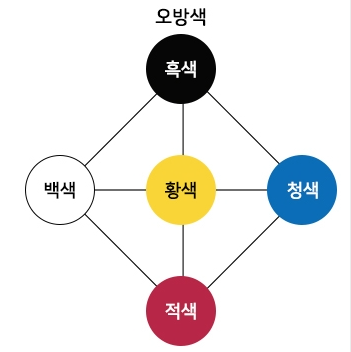
The Philosophy of Color: What is Obangsaek?
Living in Korea, I often find that food is never just food. It is a reflection of the universe. The concept of Obangsaek stems from the theory of Yin and Yang and the Five Elements (Eumyang Ohaeng). Our ancestors believed that the universe, nature, and humanity should coexist in perfect balance.
By incorporating these five colors into a single meal, Koreans have historically sought to consume the energy of the entire universe, ensuring longevity and protection from misfortune. According to data from the Korea Food Research Institute, this traditional approach aligns perfectly with modern “color food” nutrition, where diverse phytochemicals provide comprehensive health benefits.
The Five Colors and Their Meanings
| Color | Element | Symbolism | Health Benefits | Key Ingredients |
| Blue (Green) | Wood | Life, Creation | Liver & Eye health, anti-aging | Spinach, Cucumbers, Green Onions |
| Red | Fire | Passion, Protection | Heart health, blood purification | Red Chili, Tomatoes, Red Beans |
| White | Metal | Purity, Truth | Respiratory system, immunity | Radish, Onions, Garlic, Rice |
| Black | Water | Wisdom, Vitality | Kidney health, detox, immunity | Black Beans, Seaweed, Wood Ear Mushrooms |
| Yellow | Earth | Balance, Center | Digestion, stomach health | Egg Yolk, Pumpkin, Carrots |
Why You Should Eat the Rainbow: Benefits of Obangsaek
As someone who holds certifications in Korean cooking and confectionery, I can tell you that the magic isn’t just in the presentation. Each color represents different phytochemicals that work synergistically.
- Nutritional Synergy: By eating all five colors, you naturally consume a balanced profile of vitamins, minerals, and antioxidants without needing a supplement bottle.
- Immune Boosting: Red and Black foods, in particular, are powerhouses for strengthening the body’s natural defenses.
- Digestive Harmony: Yellow foods are famously known in Korea to “warm the stomach,” aiding in smooth digestion.
- Mental Wellness: Let’s be honest—a vibrant, colorful plate makes you happy! The visual satisfaction of a colorful meal increases satiety and psychological joy.
Iconic Obangsaek Dishes You Must Try
If you want to experience this harmony on a plate, look for these traditional favorites. They aren’t just delicious; they are a tribute to Korean heritage.
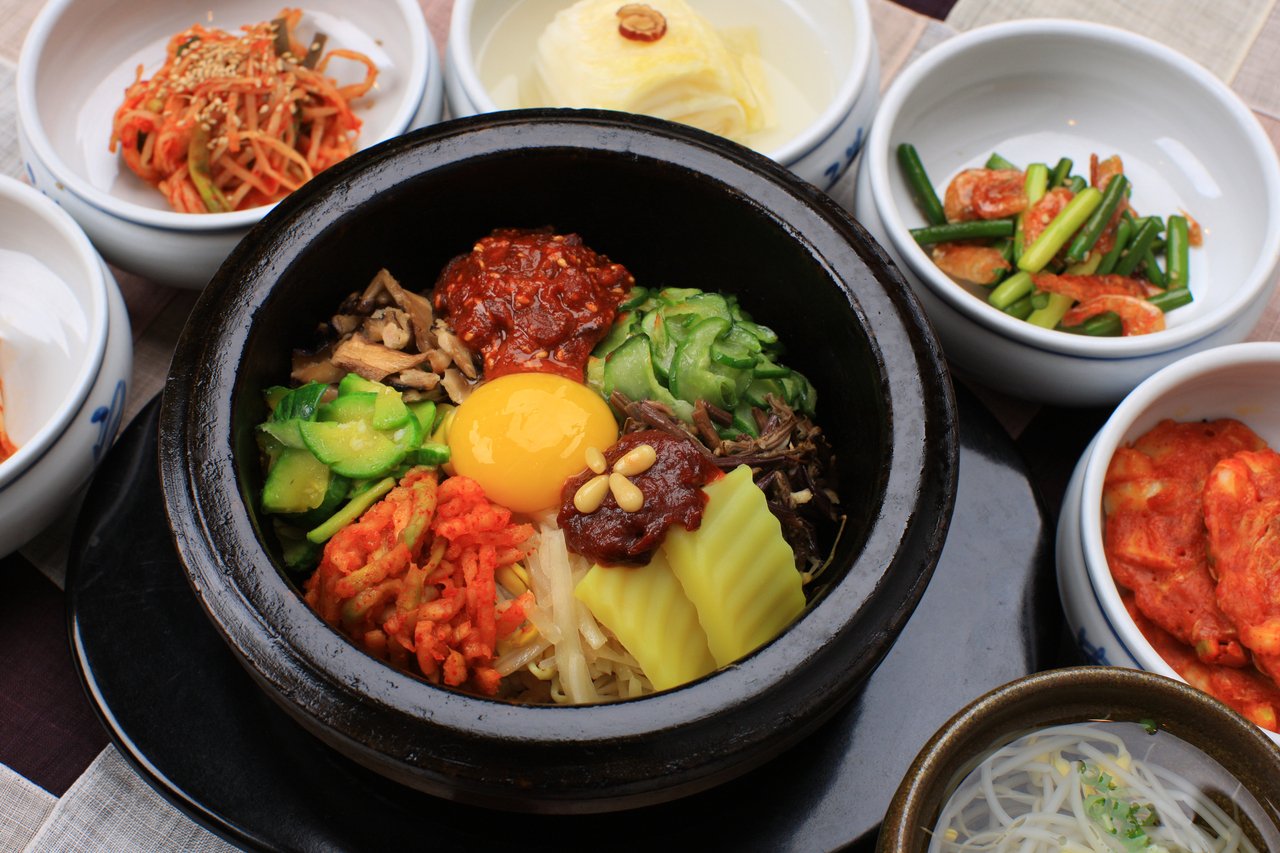
1. Bibimbap (Mixed Rice)
The ultimate Obangsaek ambassador! Traditionally, it features a yellow egg yolk at the center, surrounded by green vegetables, red gochujang, white rice, and black mushrooms. It’s a literal bowl of balance.
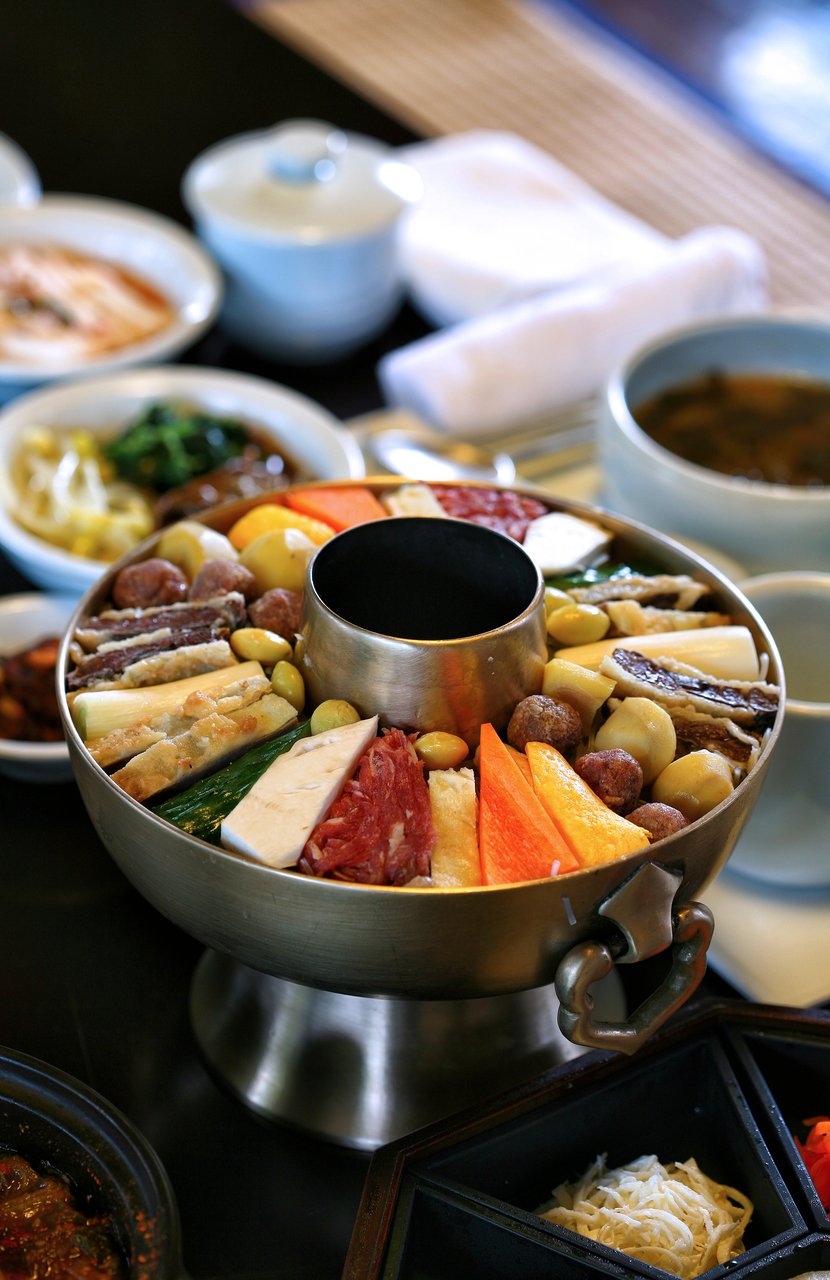
2. Sinseollo (Royal Hot Pot)
Once reserved for royalty, this elaborate hot pot uses ingredients like walnuts (Yellow), watercress (Blue/Green), meatballs (Red), codfish fillets (White), and rock tripe mushrooms (Black) to create a luxurious visual and nutritional feast.
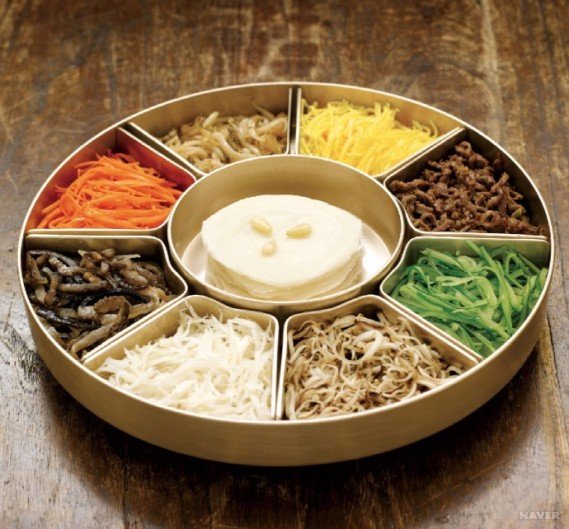
3. Gujeolpan (Platter of Nine Delicacies)
A dish symbolizing harmony. Eight different colorful ingredients (carrots, cucumbers, mushrooms, eggs, etc.) are wrapped in a thin white wheat crepe (miljeonbyeong). It’s the pinnacle of “aesthetic” Korean dining.
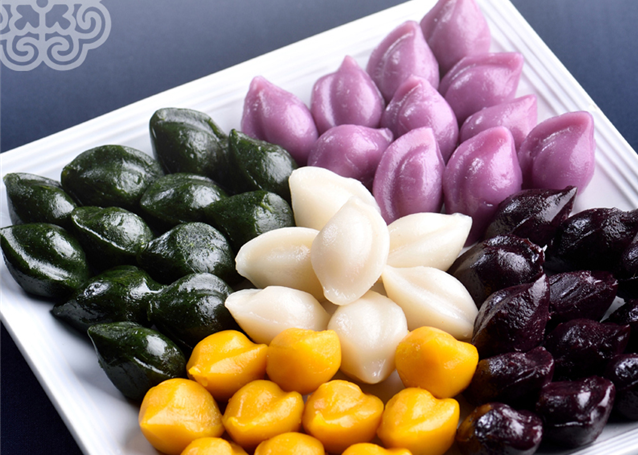
4. Osaek Songpyeon (Five-Color Rice Cakes)
Usually enjoyed during Chuseok (Korean Thanksgiving), these rice cakes are naturally dyed using ingredients like mugwort (Green), pumpkin (Yellow), and dried berries (Red) to wish for a healthy and vibrant life.
A Local Expert’s Tip 💡
“In Korea, we say ‘A food that looks good, tastes good’ (보기 좋은 떡이 먹기도 좋다). But Obangsaek goes deeper—it’s about eating with intention. Next time you open your fridge, check if you have all five colors represented. It’s the easiest way to ensure your body is getting exactly what it needs!”

A certified Korean chef and baker. Min shares authentic tastes of Korea, from hidden local gems to traditional recipes and everyday lifestyle.