If the 3rd Generation (Chapter 7) was about “Global Domination,” the 4th Generation was about “Redefining the Boundaries.” This era belongs to the “Digital Natives”—idols who debuted in a world where K-Pop was already a global mainstream genre.
However, they faced a challenge no previous generation had: The Global Pandemic. This forced a radical shift in how music was consumed, leading to the rise of “Metaverse” concepts, TikTok-driven marketing, and a level of performance complexity that borders on superhuman.
1. Born in a Borderless World
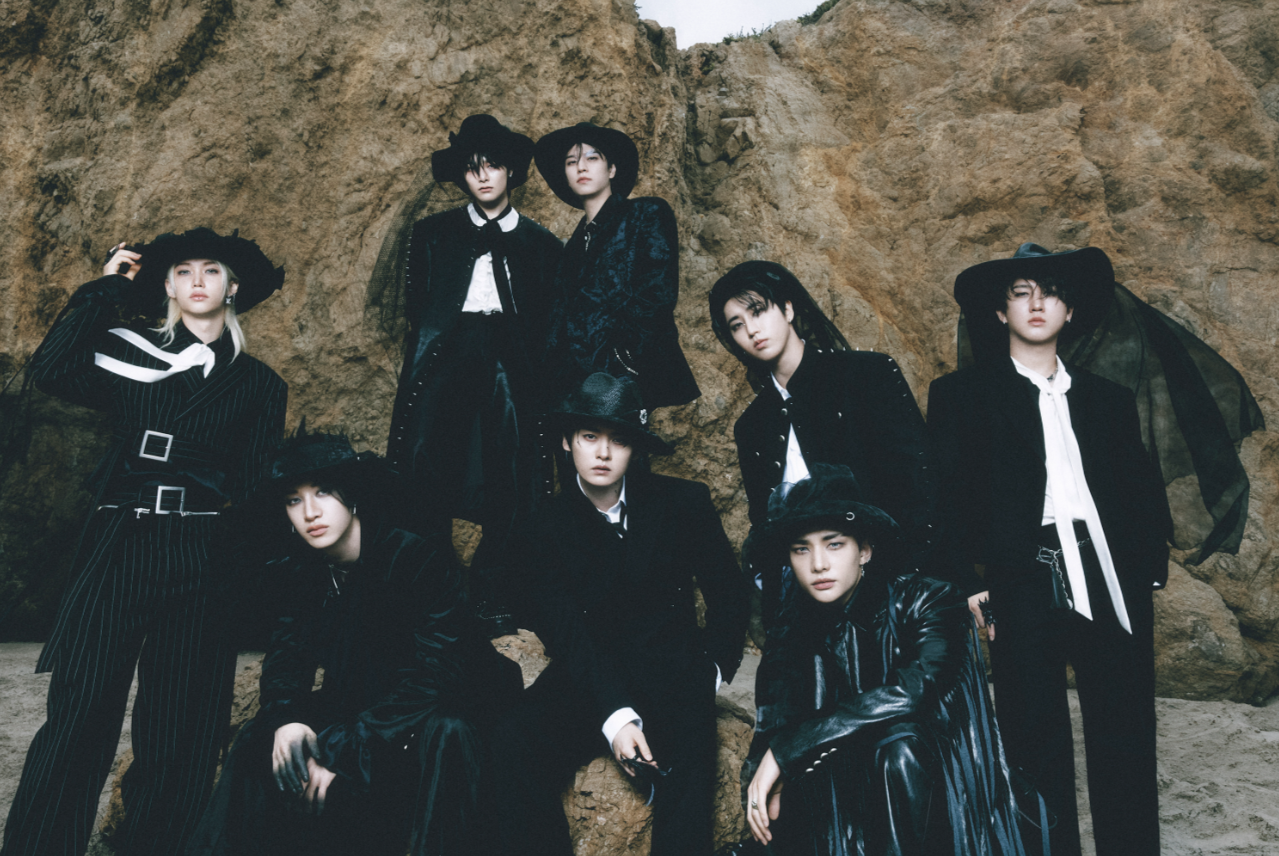
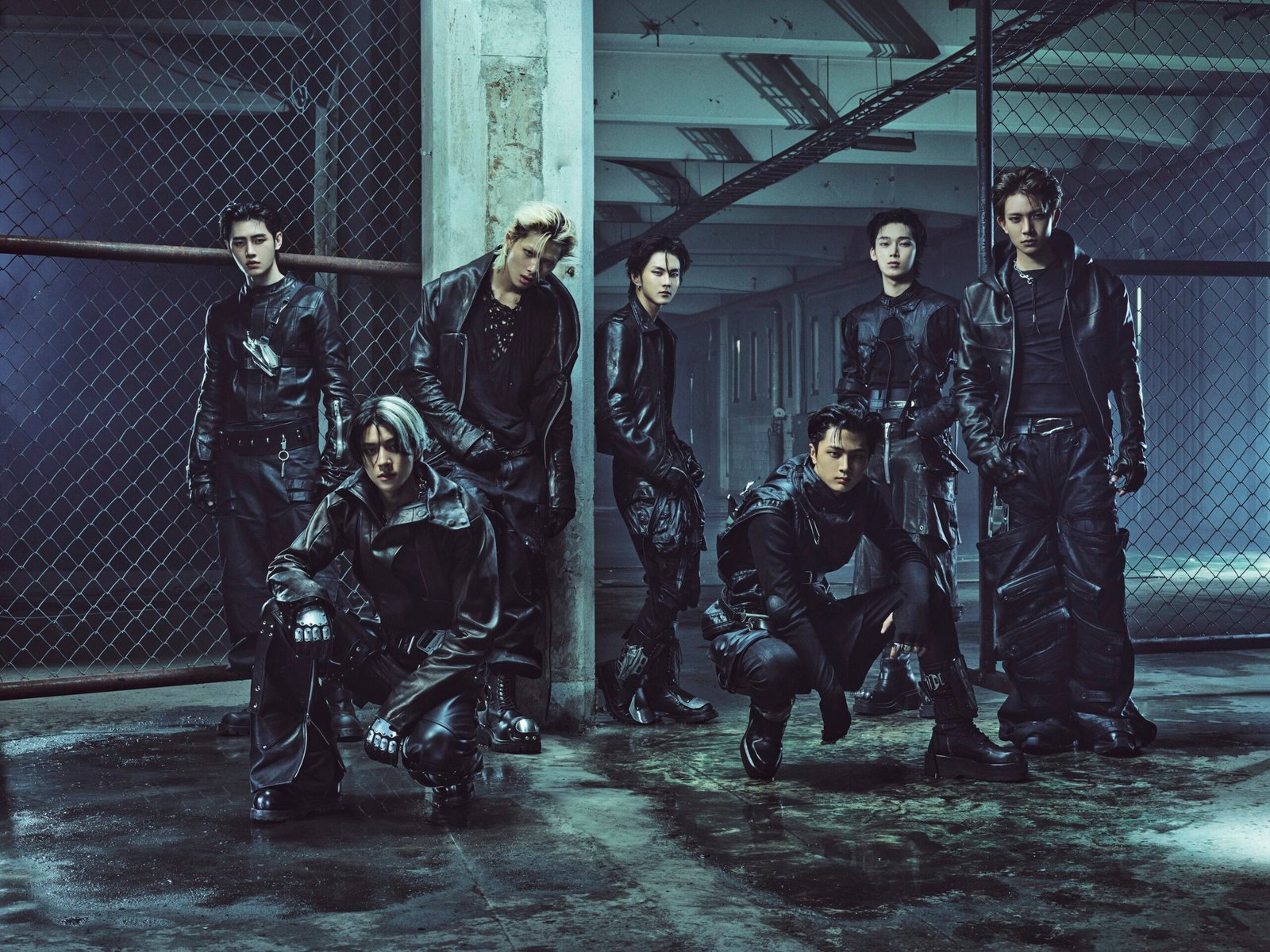
For 4th-gen groups, the “Overseas Market” was no longer a secondary goal; it was the Day One goal. * Global Casting: Agencies began scouting talent globally from the start. Groups like Stray Kids and ENHYPEN featured members with diverse backgrounds, making their music feel “locally familiar” yet “K-Pop polished” to fans in English-speaking and Spanish-speaking countries.
- Genre-Bending: 4th-gen music moved away from traditional pop structures. It embraced “Noise Music” (a term fans use affectionately for high-energy, experimental electronic sounds), Hyper-pop, and futuristic R&B.
2. The Pandemic Era: From “Live” to “Virtual”
When the world shut down in 2020, K-Pop didn’t stop—it went Virtual.
- Beyond LIVE: Led by SM Entertainment, the industry pioneered the “paid online concert” with AR (Augmented Reality) effects. Fans could see giant dragons flying over the stage or idols performing in digital cities while sitting in their living rooms.
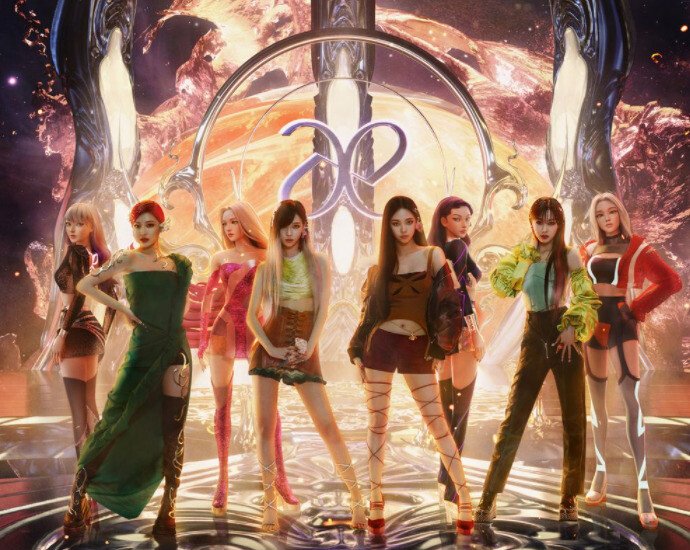
- The Rise of Metaverse Idols: aespa changed the game by debuting with four human members and four “ae” (AI avatars). Their concept of the “SMCU” (SM Culture Universe) took the “Lore” of the 3rd Gen and turned it into a full-blown sci-fi epic.
- TikTok & Challenges: With no live concerts, the “Dance Challenge” became the primary way to promote. Zico’s “Any Song” and later hits by ITZY and TXT were designed with “point moves” specifically for short-form video, making “virality” a science.
3. The Performance Revolution: “The Harder, The Better”
If the 2nd Gen had catchy “point dances,” the 4th Gen introduced “Extreme Choreography.”
- Stray Kids & ATEEZ: Known as the “Performance Leaders,” these groups introduced a raw, intense, and theatrical style of dance. Their stages are often described as “Marathons,” involving complex formations and high-level acrobatics.
- Self-Production 2.0: Groups like Stray Kids (3RACHA) took self-production to a new level, writing and producing nearly their entire discography to ensure a “unique sonic brand” that stands out in a crowded market.
4. The “Girl Group” Renaissance
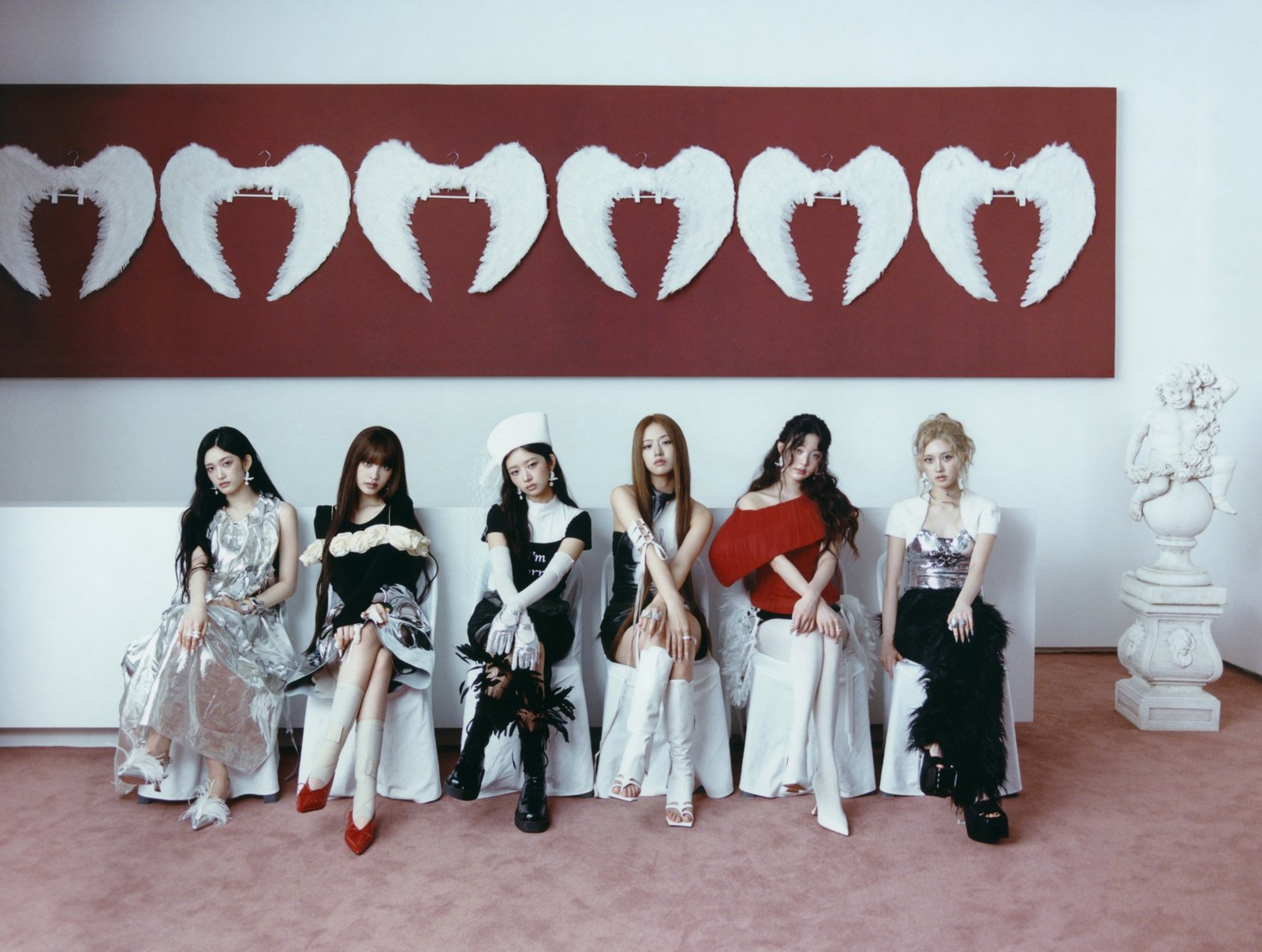
Towards the end of the 4th Gen (2021-2022), the industry saw an unprecedented explosion of powerful female rookies.
- IVE & LE SSERAFIM: These groups moved away from the “cute” or “fierce” tropes, focusing on themes of “Self-Love” and “Fearlessness.”
- NewJeans (The Game Changer): Just as music was getting faster and louder, NewJeans arrived with a “Y2K Nostalgia” and “Easy Listening” sound. Their debut was a cultural reset in Seoul, bringing back the baggy jeans, long straight hair, and the lo-fi aesthetic of the late 90s.
5. Fandom 4.0: Communication Apps & Digital Collectibles
The way fans interacted with idols became 1-on-1.
- Bubble & Weverse: Platforms like Lysn Bubble allowed fans to receive “private” texts from idols. This created a hyper-personal connection that fueled extreme loyalty.
- Photocard Mania: The “Photocard” became the new currency of K-Pop. Fans began collecting, trading, and “decorating” (Polco) these cards, turning a simple physical bonus into a multi-million dollar secondary market.
Summary of the 4th Generation (2018 – 2022)
| Feature | Details |
| Main Philosophy | Experimentalism / Virtual Connectivity / Self-Confidence |
| Key Groups | Stray Kids, TXT, aespa, ITZY, IVE, NewJeans, LE SSERAFIM, ENHYPEN |
| Tech Shift | TikTok, Metaverse (AR/VR), Discord, Communication Apps |
| Visual Trend | Y2K Aesthetic / Cyberpunk / High-Fashion Brand Ambassadors |
Kyoung’s Local Insight: > If you walk through the Seongsu-dong district (the “Brooklyn of Seoul”), you’ll see the 4th Gen influence everywhere. This generation isn’t just about music; they are “Lifestyle Icons.” The fashion you see in NewJeans’ music videos—oversized jerseys and vintage tech—is exactly what the youth in Seoul are wearing right now.
As we transitioned out of the pandemic, a new generation began to emerge—one that is even more “natural,” “global,” and “AI-integrated.”
Are you ready for Chapter 9: “The 5th Generation – 2023 to the Present (The Era of Naturalism & Global Groups)”?
💡 Go to related article
- The Grand Odyssey of K-Pop: A Century of Rhythm, Resilience, and Revolution
- Chapter 1: The Colonial Roots & The Soul of Trot – Where K-Pop’s Heartbeat Began
- Chapter 2: The US 8th Army Era & The Kim Sisters – The Neon Lights of a New Frontier
- Chapter 3: The “Jeans and Guitars” Revolution – Youth, Resistance, and the King (1970s – 1980s)
- Chapter 4: The Golden Age of Ballads & the 1988 Seoul Olympics – A Nation Finds Its Voice (1980s – 1990s)
- Chapter 5: The Seo Taiji Revolution & the 1st Generation Idols – The Big Bang of Modern K-Pop (1990s – Early 2000s)
- Chapter 6: The Hook Song Era & Hallyu 2.0 – When K-Pop Became a Digital Virus (Mid-2000s – Early 2010s)
- Chapter 7: The Global Domination – 3rd Generation & the Social Media Revolution (2012 – 2017)
- Chapter 9: The 5th Generation – The Era of Naturalism & Hyper-Globalization (2023 – Present)
- Chapter 10: The Future of K-Pop – Beyond the Stage and Into the Multiverse (2030 & Beyond)

A lifestyle writer covering K-beauty, fashion, and art. Kyoung shares honest insights on K-pop and smart shopping, capturing the vibrant trends of modern Korea.