Timeless Seoul: Palaces, Hanoks, & Culinary Delights from Insadong to Jongmyo
The adventure began in the embrace of Insadong, where the scent of aged paper and traditional teas hung heavy in the air, a gentle overture to the grand symphony of heritage. Here, among the scrolls and pottery, the very spirit of Korea seemed to gather, a tender hand guiding me away from the present and into a landscape of quiet dignity. Then, ascending to Bukchon Hanok Village, the world transformed. Each curving eaves, each weathered gate, told tales of generations, a serene tableau of tradition nestled amidst the urban sprawl. My steps softened, my breath caught, as I wandered the narrow lanes, feeling the silent reverence of a preserved past.
The midday chill was chased away by the comforting warmth of Hwangsaengga Kalguksu, its hearty broth a balm for the soul, a taste of authentic kindness that fueled the spirit. Later, the subtle artistry of Soseonjae offered another culinary delight, a moment of quiet reflection, connecting me to the simple, profound pleasures of Korean life.
With renewed vigor, I stepped through the gates of Changgyeonggung Palace, a place steeped in both splendor and sorrow. Its graceful lines and serene courtyards spoke of royal lives, of ambition and loss, love and intrigue. The whispers here were clearer, the shadows deeper, each pavilion a silent witness to centuries of human drama, leaving an indelible imprint on my spirit.
Finally, the journey led to Jongmyo, a UNESCO World Heritage Site, a place of such profound sanctity it stilled my very being. Here, amidst the austere beauty of the ancestral shrine, time dissolved. The solemn grandeur, the quiet dignity of the hallowed grounds, evoked a reverence that transcended understanding. It was a space where the veil between worlds felt thinnest, where ancestors communed with the present, a powerful, emotional crescendo to a journey that etched Seoul not just onto my memory, but onto my very soul. This was not just a city; it was an enduring heartbeat, a timeless embrace.
Travel Tips
- Wear comfortable shoes, as exploring areas like Bukchon Hanok Village involves hills and considerable walking between sites.
- Allow ample time for each location, especially Jongmyo Shrine, to fully appreciate its history and tranquility.
- Be open to trying local culinary delights beyond the suggested lunch spots; Insadong offers many traditional tea houses and snack vendors.
🛑 Course Itinerary
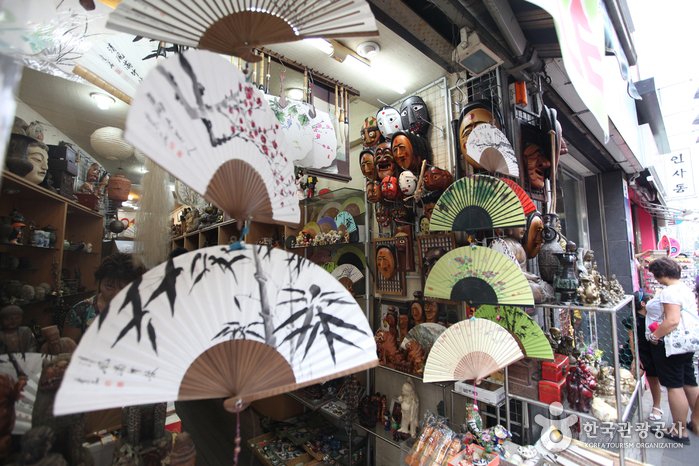
- Insadong
Insadong is a precious urban space known for its exchange of old yet valuable traditional goods, featuring a main street and intricate, maze-like alleys. These alleys are densely packed with popular galleries, traditional craft and antique shops, tea houses, and cafes, with galleries particularly forming the core of Insadong’s heritage. - Bukchon Hanok Village
Bukchon Hanok Village, historically known as an aristocratic neighborhood, features well-preserved Joseon Dynasty tiled-roof houses that reflect upper-class architectural styles. While originally consisting of only a few large homes and about 30 hanoks, the village expanded to its present size during the late Japanese colonial period and after the Korean War. - Lunch (Hwangsaengga Kalguksu, Soseonjae)
Lunch begins at Hwangsaengga Kalguksu, a specialty restaurant praised for its kalguksu and exquisite king dumplings made with a mother’s skill. Following this, Soseonjae (formerly Joanne Lee’s Restaurant) offers a refined Korean course meal featuring wild herbs and 10-year-aged medicinal doenjang. - Changgyeonggung Palace
Changgyeonggung Palace originated as Sugang Palace, built by King Sejong in 1418 for King Taejong, and was later expanded and renamed by King Seongjong to house queens dowager. It has a tumultuous history, having been destroyed in various wars and serving as the setting for many tragic royal tales, including those of Queen Inhyeon, Jang Hui-bin, and Crown Prince Sado. - Jongmyo [UNESCO World Heritage Site]
Jongmyo is the principal royal ancestral shrine of the Joseon Dynasty, housing the spirit tablets of its successive kings and queens. This extensive complex hosted the Jongmyo Daeje, the Royal Ancestral Ritual, a paramount national ceremony that was fundamental to the dynastic governing order.
🗺️ Route Map
#TimelessSeoul
#SeoulPalaces
#HanokExperience
#SeoulFoodTour
#InsadongDelights
#JongmyoHistory
#DiscoverSeoul
#KoreanHeritage
#SeoulCulture
#TasteOfSeoul

The KCulture Editorial Team is dedicated to providing deep insights and accurate information about the vibrant world of Korean culture.