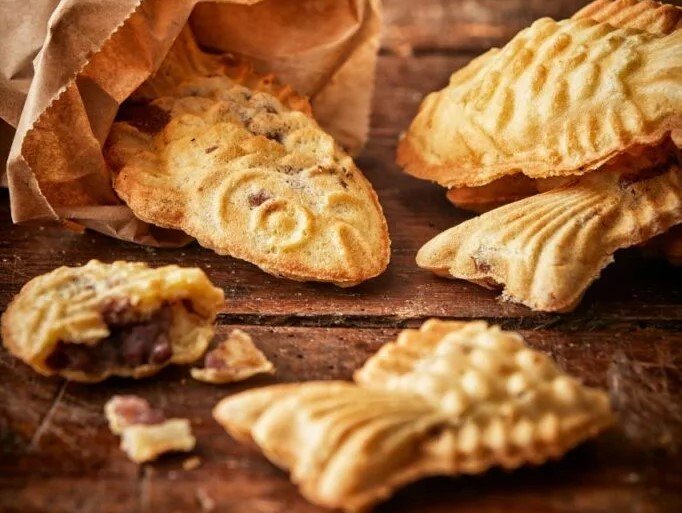
The Quick Bite: From world-famous “premium” strawberries to the crunchy, honey-sweet Korean pear, Korea offers a fruit-tasting experience unlike any other. In this guide, I’ll walk you through the top 5 fruits you must try when visiting, explaining their unique profiles, peak seasons, and why they’ve become global sensations.
Hello there! As someone living in Korea who spends a lot of time in the kitchen (and even more time at local markets!), I can tell you that fruit here isn’t just a snack—it’s a luxury experience. With my background in Korean culinary arts and baking, I’ve developed a bit of an obsession with the texture and sugar content (Brix) of our local harvests.
If you think you know what an apple or a pear tastes like, think again! Korea’s distinct four seasons and advanced farming techniques create flavors that are incredibly concentrated. Ready to go on a juicy journey?
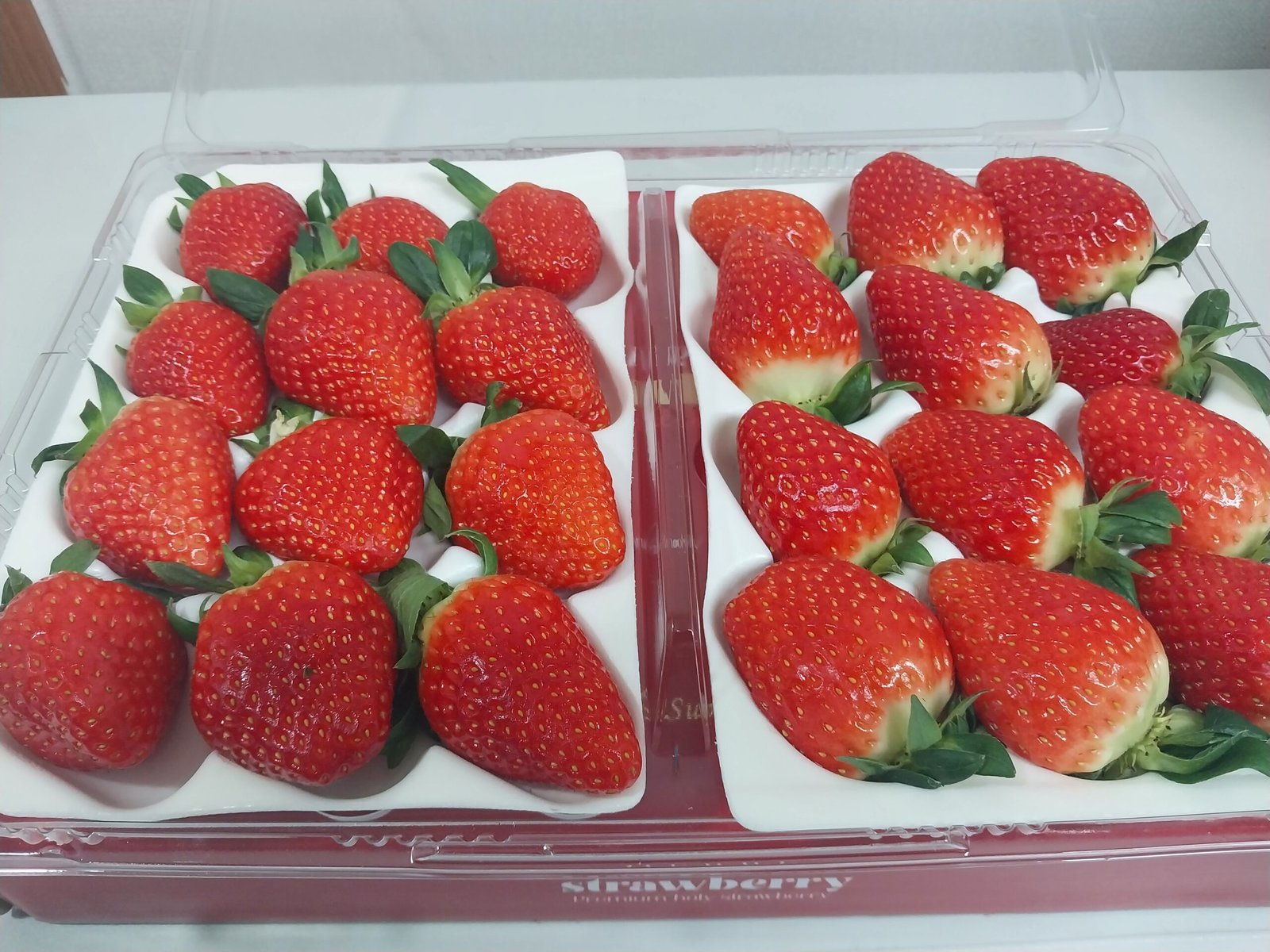
1. Korean Strawberries (Ttalgi) – The “Premium” Red Diamond
You might have seen these in high-end boutiques in Singapore or Bangkok. Korean strawberries are legendary for their intense fragrance and “melting” texture.
- Why it’s special: Unlike many Western varieties bred for durability during transport, Korean strawberries (like the Seolhyang variety) are bred for sweetness and a soft, juicy bite. They are significantly sweeter and less acidic than most global counterparts.
- Flavor & Nutrition: They taste like a mix of honey and floral nectar. High in Vitamin C and antioxidants, they are the perfect “beauty food.”
- Best Time to Eat: December to April. (Winter strawberries are actually the sweetest!)
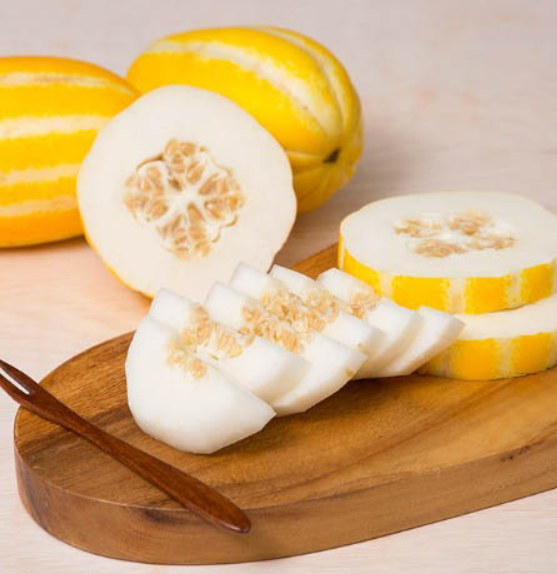
2. Korean Melon (Chamoe) – Korea’s Iconic Yellow Wonder
If you see a bright yellow, striped melon that looks like a miniature rugby ball, you’ve found a Chamoe. It’s a fruit that is almost uniquely Korean!
- Why it’s special: Visitors are often surprised that you eat the seeds! The middle part (the placenta) is the sweetest area. It has the crunch of a cucumber but the sweetness of a honeydew melon.
- Flavor & Nutrition: Refreshing, crisp, and hydrating. It’s rich in folic acid and potassium, making it the ultimate summer cooler.
- Best Time to Eat: May to August.
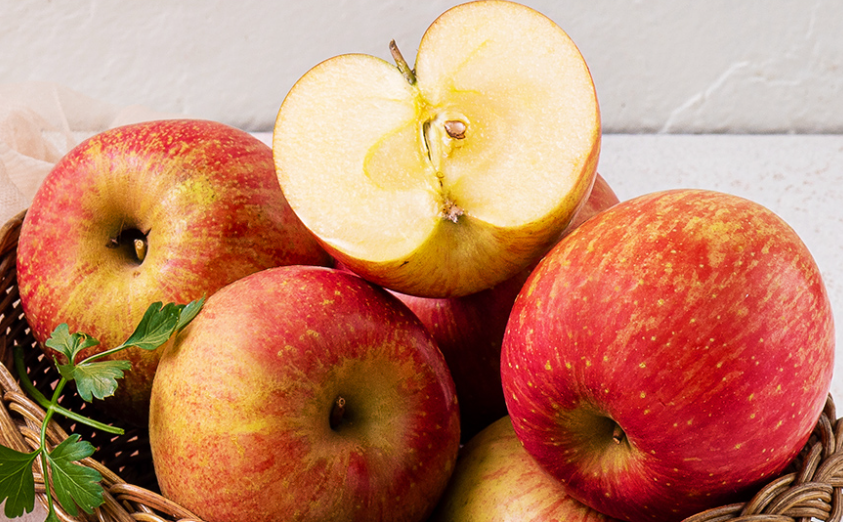
3. Korean Apples (Sagwa) – The King of Crunch
Korean apples, particularly the Fuji types grown in mountainous regions like Cheongsong or Chungju, are massive, dense, and incredibly snappy.
- Why it’s special: The high temperature difference between day and night in Korea’s autumn makes these apples exceptionally firm and sugary. They often have “honey cores” (water cores) where the nectar is visible inside the flesh.
- Flavor & Nutrition: A perfect balance of tart and sweet with a satisfying “crack” when you bite in. Great for digestion thanks to high fiber and pectin.
- Best Time to Eat: October to January.
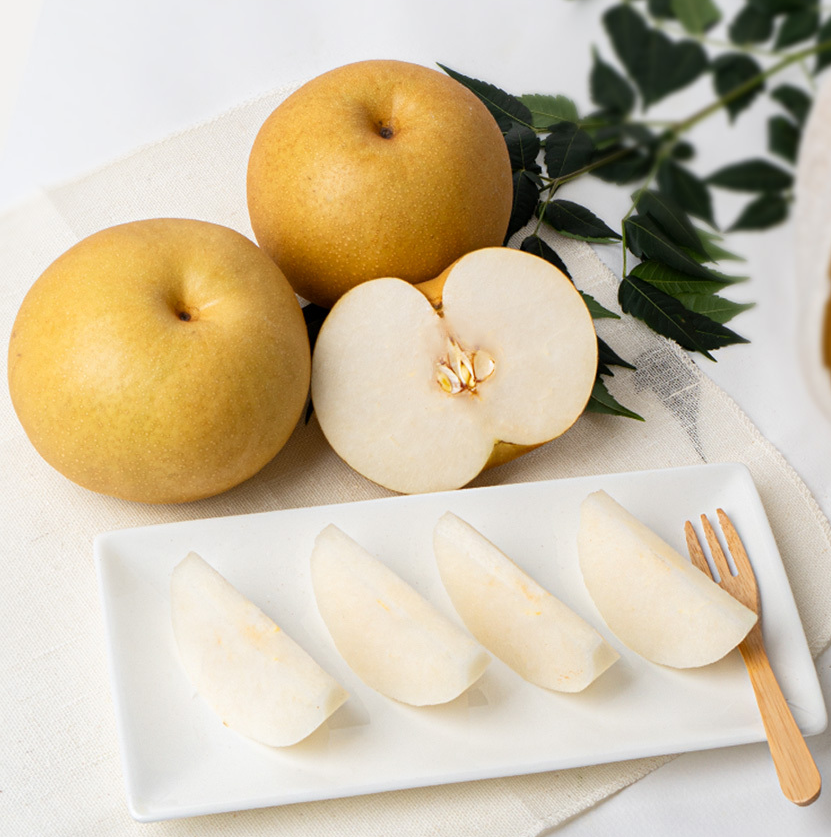
4. Korean Pear (Bae) – The Ultimate Hydration Station
Forget the gritty, soft, pear-shaped fruit you might find elsewhere. Korean pears are large, round, brown, and look more like giant apples.
- Why it’s special: They are incredibly juicy—almost like eating a solid glass of cold water. In Korea, we often use pear juice in meat marinades (like Bulgogi) because their natural enzymes tenderize the meat perfectly.
- Flavor & Nutrition: Mildly sweet and cooling. Locally, we eat them to soothe sore throats and help with hangovers!
- Best Time to Eat: September to November (The Chuseok holiday season).
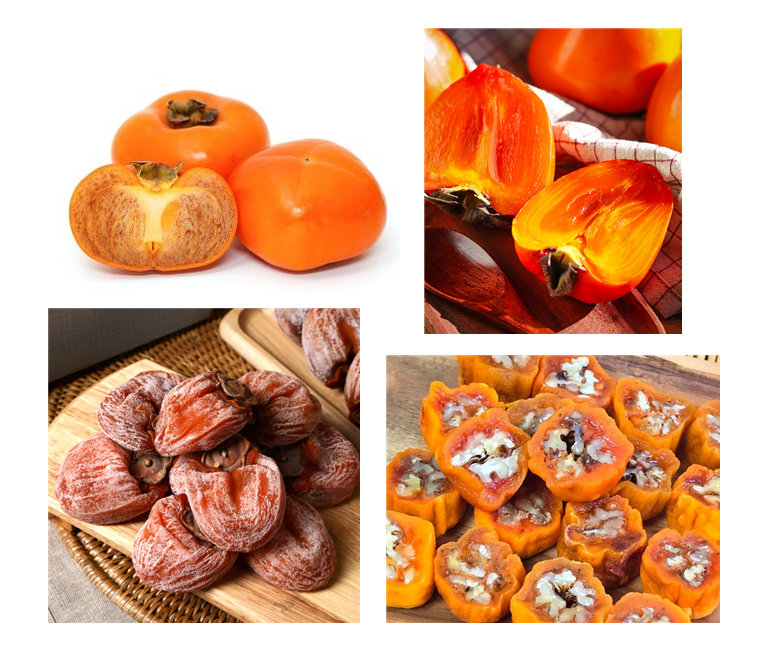
5. Persimmons (Gam) – One Fruit, Three Personalities
The Korean persimmon is a true transformer. Depending on how long it’s cured, you get three completely different snacks.
- The Varieties:
- Danggam: Firm, crunchy, and eaten like an apple.
- Hongsi: Ripe, soft, and jelly-like. You eat it with a spoon!
- Gotgam: Dried persimmons that turn into chewy, natural gummy bears with a sugary white powder on the outside.
- Why it’s special: The Gotgam (dried) version is a traditional delicacy often served with walnuts. It’s a concentrated burst of caramel-like flavor.
- Best Time to Eat: October to Autumn (Fresh); Winter (Dried).
Comparison at a Glance
| Fruit | Peak Season | Texture | Key Benefit |
| Strawberry | Winter/Spring | Soft & Velvety | Immunity (Vitamin C) |
| Oriental Melon | Summer | Crunchy | Hydration |
| Apple | Autumn | Firm & Snappy | Digestion |
| Korean Pear | Autumn | Watery & Crisp | Throat Health |
| Persimmon | Autumn/Winter | Varies (Crunchy to Jelly) | High in Vitamin A |
Min’s Pro Tip: When you visit a local Korean supermarket (like E-Mart or a traditional market), look for the “Brix” (sugar content) label. The higher the number, the sweeter the party in your mouth!
Which of these fruits are you most excited to try on your next trip to Seoul? If you’re curious about where to find the best fruit markets in Seoul, just let me know—I’d be happy to share my secret local spots!

A certified Korean chef and baker. Min shares authentic tastes of Korea, from hidden local gems to traditional recipes and everyday lifestyle.