Discover the incredible diversity of Korea’s national treasure. From its probiotic superpowers and 180+ varieties to a “fail-proof” 10-minute recipe, this guide dives deep into why we can’t live without Kimchi.
Hi there, foodies! Living in Korea, I’ve realized that my fridge just doesn’t feel “complete” without at least three different types of Kimchi. To us, Kimchi isn’t just a side dish; it’s a lifestyle, a cultural identity, and honestly, a bit of a culinary miracle!
If you’ve only tried the classic spicy cabbage version, you’re just scratching the surface. Today, let’s explore the crunchy, tangy, and soulful world of Kimchi.
1. Why We’re Obsessed: The Magic of Kimchi
A Science Experiment You Can Eat
Did you know Kimchi is a living food? Thanks to the ancient wisdom of fermentation, it’s packed with Lactobacillus (the good bacteria!). If you want to dive deep into the fascinating evolution from ancient salted veggies to the spicy icons we know today, definitely check out our detailed guide on The History and Science of Kimchi.
The Nutritional Powerhouse
As someone who spent a lot of time studying ingredients for my culinary certifications, I’m always amazed by Kimchi’s profile:
- Immunity Booster: High in Vitamin C, A, and B.
- Digestive Hero: Probiotics galore for a happy gut.
- Diet Friendly: Low calorie, high fiber, and speeds up metabolism with capsaicin from chili flakes.
The “Kimchi Mindset”
For Koreans, Kimchi is the ultimate “comfort soul food.” We have a specific word, Kimjang, for the season when families gather to make huge batches of Kimchi for the winter. It’s about community, sharing, and making sure no one’s table is ever empty.
2. The Great Kimchi Map: How Many Have You Tried?
You might be surprised to learn there are over 187 varieties of Kimchi! We use everything from the sea to the mountains. How many of these can you check off your bucket list?
The “Big Players”
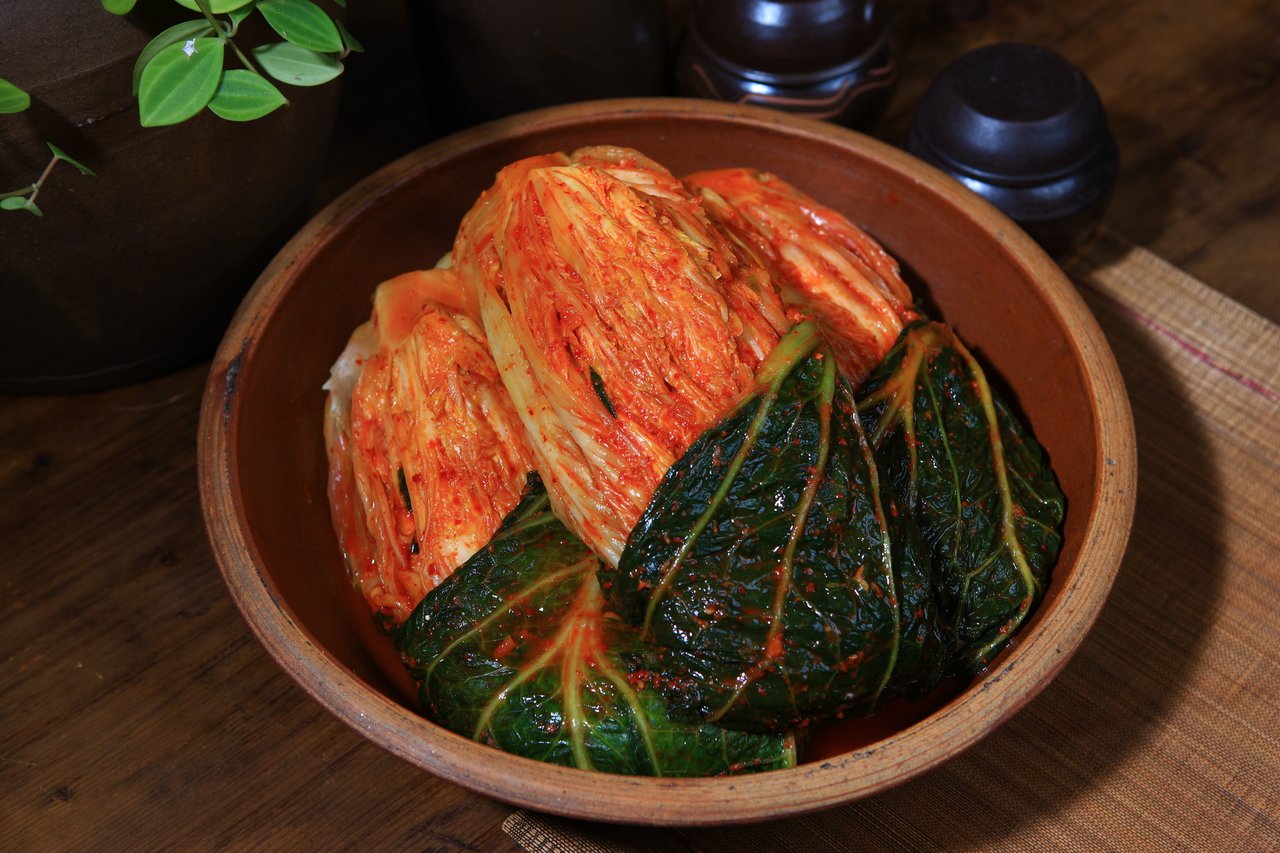
- Baechu-kimchi (Napa Cabbage): The GOAT. Includes Geotjeori (fresh salad-style) and Pogi-kimchi (whole fermented heads).
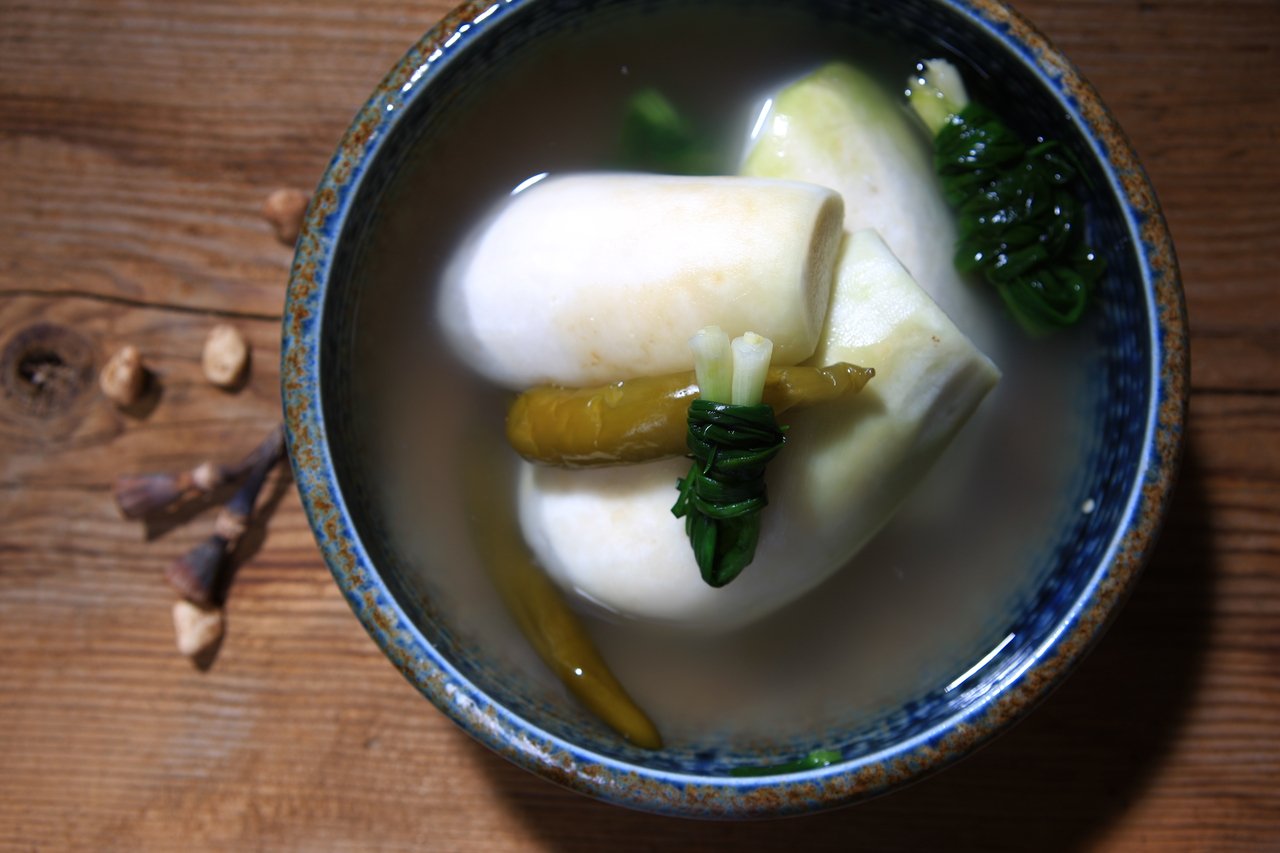
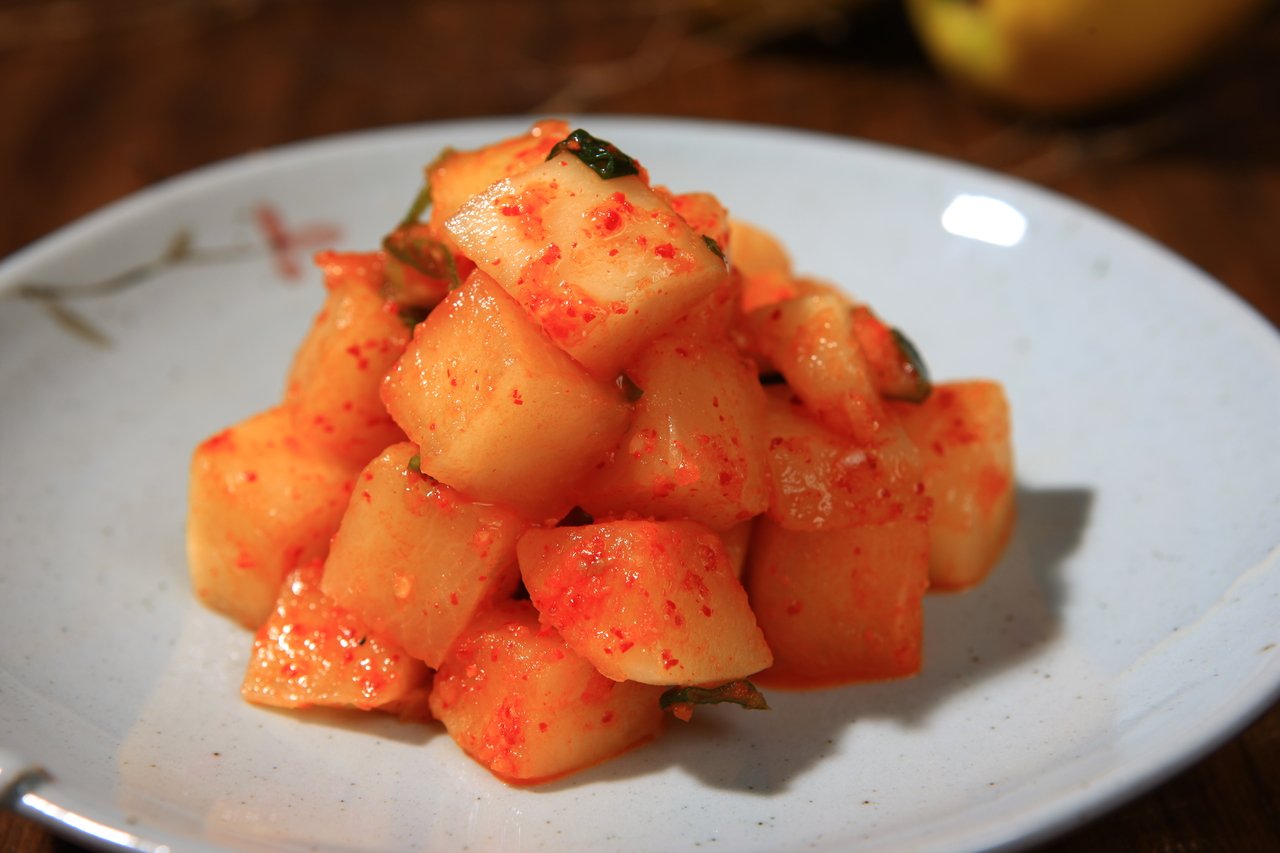
- Mu-kimchi (Radish): The crunch factor! Includes Kkakdugi (cubes) and Dongchimi (cold water Kimchi).
- Yeolmu-kimchi (Young Summer Radish): Thin, leafy, and incredibly refreshing during hot Korean summers.
The Flavor Specialists
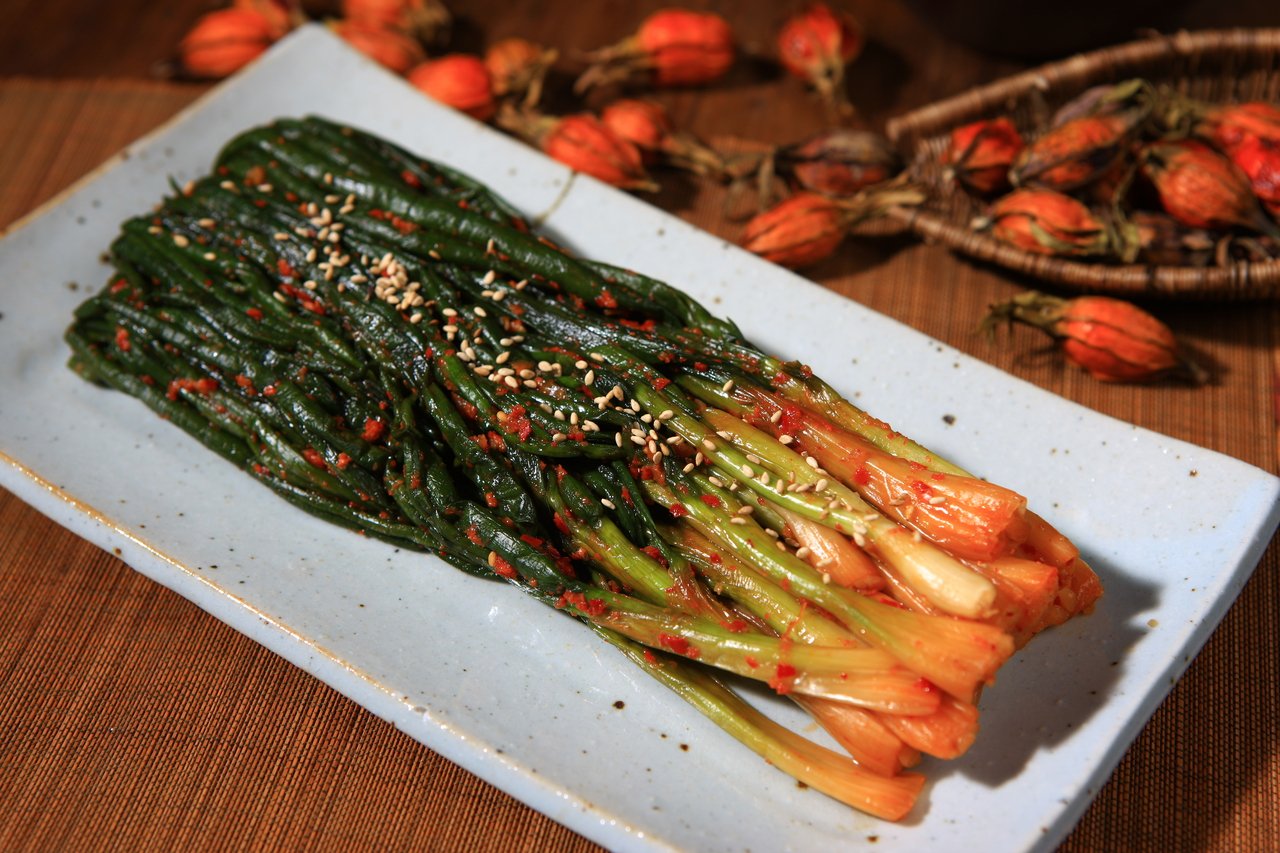
- Pa-kimchi (Green Onion): Pungent and sweet; the perfect soulmate for Jjapagetti or grilled meats.
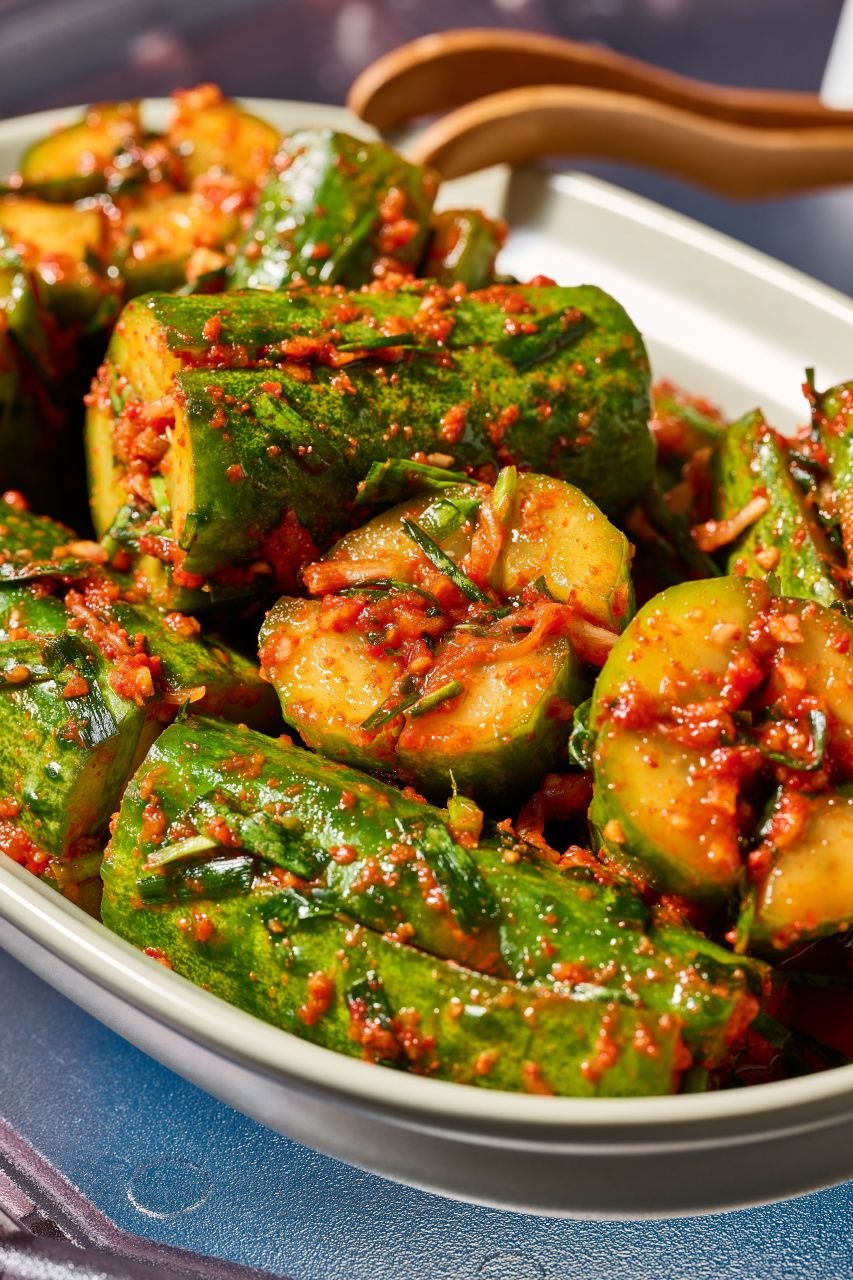
- Oi-sobagi (Cucumber): Stuffed with chives, it’s the ultimate refreshing summer crunch.
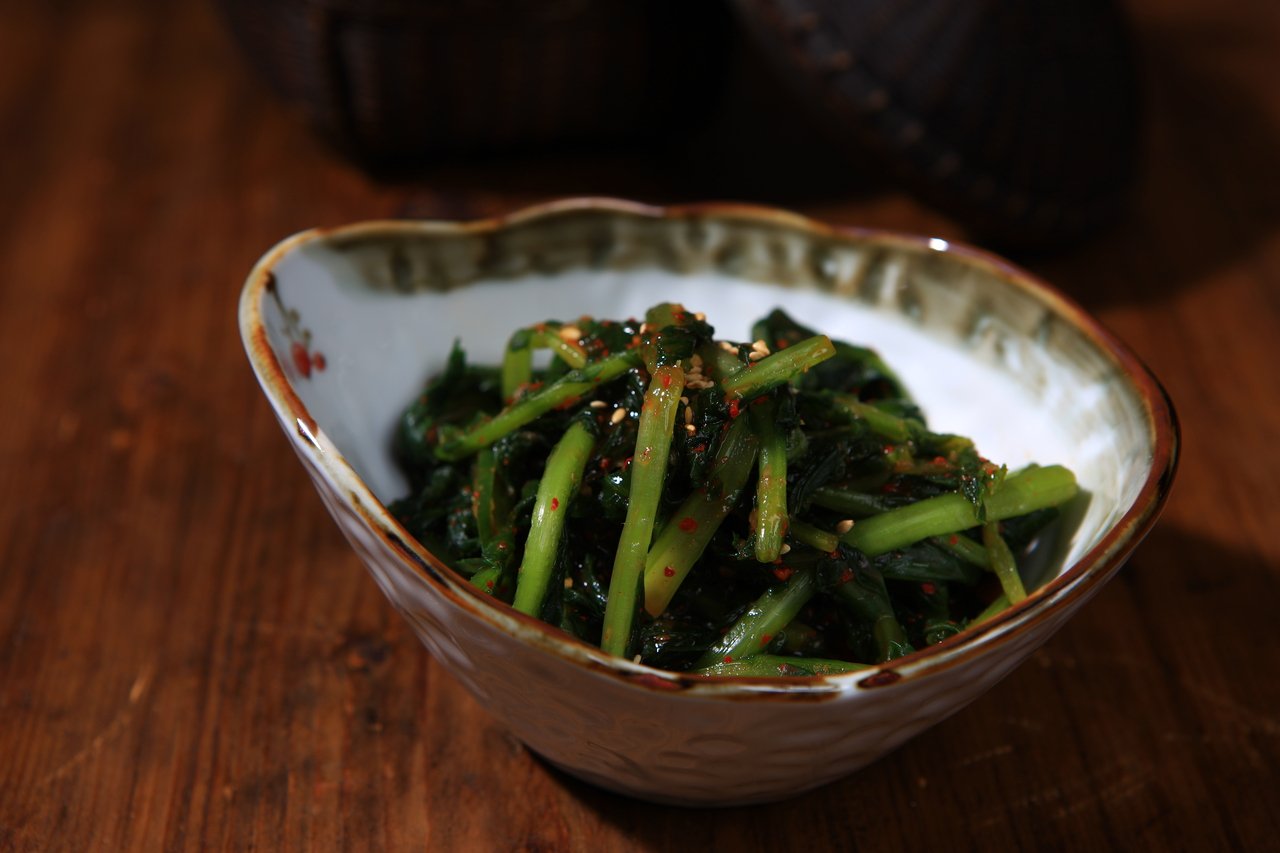
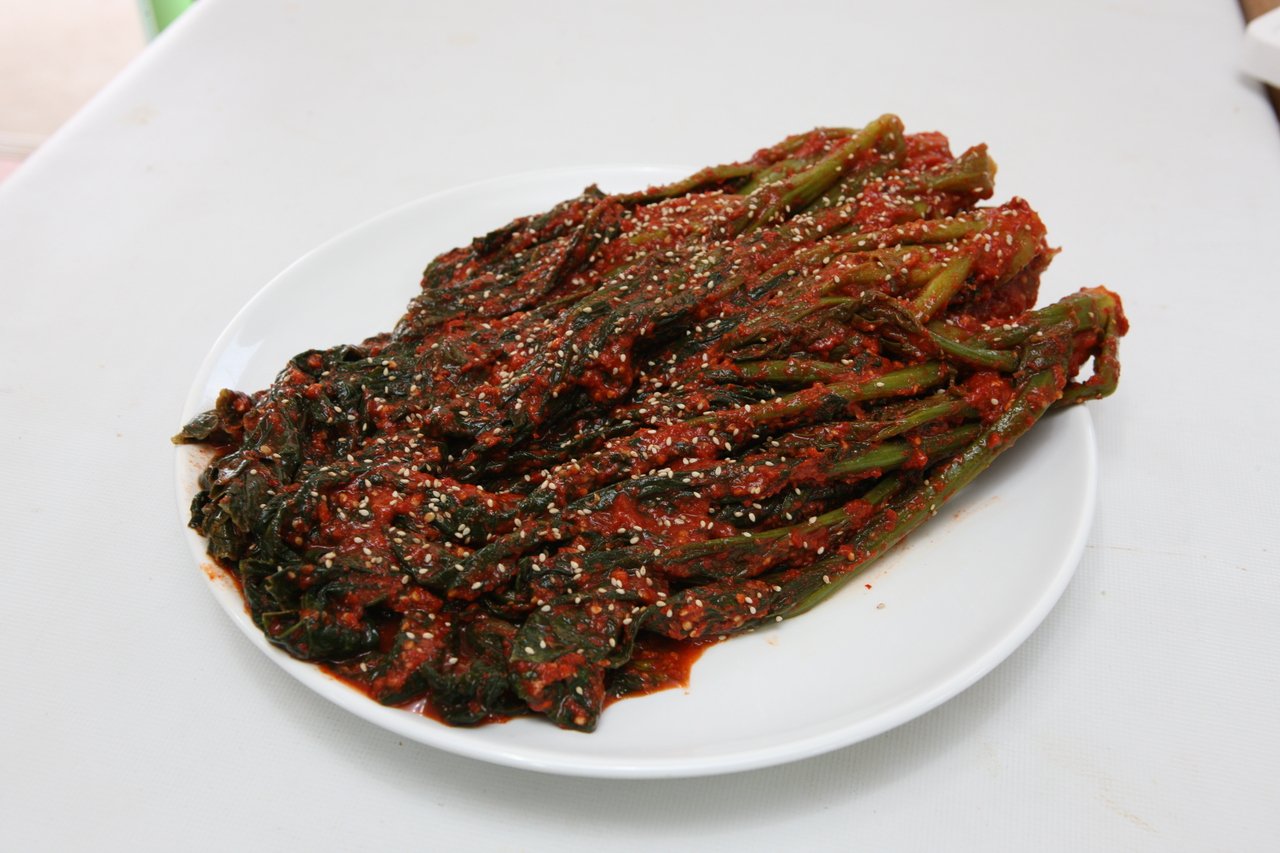
- Gat-kimchi (Mustard Leaf): A specialty from the southern regions with a unique, spicy “zing” that clears your sinuses!
Fun Fact: Beyond these, we even make Kimchi with sweet potato stems, onions, chives, and even raw seafood!
3. Level Up: Must-Try Kimchi Dishes
Kimchi is a flavor bomb that elevates any ingredient it touches. Here are my top recommendations for your next Korean food crawl:
- Kimchi-jjigae (Stew): The ultimate Korean soul food. Best made with “sour” (aged) Kimchi and fatty pork.
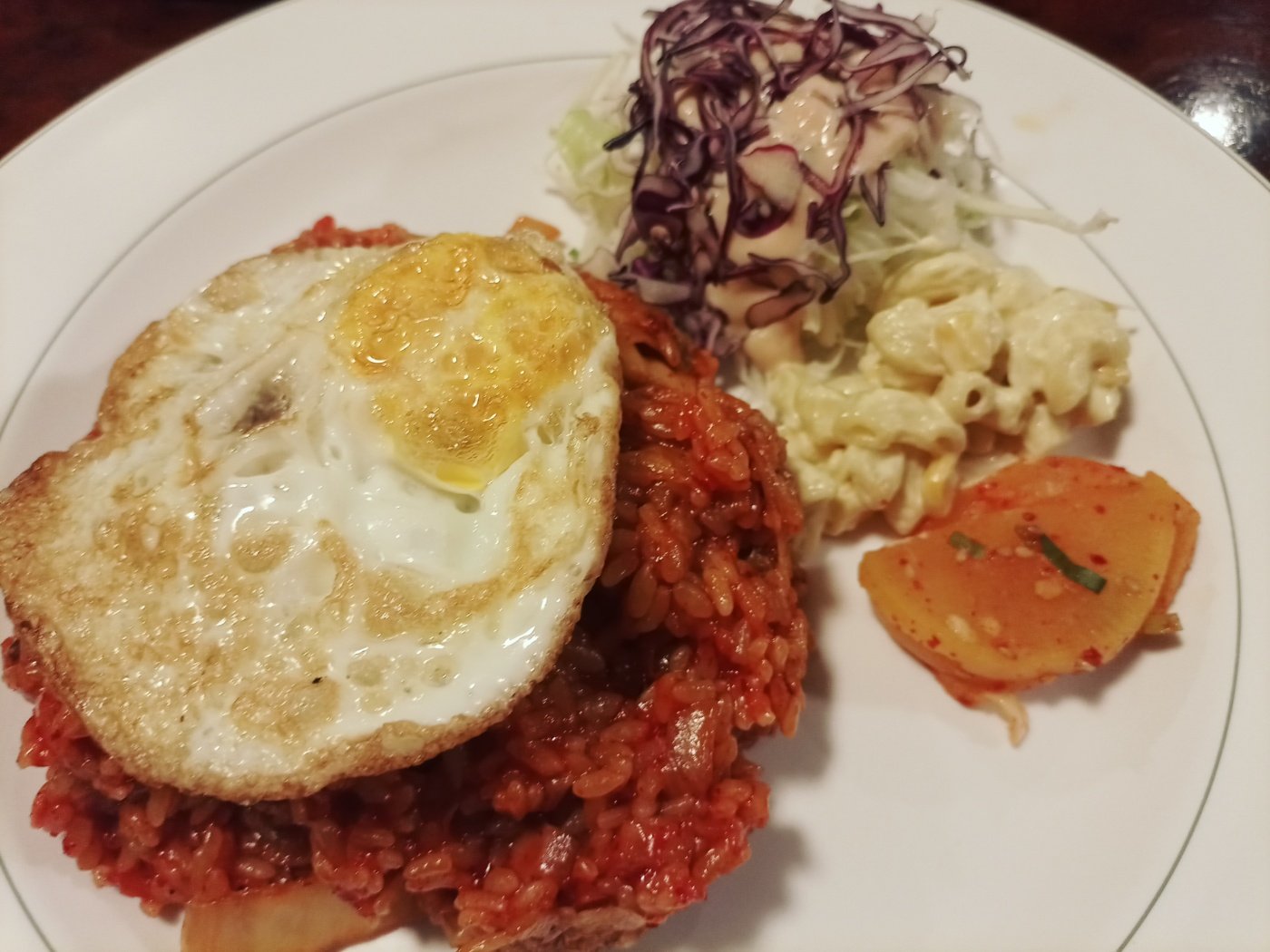
- Kimchi-bokkeumbap (Fried Rice): Simple, smoky, and topped with a sunny-side-up egg. It’s the king of quick lunches.
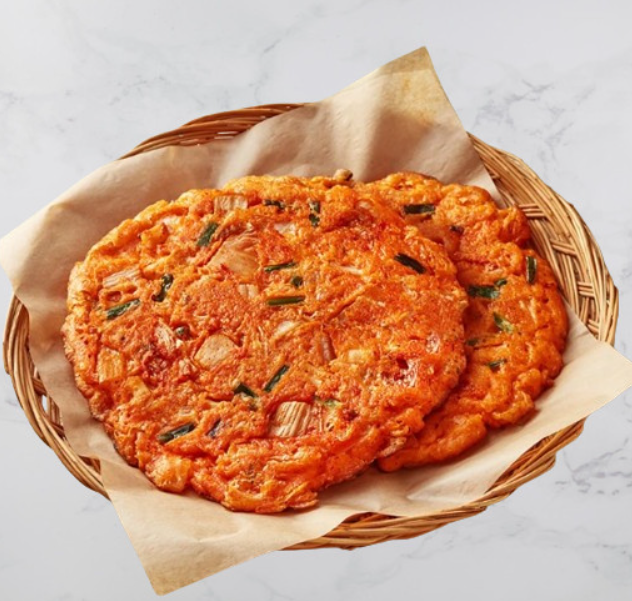
- Kimchi-jeon (Pancake): Crispy on the edges, chewy in the middle. Perfect on a rainy day with a bowl of Makgeolli (rice wine).
- Kimchi-mandu (Dumplings): Spicy, crunchy bites that are much lighter than meat-only dumplings.
- Kimchi-gimbap: A tangy twist on the classic seaweed rice roll—perfect for picnics!
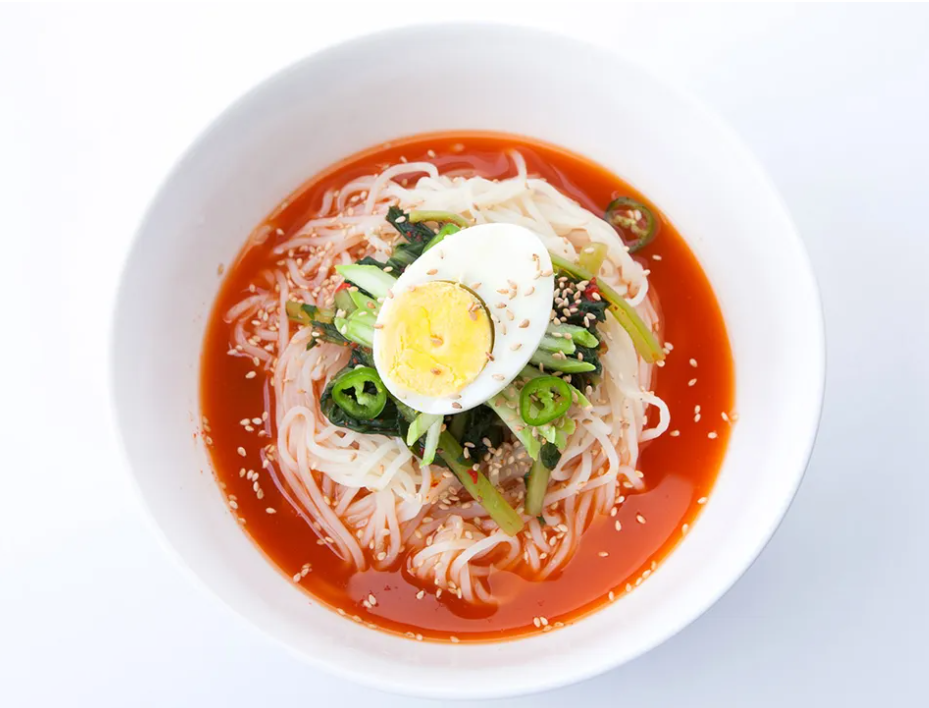
- Kimchi-mari-guksu: Cold noodles in a chilled Kimchi broth. It’s like a reset button for your taste buds.
4. Min’s “Super Simple” Kkakdugi (Radish Kimchi) Recipe
Don’t be intimidated! You don’t need a PhD in fermentation to make delicious Kimchi at home. Let’s start with Kkakdugi—it’s easier because there’s no leaf-by-leaf stuffing involved.
🛒 Ingredients
- Main: 1 medium Korean Radish (or Daikon), 2 tbsp Coarse Salt.
- Seasoning: 4 tbsp Gochugaru (Red chili flakes), 2 tbsp Fish sauce (or soy sauce for vegans), 1 tbsp Minced garlic, 1 tbsp Sugar.
👩🍳 Step-by-Step
- Cube it: Peel the radish and cut it into bite-sized cubes (about 2cm).
- Salt it: Toss the cubes with coarse salt and let them sit for 20 mins. Rinse lightly and drain.
- Mix it: In a large bowl, mix the Gochugaru, fish sauce, garlic, and sugar into a paste.
- Coat it: Add the radish cubes and toss until every cube is wearing a beautiful red coat!
- Wait (Optional): You can eat it fresh, but leave it at room temperature for one day, then move it to the fridge for that signature tang.
Ready to start your Kimchi journey? Whether you’re fermented-curious or a seasoned spice-lover, there’s always a new flavor to discover in Korea.

A certified Korean chef and baker. Min shares authentic tastes of Korea, from hidden local gems to traditional recipes and everyday lifestyle.