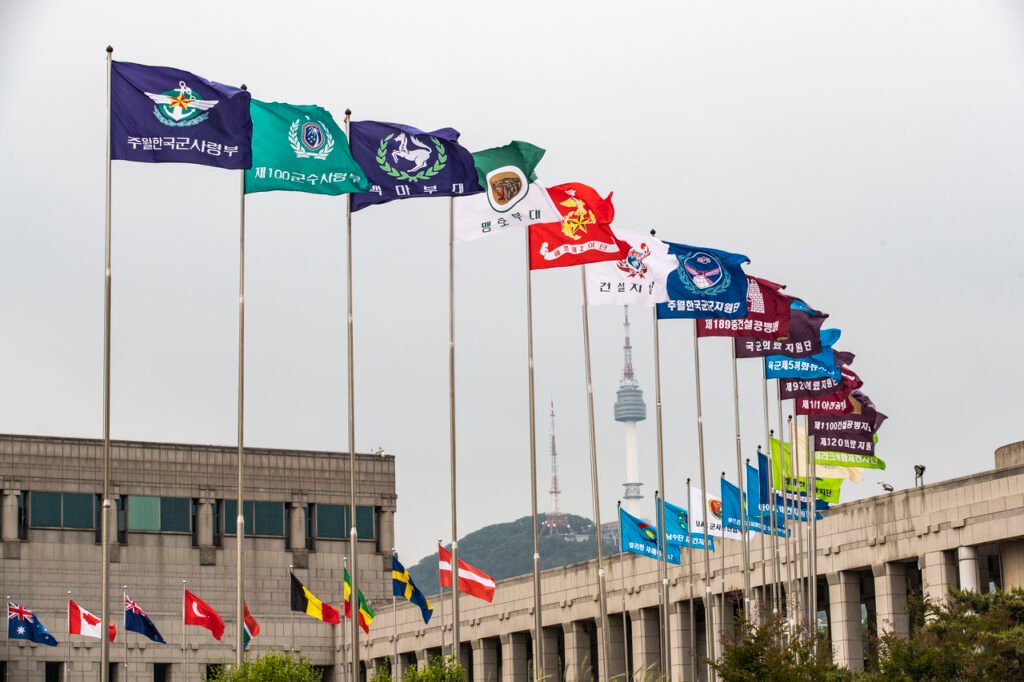
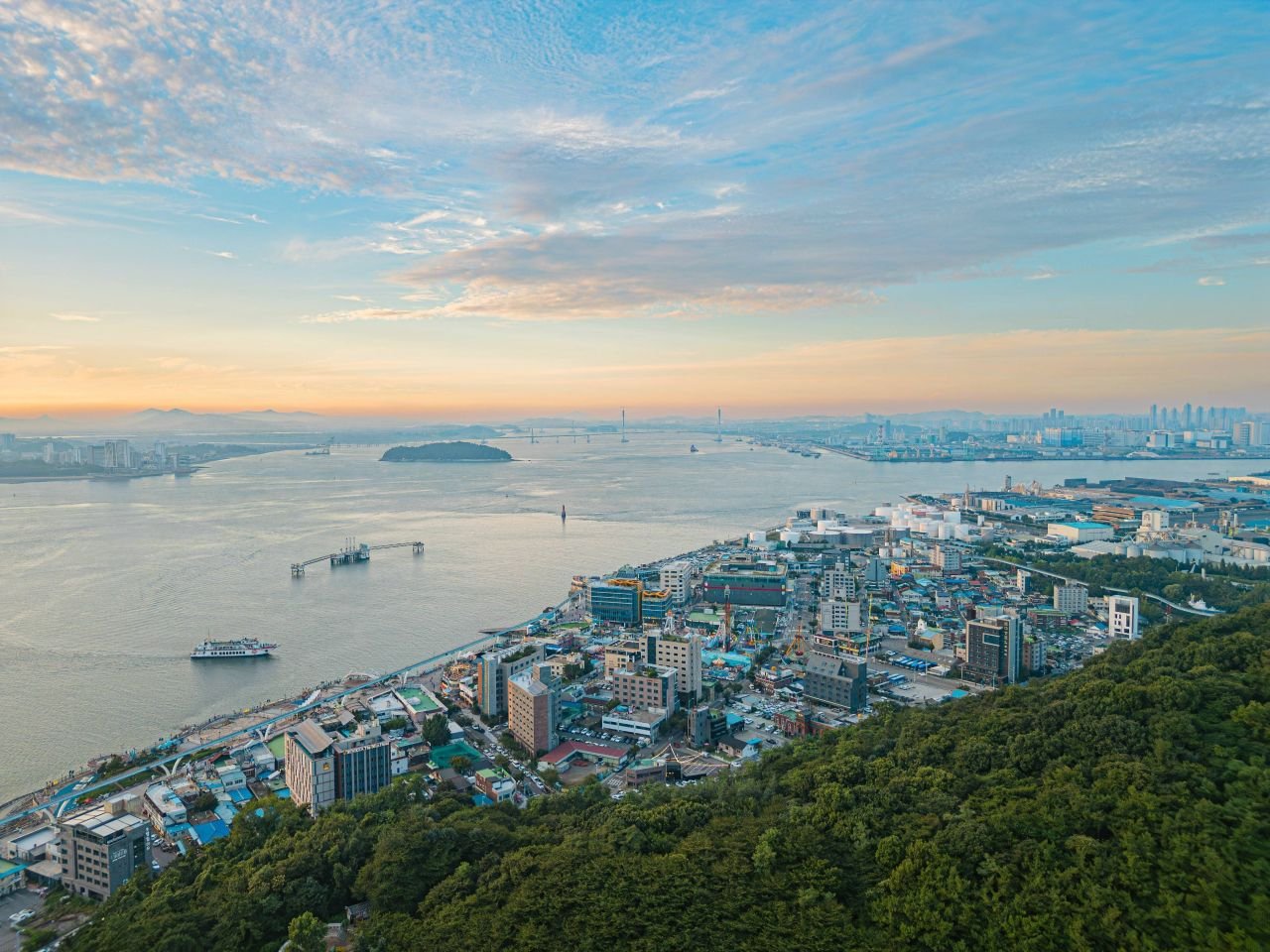
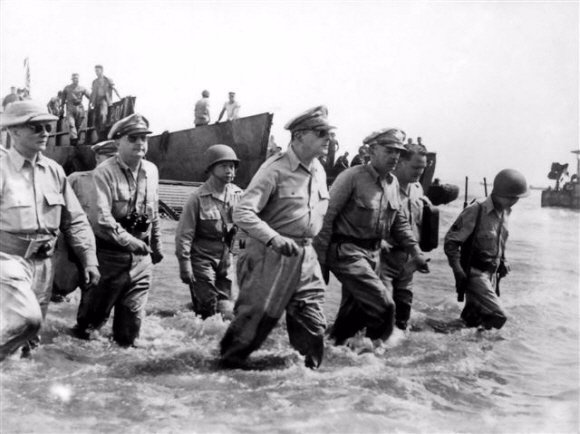
Operation Chromite, executed on September 15, 1950, was the decisive amphibious invasion that turned the tide of the Korean War. Masterminded by General Douglas MacArthur, United Nations forces defied 5,000-to-1 odds to recapture the strategic port of Incheon and liberate Seoul. Today, Incheon offers travelers a unique journey through this history, from the landing sites of Wolmido to the solemn memorials dedicated to freedom.
Living in Korea, I see Incheon as more than just an airport city. It is the historic “Gateway to Seoul.” From the first open port in 1883 to the fierce battles of 1950, this city has always been where Korea meets the world. This guide will walk you through the history, the landmarks, and the hidden stories of Incheon—including the fascinating connection to nearby Ganghwado—and provide you with local insider tips for a seamless 2026 visit.
- The Strategy: A 5,000-to-1 Gamble
- Incheon & Ganghwado: The Historic Gateway
- Landmark Guide: Memorial Hall vs. Jayu Park
- Wolmido Island & Sea Train Guide
- How to Get There (Detailed Route)
- Cinematic Tributes: Movies & Dramas about Operation Chromite
- Explore More: Korean History
The Strategy: A 5,000-to-1 Gamble
To truly understand the Operation Chromite, you must grasp the desperate context of 1950. The operation was a calculated masterpiece executed in three critical phases: Planning, Deception, and Execution.
1. The Background: The Busan Perimeter
By late summer 1950, just months after the war began, North Korean forces had pushed South Korean and UN troops to the “Busan Perimeter,” a tiny corner of the southeastern peninsula. Defeat seemed imminent. General Douglas MacArthur proposed a daring solution: strike the enemy’s rear at Incheon to cut off their long, overextended supply lines and trap the North Korean army.
2. The “Impossible” Geography
The Pentagon fiercely opposed the plan. Incheon was considered the “worst possible place” for an amphibious landing due to 10-meter tides, vast mudflats that could strand ships, and narrow, easily mined channels.
- Extreme Tides: Incheon has one of the world’s highest tidal ranges (up to 10 meters). The tides only allowed a landing window of a few hours once a month.
- Mudflats: At low tide, the sea recedes for kilometers, leaving ships stranded in mud, making them easy targets for artillery.
- Sea Walls: Unlike normal beaches, Incheon had high stone sea walls that troops had to scale with ladders under fire.
3. The Great Deception: Fooling the Enemy
Because the geography was so difficult, success depended 100% on surprise. The UN forces launched massive diversionary operations to make the North Korean command believe the landing would happen elsewhere (Gunsan or the East Coast).
- Bombing Kunsan (Gunsan): U.S. and British aircraft heavily bombarded the port of Gunsan (south of Incheon), and commando teams raided the area to simulate pre-landing preparations. This successfully misled the enemy into shifting defenses south.
- Shelling Samcheok: On the opposite side of the peninsula (East Coast), the battleship USS Missouri shelled Samcheok to confuse the enemy further.
- The Tragedy of Jangsari (Operation Changsa): Perhaps the most heartbreaking diversion was the deployment of 772 student soldiers (mostly untrained teenagers) to Jangsari Beach in Yeongdeok. Their mission was to draw enemy fire and disrupt supply lines. They succeeded in distracting the North Korean elite forces but suffered heavy casualties. (This story is depicted in the movie The Battle of Jangsari).
4. The Execution: Green, Red, and Blue Beaches
With the enemy confused and looking elsewhere, the operation launched on September 15, 1950.
- 06:30 AM (Green Beach – Wolmido): The first wave attacked Wolmido Island. Securing this island was crucial to controlling the harbor entrance. It was captured in under an hour.
- The Long Wait: For the next 12 hours, the troops on Wolmido had to wait for the tide to rise again, isolated from the main fleet.
- 05:30 PM (Red & Blue Beaches): As the evening high tide rushed in, the main force struck. Red Beach (near the current Chinatown/Incheon Station) and Blue Beach (further south) were breached. Marines used ladders to climb the sea walls into the burning city.
The gamble paid off. Incheon was secured within 24 hours, and Seoul was recaptured on September 28.
Incheon & Ganghwado: The Historic Gateway
Incheon’s role as a military gateway didn’t begin in 1950. To fully appreciate this region, one must look slightly north to Ganghwado Island (강화도).
📌 The Irony of History: The U.S. Connection
Long before the U.S. arrived as allies in 1950, they arrived as adversaries. In 1871, the Shinmiyangyo (United States expedition to Korea) took place on Ganghwado Island. This was the first military conflict between the U.S. and the Joseon Dynasty.It is a fascinating historical layer: the same gateway used to attack Korea in the 19th century became the gateway to save it in the 20th century. Traces of these 19th-century forts still remain on Ganghwado and make for a compelling side trip if you have an extra day.
Landmark Guide: Memorial Hall vs. Jayu Park
Many tourists confuse the locations. The Memorial Hall (Museum) and the Statue (Park) are in completely different districts. Here is the breakdown.
1. Incheon Landing Operation Memorial Hall (Yeonsu-gu)
Located at the foot of Cheongnyangsan Mountain, this is the main museum.
- What to See: Detailed dioramas of the landing, North Korean captured weapons, and an outdoor park featuring tanks, missiles, and aircraft.
- Significance: It provides the most academic and visual explanation of the strategy.
- Note: It is far from the subway station, so a taxi is recommended (see transport section).
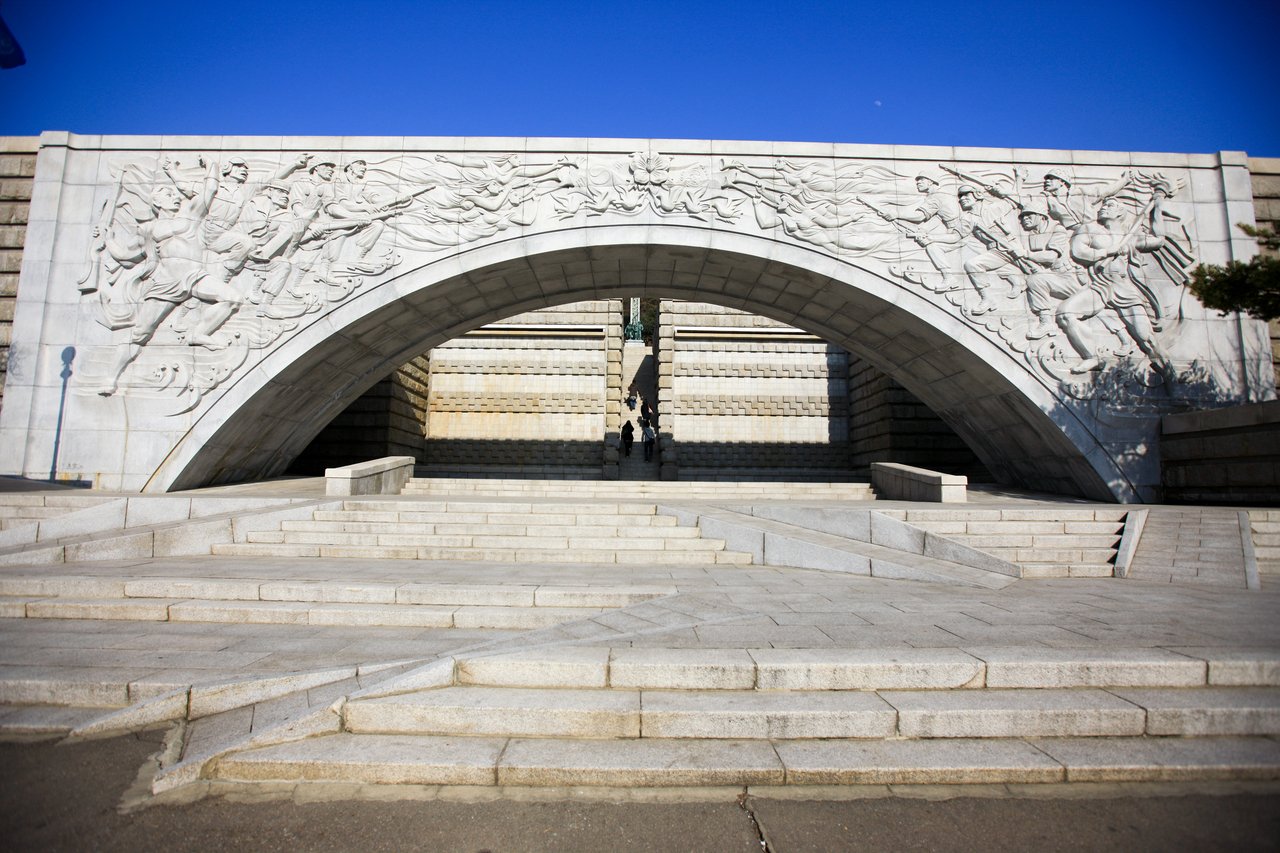
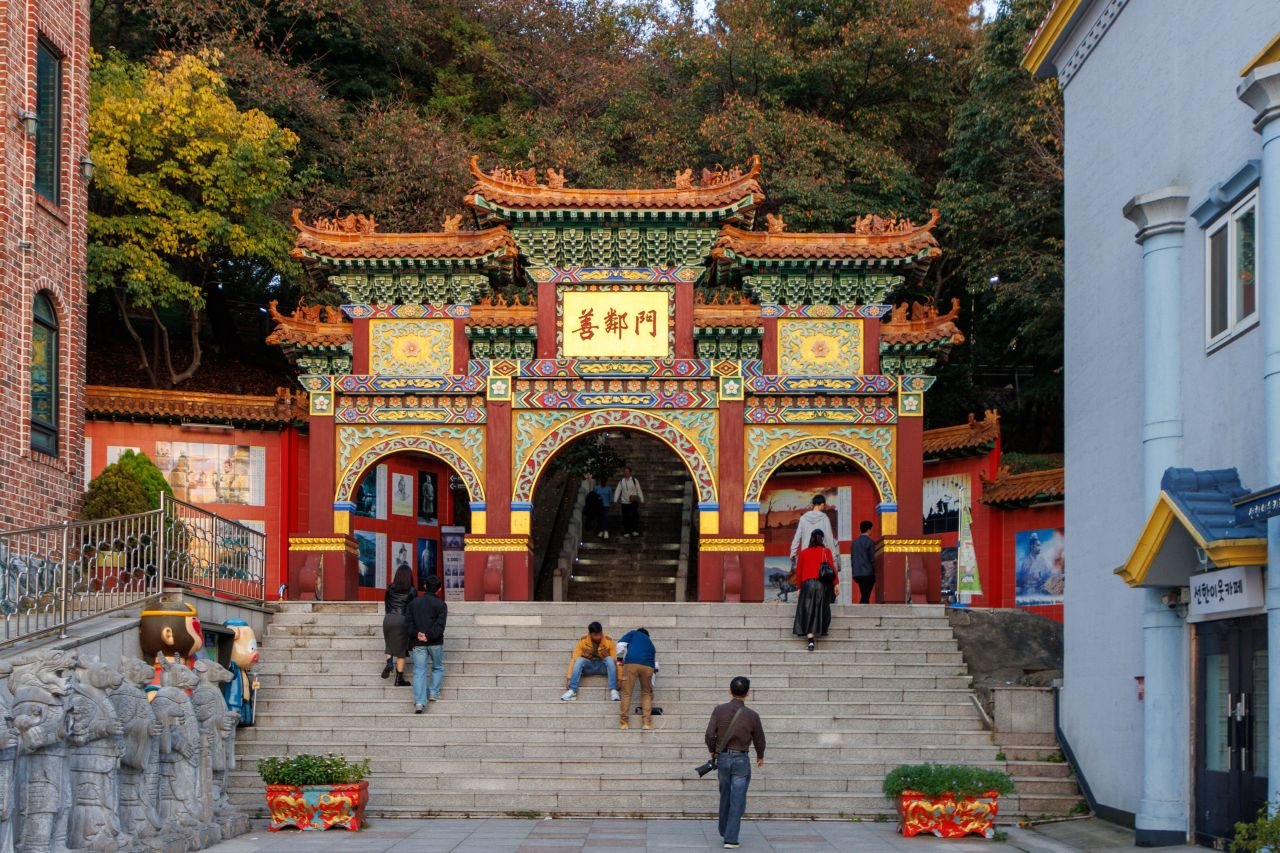
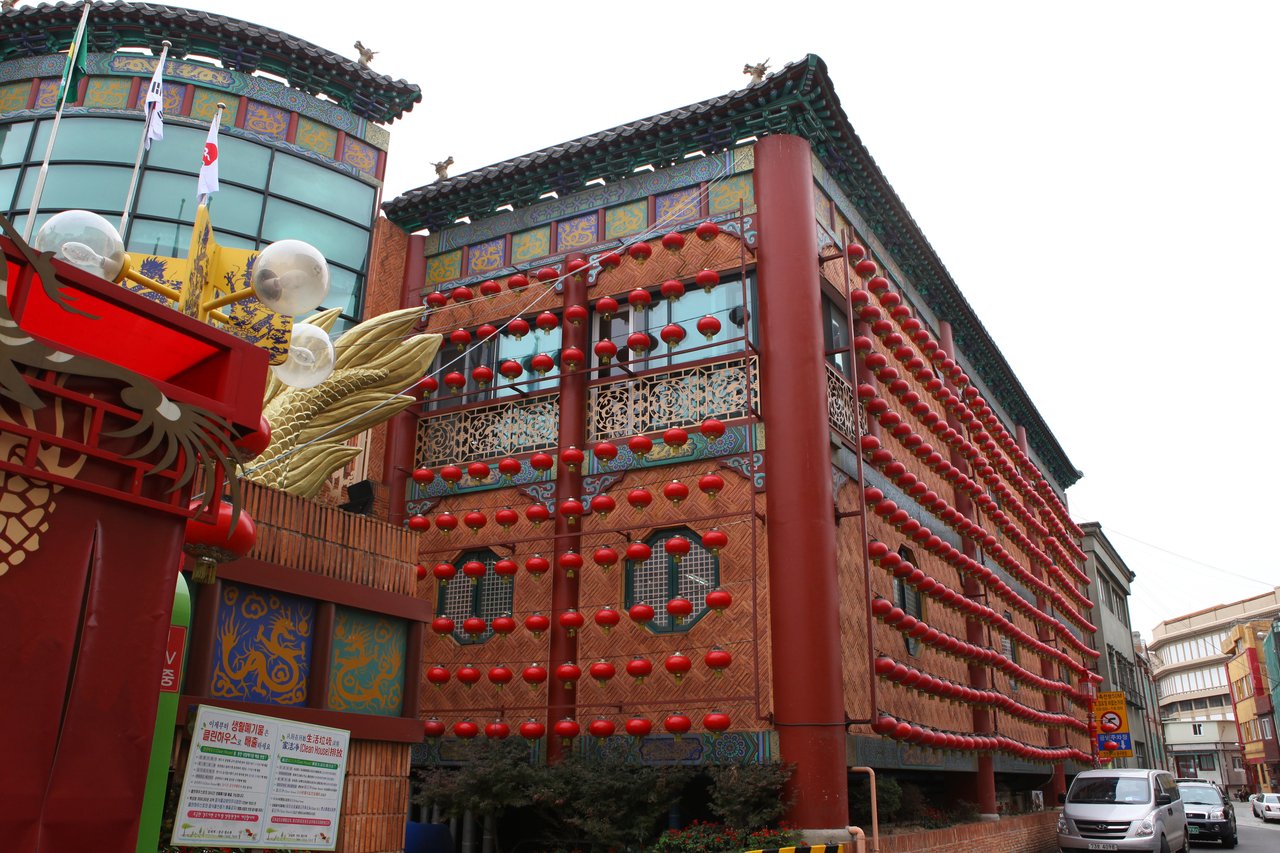
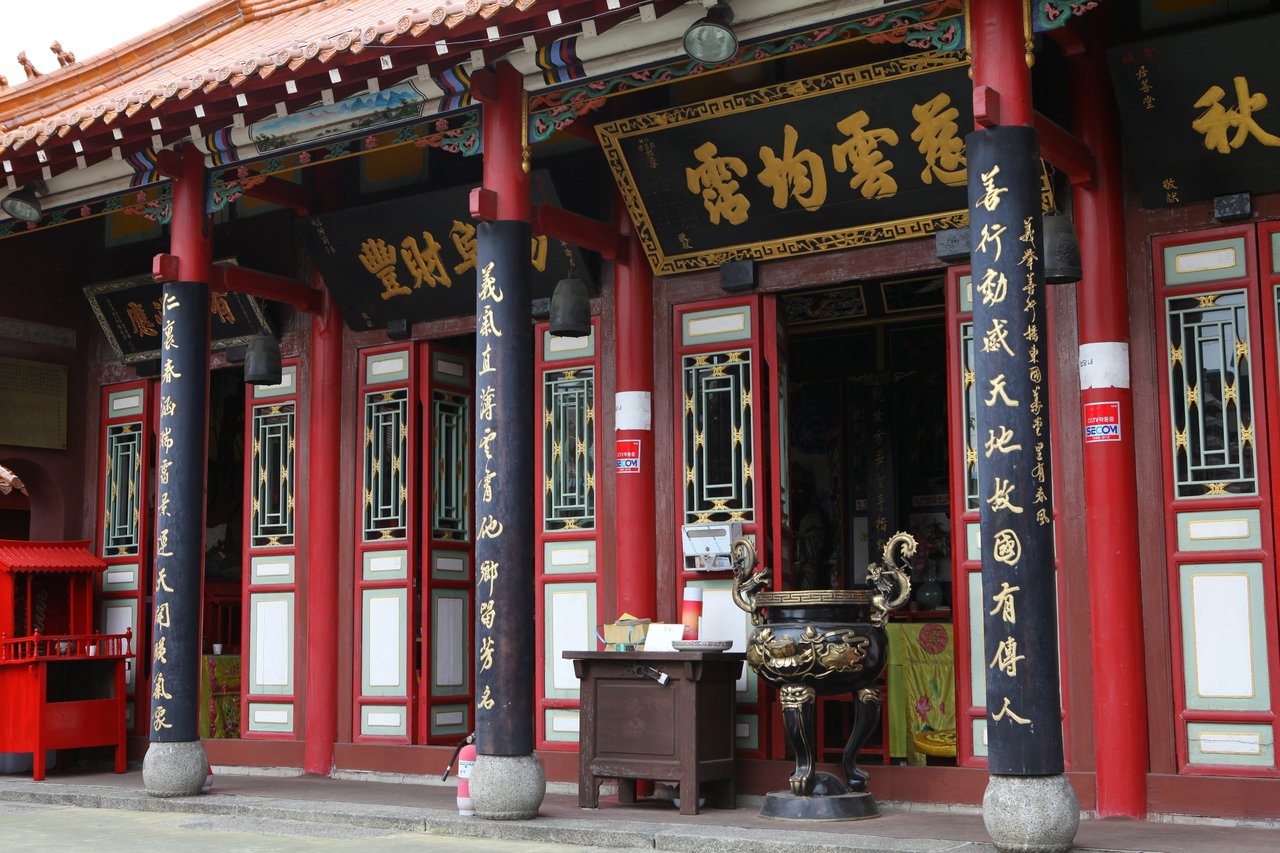
2. Jayu Park & Chinatown (Jung-gu)
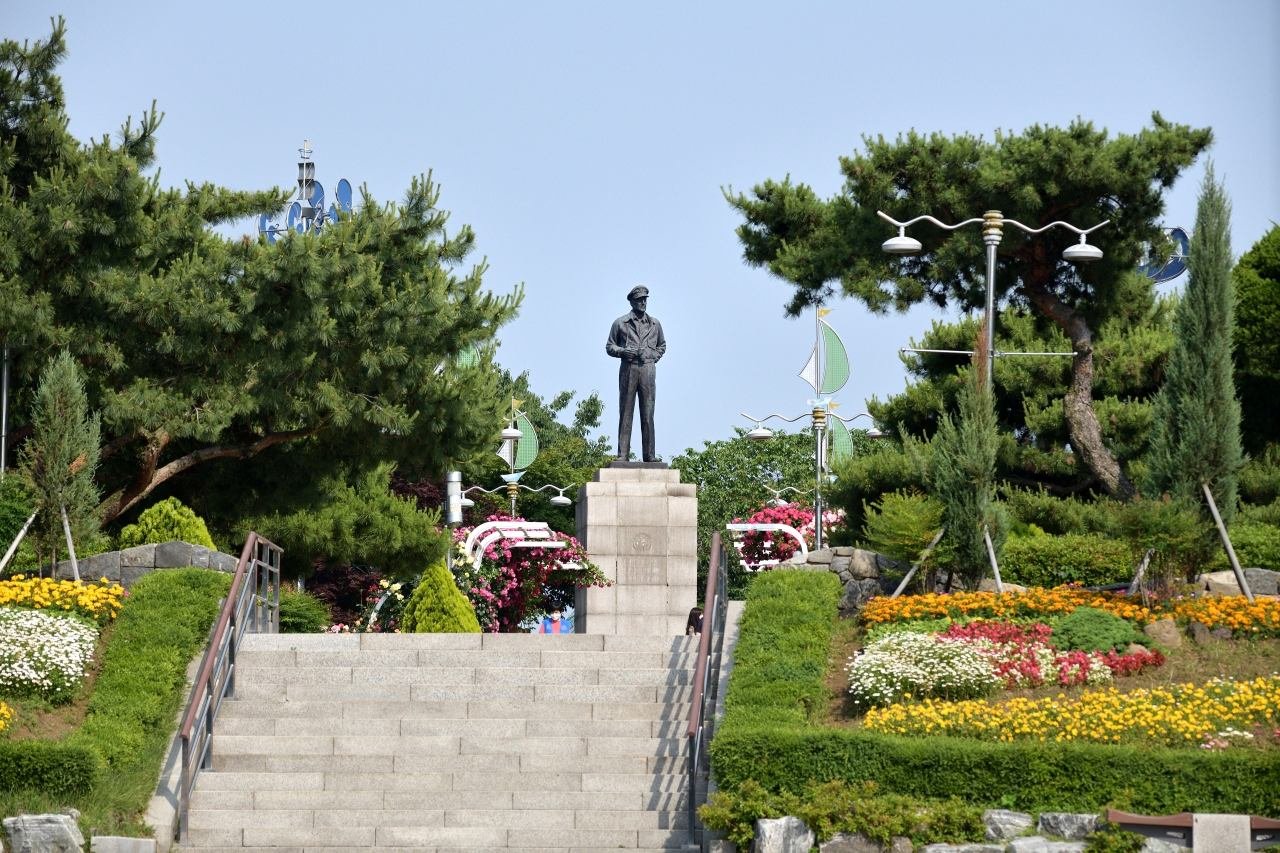
Located on a hill overlooking the port, this was the actual fierce battleground to secure the city heights.
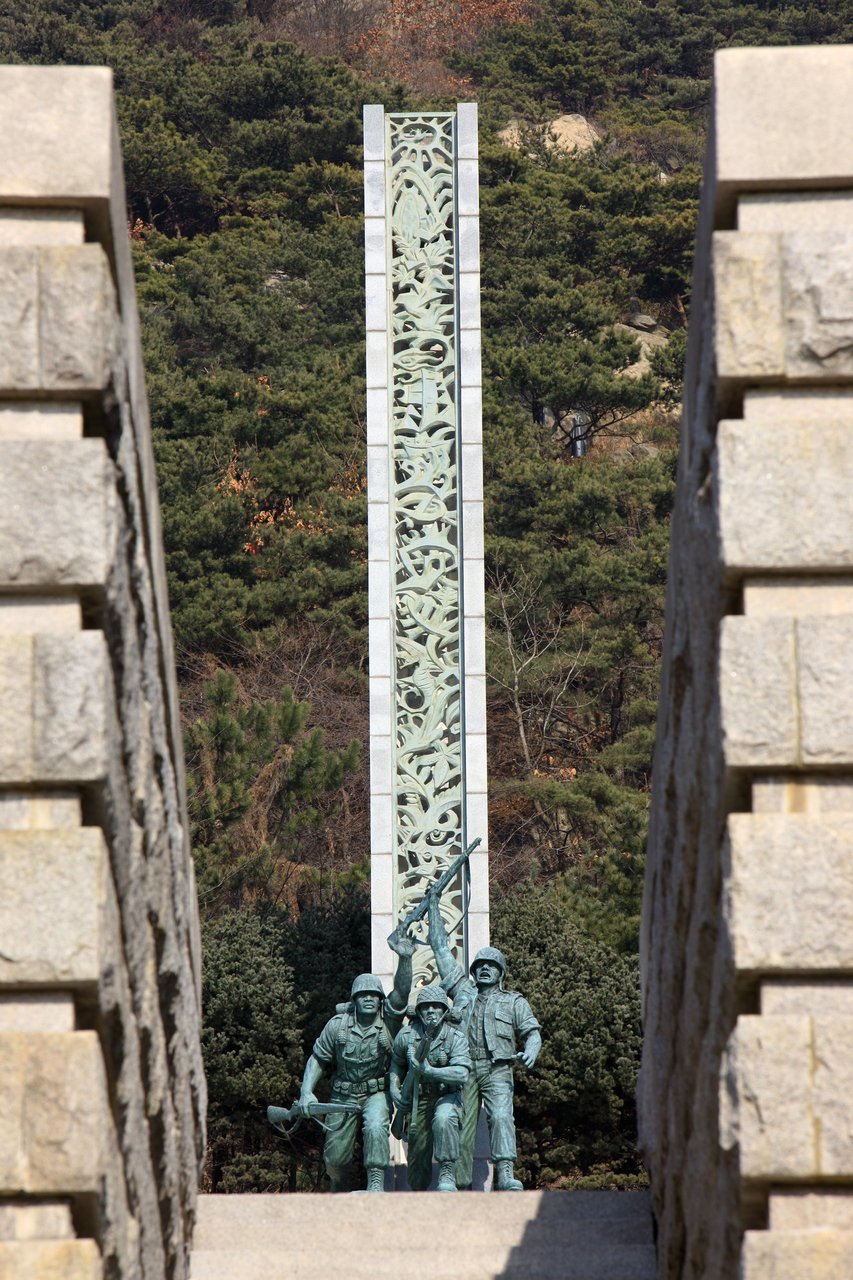
- General MacArthur Statue: The iconic bronze statue gazing out at the sea. It is a symbol of the ROK-US alliance.
- Centennial Monument: Dedicated to the 100th anniversary of Korea-US relations (1882-1982), located within the park.
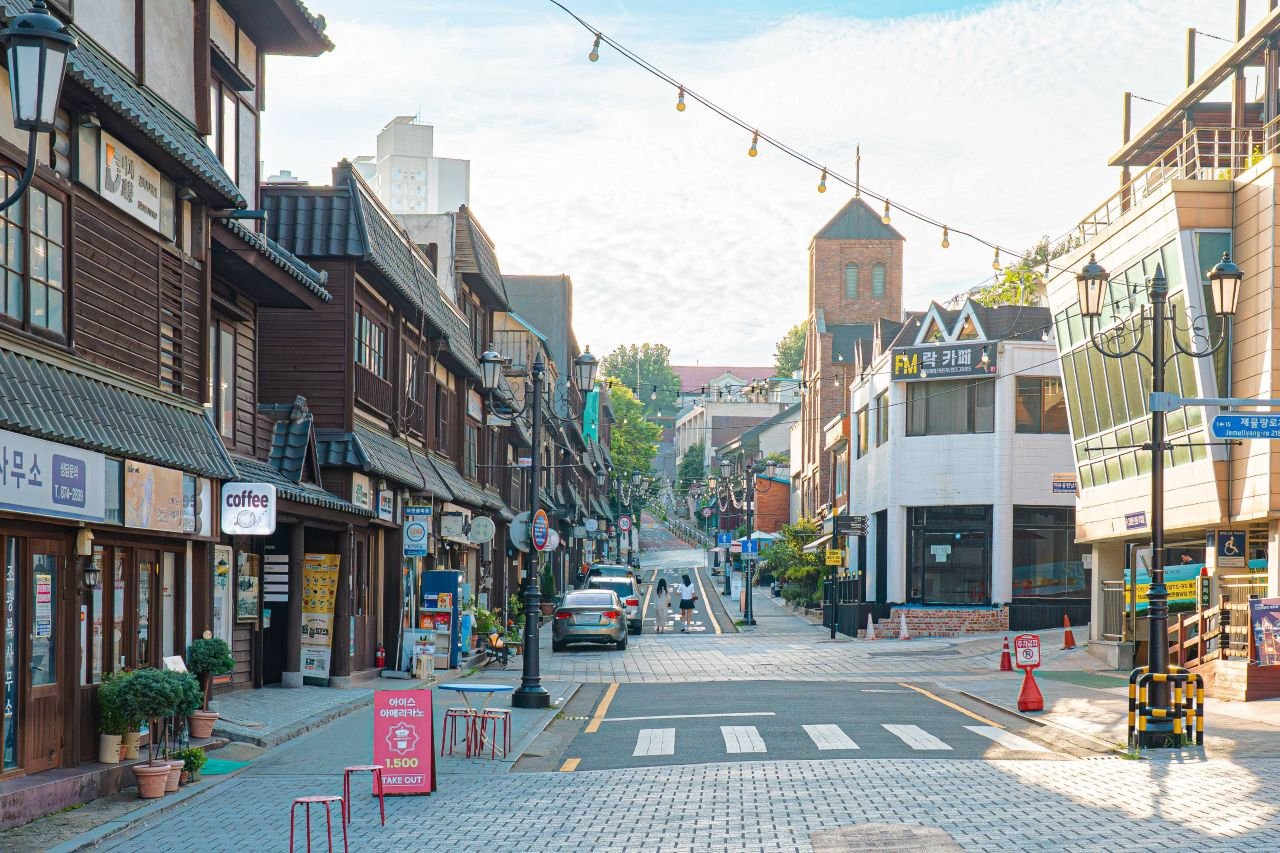
- Vibe: It connects directly to Chinatown and the Open Port Area (Gaehang-jang), filled with Japanese colonial-era architecture turned into cafes.
Wolmido Island & Sea Train Guide
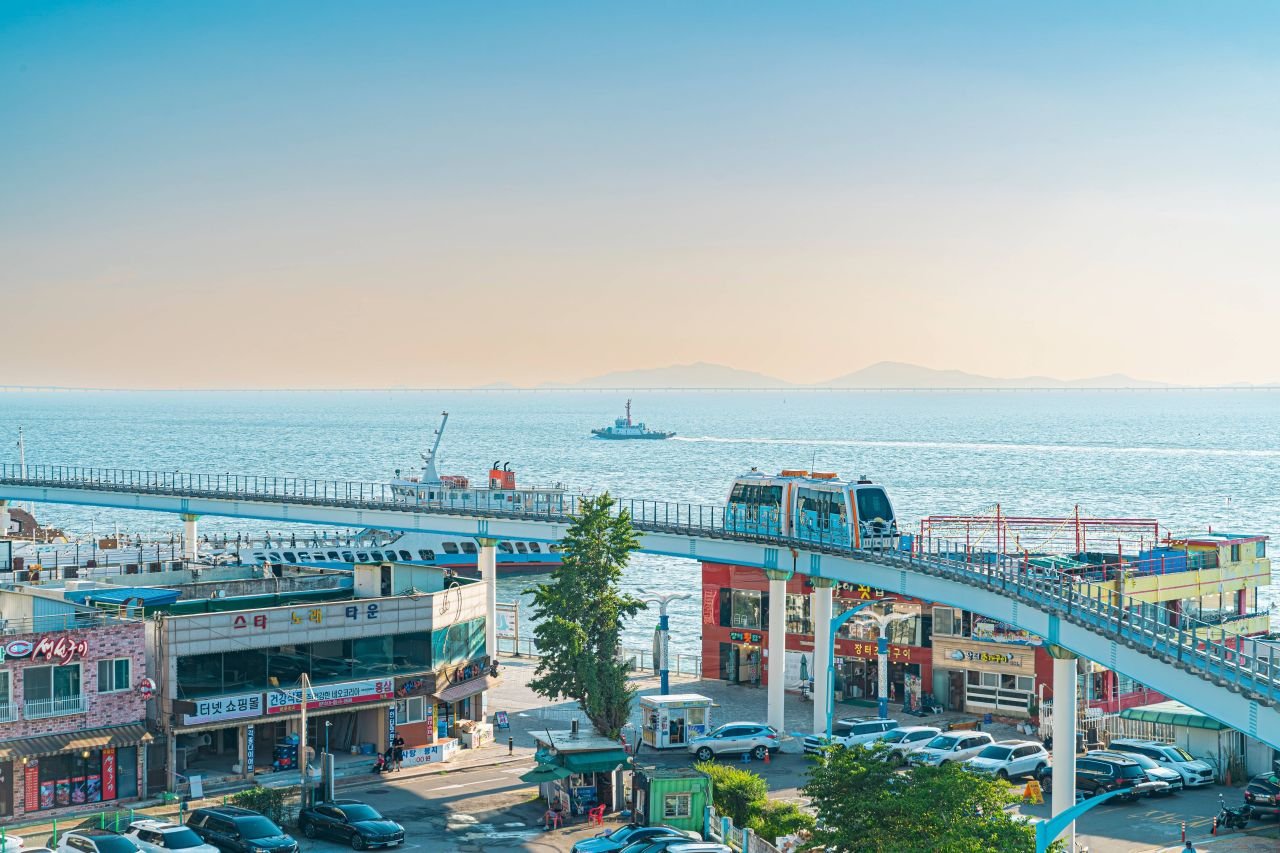
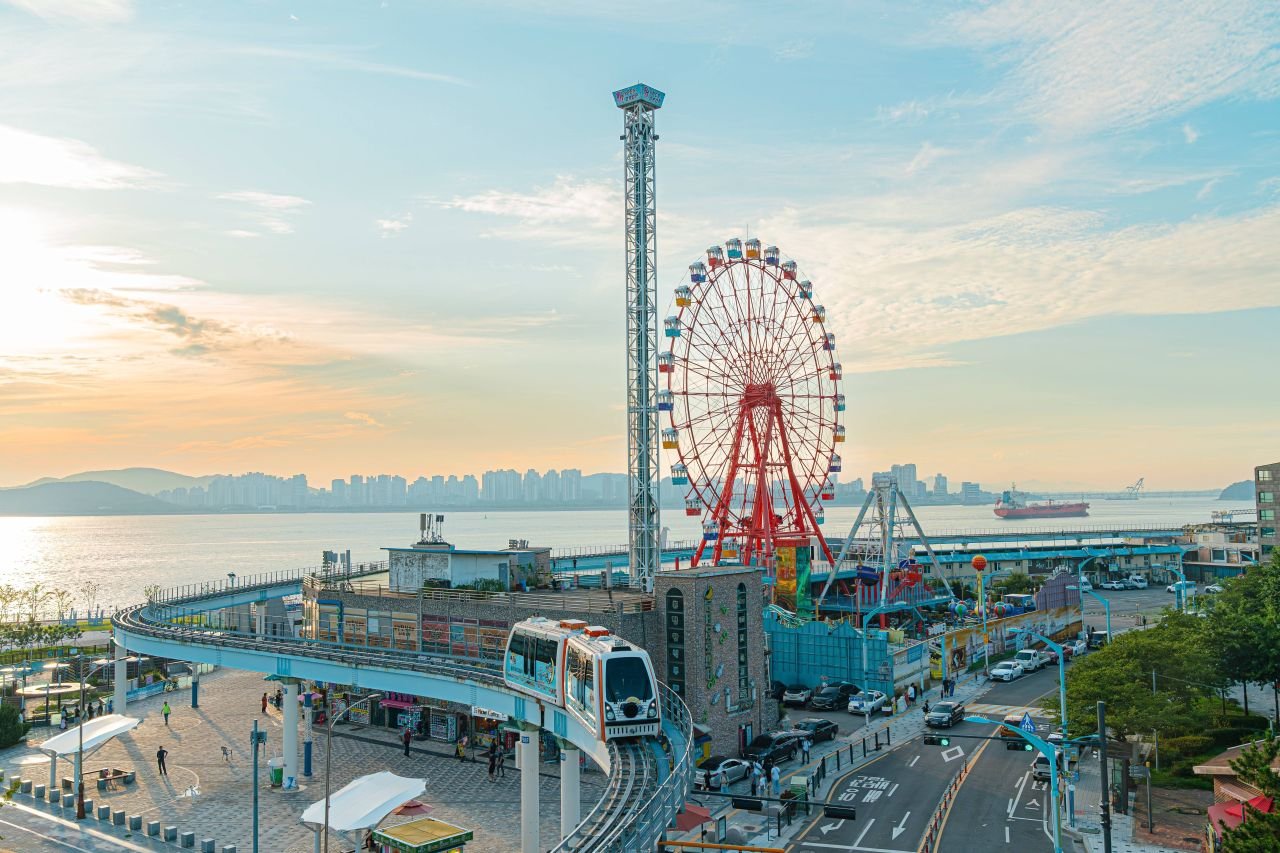
Wolmido (월미도) was “Green Beach”—the first landing point. Today, it is an entertainment district.
The Wolmi Sea Train (Monorail)
This is the best way to see the geography of the operation from above. The train loops around the island.
- Route: Incheon Station → Wolmi Park → Wolmi Culture Street → Museum → Incheon Station.
- Booking (Crucial): As of 2026, tickets sell out quickly on weekends. You must book online at the Wolmi Sea Train Official Site 2 weeks in advance.
- Rules: You can re-board the train twice. I recommend getting off at ‘Wolmi Culture Street’ to walk along the coast and re-boarding later.
Must-Do on Wolmido
- Find the Peace Trees: In Wolmi Park, look for trees with the “Peace Tree” label. These are the few trees that survived the napalm and bombardment of 1950.
- My Land: Experience the Disco Pang Pang (a spinning ride with a DJ) and the Viking ride. It’s a rite of passage for Korean students.
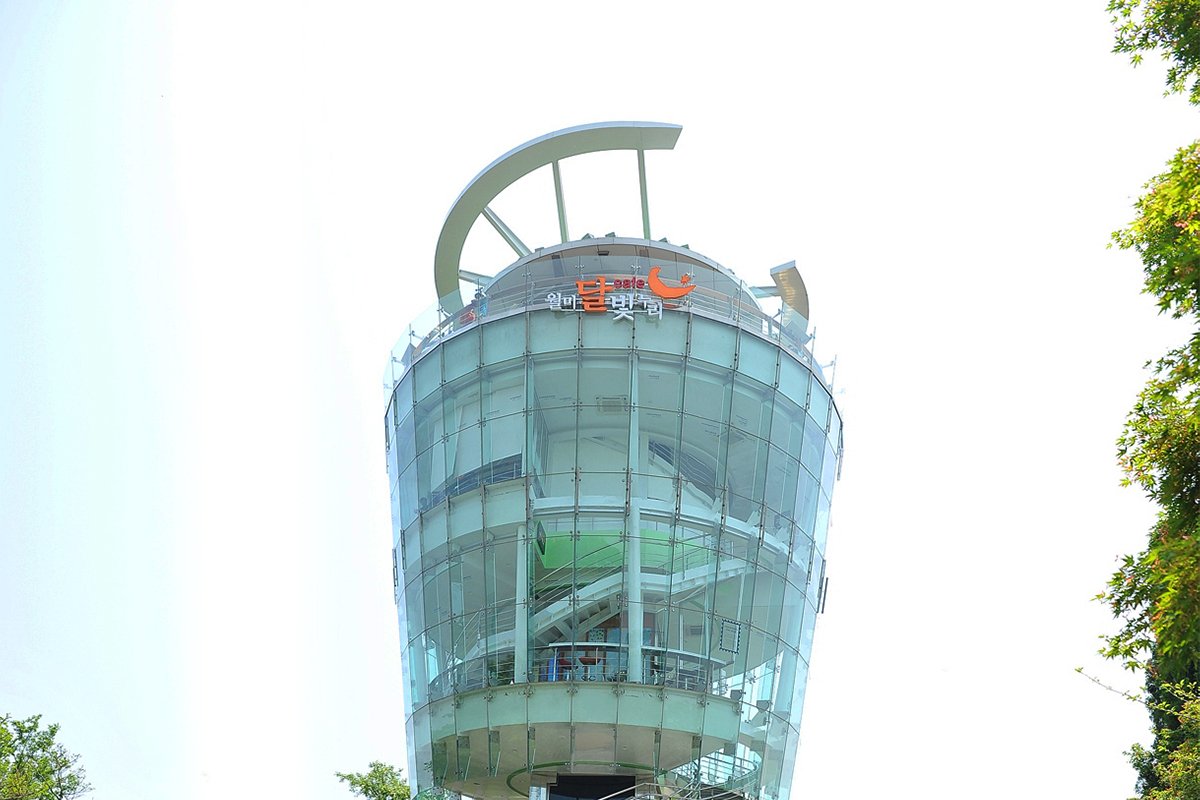
- Wolmi Park Observatory: It is a fantastic spot to look down at the Incheon Port Lock Gates or soak in a breathtaking sunset.(Free admission)
How to Get There (Detailed Route)
Since the locations are spread out, follow this efficient route to minimize travel time.
Step 1: Seoul to Incheon Station
- Subway: Take Line 1 (Dark Blue) to the final stop, Incheon Station. You can reach Incheon Station (the terminal stop) in about an hour by taking the Line 1 Express train (동인천급행) from Seoul Station.
- Duration: Approx. 60-70 mins from Seoul Station.
- Tip: Ensure the train says “For Incheon” (not Seodongtan).
Step 2: Moving Between Sites
I recommend visiting the Memorial Hall first (morning) and then moving to Incheon Station/Wolmido (afternoon) for the sunset.
| Route | Transportation Method | Details |
|---|---|---|
| Incheon Stn ↔ Wolmido | Bus / Sea Train | Take Bus 2, 10, or 45 (15 mins) from Exit 1. Or use the Sea Train if booked. |
| Incheon Stn ↔ Memorial Hall | Taxi (Recommended) | Distance is ~10km. A taxi costs about 12,000 KRW and takes 25 mins. Bus requires transfer and takes 50+ mins. |
| Memorial Hall Area | Walking | The Incheon Metropolitan City Museum is right next to the Memorial Hall. |
Cinematic Tributes: Movies & Dramas about Operation Chromite
To truly understand the tension and human cost of the war before your visit, I highly recommend immersing yourself in these productions. Below are the best works depicting the operation and where you can stream them.
1. Operation Chromite (인천상륙작전, 2016)
A blockbuster focusing on the “X-RAY” spy operation that preceded the landing. Stars Liam Neeson (MacArthur) and Lee Jung-jae.
- North America (USA/Canada): Available on Amazon Prime Video (Rent/Buy), Google Play Movies, and YouTube Movies. It is occasionally available on Tubi (Free with ads).
- Europe/Global: Often found on Rakuten Viki (requires Viki Pass Standard).
- Korea: Available on Netflix Korea, Wavve, and TVING.
2. Road No. 1 (로드 넘버 원, 2010)
A drama series that covers the entire war, known for realistic combat scenes including the Nakdong River battles and the march north.
- Global Streaming: The best place to watch is Rakuten Viki or Kocowa+. These platforms specialize in K-dramas and usually hold the license for older classics.
- YouTube: The official MBC Drama YouTube channel sometimes uploads full episodes with subtitles, though availability fluctuates by region.
3. The Battle of Jangsari (장사리: 잊혀진 영웅들, 2019)
This film covers the diversionary operation mentioned in the history section. It depicts the tragic sacrifice of the student soldiers who drew enemy fire away from Incheon. It features Megan Fox as a war correspondent.
- Where to Watch: Available on Amazon Prime Video, Rakuten Viki, and Netflix (in select regions).
4. Mr. Sunshine (미스터 션샤인, 2018)
(Recommended for the Ganghwado/Shinmiyangyo context). This drama opens with the U.S. attack on Ganghwado in 1871.
- Global: Exclusively available on Netflix worldwide.
Explore More: Korean History
For a complete historical journey through Korea, check out these in-depth guides:
- The Real History of the DMZ: From 1945 to 2026
- How to Visit the Korean DMZ in 2026: Fees & Booking Guide
- Honoring Heroes: A Guide to the War Memorial of Korea and UN Cemetery
If you want to discover more Incheon hotspots, please refer to the following guide.
Korean Culture portal KCulture.com

Founder of Kculture.com and MA in Political Science. He shares deep academic and local insights to provide an authentic perspective on Korean history and society.