Changdeokgung Palace is Seoul’s most harmonious royal residence, serving as a beloved royal residence and practical center of governance for many Joseon kings even before the Imjin War, and later becoming the undisputed primary seat of the dynasty for 270 years. As a UNESCO World Heritage site, it is renowned for its unique asymmetrical design that seamlessly blends architecture with the natural landscape, and for housing the breathtaking Secret Garden. Living in Korea, I always recommend this palace to visitors who want to experience the true, serene beauty of traditional Korean royal life.
- The Hidden Main Palace: History and Significance
- Getting There: From Gyeongbokgung to Changdeokgung
- Must-See Palace Buildings
- Exploring the Secret Garden (Huwon)
- Seasonal Splendor: Spring Blossoms and Autumn Foliage
- Best Photo Spots for the Perfect Shot
- Local Tips & The Magical Moonlight Tour
The Hidden Main Palace: History and Significance
While many visitors flock to the grand, perfectly symmetrical Gyeongbokgung Palace (경복궁), Changdeokgung Palace (창덕궁) holds a very special place in Korean history. Constructed in 1405 by King Taejong as a secondary palace, it was thoughtfully designed to offer a more tranquil retreat for the royal family. Even when Gyeongbokgung was fully operational, many Joseon kings deeply loved Changdeokgung for its comforting atmosphere, choosing to actually reside and govern the nation from here. Later, when the Imjin War reduced Gyeongbokgung to ashes—leaving it in ruins for centuries until King Gojong rebuilt it—Changdeokgung officially became the undisputed, magnificent center of the Joseon Dynasty for 270 years.
What makes this palace truly exceptional—and what earned it a UNESCO World Heritage designation in 1997—is its profound respect for nature. Instead of flattening the land to impose royal authority, the architects built the structures to flow with the natural contours of the surrounding hills. It represents the pinnacle of Korean palace architecture, where nature and human creation exist in perfect harmony.
As you explore the vast grounds, you will notice that it is directly adjacent to Changgyeonggung Palace (창경궁). The two palaces are physically connected by a shared boundary wall. You can easily cross over to explore Changgyeonggung’s elegant pathways by simply paying a small additional entrance fee at the internal connecting gate, making it incredibly convenient to experience both palaces in a single visit.
Getting There: From Gyeongbokgung to Changdeokgung
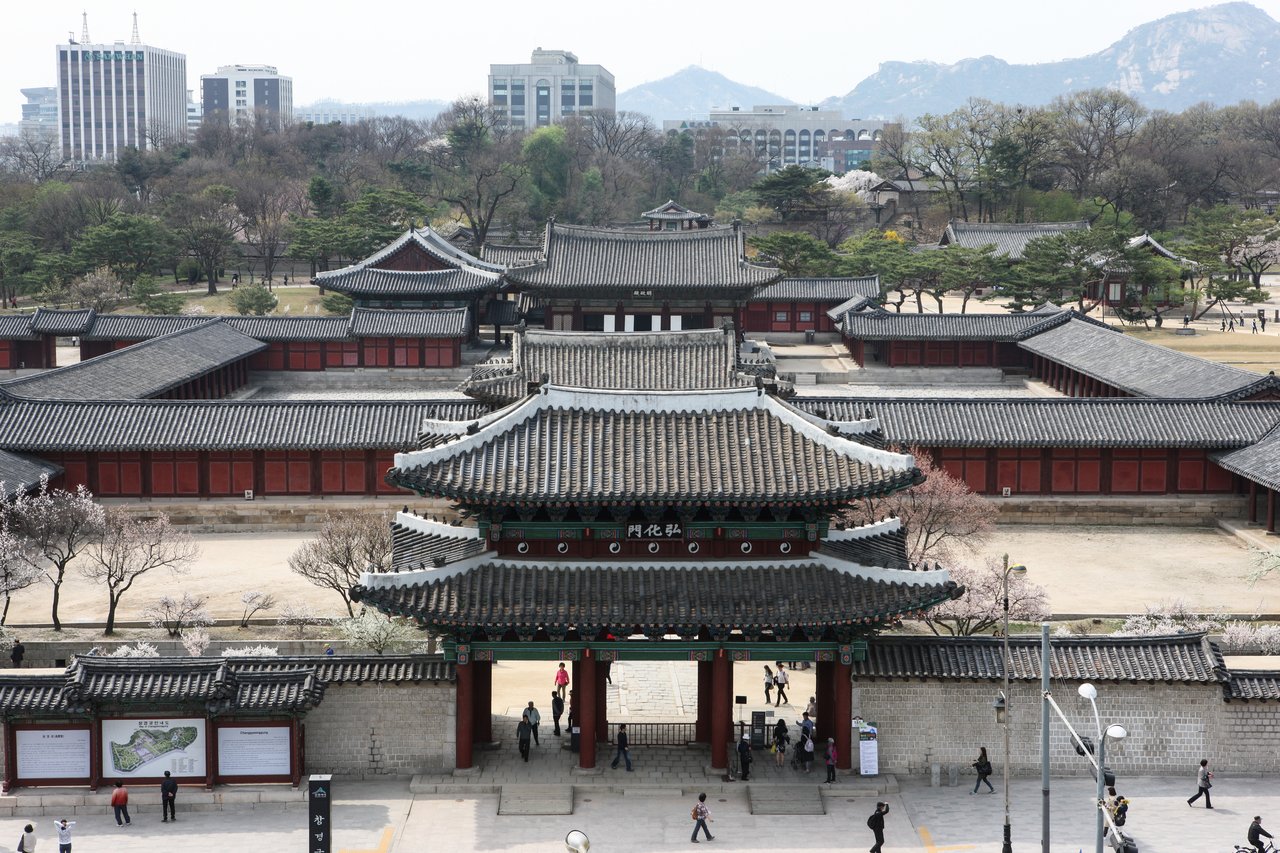
Because the two major palaces are frequently compared, visitors often wonder how to visit both. The good news is that they are very close to each other. If you are finishing up a morning tour at Gyeongbokgung, a taxi ride to Changdeokgung takes only about 5 minutes. If the weather is nice, I highly recommend walking. It is a scenic 15 to 20-minute stroll, and you can easily route your walk through the charming alleys of Bukchon Hanok Village (북촌한옥마을), making it a perfect cultural afternoon.
Must-See Palace Buildings
The palace grounds are vast, but there are a few key structures you absolutely cannot miss during your visit.
Injeongjeon: The Throne Hall
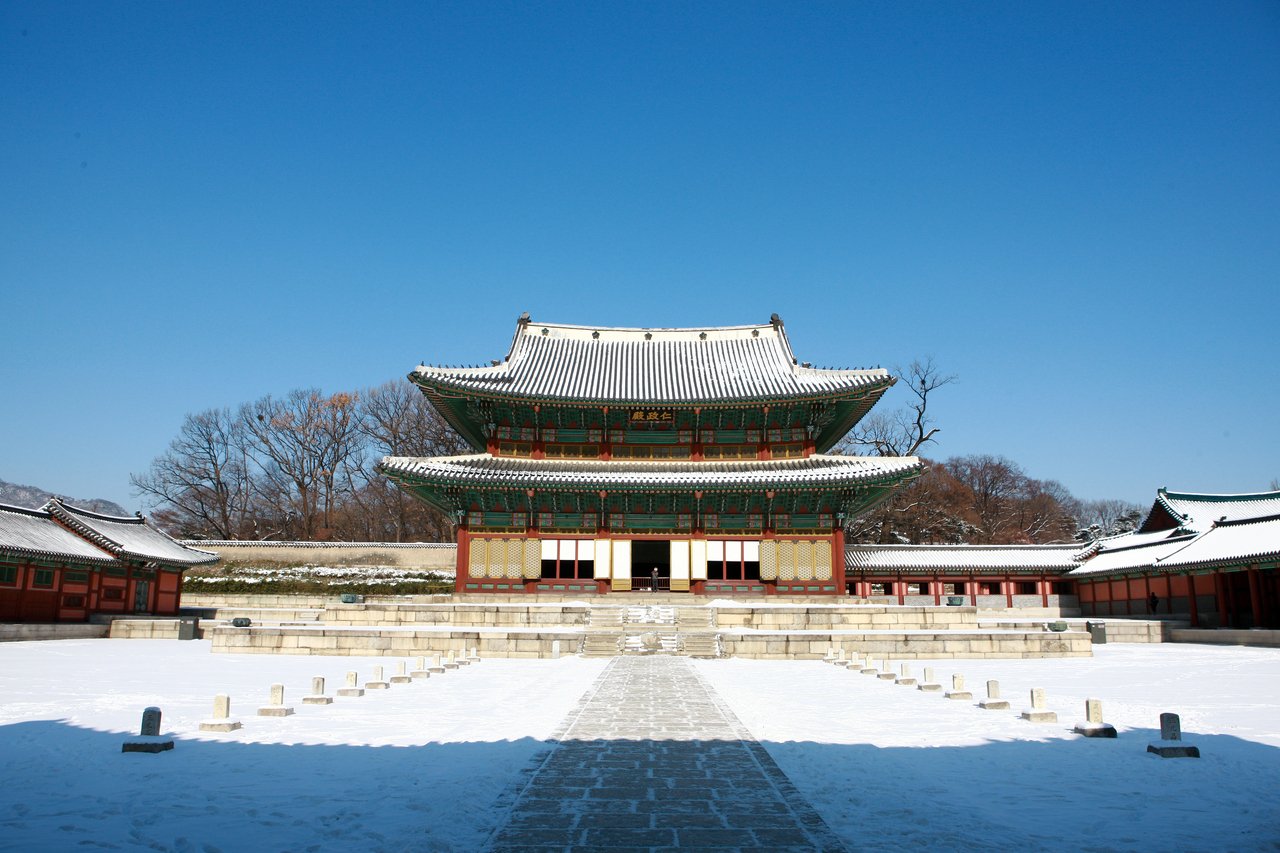
Injeongjeon (인정전) is the primary throne hall where coronations and official state affairs took place. The majestic exterior is breathtaking, but the real treat is looking inside. During special interior opening periods, you can get a close-up view of the royal throne, the magnificent sun, moon, and five peaks screen, and the highly decorated ceiling. It is a powerful display of royal authority.
Seonjeongjeon: The Blue-Glazed Roof
As you wander the grounds, keep an eye out for Seonjeongjeon (선정전). It stands out because it is the only surviving palace building in Korea roofed with blue-glazed tiles (청기와). In the Joseon era, these tiles were incredibly expensive to produce, signifying this building’s immense importance as the king’s private council hall.
Huijeongdang and Daejojeon: Tradition Meets Modernity
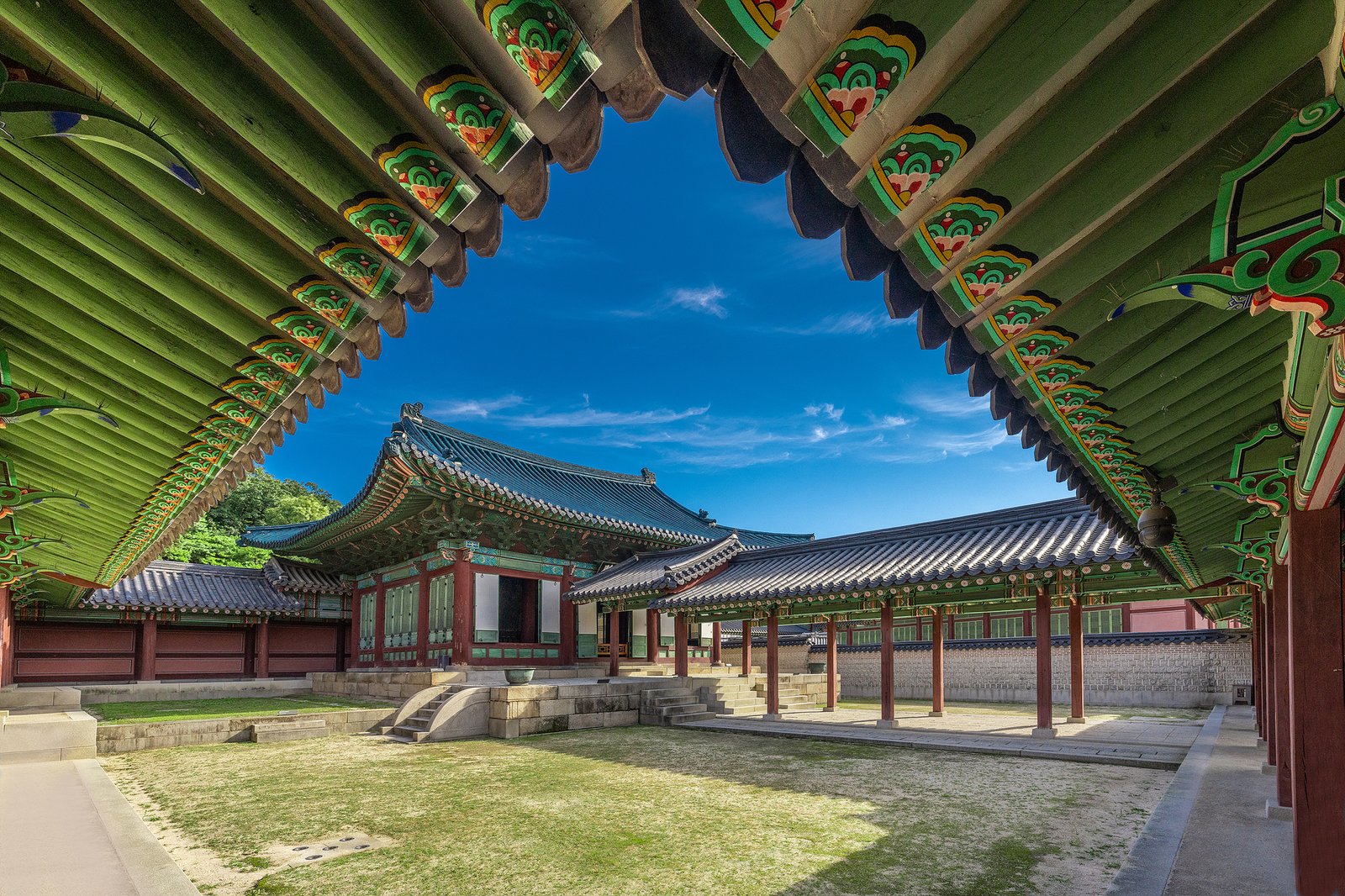
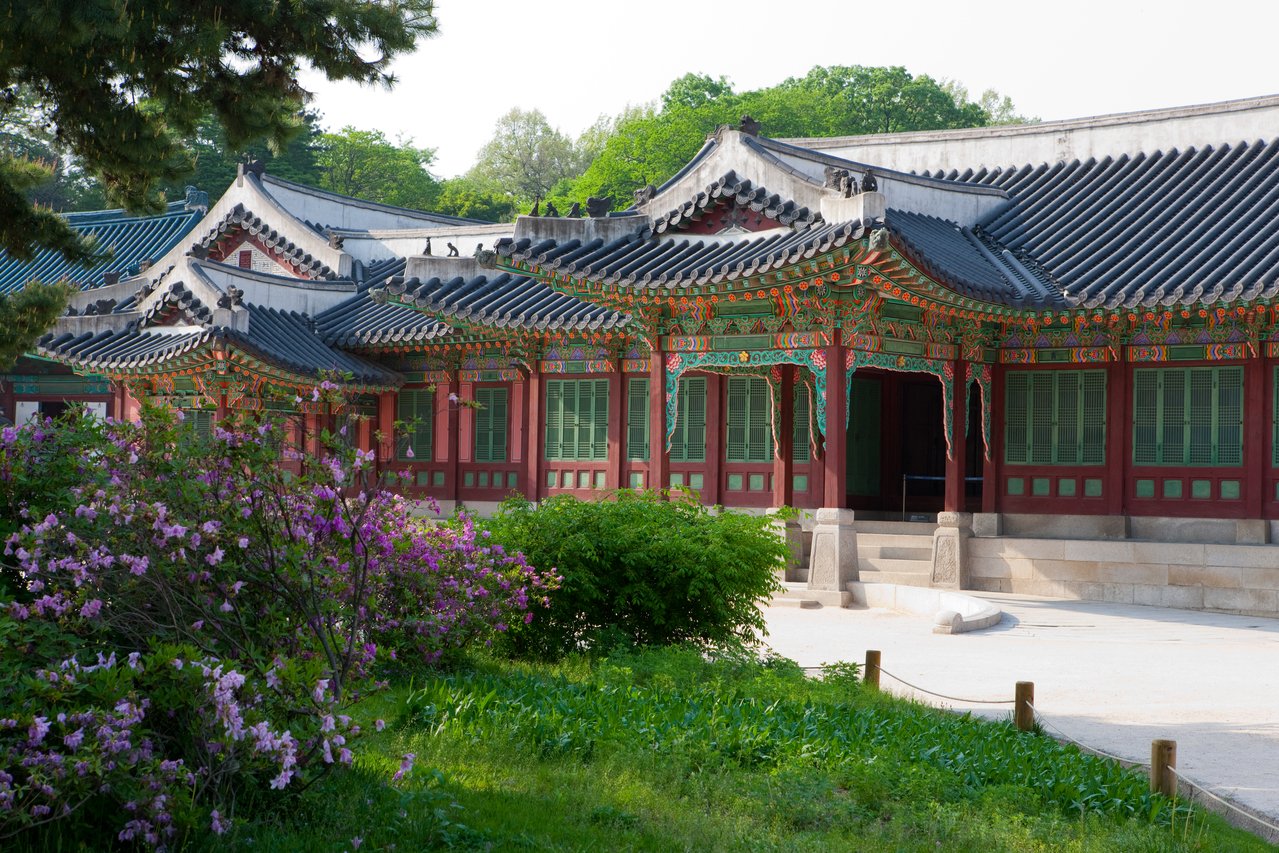
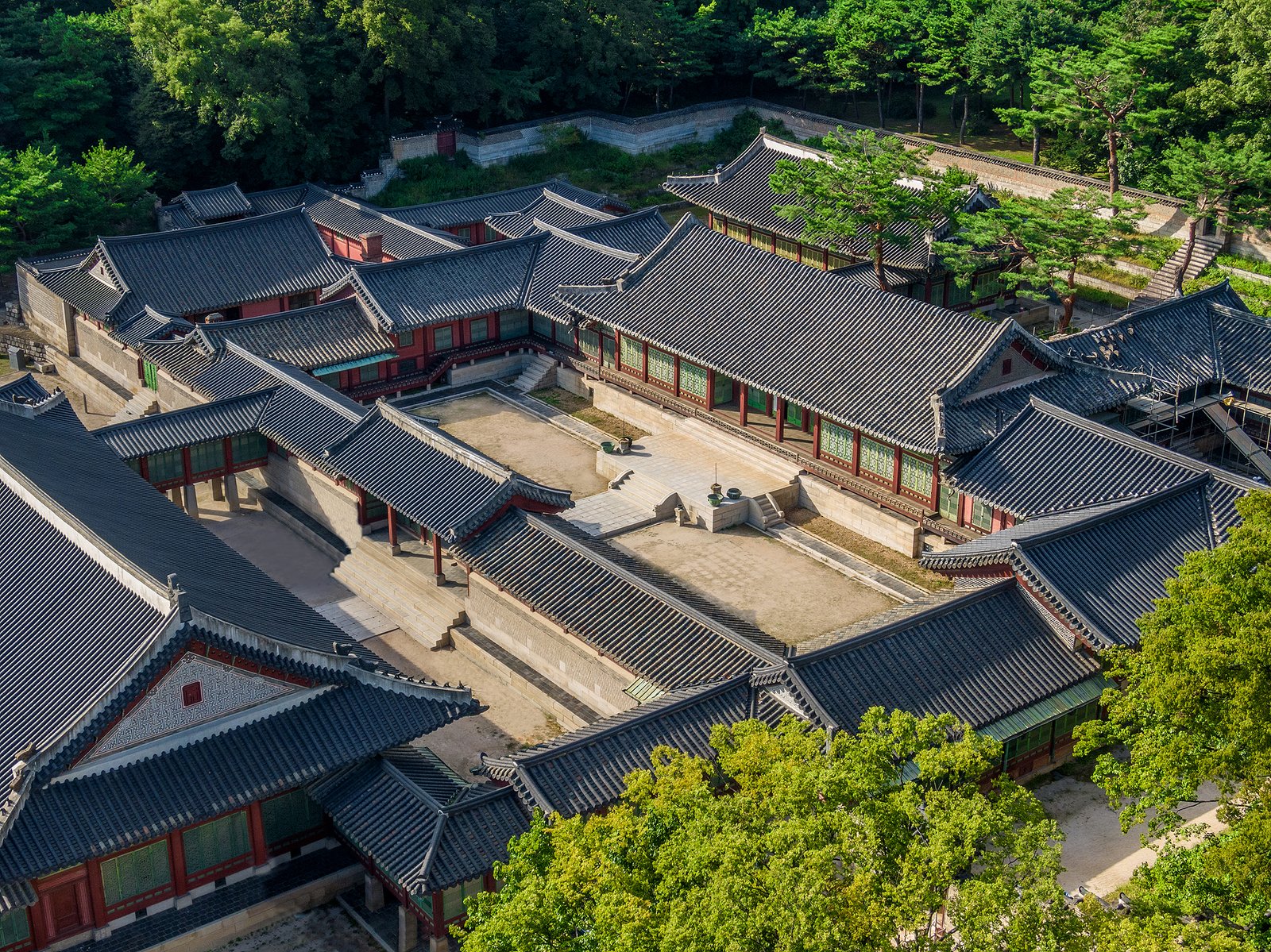
Huijeongdang (희정당) and Daejojeon (대조전) offer a fascinating glimpse into the twilight of the Joseon Dynasty. Rebuilt in the early 1900s, these buildings incorporate early modern western elements. You will notice glass windows, western-style furniture, and even early electrical lighting fixtures blending seamlessly with traditional Korean architecture.
Nakseonjae: Elegance in Simplicity
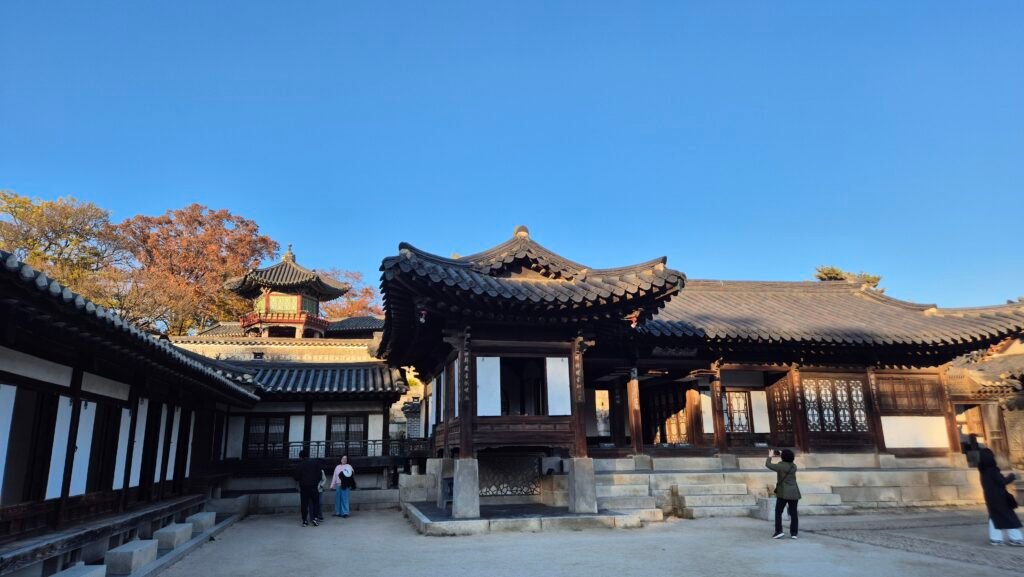
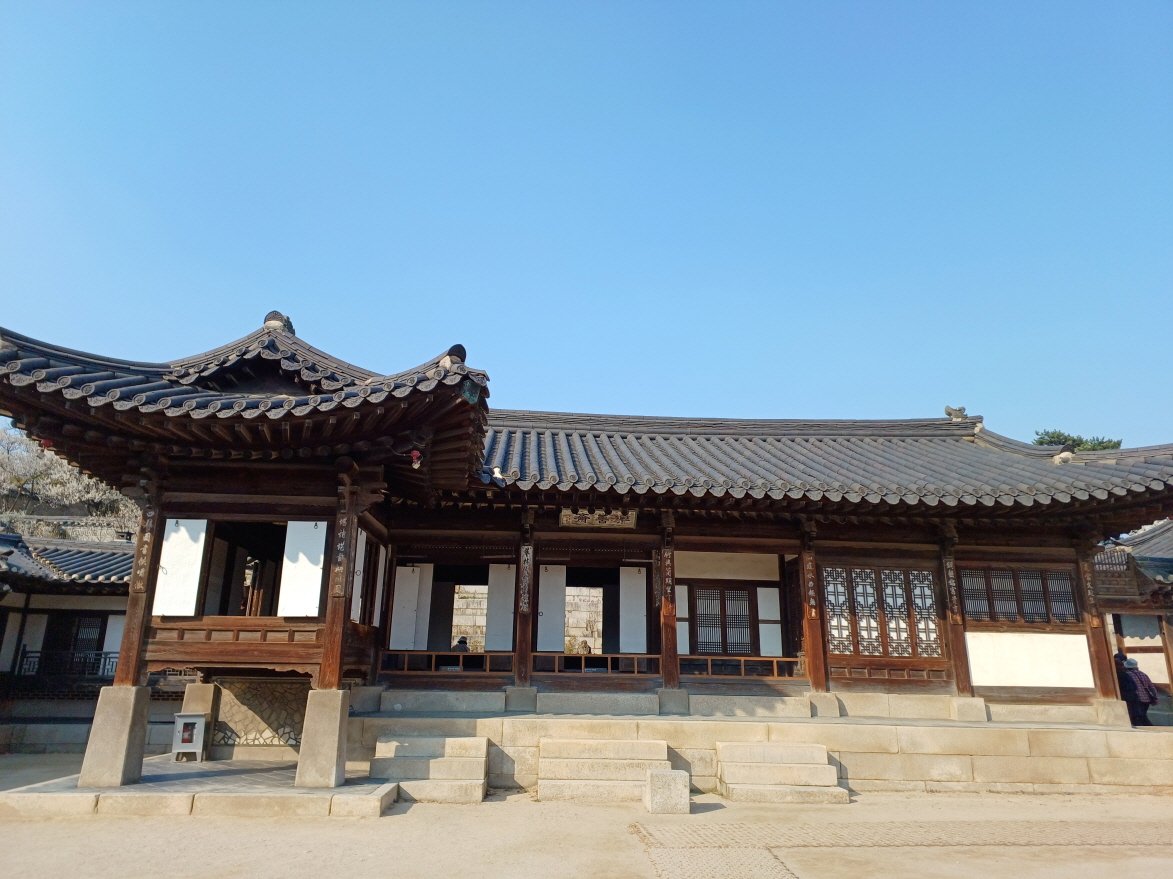
Unlike the vibrant, painted halls of the main palace, Nakseonjae (낙선재) features unpainted wood, highlighting a refined, minimalist aesthetic. It was built by King Heonjong out of love for his concubine and later became the final residence for the last surviving members of the Korean imperial family, who lived there until 1989. For a deep dive into this poignant history, be sure to read The Last Home of the Korean Imperial Family: A Guide to Nakseonjae Hall.
Exploring the Secret Garden (Huwon)
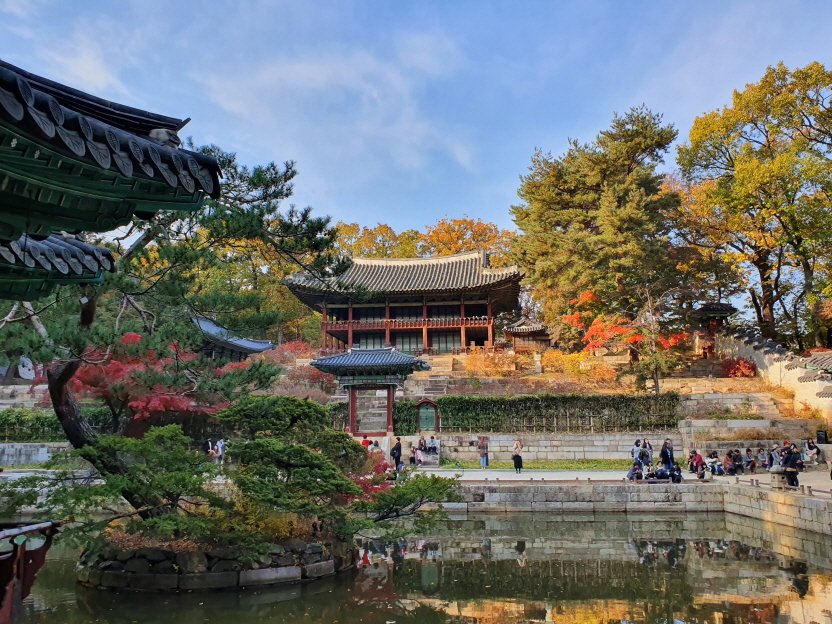
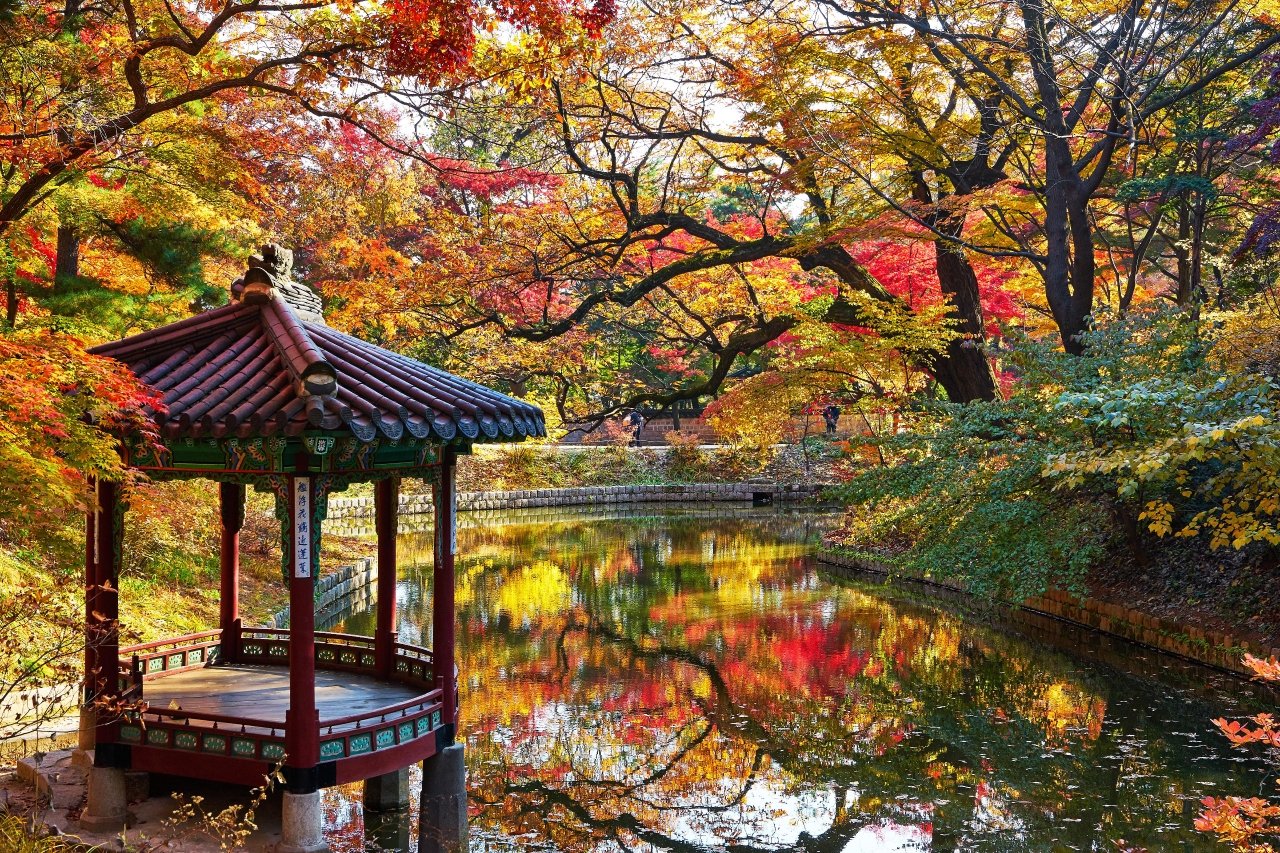
The true crown jewel of the palace is its rear garden, historically reserved exclusively for the royal family. This sprawling sanctuary features ancient trees, serene lotus ponds, and elegant pavilions perfectly integrated into the forested landscape. Because access is strictly limited to preserve the environment, securing a ticket requires some planning. For a step-by-step guide on securing your spot, check out How to Book Changdeokgung Secret Garden & Jongmyo Online (2026).
Seasonal Splendor: Spring Blossoms and Autumn Foliage
Living in Korea, I constantly remind visitors that timing your visit can completely transform your experience. This palace is a living canvas that changes breathtakingly with the seasons, offering spectacular views that make your trip truly unforgettable.
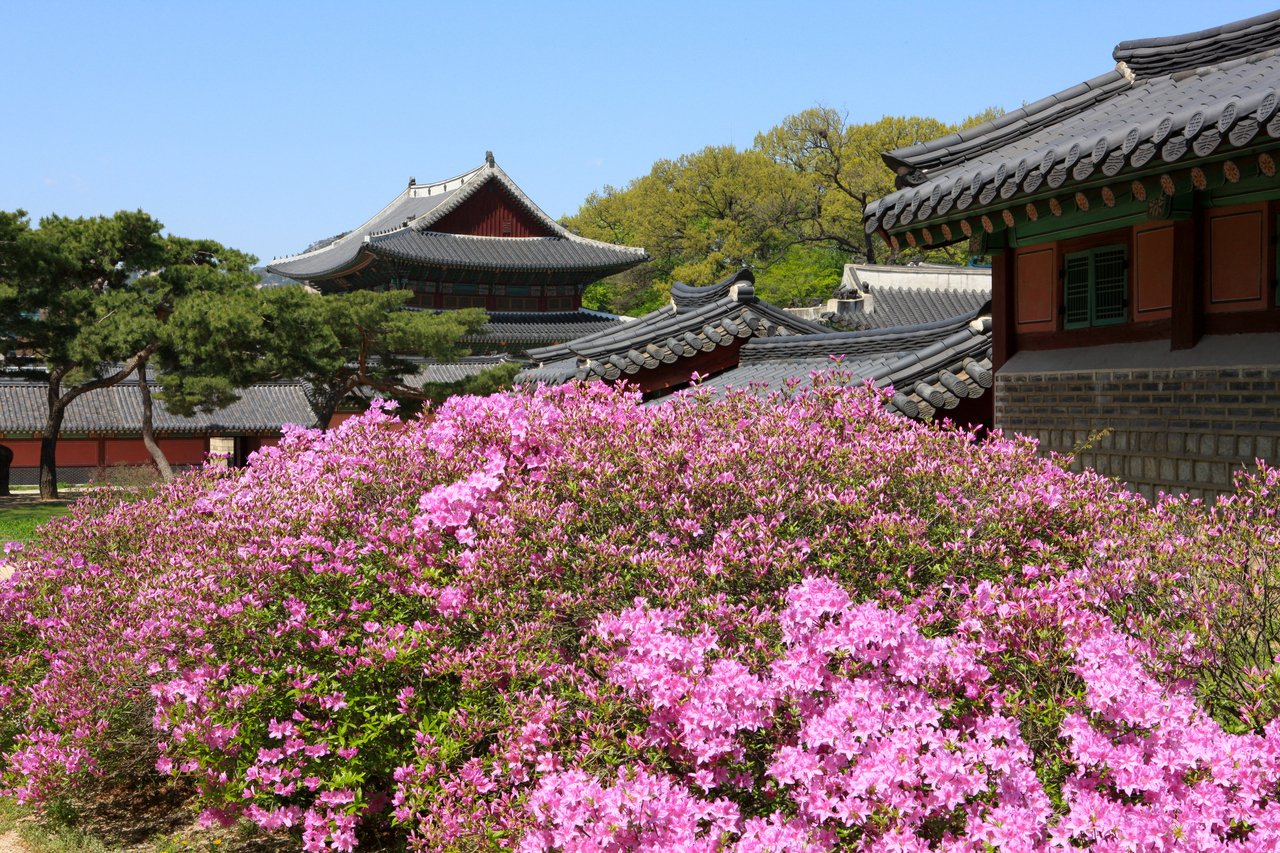
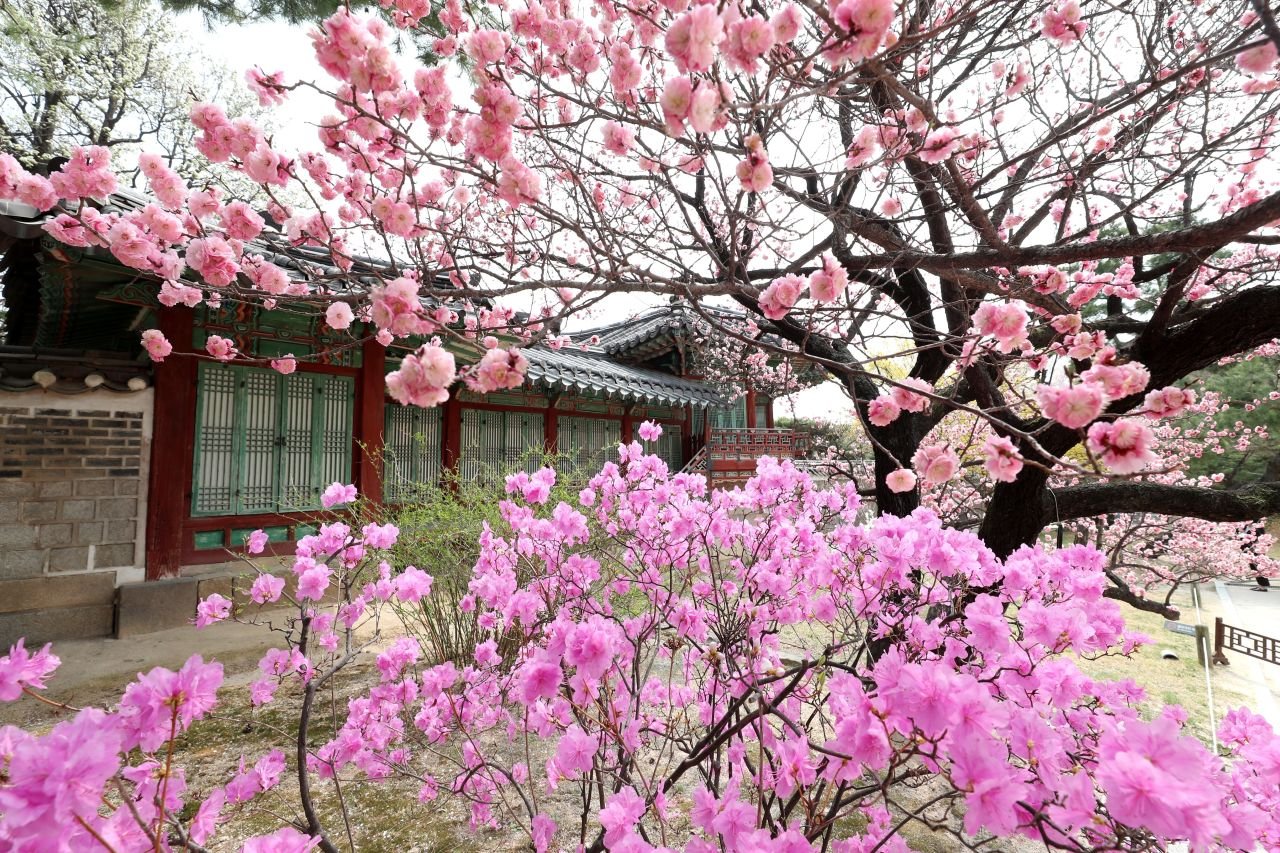
- Spring Blossoms: As the winter cold fades, the palace grounds burst into life. The delicate white and pale pink plum blossoms (매화) around Nakseonjae and Seongjeonggak are usually the first to bloom in early spring, signaling the season’s arrival. Soon after, the stunning apricot blossoms (살구꽃) near Seonjeongjeon steal the show with their lush, vibrant pink hues. You will also find charming cherry bush blossoms (앵두꽃), which were historically planted because the kings personally enjoyed harvesting their sweet fruits. Strolling through the palace to discover these specific floral spots feels like a delightful, fragrant treasure hunt.
- Autumn Foliage: When autumn arrives, the palace—and particularly the Secret Garden—transforms into a mesmerizing palette of deep reds, bright oranges, and rich golds. The autumn foliage (단풍) surrounding the serene ponds creates a mirror-like reflection of fiery maple leaves that is simply breathtaking. The crisp air and vivid colors make October and November the absolute peak times for an outdoor walking tour, offering scenery that looks straight out of a historical painting.
Best Photo Spots for the Perfect Shot
Whether you are wearing modern clothes or traditional attire, this palace offers some of the most stunning backdrops in Seoul. If you want to elevate your photos, renting a Hanbok is a must. For the best rental advice, check out our Gyeongbokgung Palace Hanbok Tour Guide : Hanbok Rental Tips, which applies perfectly to your visit here as well.
| Location | Photo Tip | Vibe / Feature |
|---|---|---|
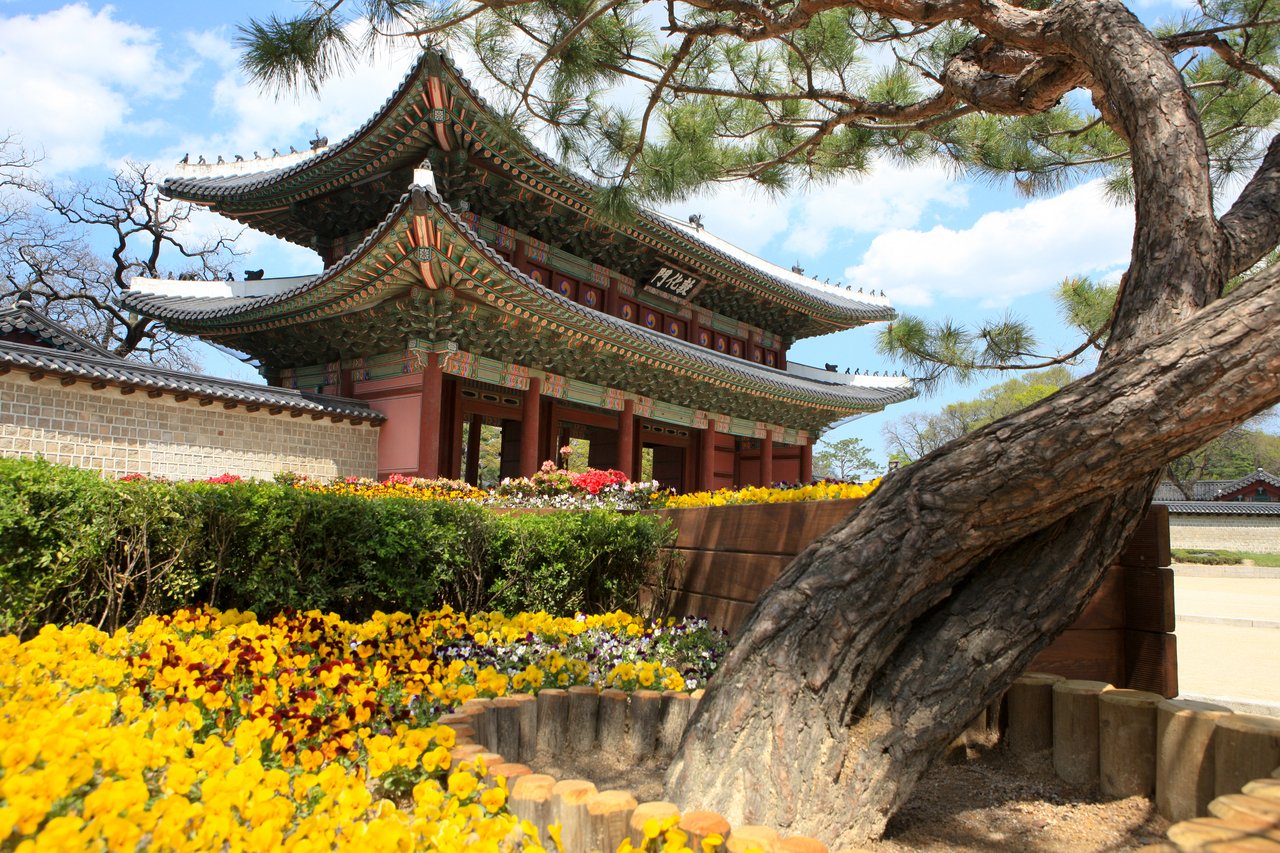
| Donhwamun Gate (돈화문) | Stand in front of the gate to capture the contrast between the grand ancient entrance and the modern city streets. | Essential starting point shot |
| Geumcheongyo Bridge (금천교) | Shoot when the sunlight filters through the ancient trees surrounding Seoul’s oldest stone bridge. | Natural and historic harmony |
| Injeongjeon Courtyard | Use a wide-angle lens to capture the textured stone pavement leading up to the majestic main hall. | Grand, royal authority |
| Nakseonjae Latticework | Take a close-up portrait against the geometric wooden windows and the decorative floral brick walls. | Intimate, minimalist elegance |
| Huijeongdang Corridors | Pose near the glass-paned doors to capture the unique blend of East and West. | Modern historic flair |
Local Tips & The Magical Moonlight Tour
To make the most of your visit, keep in mind that wearing a Hanbok grants you free admission to the main palace grounds (note that the Secret Garden tour still requires a paid ticket). Also, be sure to download the palace’s AI audio guide app(Simply search for the official free app “Odii” on the App Store or Google Play.) before you arrive; it provides incredibly detailed, location-based storytelling if you prefer to explore at your own pace.
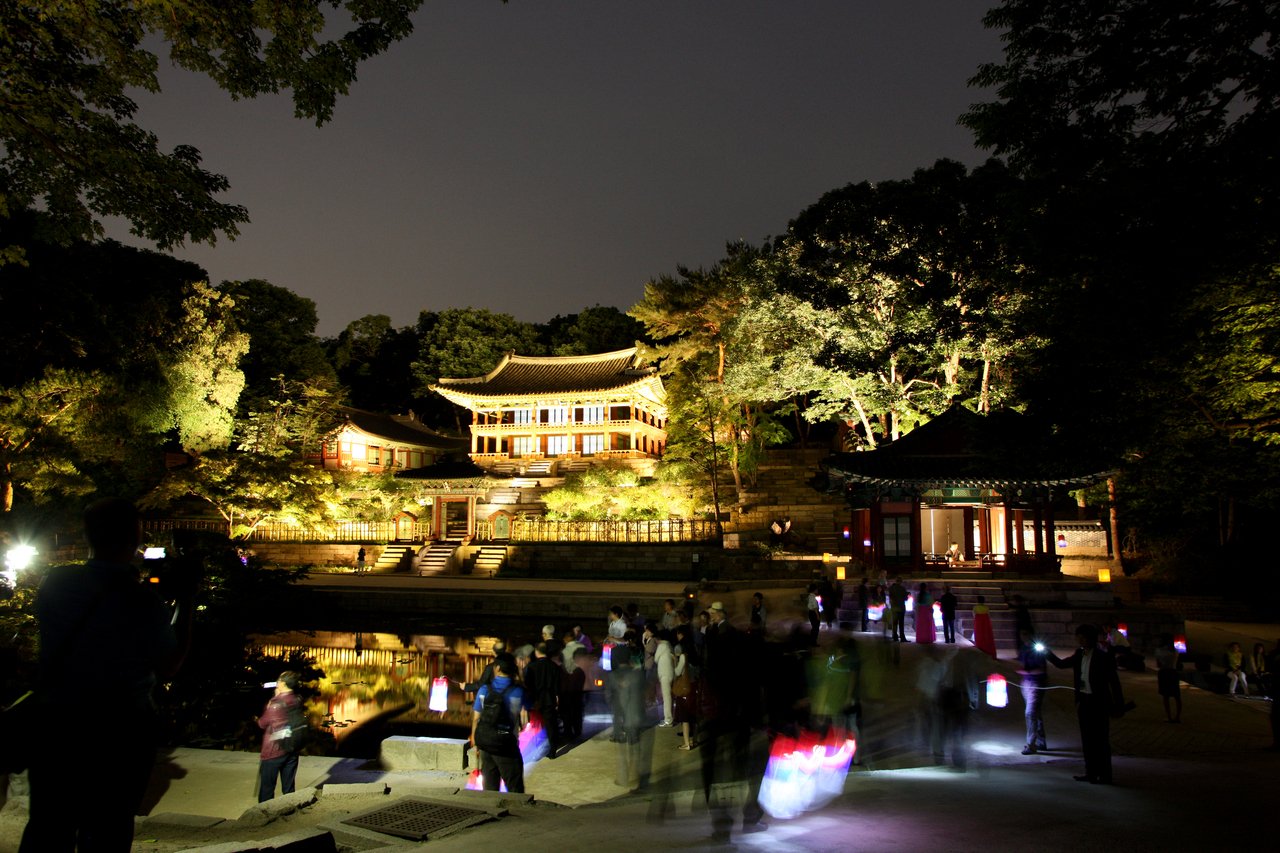
💡 Pro Tip: The Changdeokgung Moonlight Tour (창덕궁 달빛기행)
If you are visiting during the spring or autumn, you must try to book the Moonlight Tour. You will be given a traditional Cheongsachorong (청사초롱) lantern to carry as you walk through the palace and the Secret Garden under the stars. Special foreigner-only sessions are available with dedicated guides, removing any language barriers. It is widely considered by expats and locals alike to be the most magical night experience in Seoul.
*You can find the full event schedule on the Royal Palaces and Tombs Center website under the ‘Events > Cultural Events’ (행사마당 > 문화행사) section. Please note that announcements are often not updated on the English version of the site, so we highly recommend checking the Korean homepage for the most accurate and up-to-date information.
Korean Culture portal KCulture.com

Founder of Kculture.com and MA in Political Science. He shares deep academic and local insights to provide an authentic perspective on Korean history and society.