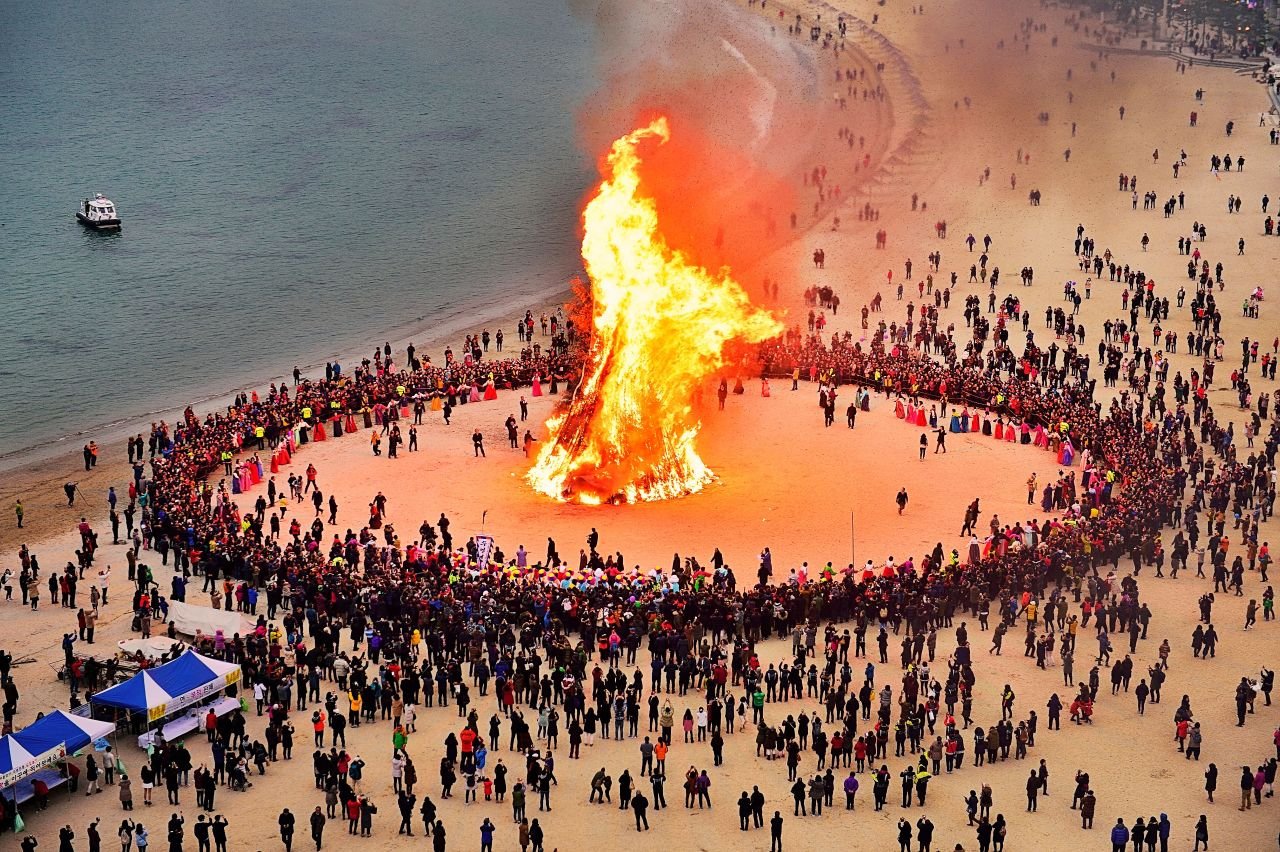
Jeongwol Daeboreum (정월 대보름) is Korea’s traditional festival celebrating the first full moon of the lunar year, serving as a pivotal moment to pray for prosperity, health, and the expulsion of misfortune. Falling on the 15th day of the first lunar month, it historically rivaled Lunar New Year in importance, marked by vibrant fire rituals like Daljip-taeugi and the sharing of symbolic “nut-cracking” traditions. As someone living in Korea, I find this day to be one of the most spiritually resonant times of the year, blending ancient agricultural rites with a deep sense of community.
- The Spiritual Significance of the First Full Moon
- Traditional Foods: Eating for Health and Abundance
- Playful Customs: From Selling Heat to Stepping on Bridges
- Traditional Rites: Awakening the Earth and Cleansing Fire
- Experiencing Jeongwol Daeboreum in Modern Korea
The Spiritual Significance of the First Full Moon
In traditional Korean agricultural society, the moon was viewed as a symbol of the feminine, the earth, and fertility. While the sun represented the start of the year, the first full moon of Jeongwol Daeboreum represented the actual “fullness” and start of the farming cycle. We believe that the brightness of this specific moon determines the fate of the year’s harvest. A bright, white moon suggests plenty of rain, while a reddish tint might hint at a drought. For us, it is a day of dynamic movement, meant to wake up the earth and chase away the lingering spirits of winter.
Traditional Foods: Eating for Health and Abundance
Food during this festival isn’t just about nutrition; it is considered “Yaksun” (medicinal food). Every bite is a wish for the body to remain strong throughout the upcoming seasons.
| Dish Name | Key Ingredients | Symbolic Meaning |
|---|---|---|
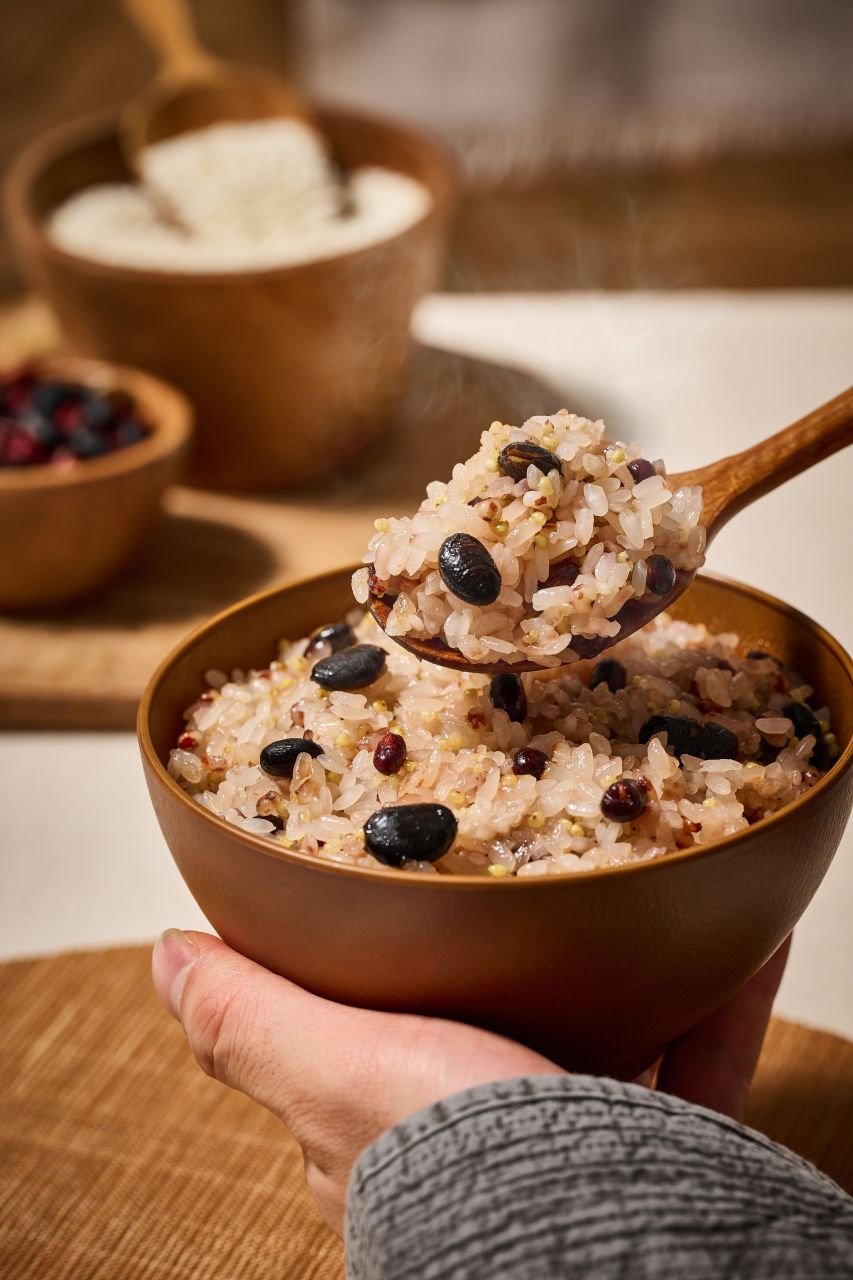
| Ogokbap (오곡밥) | Glutinous rice, millet, sorghum, red beans, black beans | Sharing this five-grain rice with at least three neighbors of different last names is said to bring luck. |
| Buram-kkaegi (부럼깨기) | Walnuts, peanuts, chestnuts, pine nuts | Cracking hard nuts with your teeth prevents skin boils and strengthens the jaw for the year. |
| Jinchaesik (진채식) | Dried radish, mushrooms, ferns, eggplant | Eating “old vegetables” dried from the previous summer helps the body withstand the coming summer heat. |
| Gwibalgisul (귀밝이술) | Chilled rice wine | “Ear-clearing wine” taken in the morning to ensure you hear only good news all year long. |
📌 Local Note: When performing Buram-kkaegi, the loud “crack” sound made when biting the nut is traditionally believed to scare away mischievous spirits that cause skin diseases!
Playful Customs: From Selling Heat to Stepping on Bridges
One of the most charming aspects of Jeongwol Daeboreum is the variety of “predictive” games and customs practiced by both children and adults. These traditions foster a sense of togetherness and lighthearted competition.
- Deowi-pagi (더위팔기): Early in the morning, if you call out a friend’s name and they answer, you quickly shout, “Buy my heat!” (내 더위 사 가라!). This supposedly transfers your upcoming summer fatigue to them.
- Dari-balgi (다리밟기): There is a fun linguistic pun here—the word for “bridge” and “leg” is the same in Korean (다리, Dari). We believe that crossing a stone or wooden bridge under the full moon will make your legs strong and keep them ache-free for twelve months.
- Dalmaj-i (달맞이): Many of us still hike up local hills to catch the first glimpse of the moon. It is the perfect time to whisper your deepest wishes for your family’s health.
💡 Pro Tip: If someone tries to sell you their heat, you can block the “transaction” by quickly shouting “Buy my heat first!” (내 더위 먼저 사 가라!) before they finish their sentence.
Traditional Rites: Awakening the Earth and Cleansing Fire
The rituals of Jeongwol Daeboreum are designed to awaken the dormant earth and purify the spirit through both rhythmic movement and the cleansing power of fire. We perform these ceremonies to soothe the land and clear away any lingering Aegun (bad luck) from the past year, ensuring a fresh start for the community.
Jisin-bapgi (지신밟기)
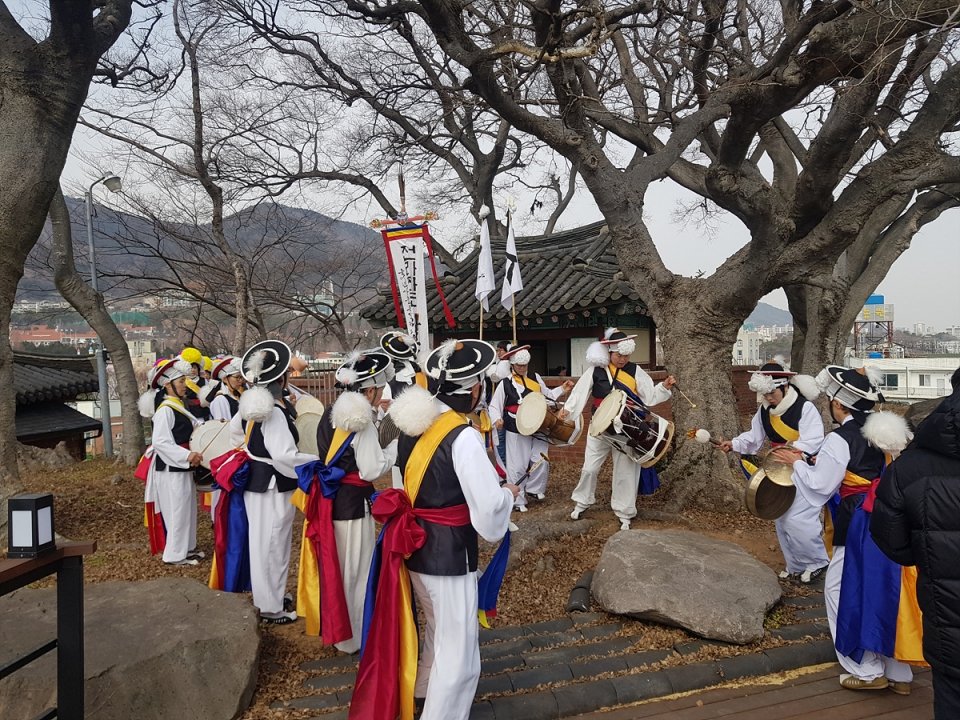
Before the bonfires are lit, the village resonates with the energy of Jisin-bapgi (지신밟기), which translates to “treading on the earth god.” A vibrant troupe of traditional percussionists (Pungmulpae) visits each household, dancing and playing gongs to rhythmically stomp on the ground. We believe this act comforts the Earth God and secures protection for the home, inviting prosperity while driving away evil spirits. It is a powerful moment of community solidarity where every step taken is a collective prayer for a peaceful and abundant year.
Daljip-taeugi (달집태우기)
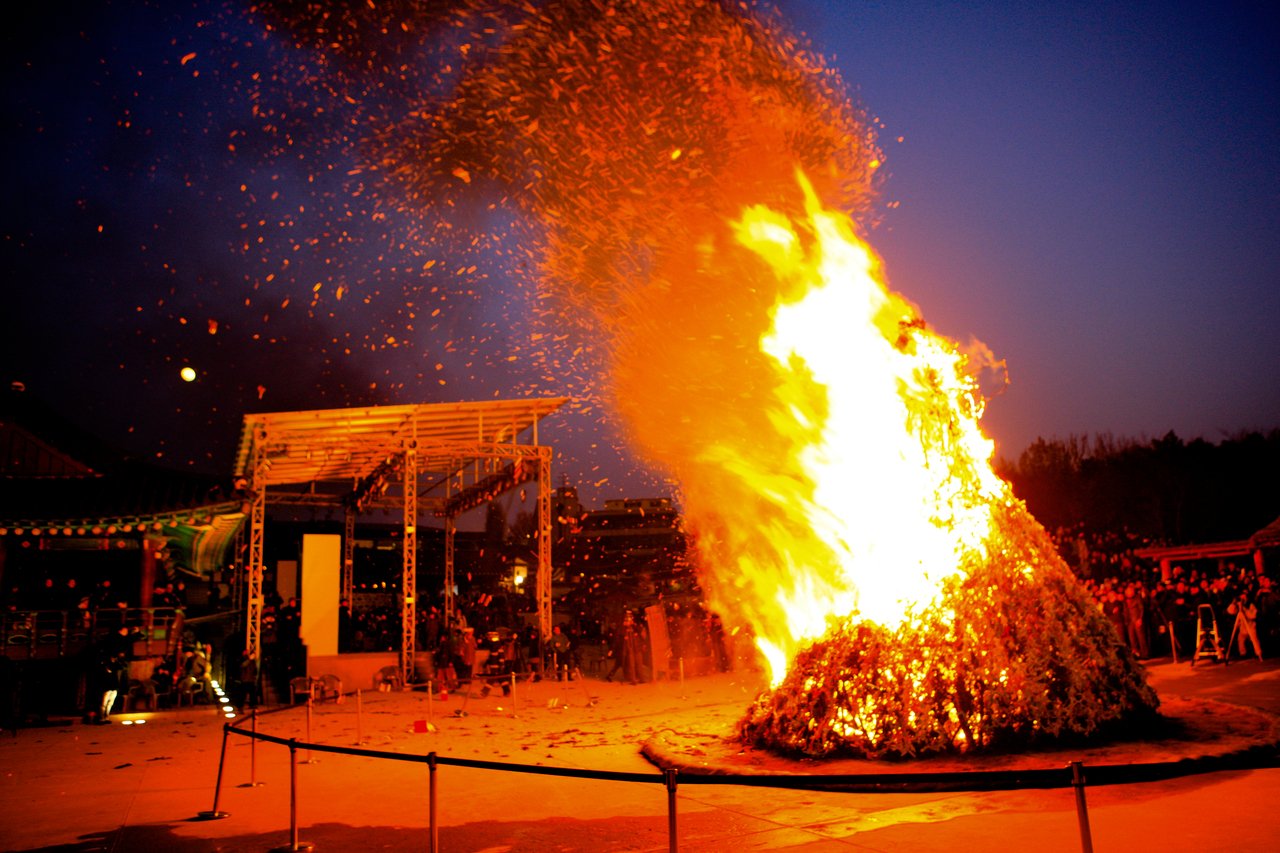
This is the highlight of the festival. We build a “Moon House” (Daljip) out of pine branches, bamboo, and straw. As the moon rises, the structure is set ablaze. The crackling sound of bamboo exploding in the heat is meant to terrify ghosts. We watch the flames intently; if the house falls toward the south, it predicts a good harvest. More importantly, it is a communal catharsis where we burn away the misfortunes of the past year and send our prayers up with the smoke.
Jwibulnori (쥐불놀이)
Historically, children would swing cans filled with burning charcoal (Jwibulnori) to burn the dry grass on the edges of rice paddies. This killed hibernating insects and their eggs. While this practice is now strictly regulated due to modern fire safety laws and the risk of forest fires, you can still see symbolic, safely managed demonstrations at designated cultural festivals.
Experiencing Jeongwol Daeboreum in Modern Korea
Even in our fast-paced digital age, the “Community Spirit” of Daeboreum survives. While you won’t see people burning fields in downtown Seoul, the tradition is very much alive in organized settings. Local governments and cultural villages host massive Daljip-taeugi events that attract thousands of spectators.
If you are in Korea during this time, I highly recommend visiting places like Namsangol Hanok Village (남산골 한옥마을) or the Korean Folk Village (한국민속촌). There, you can participate in sharing Ogokbap and watch the magnificent bonfire rituals under the safety of professional supervision. It is a powerful reminder that no matter how much technology changes, our desire for a healthy, prosperous, and connected life remains as constant as the full moon itself.
Korean Culture portal KCulture.com

Founder of Kculture.com and MA in Political Science. He shares deep academic and local insights to provide an authentic perspective on Korean history and society.