Understanding the Korean pharmacy system is the most critical step for a successful recovery after your medical procedure. In this comprehensive Korean pharmacy guide, this article will show you exactly how to navigate local pharmacies, read your prescriptions, and buy OTC medicine in Korea. Whether you are recovering from plastic surgery, dermatology treatments, or simply need an OTC painkiller in Korea, this guide walks you through the unique local procedures, packaging systems, and essential vocabulary to ensure your healing process is as smooth and safe as possible.
📌Disclaimer: The information provided in this article is for educational and informational purposes only and is not intended to serve as a substitute for professional medical advice, diagnosis, or treatment from a qualified healthcare provider or doctor.
- Why You Should Visit the Pharmacy in Your Clinic’s Building
- Reading Your Korean Prescription and Medication Rules
- How to Buy OTC Medicine and Aftercare Supplies in Korea
- Practical Tips for Medical Tourists
- Quick Vocabulary Guide for Korean Pharmacies
Why You Should Visit the Pharmacy in Your Clinic’s Building
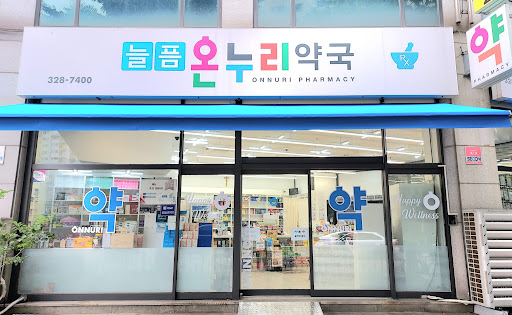
The most crucial piece of advice for visiting patients is this: always take your prescription to the pharmacy, known locally as a Yakguk (약국), located in the exact same building or on the same block as your clinic. Do not wait until you return to your hotel to pick up your medication.
Here is why staying local to your doctor is so important:
- Specialized Inventory: Korean doctors often prescribe highly specific medications from designated pharmaceutical companies. Pharmacies near plastic surgery or dermatology clinics purposefully stock specialized swelling reduction pills, specific antibiotics, and custom painkillers tailored to those exact procedures.
- Strict Substitution Laws: If you go to a pharmacy in a different neighborhood, they likely will not have the exact brand your doctor ordered. Under Korean pharmaceutical law, substituting a prescribed drug with a generic equivalent from another manufacturer requires a complex verification process or direct consent from the prescribing doctor. This can lead to delays or you being turned away empty-handed.
- Speed and Accuracy: Pharmacists near your clinic are intimately familiar with your doctor’s specific prescription patterns and forms. Even if there is a language barrier, they can process your order swiftly and accurately because they see the exact same regimen dozens of times a day.
Reading Your Korean Prescription and Medication Rules
If you are used to receiving your medication in standard orange plastic bottles, the Korean system will surprise you. Korean pharmacies pre-sort your pills by dose.
The Pouch System
Instead of giving you separate boxes or bottles for each medication, the pharmacist uses an automated machine to sort your morning, afternoon, and evening pills into individual, tear-away paper or plastic pouches. Each pouch contains exactly what you need to take at one specific time. This brilliant system prevents you from accidentally taking the wrong pill or mixing up your dosages while groggy from surgery.
💡 Pro Tip: Always double-check the writing on the pouches. They are usually stamped with “아침” (Morning), “점심” (Lunch), and “저녁” (Dinner) to keep you on schedule.
The “30 Minutes After Meals” Rule
The most universal medication instruction you will receive in Korea is to take your medicine “30 minutes after meals.” This is deeply ingrained in the Korean medical system to prevent gastrointestinal discomfort caused by strong medications. While you don’t need to time it to the exact second, making sure you have a full stomach before taking your postoperative medication is highly recommended.
The Absolute Importance of Antibiotics
For any surgical procedure, your doctor will prescribe antibiotics to prevent infection. It is absolutely vital that you finish the entire course of antibiotics provided to you, even if your swelling has gone down and you feel perfectly fine. Stopping your antibiotics early can lead to severe complications and antibiotic resistance, which could ruin your medical tourism journey.
How to Buy OTC Medicine and Aftercare Supplies in Korea
You do not always need a prescription to get relief. If you need to buy medicine in Korea for minor issues or post-surgery maintenance, you can ask the pharmacist directly for Over-The-Counter (OTC) products.
Finding an OTC Painkiller in Korea
If you have a minor headache or body ache, you can easily purchase an OTC painkiller in Korea. It is best to use the generic chemical name or a famous global brand name. Tylenol (Acetaminophen) is widely available. If you prefer Ibuprofen, ask for local brands like Advil, Brufen, or Taksen. Simply step up to the counter and ask for them by name.
Artificial Tears
Following vision correction surgeries (like LASIK/LASEK) or facial contouring procedures, your eyes may feel extremely dry. You can easily purchase standard moisturizing artificial tears without a prescription. Just keep in mind that high-concentration hyaluronic acid drops do require a doctor’s prescription. For the OTC version, simply ask the pharmacist for standard moisturizing drops.
Scar Ointments for Cosmetic Aftercare
Managing your incisions properly is the secret to flawless cosmetic results. Korean pharmacies stock world-class scar ointments over the counter. Famous brands like Kelocote, Dermatix Ultra, and Noscarna are readily available. These silicone-based gels and healing creams are essential for preventing raised scars once your stitches are removed.
Practical Tips for Medical Tourists
To make your recovery as stress-free as possible, keep these local operational quirks in mind:
- Operating Hours & Holiday Pharmacies: Most standard pharmacies operate from 9:00 AM to 7:00 PM on weekdays. Many are closed on Sundays and national holidays. However, South Korea has a designated “Duty Pharmacy” or “Holiday Pharmacy” system (당번약국) to ensure people have access to medicine during weekends or long national holidays like Chuseok and Seollal. You can find these regionally designated open pharmacies by checking the official Pharm114 website (pharm114.or.kr), looking for the printed Pharm114 notices often taped to the doors of closed pharmacies, or simply by calling 119 (the Korean emergency and rescue number, which provides English interpretation services) to ask for the nearest open pharmacy in your current neighborhood.
- Convenience Store Emergency Meds: If it is late at night and you desperately need a basic painkiller, cold medicine, digestive aids, or pain-relief patches, head to a 24-hour convenience store (like CU, GS25, or 7-Eleven). By law, they are allowed to sell a limited selection of safe, emergency OTC medications.
- Payment Methods: Do not worry about carrying large stacks of cash. Virtually all Korean pharmacies accept international credit cards (Visa, Mastercard) for both prescriptions and OTC items.
- Overcoming the Language Barrier: While pharmacists in major medical tourism hubs (like Gangnam or Myeongdong) often speak basic English medical terms, downloading a translation app like Naver Papago or Google Translate is a lifesaver. You can type your exact symptoms and show the translated screen to the pharmacist.
Quick Vocabulary Guide for Korean Pharmacies
Save this table to your phone or take a screenshot so you can communicate your needs quickly and accurately when visiting a pharmacy in Korea.
| English | Korean Pronunciation | Korean (Hangul) |
|---|---|---|
| Pharmacy | Yakguk | 약국 |
| Prescription | Cheobangjeon | 처방전 |
| Painkiller | Jintongje | 진통제 |
| Antibiotics | Hangsaengje | 항생제 |
| Artificial Tears | Ingong nunmul | 인공눈물 |
| Scar Ointment | Hyungteo yeongo | 흉터 연고 |
| Swelling reduction pill | Bugi ppaeneun yak | 부기 빼는 약 |
| After meals | Sikhu | 식후 |
📌 Local Note: When asking for something over the counter, you can simply say the Korean word followed by “juseyo” (주세요), which means “Please give me.” For example: “Jintongje juseyo” (Please give me painkillers).
By understanding how the local medical system works, you can focus entirely on your healing and enjoy your medical tourism experience safely. For more crucial safety guidelines and cost-saving tips regarding your medical journey, explore the recommended resources below.
Related Resources
- [Hospital Translation] Translating for Surgery Korea: Costs, Risks, and Tips
- [Safety Guide] Guide to Korea Medical Tourism Insurance
- How to Find Safe Plastic Surgery Clinics in Korea
Korean Culture portal KCulture.com

The KCulture Editorial Team is dedicated to providing deep insights and accurate information about the vibrant world of Korean culture.
![[Hospital Translation] Translating for Surgery Korea: Costs, Risks, and Tips](https://kculture.com/wp-content/uploads/2026/04/medical-translation-1024x598.png)