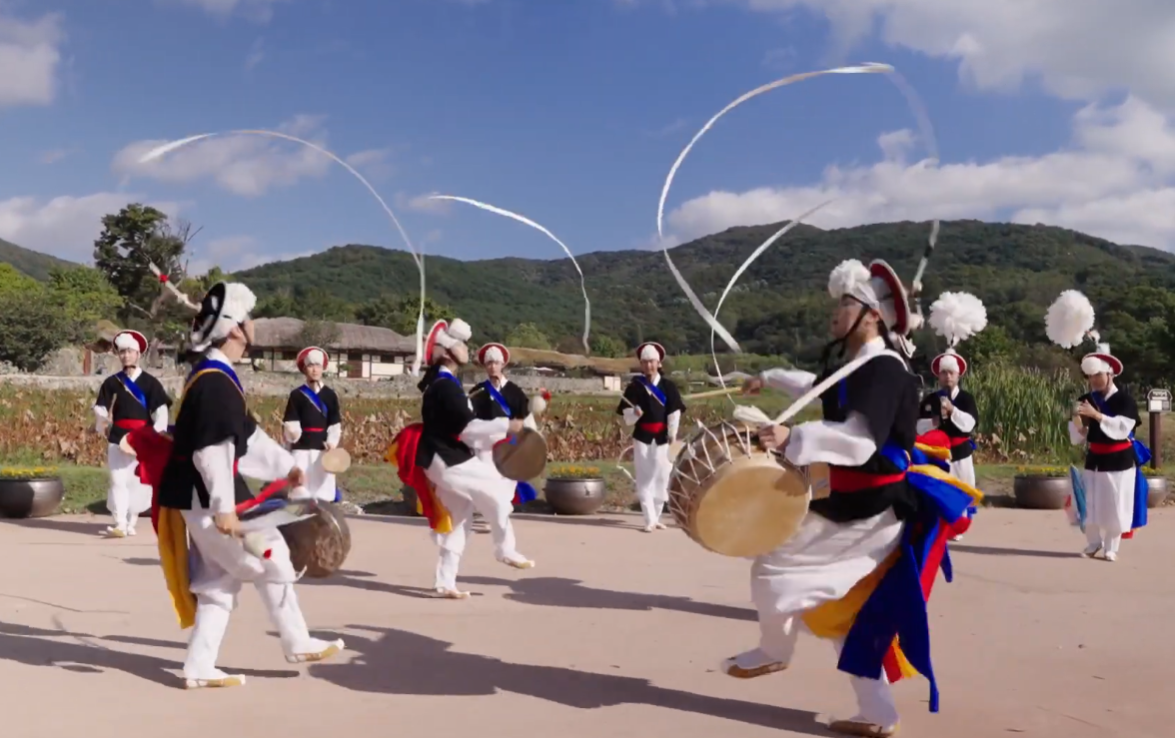
Korean traditional folk music, known as Minsokak, is the expressive, dynamic, and deeply emotional sound of the common people, standing in stark contrast to the highly structured court music of the royalty. It is fundamentally defined by the coexistence of Han (unresolved sorrow) and Heung (explosive joy), relying heavily on oral tradition and dramatic improvisation. If you have ever felt a sudden chill listening to a soulful Korean melody or found yourself instinctively tapping your feet to a thunderous percussion beat, you have already felt the profound power of this music.
Living in Korea, I have come to realize that while the grand palaces show you how the kings lived, it is the raw, unpolished rhythms of the streets and villages that reveal how the Korean people truly survived and thrived. For travelers and culture enthusiasts wanting to dive past the surface of modern K-pop, understanding the grassroots sounds of Korea is an absolute must. In this guide, we will explore the stark differences between royal and folk music, uncover the major genres of the commoners, trace its modern evolution, and point you to the best venues to experience these soul-stirring performances live during your visit.
- What is Korean Traditional Folk Music?
- Jeongak vs. Minsokak: Court Royals vs. The Commoners
- Major Genres of Korean Traditional Folk Music
- History and Social Meaning Behind the Notes
- Modern Evolution: Folk Music in the 21st Century
- Where to Experience Live Folk Music in Korea
- Explore More About Korean Music
What is Korean Traditional Folk Music?
To understand the musical landscape of Korea, you first need to look at the overarching umbrella of traditional Korean music, known as Gugak. Within this broad category, music is historically divided by class. While the upper-class elites enjoyed refined and meditative tunes, the working class poured their sweat, tears, and laughter into Minsokak (folk music).
At its core, this music is a vessel for raw human emotion. It masterfully balances Han—a complex cultural concept representing deep sorrow, oppression, and unresolved resentment—with Heung, which is an overwhelming sense of joy, excitement, and energy that overcomes that very sorrow. Unlike Western classical music, which relies heavily on strict sheet music, Korean folk melodies were passed down through generations via oral tradition. This allowed for immense improvisation, complex off-beats, and a level of theatrical expression that makes every single performance beautifully unique.
Jeongak vs. Minsokak: Court Royals vs. The Commoners
To truly appreciate the vibrancy of folk music, it helps to see how it differs from Jeongak, the music of the royal court and the Yangban (aristocrat) class.
| Feature | Jeongak (Court/Elite Music) | Minsokak (Folk Music) |
|---|---|---|
| Audience | Kings, royals, and aristocrats | Farmers, merchants, and commoners |
| Vibe & Tone | Elegant, slow, meditative, restrained | Dynamic, fast-paced, emotional, dramatic |
| Structure | Strictly composed, read from sheet music | Improvisational, passed down orally |
| Purpose | State rituals, banquets, personal cultivation | Laboring, village festivals, emotional release |
Major Genres of Korean Traditional Folk Music
The sounds of the common people manifested in several distinct styles, ranging from intimate solo performances to massive, earth-shaking ensemble pieces.
Pansori (Epic Storytelling through Song)
Recognized as a UNESCO Intangible Cultural Heritage, Pansori is a gripping one-person musical drama. A single vocalist (sorikkun) weaves an epic narrative using singing, speaking, and dramatic gestures, accompanied only by a single drummer (gosu). These performances can demand incredible physical stamina, sometimes lasting up to eight hours! Because this art form is so deep and expansive, we highly recommend checking out our dedicated guide on what Pansori is and its profound impact on Korea’s musical soul.
Minyo (Folk Songs)
Minyo are the everyday songs of the people, sung during backbreaking labor, village rituals, or simple moments of leisure. They are heavily colored by regional characteristics. For instance, Gyeonggi Minyo (from the central region) is clear and cheerful, Namdo Minyo (from the south) is sorrowful and highly dramatic, and Seodo Minyo (from the northwest) features a distinct nasal resonance and vibrato. Of course, the most famous Minyo globally is “Arirang.” To uncover the layers of meaning behind this iconic tune, read our deep dive into what Arirang represents in both traditional and modern contexts.
Sanjo (Solo Instrumental Music)
Often referred to as the “flower of traditional instrumental music,” Sanjo is a breathtaking solo performance played on instruments like the Gayageum (zither) or Daegeum (bamboo flute), accompanied by an hourglass-shaped drum. The piece always begins at a very slow, agonizingly beautiful tempo (Jinyangjo) and gradually accelerates into a furious, high-speed climax (Hwimori). It requires absolute technical mastery and allows the musician to show off brilliant improvisational skills.
Nongak & Samulnori (Farmers’ Band & Percussion Quartet)
Nongak is the quintessential outdoor music of agrarian Korea. Villagers would gather with gongs and drums to pray for a good harvest, dance, and celebrate holidays in a massive, energetic procession. In the late 1970s, this outdoor tradition was reimagined for the indoor stage as Samulnori. Featuring a seated quartet playing four specific percussion instruments—the kkwaenggwari (small gong), jing (large gong), janggu (hourglass drum), and buk (barrel drum)—it delivers an intensely powerful, driving rhythm that will make your heart pound.
Sinawi (Shamanistic Improvisational Ensemble)
Rooted deep in Korean Shamanism (Musok), Sinawi originated as the background music for rituals intended to console spirits and pray for the village’s well-being. It is an ensemble piece where multiple instruments play their own distinct melodies simultaneously without a set score. The result is a chaotic yet mesmerizing harmony, frequently compared by music scholars to Western Free Jazz.
History and Social Meaning Behind the Notes
To listen to Korean traditional folk music is to listen to the history of the peninsula. In an agrarian society, communal music like Nongak and labor songs were survival tools; they provided the rhythmic pacing needed to endure grueling fieldwork and forged unbreakable bonds of cooperation within the village.
Furthermore, during the strictly stratified Joseon Dynasty, music served as a crucial emotional sanctuary. Through the satirical lyrics of Pansori and mask dances, commoners could safely mock the corrupt aristocrats and vent their frustrations. It was a safe space for emotional liberation. Tied closely to indigenous shamanic beliefs, these sounds also reflected a deep respect for nature and a spiritual desire for communal peace.
Modern Evolution: Folk Music in the 21st Century
If you think traditional music in Korea is locked away in dusty museums, think again! Today, folk music is experiencing a massive, global renaissance. Younger artists are taking the DNA of Minsokak and fusing it with modern pop, rock, jazz, and EDM. Bands like ‘Inalchi’ (who went viral with their funky, synth-heavy takes on Pansori) and ‘Jambinai’ (who use traditional instruments to play heavy post-rock) have brought these ancient sounds to the global stage.
Simultaneously, the pure, orthodox forms are fiercely protected. Through the National Intangible Cultural Heritage system, master musicians are designated as “Human Cultural Assets,” ensuring that these incredibly difficult oral traditions are systematically taught and preserved in national institutions and specialized art schools.
💡 Pro Tip: Before your trip, try adding some “fusion Gugak” bands to your Spotify playlist. Listening to modern crossovers will actually make it much easier to recognize the traditional rhythms and instruments when you finally hear them live in Korea!
Where to Experience Live Folk Music in Korea
For visitors, seeing a live performance is an unforgettable experience. Here are the best, locally-approved spots to immerse yourself in the authentic sounds of Korea, along with how to find their schedules.
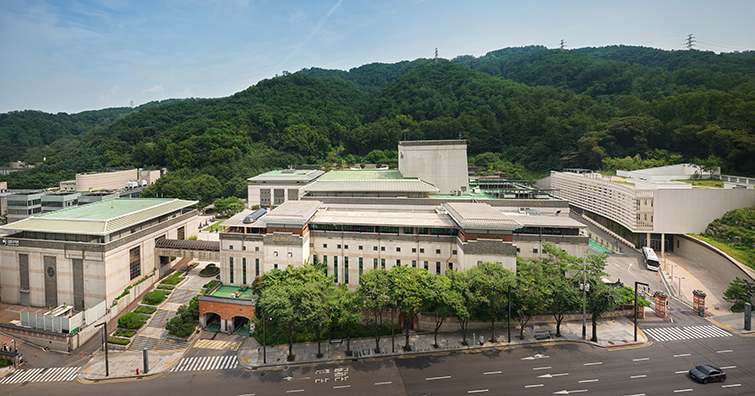
- National Gugak Center (국립국악원): Located in Seocho-gu, Seoul, this is the headquarters for traditional arts. Their “Saturday Performance of Korean Traditional Music and Dance” is phenomenal and often features English subtitles, making it highly accessible for tourists wanting to experience authentic Sanjo and Minyo. You can check their detailed monthly performance schedules and book tickets directly through the National Gugak Center Official Website.
- Seoul Donhwamun Traditional Theater (서울돈화문국악당): Situated right in front of Changdeokgung Palace in Jongno-gu, Seoul, this beautiful Hanok-style theater is specifically designed for acoustic performances. Listening to folk music here without the interference of modern microphones allows you to feel the true resonance of the instruments. Performance schedules and program details are regularly updated on the Seoul Donhwamun Traditional Theater Website.
- Korean Folk Village (한국민속촌): Located in Yongin-si, Gyeonggi-do, this expansive replica of a Joseon-era village is the perfect backdrop. They host highly energetic, outdoor Nongak (farmers’ band) performances every single day. Daily performance times vary by season, so be sure to check the ‘Performance Guide’ section on the Korean Folk Village English Website before your visit.
- National Jeongdong Theater (정동극장): Found in Jung-gu, Seoul, this theater is famous for taking traditional arts and weaving them into highly visual, modern theatrical performances that are incredibly engaging for an international audience. They usually run seasonal or long-term shows. You can find the current show lineup, dates, and ticket information on the National Jeongdong Theater Official Website.
- Jeonju International Sori Festival (전주세계소리축제): If you visit in the autumn, you must travel to Jeonju. This world-class music festival is a celebration of vocal music, bringing together the absolute best of Korean Pansori and global world music into one massive, vibrant event. The festival lineup, timetables, and artist information are posted a few months prior on the Jeonju International Sori Festival Website.
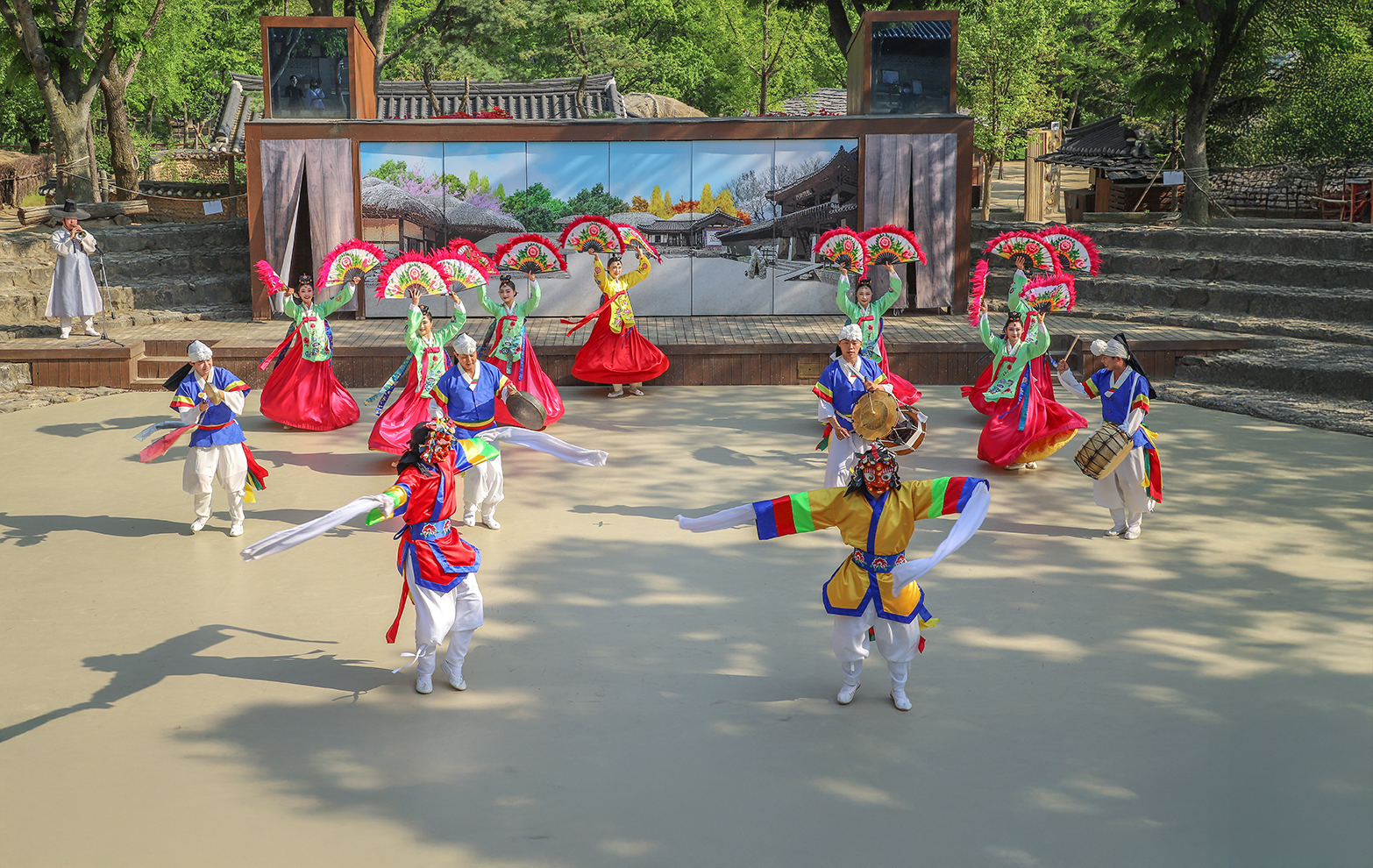
📌 Local Note: When attending outdoor performances like Nongak at the Korean Folk Village, don’t be shy! These performances are historically meant to be interactive. When the musicians hype up the crowd, clapping along and shouting “Eolssu!” (얼쑤! – an exclamation of joy) is highly encouraged and will earn you big smiles from the performers.
Explore More About Korean Music
Ready to dive deeper into the sounds of Korea? Continue your musical journey with these essential reads:
- Traditional Korean Music: Gugak, Pansori, Daechwita
- What is Pansori? A Deep Dive into Korea’s Musical Soul
- What is Arirang? The Deep Meaning Behind the BTS New Album
Korean Culture portal KCulture.com

Founder of Kculture.com and MA in Political Science. He shares deep academic and local insights to provide an authentic perspective on Korean history and society.