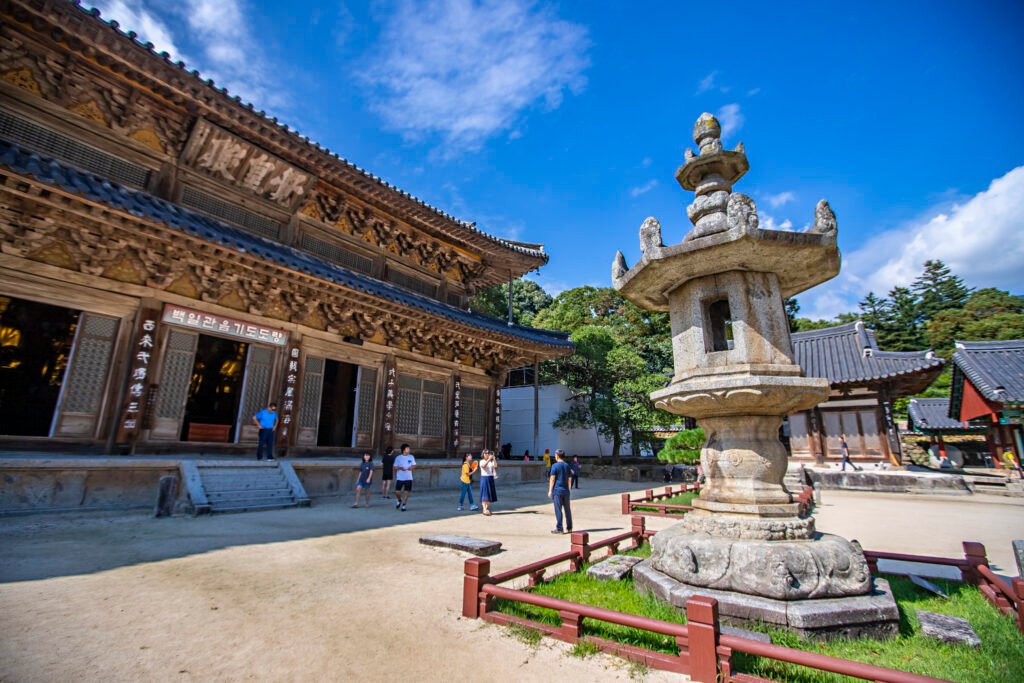
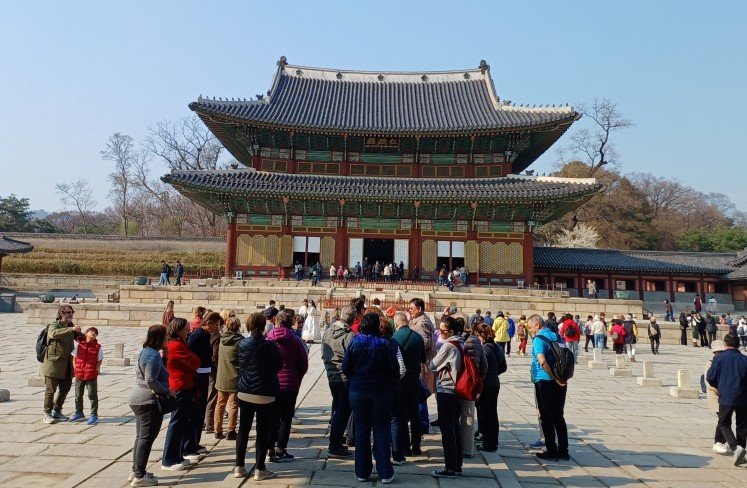
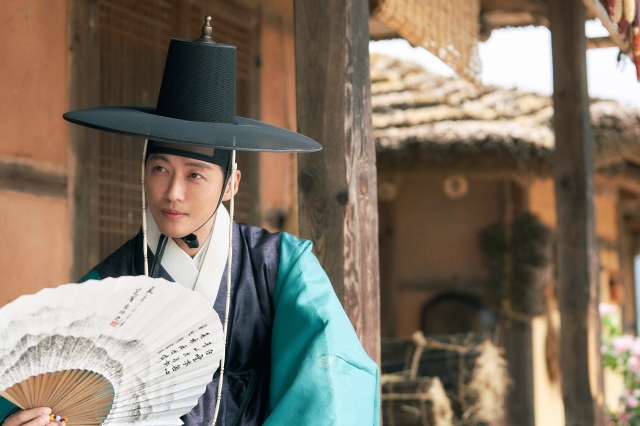
Buddha’s Birthday in Korea, falling on Sunday, May 24 this year, is a national public holiday celebrated with the spectacular Lotus Lantern Festival, temple rituals, and a nationwide sharing of compassion and peace. Note for travelers: Because the holiday falls on a Sunday this year, the following Monday (May 25) has been officially designated as a substitute public holiday, so plan your travels accordingly! For many travelers from the West, encountering such a massive Buddhist celebration in a country widely known for its deep Confucian roots can feel a bit surprising. Living in Korea, I have seen firsthand how this day bridges ancient traditions with modern life. In this guide, we will explore why a historically Confucian nation holds Buddhism so close to its heart, uncover the vibrant customs of this special day, and answer whether it is actually the historical Buddha’s real birthday.
- What is Buddha’s Birthday in Korea?
- Why a Confucian Nation Celebrates Buddhism
- Is It the Actual Birthday of the Buddha?
- How Koreans Celebrate: Customs and Activities
- Global Celebrations: Vesak and Beyond
- Further Reading for Your Cultural Journey
What is Buddha’s Birthday in Korea?
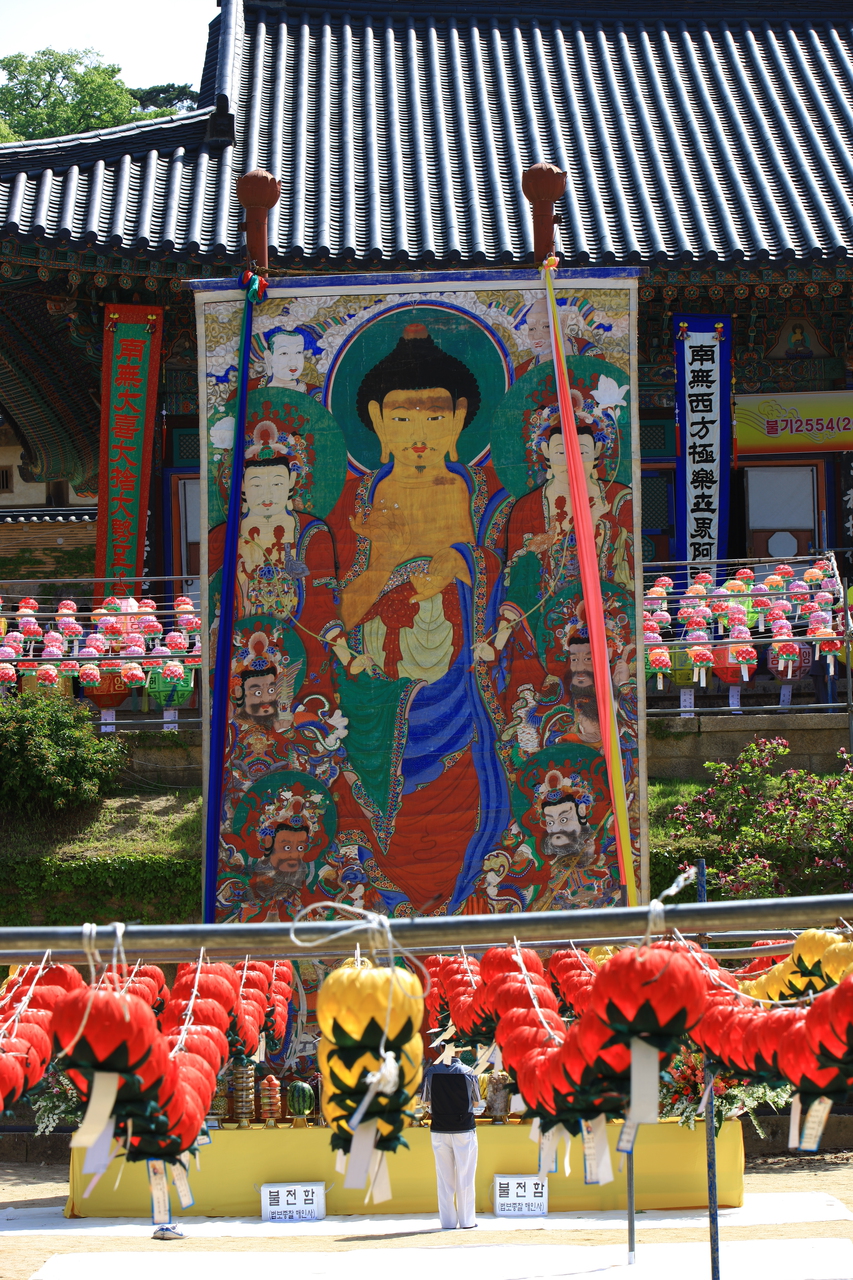
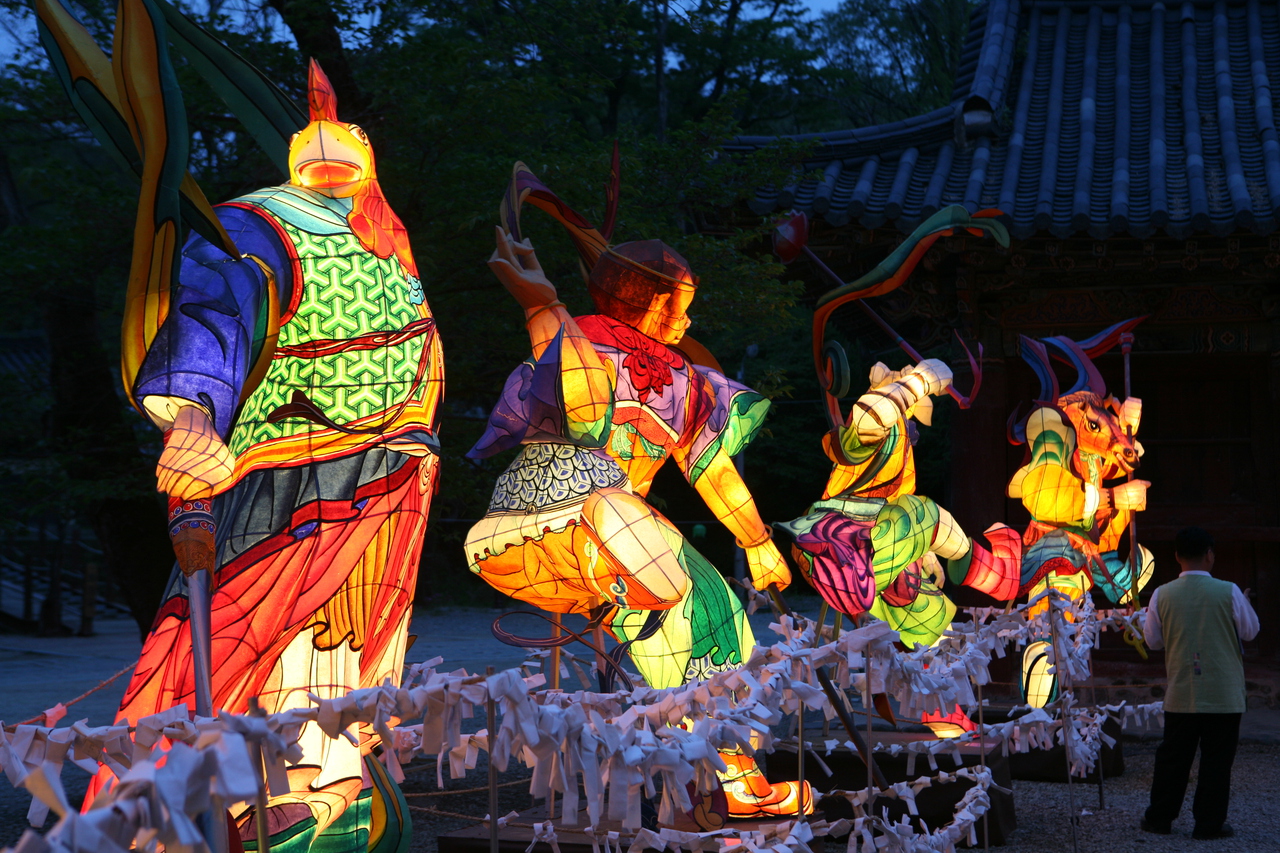
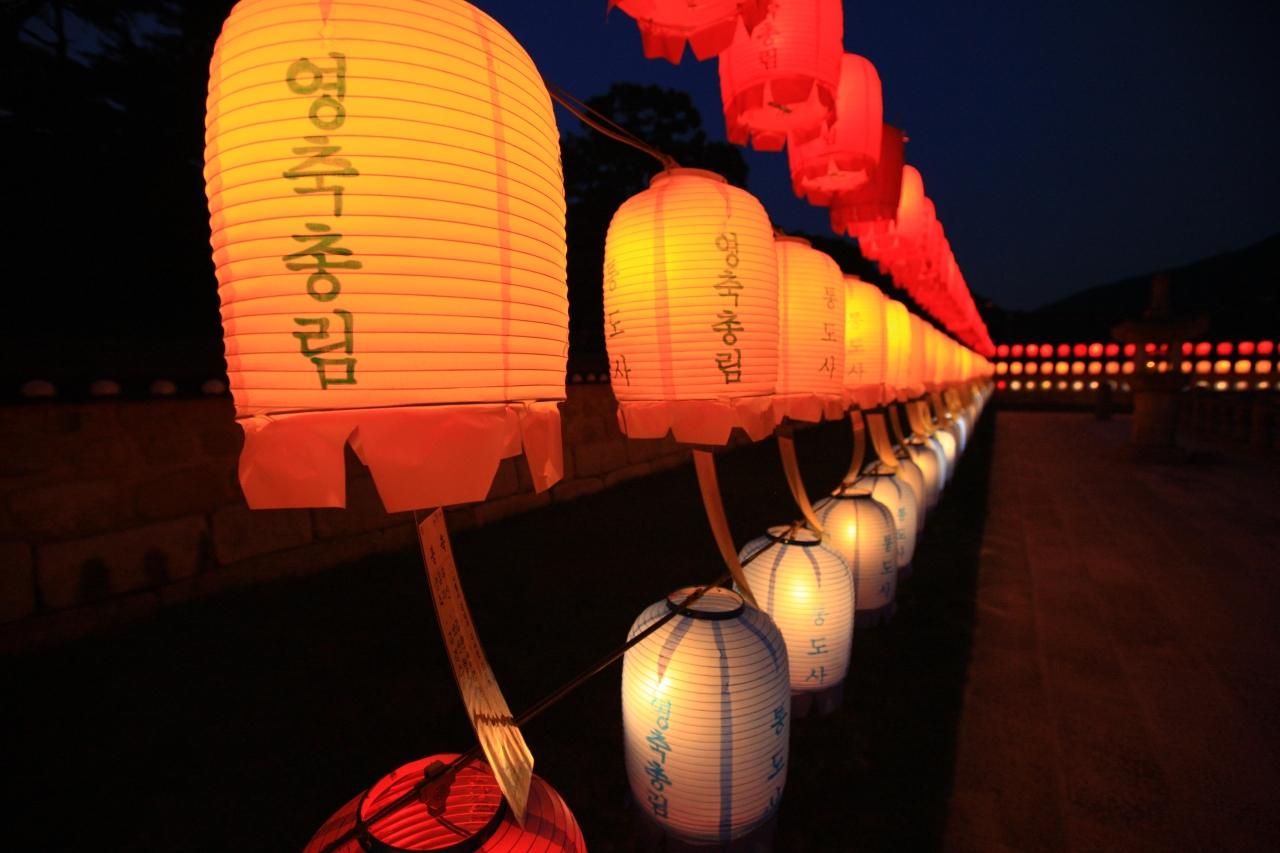
In Korea, the holiday is officially known as Seokga Tansinil, meaning the “Birthday of Shakyamuni Buddha,” though most locals simply call it Bucheonim Osin Nal, which beautifully translates to “The Day Buddha Came.” Set against the vibrant green backdrop of late spring, it transforms the entire country into a glowing sea of colorful paper lanterns.
💡 Cultural Insight: If the West has December snow and Christmas trees, Korea’s May is painted with lush greenery and vividly colored lotus lanterns. While Christmas is a joyous day of exchanging gifts, Buddha’s Birthday is a serene celebration of washing one’s mind and blessing all living beings with peace.
Why a Confucian Nation Celebrates Buddhism
Buddhism first arrived on the Korean peninsula over 1,600 years ago during the Three Kingdoms period. It enjoyed a golden age as the state religion during the Unified Silla and Goryeo dynasties. However, the Joseon Dynasty abruptly shifted the nation’s ideology, actively suppressing Buddhism while elevating Confucianism for over 500 years. So, how did this Buddhist holiday survive to become a beloved national celebration?
- Solace for the Common People: While the Joseon royal court adopted Confucianism as its political and ruling ideology, everyday people continued to lean on Buddhism for comfort, healing, and answers to life’s deepest questions. Confucianism governed the state, but Buddhism comforted the soul. Furthermore, even within the royal palace, many queens and court members secretly remained devout Buddhists.
- Deep-Rooted Cultural Identity: Over millennia, Buddhist philosophy became interwoven with the Korean DNA. Beyond religion, it forms the foundation of traditional Korean architecture, art, tea culture, and even language. Today, the holiday transcends religious boundaries to function as a traditional cultural festival.
- The Legal Battle for Equality: The fact that Buddha’s Birthday is a modern public holiday was not handed down easily. In 1975, the Korean Buddhist community boldly filed a lawsuit demanding equality, arguing that if Christmas was a national holiday, Buddha’s Birthday should be one too. The government eventually conceded, officially declaring it a public holiday.
Is It the Actual Birthday of the Buddha?
If you ask whether May 24 (or Lunar April 8) is the precise day Siddhartha Gautama was born, the honest answer is that no one knows the exact date. Historical records from the 6th to 5th centuries BCE are simply not exact, leading to different regional traditions.
In Northern Buddhism, which includes Korea, China, and Macau, the birth is traditionally observed on the 8th day of the 4th lunar month. In contrast, Southern Buddhism across Southeast Asia celebrates Vesak on the full moon of the 2nd Indian lunar month, believing that the Buddha’s birth, enlightenment, and passing all occurred on this single day. In 1956, the World Fellowship of Buddhists agreed to standardise the celebration on the solar May full moon, but Northeast Asian countries like Korea have proudly maintained their ancient lunar tradition.
How Koreans Celebrate: Customs and Activities
The core themes of Buddha’s Birthday in Korea are light and compassion. Temples throw their doors wide open to everyone, regardless of faith, offering a variety of meaningful rituals.
💡 Cultural Perspective: You do not need to be Buddhist to participate in these events! In modern Korea, enjoying Buddha’s Birthday is embraced as a celebration of cultural diversity rather than a strict religious observance. Everyone, regardless of their background, nationality, or personal beliefs, is welcome to light a lantern, taste temple food, and immerse themselves in the inclusive, festive atmosphere.
- Yeondeunghoe (Lotus Lantern Festival): This is the crown jewel of the holiday and a UNESCO Intangible Cultural Heritage. Millions of lanterns are hung along streets and temples, symbolizing the light of wisdom illuminating a world darkened by ignorance and suffering. Walking around Jogyesa Temple (조계사) or Cheonggyecheon Stream (청계천) during this time is an unforgettable experience.
- Gwanbul (Bathing the Buddha): Visitors take turns pouring clean, sweet tea over a small statue of the baby Buddha. This ritual represents washing away the impurities of one’s own mind and renewing a commitment to inner peace.
- Bangsaeng (Releasing Animals): To practice the ultimate respect for life, Buddhists purchase captured fish, turtles, or birds and release them back into their natural habitats.
- Temple Food Sharing: Hospitality is at the heart of Korean temple culture. On this day, almost every temple provides free, massive communal bowls of vegetarian Bibimbap to all visitors. It is a humble, joyous meal shared with neighbors and strangers alike.
📌 Local Note: If you are planning to visit a major temple in Seoul on the day of the holiday, go early in the morning! By midday, lines for the free Bibimbap and the Gwanbul ceremony can wrap around the courtyard.
Global Celebrations: Vesak and Beyond
While the holiday might seem unfamiliar to Western tourists, it is an enormous event across Asia, with various nations celebrating it under different names and on slightly different dates. In 1999, the United Nations even officially recognized “Vesak Day” as an international observance.
| Region | Countries | Local Name |
|---|---|---|
| Northeast Asia | Korea, Taiwan, Hong Kong, Macau | Buddha’s Birthday (Seokga Tansinil) |
| Southeast / South Asia | Thailand, Sri Lanka, Myanmar, Vietnam, Indonesia | Vesak (Vesak Day) |
| Japan | Japan | Hanamatsuri (Flower Festival – Not a public holiday) |
Further Reading for Your Cultural Journey
To deepen your understanding of Korea’s spiritual landscape and prepare for your temple visits, I highly recommend exploring these detailed guides crafted by our local experts:
- The Silent Soul of Korea: Buddhism, Society, and History
- Decoding the Path: A Traveler’s Guide to Korean Temple Layouts
Korean Culture portal KCulture.com

Founder of Kculture.com and MA in Political Science. He shares deep academic and local insights to provide an authentic perspective on Korean history and society.