As a local living in Korea, I often get asked the same question by friends planning their first trip: “When is the absolute best time to fly in?” While Korea is a year-round destination with four incredibly distinct seasons, your experience will change dramatically depending on the month you land. From the delicate pink of cherry blossoms to the fiery reds of autumn mountains and the humid energy of a Seoul summer, each season tells a different story. In this best time to visit South Korea guide, I’ll help you navigate the weather, the crowds, and the hidden local gems to help you pick your perfect travel window.
- Spring: The Season of Blooms (March to May)
- Autumn: The Golden Foliage Peak (September to November)
- Summer: The Energy and the Rain (June to August)
- Winter: Snowy Slopes and Street Food (December to February)
- Seasonal Pros and Cons at a Glance
- Pro Tips: Packing and Precautions
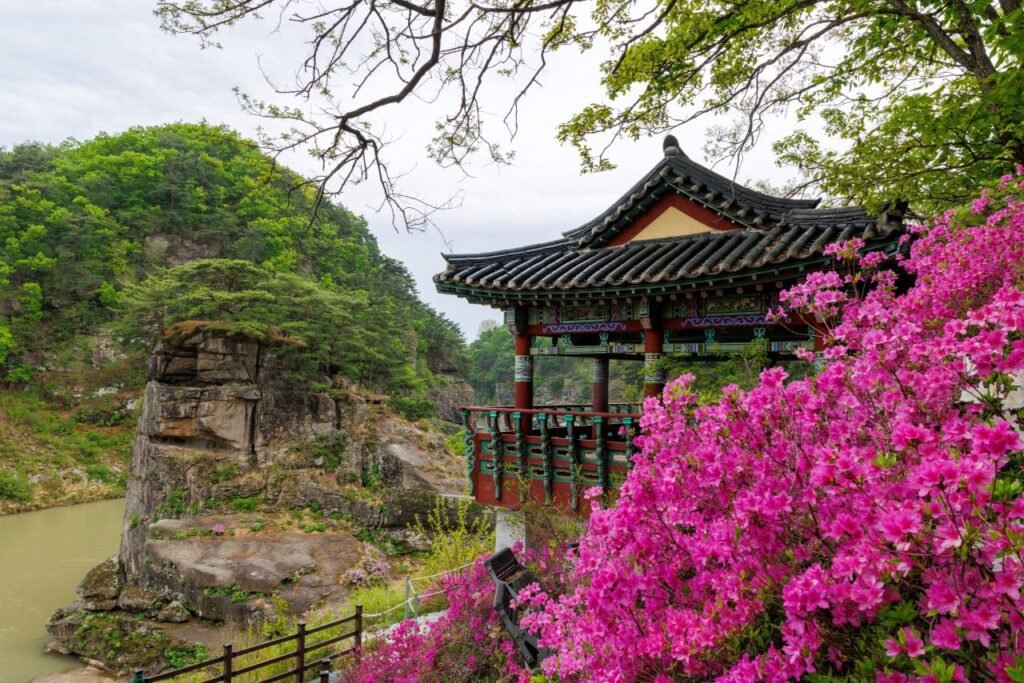
Spring: The Season of Blooms (March to May)
Spring is arguably the most poetic time to visit. The air is mild, and the entire country awakens from its winter slumber. Compared to other seasons, Spring hosts an extraordinary number of regional festivals, particularly flower festivals that sweep across the nation from south to north. To see which festivals are happening during your specific travel dates, you should always check the latest schedule at KCulture Whats-On.
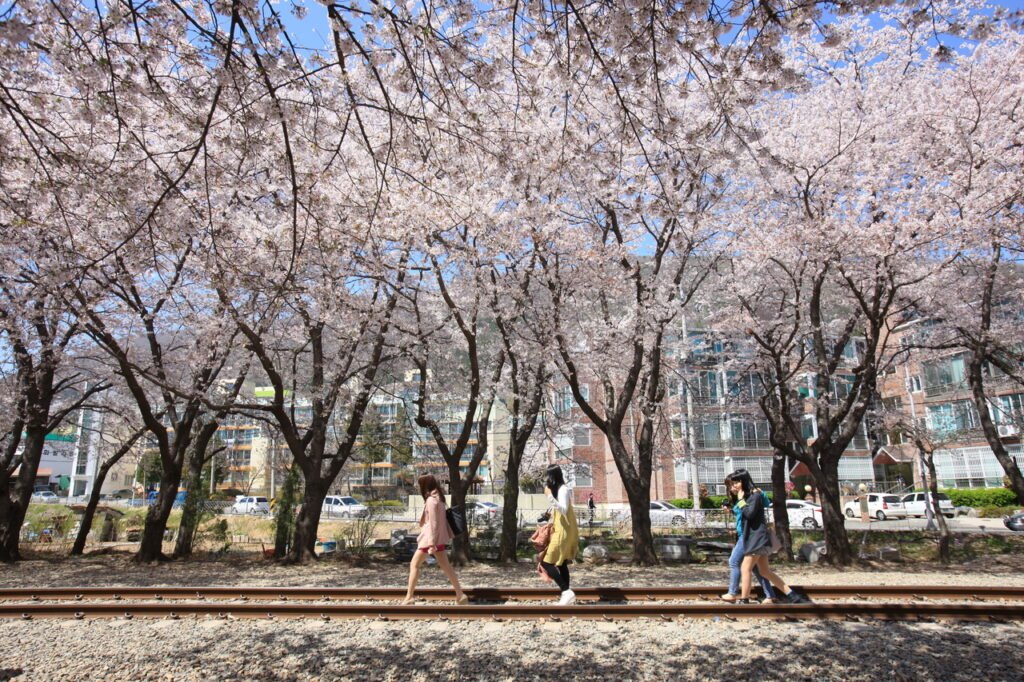
2025 Cherry Blossom Forecast (Average Dates)
| City | Estimated Start Date | Peak Full Bloom |
|---|---|---|
| Busan | March 23 – March 25 | March 30 – April 2 |
| Seoul | April 1 – April 3 | April 8 – April 12 |
Top Spring Activities and Seasonal Tastes
- Flower Festivals: Beyond the legendary Jinhae Gunhangje, don’t miss the Gwangyang Maehwa (Plum Blossom) Festival or the Gurye Sansuyu (Cornelian Cherry) Festival which kick off the season. In Jeju, the endless fields of yellow canola flowers are a must-see.
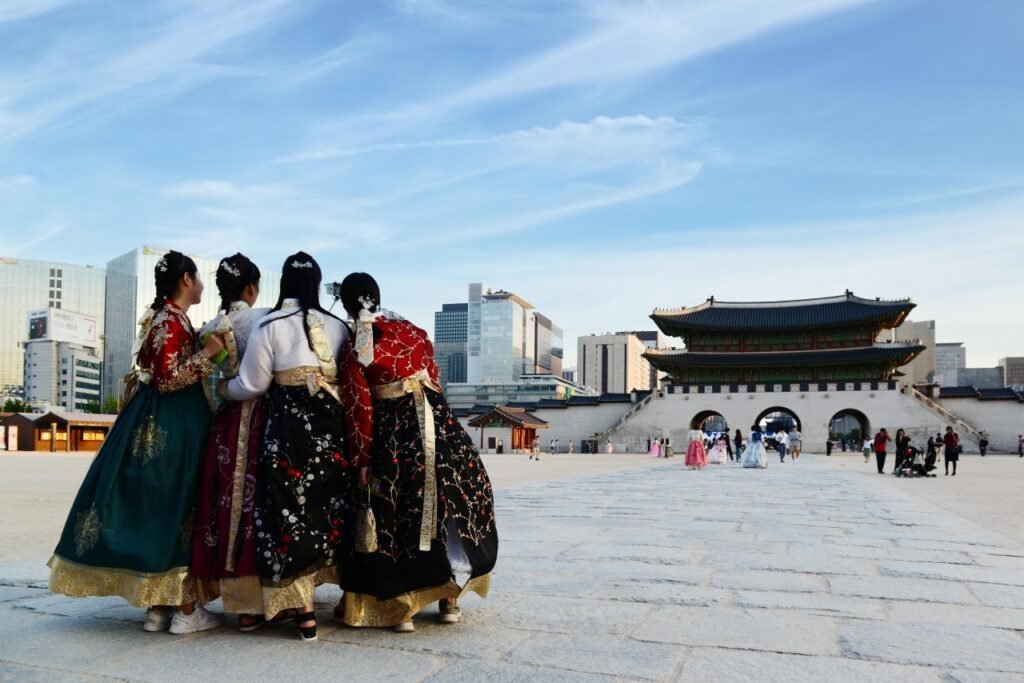
- Palace Strolls: Rent a Hanbok and visit Gyeongbokgung or Changdeokgung. The traditional architecture looks breathtaking against the soft spring sunlight and blooming trees.
- Han River Picnics: Join locals at Yeouido Hangang Park for “Chimaek” (Chicken and Beer). It’s the ultimate “Seoulite” spring ritual.
- Spring Flavors: Spring is the best time to eat Bom-namul (fresh wild spring greens) which are believed to revitalize the body. It’s also the peak season for Korea’s famously sweet Strawberries.
Autumn: The Golden Foliage Peak (September to November)
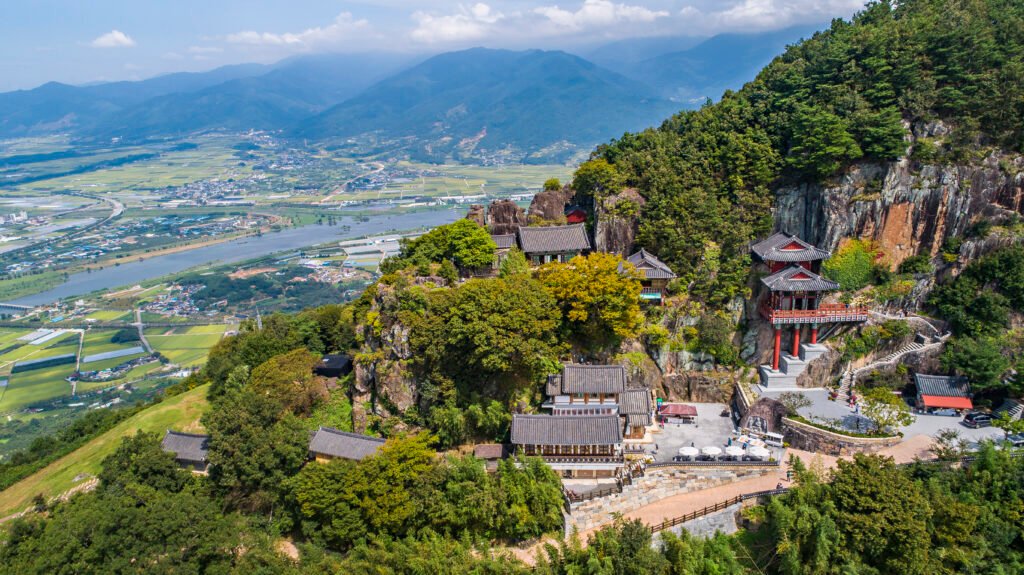
If you ask a local expert, many will tell you that autumn is the true best time to visit South Korea. The weather is crisp and clear, the sky is a deep blue, and the mountains turn into a painter’s palette of red and gold. Like spring, autumn is a peak season for local festivals, ranging from traditional arts to agricultural celebrations. You can find a full list of these vibrant events at KCulture Whats-On.
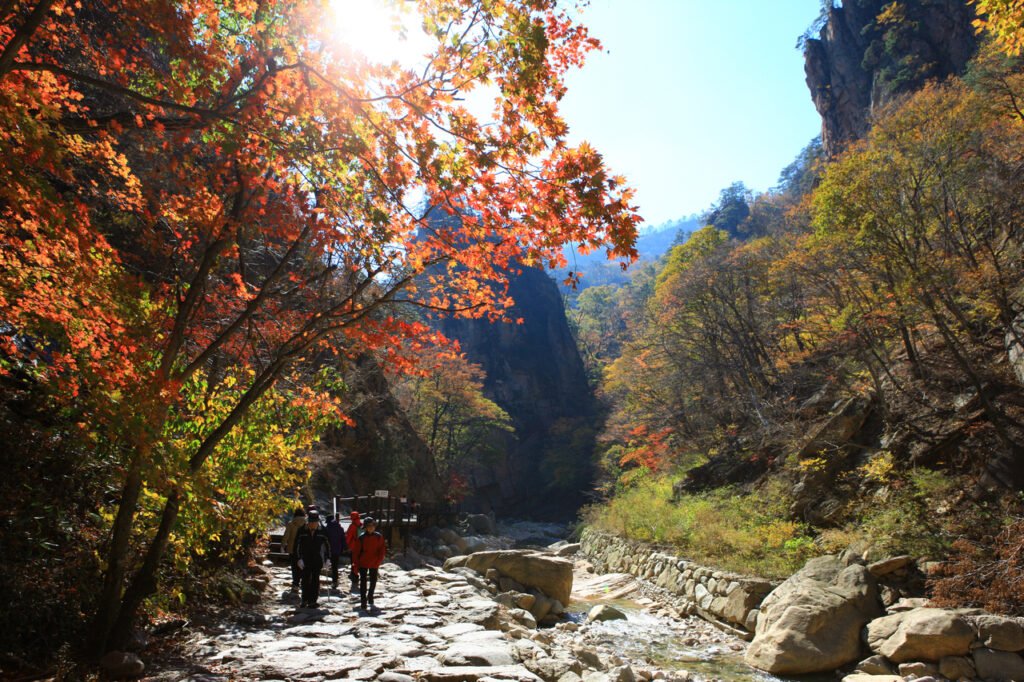
2025 Autumn Foliage Forecast (Average Peaks)
| Region/Mountain | First Foliage Appearance | Peak Vibrant Colors |
|---|---|---|
| Seoul (Bukhansan/City) | Mid-October (Oct 17) | Early November (Nov 1-4) |
| Busan (Beomeosa/City) | Late October (Oct 25) | Early to Mid-November (Nov 7-10) |
Top Autumn Activities and Seasonal Tastes
- Mountain Hiking & Nature: Seoraksan and Naejangsan are the icons, but also visit Haneul Park in Seoul for the Silver Grass (Eoksae) Festival. The sight of golden grass swaying in the wind is purely magical.
- Cultural Festivals: This is the season for the Andong Mask Dance Festival and the Jinju Namgang Yudeung (Lantern) Festival, where thousands of lanterns float on the river.
- Autumn Feast: Autumn is synonymous with Jeoneo (Gizzard shad), often called “the fish that brings back run-away daughters-in-law” because of its rich aroma. It’s also the time for sweet Persimmons and nutrient-dense Pine Mushrooms.
Summer: The Energy and the Rain (June to August)
Summer in Korea is intense—hot, humid, and loud. However, it’s also the time when the country feels most alive. The sun stays up late, and the nightlife is electric. While the Jangma (monsoon) season traditionally runs from late June to late July, recent patterns show unpredictable “guerrilla” heavy rains in August, so stay alert!
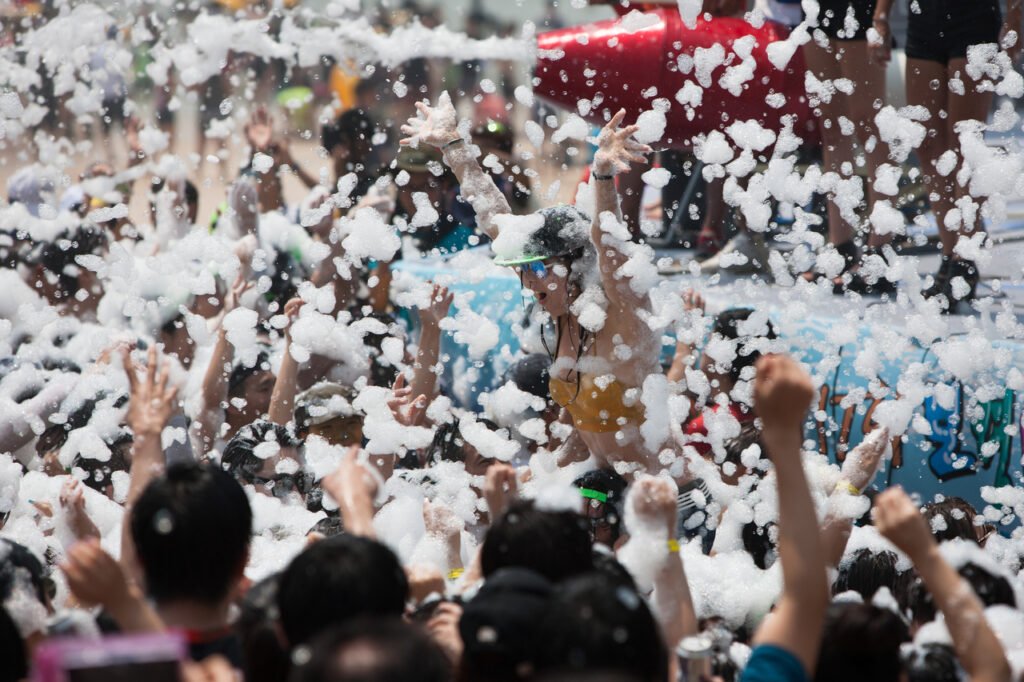
Top Summer Activities and Seasonal Tastes
- Water Activities: Head to Haeundae in Busan or Yangyang’s Surfyy Beach. Jeju Island’s hydrangea festivals provide a beautiful floral backdrop during the early summer humidity.
- Festivals: The Boryeong Mud Festival and the Waterbomb Festival are high-energy ways to cool off.
- Fighting Heat with Food: Koreans follow the philosophy of Yi-yeol-chi-yeol (fighting heat with heat) by eating Samgyetang (Ginseng Chicken Soup). If you prefer something cold, Naengmyeon (cold buckwheat noodles) or a mountain of Bingsu (shaved ice) are local lifesavers.
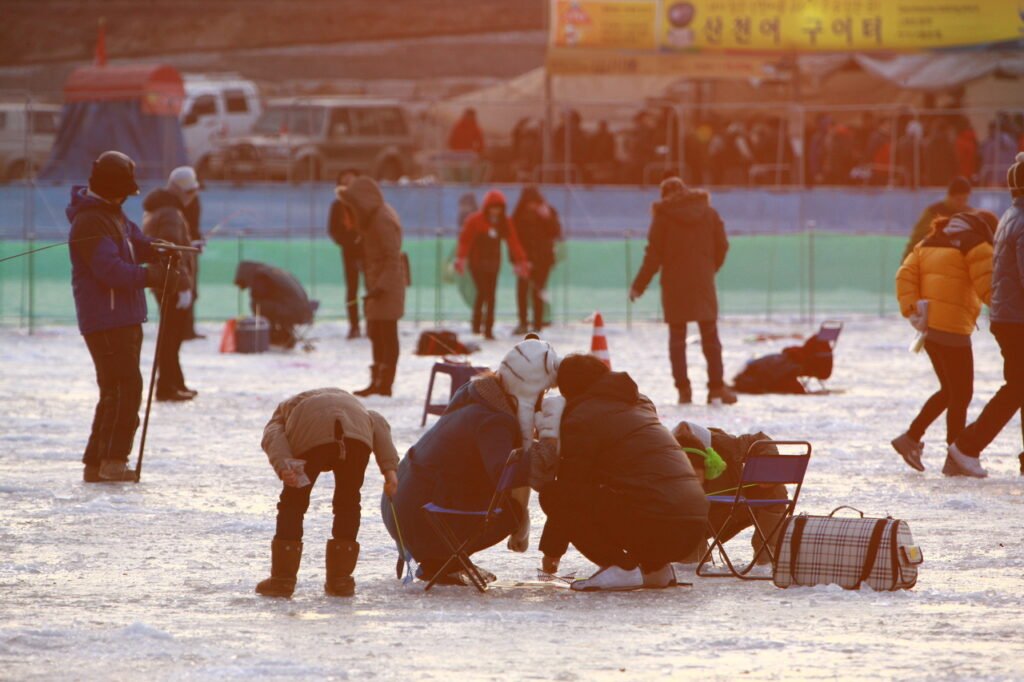
Winter: Snowy Slopes and Street Food (December to February)
Korean winters are cold and dry, but they offer a unique charm. The streets are filled with the aroma of roasted chestnuts, and the mountains are covered in pristine snow, making it perfect for winter sports enthusiasts.
Top Winter Activities and Seasonal Tastes
- Winter Sports & Sledding: While the pros head to Pyeongchang for skiing, I highly recommend Snow Sledding (Snow Tubing) at places like Seoul Forest or Ttukseom Hangang Park. It’s a fantastic activity because it requires no professional skills or expensive gear—just a warm coat and a sense of fun for all ages!
- Street Food Safaris: Nothing beats standing at a red tent (Pojangmacha) eating hot Bungeo-ppang (fish-shaped pastry), Hotteok (sweet pancakes), or Gun-goguma (roasted sweet potatoes) in the freezing cold.
- Winter Comfort: Warm up with a steaming bowl of Mandu-guk (dumpling soup) or visit a traditional Jjimjilbang (Korean sauna) to melt the cold away.
Seasonal Pros and Cons at a Glance
| Season | Pros | Cons |
|---|---|---|
| Spring | Stunning flower festivals, perfect picnic weather. | Occasional “Yellow Dust” from the desert. |
| Summer | Lively water festivals, long daylight hours. | Very hot/humid; unpredictable monsoon rains. |
| Autumn | Breathtaking foliage, driest and clearest air. | Crowded hiking trails during peak colors. |
| Winter | Skiing/Sledding, cheaper flights, cozy street food. | Biting cold winds; Sam-han-sa-on fluctuations. |
Pro Tips: Packing and Precautions
Before you zip your suitcase, make sure you’ve checked our comprehensive Korea Packing List: Seasonal Weather and Customs Guide for a detailed item-by-item breakdown.
🌡️ For Summer Travelers (Hot & Humid)
Warning: August is the peak of the heatwave. Stay hydrated to avoid heat exhaustion. While it’s hot outside, Korean subways and malls blast the air conditioning. Carry a light cardigan for indoor transitions. A portable fan and sunscreen are absolute local essentials.
🧊 For Winter Travelers (Cold & Dry)
Warning: The cold days can drop to -15°C with wind chill. Layering is key. Bring thermal underwear (Heattech) and a heavy down parka. Because the air is incredibly dry, moisturizer, hand cream, and lip balm are mandatory to prevent skin irritation.
No matter when you choose to visit, Korea has a way of surprising you. Whether you’re chasing the first bloom in Busan or the last leaf in Seoul, you’re in for a cultural treat. Pack your bags according to the season, and I’ll see you here!
Korean Culture portal KCulture.com
Join the mailing service and add to your favorites.

Founder of Kculture.com and MA in Political Science. He shares deep academic and local insights to provide an authentic perspective on Korean history and society.