
If you are exploring the vibrant café scene while living in Korea, you might notice that beyond the overwhelming dominance of iced Americanos, Korean traditional tea culture thrives as a stylish, health-boosting, and caffeine-free alternative. Unlike Western teas that steep dry leaves, Korean teas rely on preserving fruits and medicinal roots to create rich, flavorful drinks based on the ancient philosophy that food is medicine. Whether you want to recover from a cold, aid digestion, or simply take a mindful break from your daily caffeine intake, diving into these traditional beverages offers a uniquely local wellness experience.
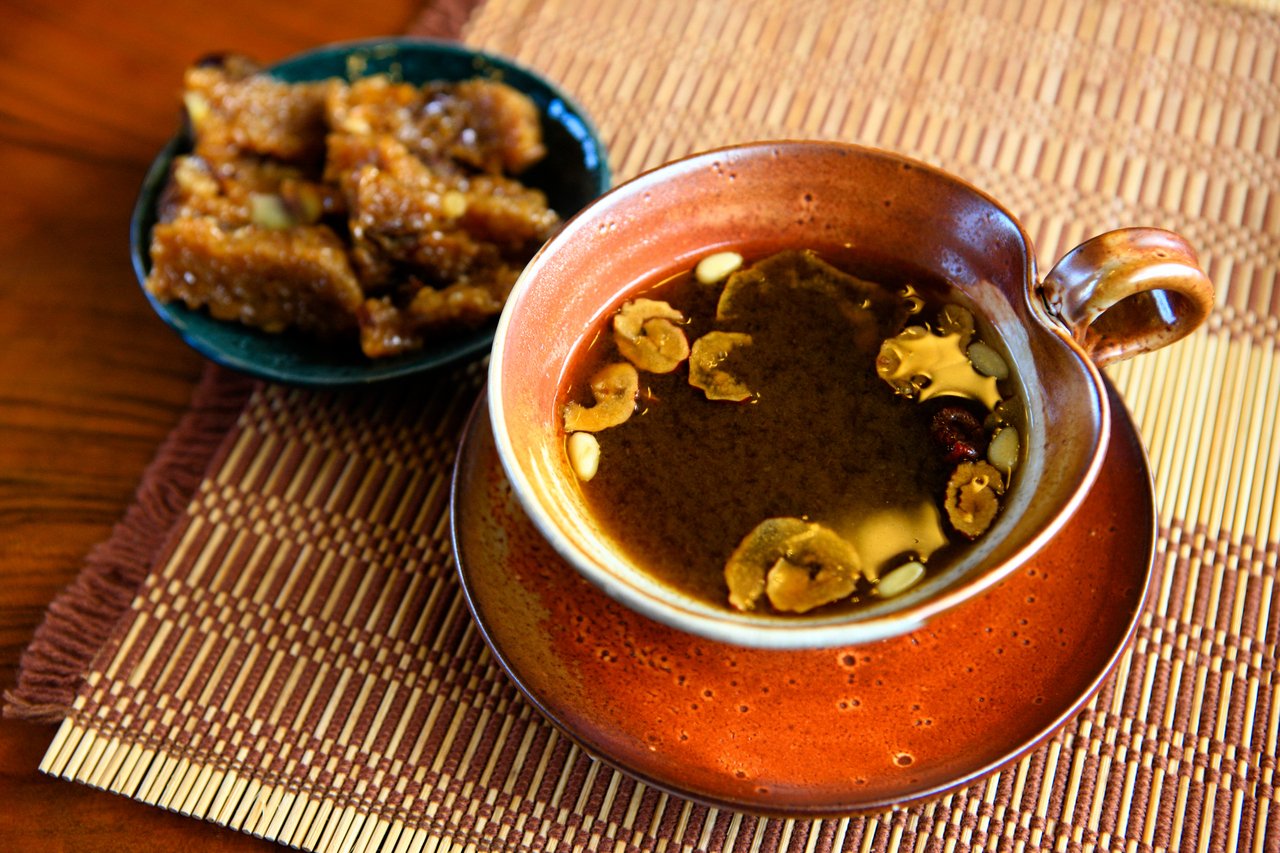
- Understanding Korean Traditional Tea Culture
- Western Tea vs. Korean Tea: What is the Difference?
- Must-Try Korean Teas for Your Wellness Routine
- The Cultural Roots Behind the Cup
- FAQ
Understanding Korean Traditional Tea Culture
Korea is undeniably a coffee republic. We even have a popular slang term, Eoljukah, which means “Iced Americano even if I freeze to death.” However, alongside this fast-paced coffee consumption, there is a steady, deeply rooted appreciation for traditional teas. These beverages are not just about hydration; they are an essential part of the Korean lifestyle, offering functional health benefits and a moment of serenity. For expats and travelers, exploring these local alternatives reveals a whole new dimension of Korean gastronomy.
Western Tea vs. Korean Tea: What is the Difference?
If you walk into a global franchise café, the tea menu usually features steeped leaves like Earl Grey, Chamomile, or Peppermint. In contrast, authentic Korean cafés and traditional tea houses offer something entirely different in texture, preparation, and purpose.
| Feature | Western / Global Café Teas | Korean Traditional Teas |
|---|---|---|
| Main Ingredients | Dried tea leaves, flowers, or herbs (e.g., Black tea, Mint). | Fruits, grains, or roots (e.g., Citron, Plum, Jujube). |
| Preparation Method | Steeping or brewing in hot water. | Mixing hot or cold water with Cheong (syrup) or boiling ingredients down heavily. |
| Taste & Texture | Clean, aromatic, and light like water. Unsweetened by default. | Rich natural sweetness, tangy, sometimes thick, often with edible fruit bits. |
| Primary Purpose | Light relaxation, enjoying aromas, afternoon tea time. | Health boosting (immunity, digestion), energy recovery, and nutritional supplementation. |
Must-Try Korean Teas for Your Wellness Routine
To truly experience the trendy yet wholesome vibe of Korean traditional tea culture, here are the top signature drinks you need to try.
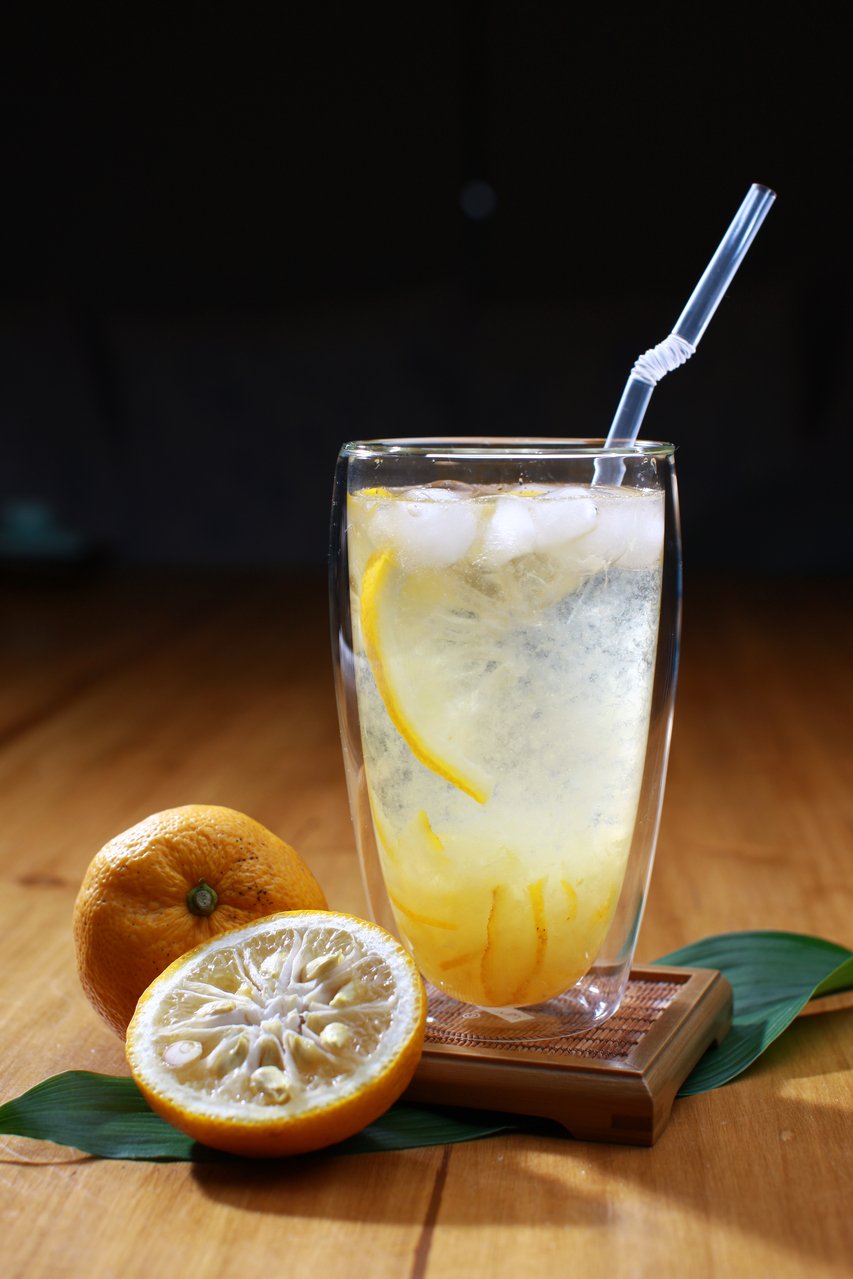
Yuja-cha (Citron Tea)
Made from thinly sliced citron preserved in honey or sugar, Yuja-cha is the ultimate sweet and tangy treat. It boasts an incredible citrus aroma. Containing three times more Vitamin C than a lemon, it is a staple winter remedy for preventing colds and relieving fatigue. It feels less like a simple drink and more like a warm, drinkable dessert.
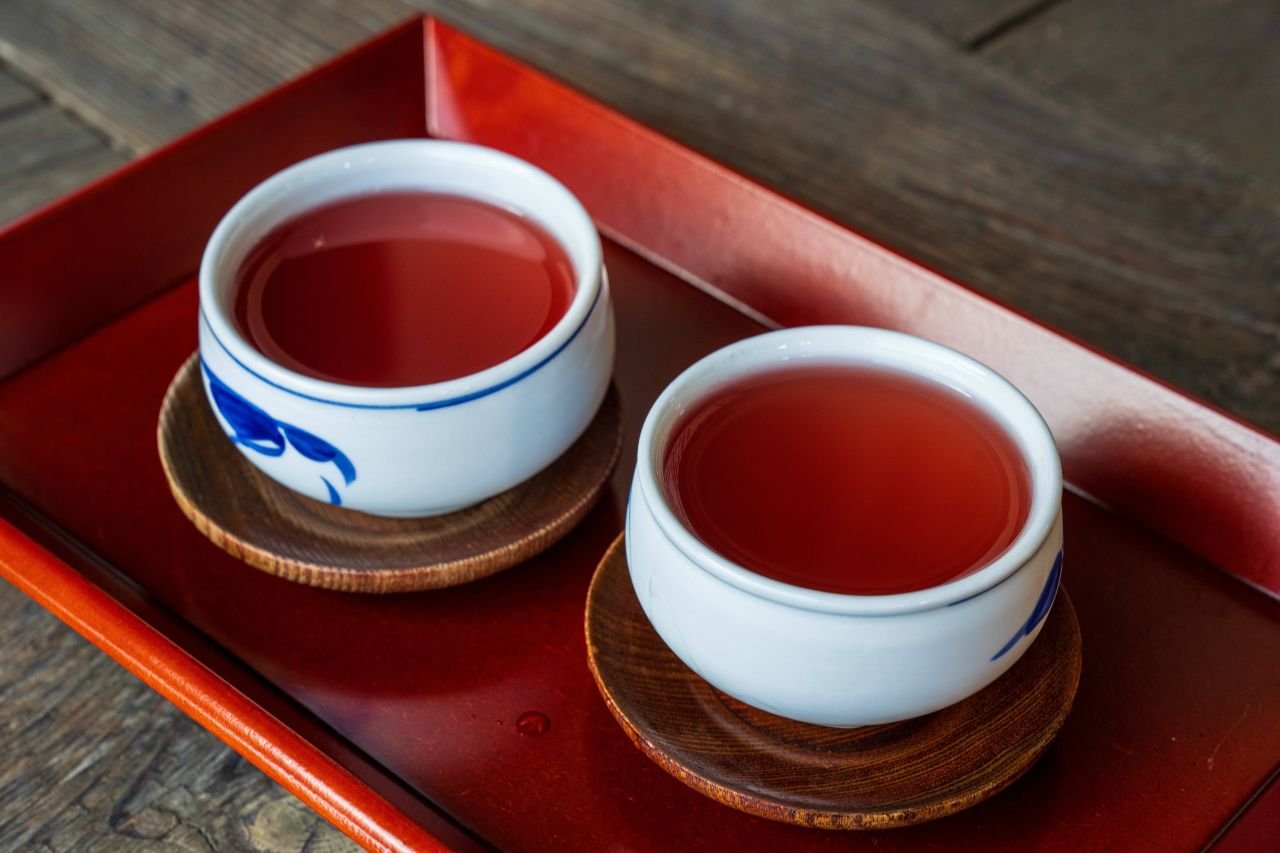
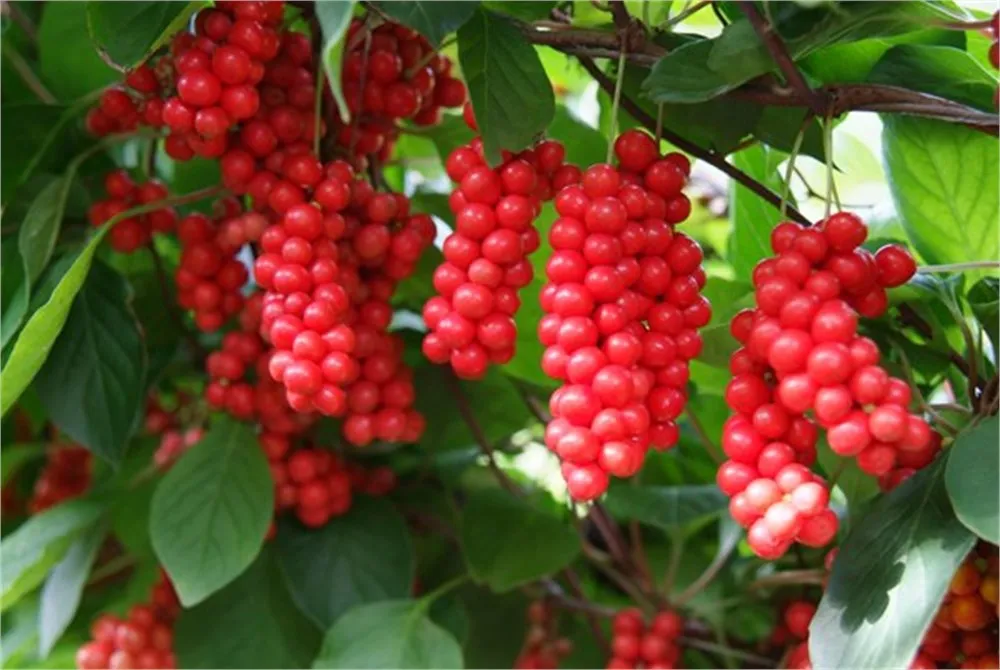
Omija-cha (Schisandra Berry Tea)
The name Omija translates to “five-flavor berry,” as it uniquely combines sweetness, saltiness, bitterness, sourness, and spiciness. Usually served chilled with a beautiful, vibrant ruby-red color, it is incredibly refreshing. It is highly valued for quenching thirst, boosting stamina, and supporting respiratory health.
Maesil-cha (Plum Tea)
Made from fermented green plums, Maesil-cha is Korea’s natural digestive aid. It has a crisp, tart, and sweet flavor profile. Whenever we feel bloated or have indigestion, a cup of this fermented goodness helps soothe the stomach and acts as a natural detoxifier.
📌 Local Note: If you ever feel overly full after a heavy meal of Korean BBQ, skip the carbonated sodas and ask the restaurant if they serve cold Maesil-cha. It is the perfect, soothing Korean digestif!
Jujube & Ginger Tea (Daechu-cha & Saenggang-cha)
For those cold winter days, these are the ultimate comfort drinks. Daechu-cha (Jujube tea) is boiled down until it becomes thick, sweet, and almost soup-like, promoting blood circulation. Saenggang-cha (Ginger tea) delivers a spicy kick smoothed out by honey, renowned for maximizing your immune system and warming your body from the inside out.
Yulmu-cha (Job’s Tears Tea)
If you prefer creamy, nutty flavors, Yulmu-cha is a must. Made from powdered Job’s tears and various nuts, it is mixed with hot water to create a thick, savory, and comforting drink. It is highly satiating, making it a brilliant meal replacement that also helps reduce bloating.
The Cultural Roots Behind the Cup
Why do Koreans continue to cherish these diverse teas despite the modern influx of espresso machines? The answer lies in our history and evolving lifestyle trends.
Yaksikdongwon: Food is Medicine
At the heart of Korean traditional tea culture is the concept of Yaksikdongwon (약식동원), meaning “food and medicine share the same origin.” While a morning coffee is often consumed as survival juice for productivity, traditional tea is a self-care beverage. Choosing Yuja-cha for fatigue or Maesil-cha for digestion is a daily, accessible form of wellness.
The Art of Slowness and Cheong
Korea experiences four distinct seasons. Historically, to survive the harsh winters when fresh produce was scarce, Koreans developed the Cheong culture—preserving summer and autumn harvests in sugar or honey. This slow-food philosophy respects the timing of nature and offers an eco-friendly, sustainable way to consume seasonal fruits year-round.
Mindfulness in a “Ppalli-Ppalli” Society
In a hyper-competitive society driven by the Ppalli-Ppalli (hurry-hurry) mindset, taking a moment to sip a caffeine-free, warm traditional tea serves as a mental comma. The younger generation is increasingly seeking out these soothing alternatives to detox from excessive caffeine and embrace mindfulness.
The “Halmaenial” Trend
Right now, one of the most stylish lifestyle movements in Korea is the Halmaenial (Grandma + Millennial) trend. Young people are embracing vintage aesthetics and traditional flavors like black sesame, mugwort, and heritage teas. As a result, classic tea houses are being modernly reinterpreted. Neighborhoods like Insadong (인사동) are now filled with aesthetic cafés where sipping jujube tea is considered the height of trendy, retro-chic culture.
FAQ
Are all Korean traditional teas caffeine-free?
Most fruit, root, and grain-based teas like Yuja-cha, Maesil-cha, and Yulmu-cha are 100% caffeine-free, making them perfect for evening consumption. However, green tea (Nokcha) and black tea varieties do contain caffeine.
Where can I buy these teas to make at home?
You can easily find large glass jars of fruit Cheong in any local Korean supermarket. Simply scoop two to three tablespoons into a mug and add hot or sparkling water!
Korean Culture portal KCulture.com

Founder of Kculture.com and MA in Political Science. He shares deep academic and local insights to provide an authentic perspective on Korean history and society.