South Korea’s soft power and ODA (Official Development Assistance) strategy are deeply intertwined; the nation’s global cultural influence is fundamentally rooted in its unique historical position as a former colonized, war-torn country that now uses its aid programs to foster mutual growth rather than asserting geopolitical dominance. As an analyst living in Korea, I frequently observe the world’s fascination with the “Korean Wave,” but true soft power requires more than just exporting catchy music or compelling dramas. It requires a foundational layer of global trust, positive perception, and a complete lack of threatening historical baggage. In this article, we will explore how South Korea’s empathetic, non-threatening approach to international diplomacy and development aid serves as the hidden bedrock that allows its cultural exports to be embraced so warmly across the globe.
- Beyond K-Pop: The True Bedrock of South Korea Soft Power and ODA
- Redefining Soft Power: Why Being Non-Threatening Matters
- From Ruins to Role Model: The Historic K-ODA Journey
- Comparing the Paradigms: How K-ODA is Different
- Real-World Impact: Mongolia, Kazakhstan, Southeast Asia, and Africa
- The Foundation of Cultural Diffusion: Growing Together
Redefining Soft Power: Why Being Non-Threatening Matters
When discussing global influence, it is easy to confuse “cultural diffusion” with “soft power.” While the global consumption of Korean media is immense, genuine soft power means that foreign populations voluntarily adopt a positive attitude toward the country, aligning with its values without coercion. For traditional superpowers or nations with histories of imperialism, cultural exports often come with an undercurrent of political dominance or historical resentment.
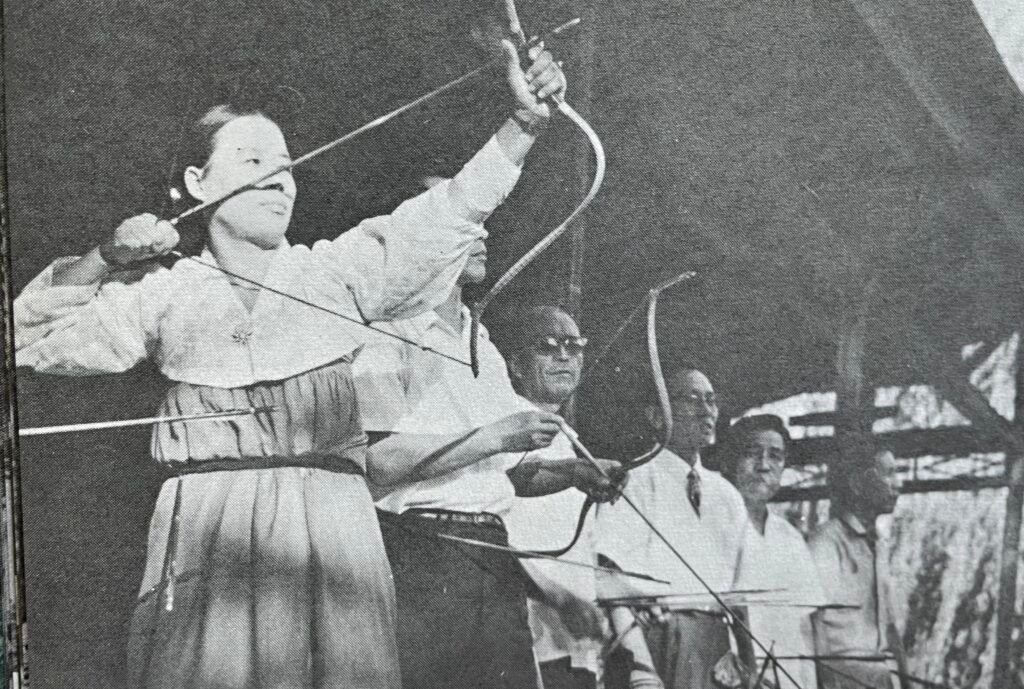
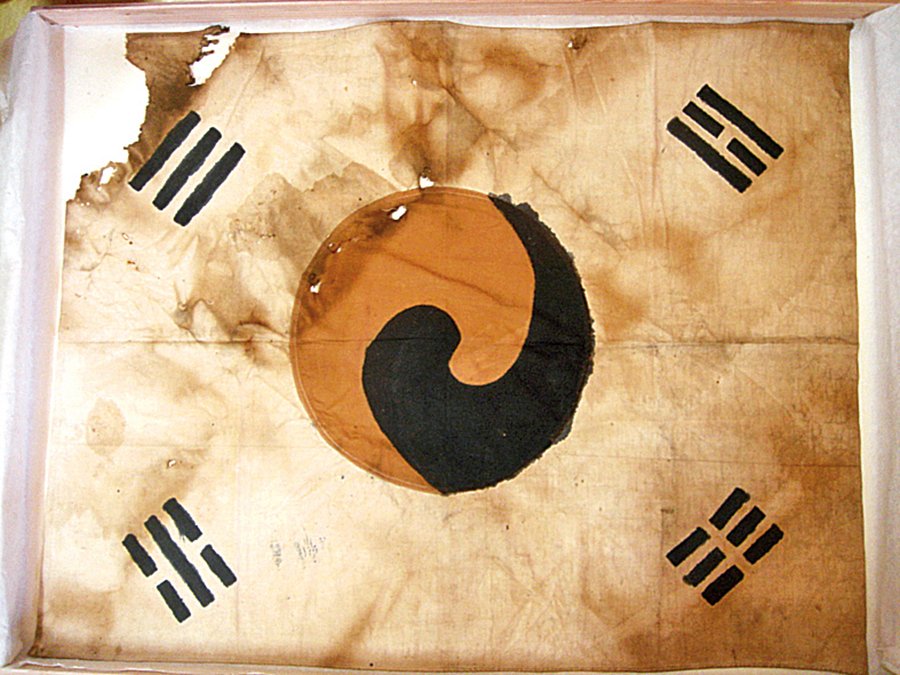
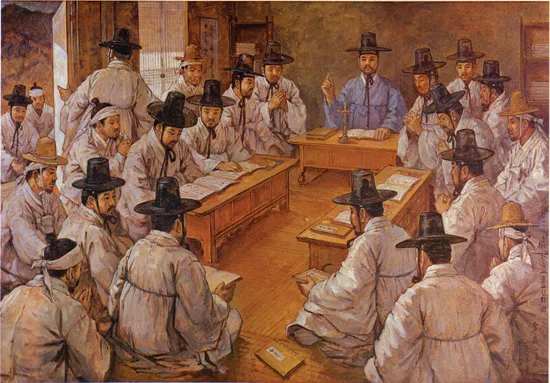
South Korea’s greatest diplomatic asset is its history. Having suffered under colonial rule before the end of World War II and enduring a devastating civil conflict in the 1950s, Korea poses zero imperial threat to the developing world. When people in Southeast Asia or Africa consume Korean culture, they are not interacting with the media of a former colonizer. They are engaging with a nation that understands the pain of poverty and foreign domination. This absence of negative historical baggage is a crucial prerequisite for true soft power to take root.
From Ruins to Role Model: The Historic K-ODA Journey
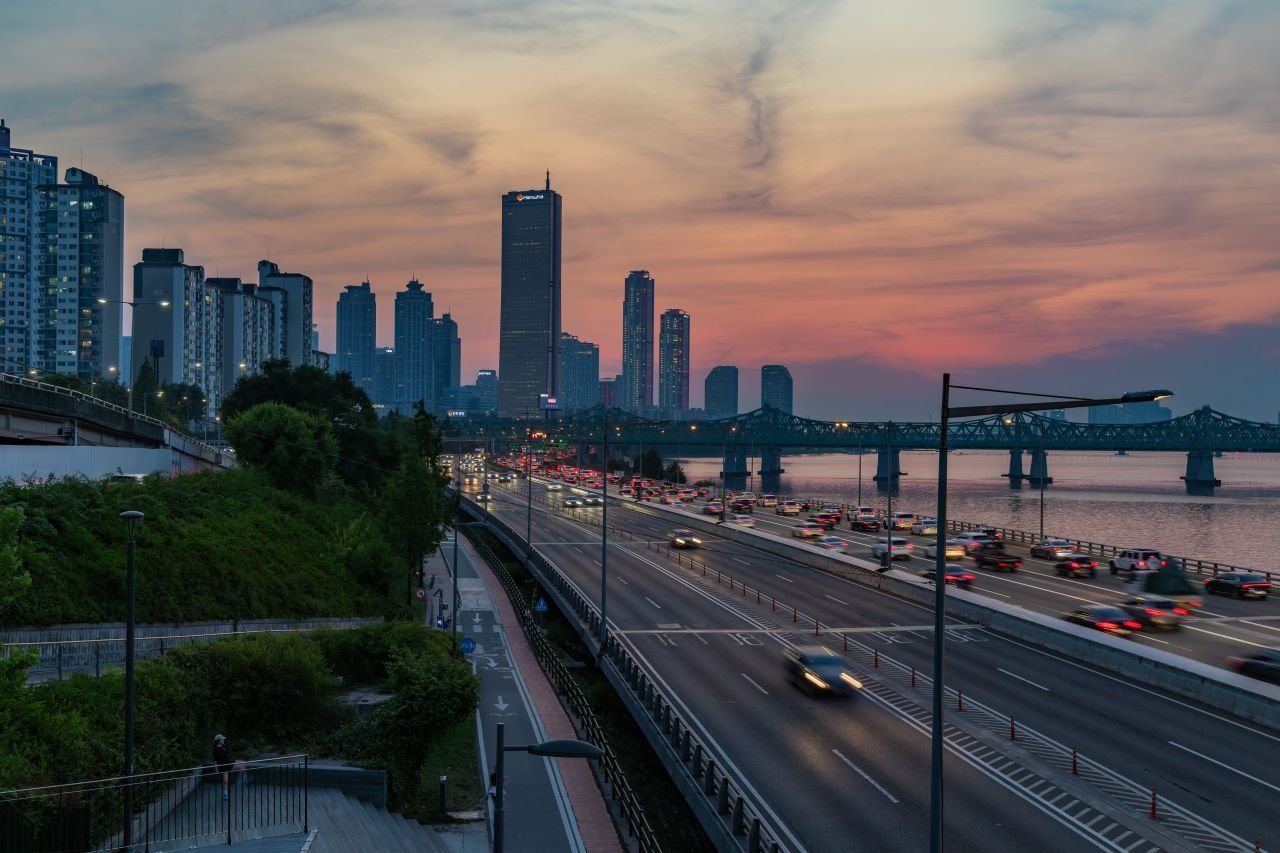
To understand the current South Korea soft power and ODA synergy, we must look at the Miracle on the Han River (한강의 기적). From 1945 to the late 1990s, South Korea survived and rebuilt on the back of roughly $12 billion in international assistance. Today, it stands as the only nation in modern history to successfully transition from a major aid recipient to a significant donor, officially joining the OECD’s Development Assistance Committee (DAC) in 2010.
This “recipient-to-donor” identity completely shapes how Korea approaches its foreign aid. Managed primarily through KOICA (Korea International Cooperation Agency) for grants and the EDCF (Economic Development Cooperation Fund) for loans, K-ODA is designed not as a charity handout, but as a strategic partnership. Korean policymakers view developing nations not as dependents, but as younger versions of their own country, capable of achieving the exact same economic miracles.
📌 Local Note: Here in Yeouido (여의도), Seoul’s financial district, the Export-Import Bank of Korea manages the EDCF with a philosophy heavily influenced by Korea’s own past struggles. Their project blueprints often directly mirror the infrastructure development plans Korea itself used in the 1970s and 80s.
Comparing the Paradigms: How K-ODA is Different
South Korea approaches development differently than traditional Western donors. While many developed countries industrialized centuries ago, Korea’s development is recent, documented, and highly transferable. Here is how the approaches generally compare:
| Aspect of Aid | Traditional Western Donors | South Korean ODA (K-ODA) |
|---|---|---|
| Primary Motivation | Often rooted in post-colonial responsibility, humanitarian charity, or geopolitical alignment. | Rooted in shared historical experience, mutual economic growth, and “paying it forward.” |
| Knowledge Transfer | Theoretical frameworks, policy mandates, and financial grants. | Sharing the practical “How-To” playbook, including past trial-and-error mistakes. |
| Project Focus | Tends to favor broad humanitarian relief or institutional reform. | Pragmatic blend of “Hardware” (infrastructure) and “Software” (capacity building/training). |
| Attitude | Donor-recipient dynamic, sometimes perceived as patronizing. | Peer-to-peer partnership emphasizing the recipient nation’s ownership and self-reliance. |
Real-World Impact: Mongolia, Kazakhstan, Southeast Asia, and Africa
To truly grasp the impact of South Korea soft power and ODA, we must look at how this philosophy is executed on the ground. Korea tailors its assistance to the specific development stages and needs of its partner countries.
Sustainable Urbanization in Mongolia
In Mongolia, particularly in the rapidly expanding capital of Ulaanbaatar, Korea has focused heavily on “Green ODA.” Instead of merely donating funds, KOICA has implemented smart-city technologies and modern heating infrastructure to combat severe winter air pollution. By sharing Korea’s own experiences in rapid urbanization, they are helping Mongolia avoid the environmental pitfalls Korea faced during its industrialization phase.
Digital and Medical Synergies in Kazakhstan
In Central Asia, Kazakhstan has benefited from Korea’s advanced IT and medical sectors. K-ODA in Kazakhstan often involves establishing digital e-government frameworks and facilitating high-level medical exchanges. Korean experts train Kazakh doctors in advanced surgical techniques, simultaneously elevating local healthcare systems and establishing a high level of trust in Korean medical technology.
Infrastructure and Resilience in Southeast Asia
Southeast Asia is one of the largest beneficiaries of Korean ODA. In Vietnam and the Philippines, Korea provides massive EDCF loans for vital infrastructure—bridges, railways, and flood management systems. However, true to the K-ODA model, these projects are paired with technology transfers. Korean engineers work alongside local teams, ensuring that the host country gains the engineering capacity to maintain and build future infrastructure independently.
Agricultural Empowerment in Africa
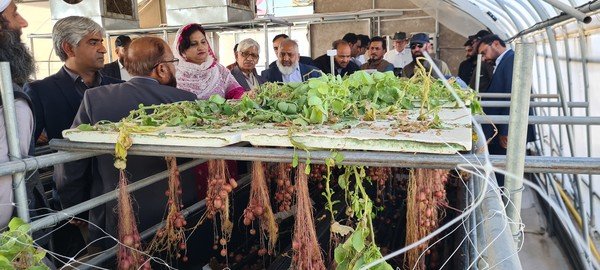
Perhaps the most poignant example of Korea’s unique approach is found in Africa. In nations like Rwanda and Senegal, Korea has successfully exported its Saemaul Undong (새마을운동), or New Village Movement. This was the exact rural development policy that pulled Korean farmers out of poverty in the 1970s. By focusing on grassroots community empowerment, agricultural training, and self-help, Korea provides African communities with a proven, actionable blueprint for rural prosperity rather than endless food aid.
The Foundation of Cultural Diffusion: Growing Together
Ultimately, the global explosion of K-culture is not an isolated phenomenon; it is resting upon a carefully built foundation of international goodwill. When South Korea enters a developing country to build a hospital, train engineers, or share agricultural technology, it approaches the relationship with a philosophy of “growing together.”
Because South Korea does not act as a traditional, intimidating superpower, populations in Asia, Africa, and beyond do not feel cultural resistance. They see a country that survived colonization, overcame the ashes of war, and is now genuinely reaching out a hand to help others do the same. This deep, structural empathy—demonstrated through decades of thoughtful ODA—is what removes the psychological barriers to foreign culture. It transforms consumers from passive viewers of a K-drama into active, trusting friends of the nation.
💡 Pro Tip for Understanding Korea: If you want to understand the modern Korean mindset, look at its foreign aid. The relentless drive that rebuilt Seoul is exactly what Korean volunteers and engineers are trying to ignite in partner countries around the world.
As South Korea continues to expand its role on the global stage, its commitment to sharing its developmental playbook will only strengthen. This genuine desire to see other nations succeed is the ultimate secret behind its soft power, proving that the most enduring global influence is built on solidarity, not supremacy.
Korean Culture portal KCulture.com

Founder of Kculture.com and MA in Political Science. He shares deep academic and local insights to provide an authentic perspective on Korean history and society.