A Journey to the Korean Hearth
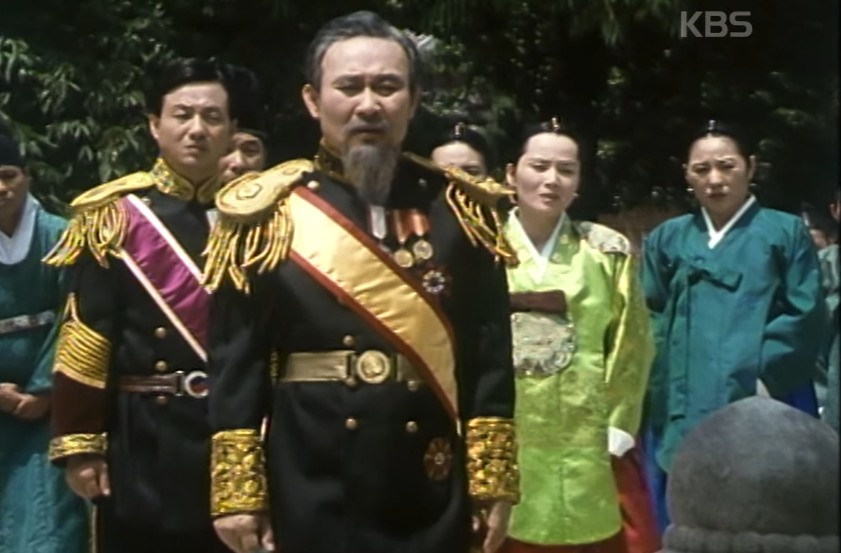
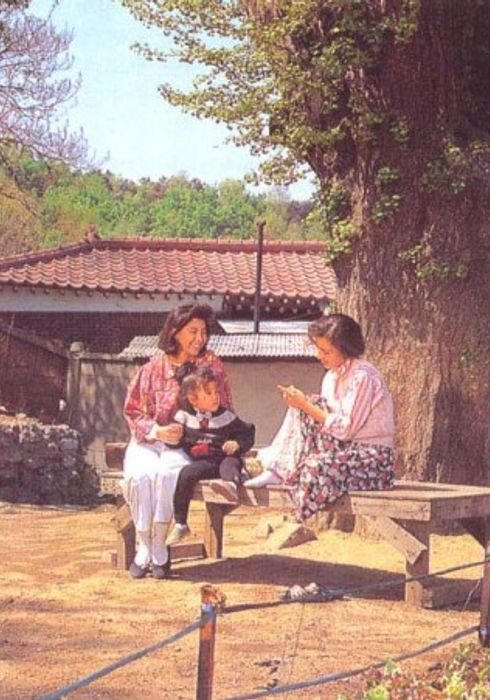
Before the slick thrillers and glossy rom-coms that define the modern Hallyu wave, there was a different kind of K-drama: the quiet, profound, and deeply human family epic. Beyond the Mountains (산 너머 저쪽) is a quintessential example of this genre, a warm and insightful drama that captures the everyday rhythms of a large, multi-generational Korean family. The story forgoes high-stakes conflict for the subtle, powerful drama found in shared meals, generational disagreements, and the unspoken bonds that tie a family together. At its center are the family elders, the anchors who navigate the changing tides of society while trying to hold their clan together.
Aired in 1991, this MBC production serves as a precious time capsule, offering a window into a South Korea on the cusp of immense social and economic change, making it not just entertainment, but a vital piece of cultural history.
Understanding the “Daegajok”: A Cultural Insight
To truly appreciate Beyond the Mountains, one must understand the concept of the daegajok (대가족), or the traditional extended family. In the early 1990s, South Korea was rapidly urbanizing. The nuclear family was on the rise, but the ideal of multiple generations living under one roof, guided by Confucian principles of filial piety or hyodo (효도), still held immense cultural sway. This drama is a living portrait of that ideal in transition.
The series is saturated with the uniquely Korean sentiment of jeong (정). Often untranslatable, jeong is a deep, emotional connection that binds people together. It’s more than love or friendship; it’s a powerful sense of attachment, loyalty, and shared history that can manifest in both quiet affection and fierce arguments. The narrative beautifully illustrates how jeong operates within the family unit—in the matriarch’s concern, the patriarch’s silent sacrifice, and the siblings’ complex relationships. It explores the friction between the older generation, who value collective harmony, and the younger generation, who are beginning to prioritize individual ambitions, a core social tension of the era.
Narrative Analysis: The Drama in the Everyday
Beyond the Mountains unfolds with the patient, steady pace of a classic daily drama. Its narrative strength lies not in shocking plot twists, but in its unwavering commitment to realism and emotional authenticity. The storytelling focuses on the small, defining moments of life: a son’s career choice clashing with his father’s expectations, a daughter-in-law navigating the complex household hierarchy, or the bittersweet joy of watching grandchildren grow up. These seemingly mundane events are treated with the gravity they deserve, revealing the profound challenges and triumphs of maintaining family unity.
The themes are universal and timeless: the burden of responsibility, the pain of letting go, and the enduring search for one’s place within a family and society. The drama doesn’t offer easy answers but instead provides a comforting, reflective space. It suggests that the true foundation of a family isn’t grand gestures, but the consistent, everyday acts of love, endurance, and understanding.
The Pulse of the Time: A Nation’s Mirror
When it aired in the early 90s, Beyond the Mountains was more than just a popular show; it was a cultural touchstone. Family dramas of this kind were staples of primetime television, watched devotedly by households across the nation. They served as a “people’s drama” (국민 드라마), reflecting the anxieties and aspirations of ordinary Koreans. In an era of rapid change, the series offered a sense of stability and nostalgia, reaffirming the importance of family roots while acknowledging the inevitability of social evolution. It resonated deeply with viewers who saw their own families, with all their imperfections and deep-seated affection, mirrored on screen.
Cast Spotlight: Pillars of Korean Acting
Kim Hee-ae, Go Doo-shim, and a Stellar Ensemble
The drama is anchored by the masterful performances of its outstanding cast. Kim Hee-ae delivered a phenomenal performance as Kang Myung-ae, a role that earned her the prestigious MBC Drama Acting Grand Prize (Daesang) and solidified her status as a leading actress. Go Doo-shim also brought deep emotional resonance to her role as Kang Myung-joo, portraying the complexities of family life with her signature authenticity.
The series is further elevated by veteran actors such as Jung Hye-sun, Ban Hyo-jung, and Kim Yong-rim, who bring gravitas and realism to the older generation. Rather than relying on a single patriarch or matriarch, the drama thrives on this ensemble’s ability to portray the nuanced dynamics of a traditional family. Their performances are the emotional heartbeat of the series, capturing the transition of family values during a rapidly changing era with warmth, nuance, and realism that makes the characters feel like members of one’s own family.
Global Viewing Guide
Fans of classic K-dramas can find this and other historical gems on official broadcaster channels. Availability and subtitle quality may vary.
- MBC Archive: As of July 2025, select episodes of this classic drama have been officially uploaded to the MBC Archive website.
- MBC Classic YouTube Channel: The official source for many of MBC’s archival dramas, often uploaded in full episodes.
- Kocowa: This streaming service, a joint venture by major Korean broadcasters including MBC, is a primary destination for classic and current titles for viewers in the Americas.
Final Verdict
Beyond the Mountains is an essential watch for anyone seeking to understand the cultural DNA of K-drama. It is a beautiful, moving, and historically significant series that reminds us that the most powerful stories are often the ones found within the walls of a family home. For those looking for a heartfelt journey into the soul of Korean culture, this timeless classic is a perfect place to start.

The KCulture Editorial Team is dedicated to providing deep insights and accurate information about the vibrant world of Korean culture.