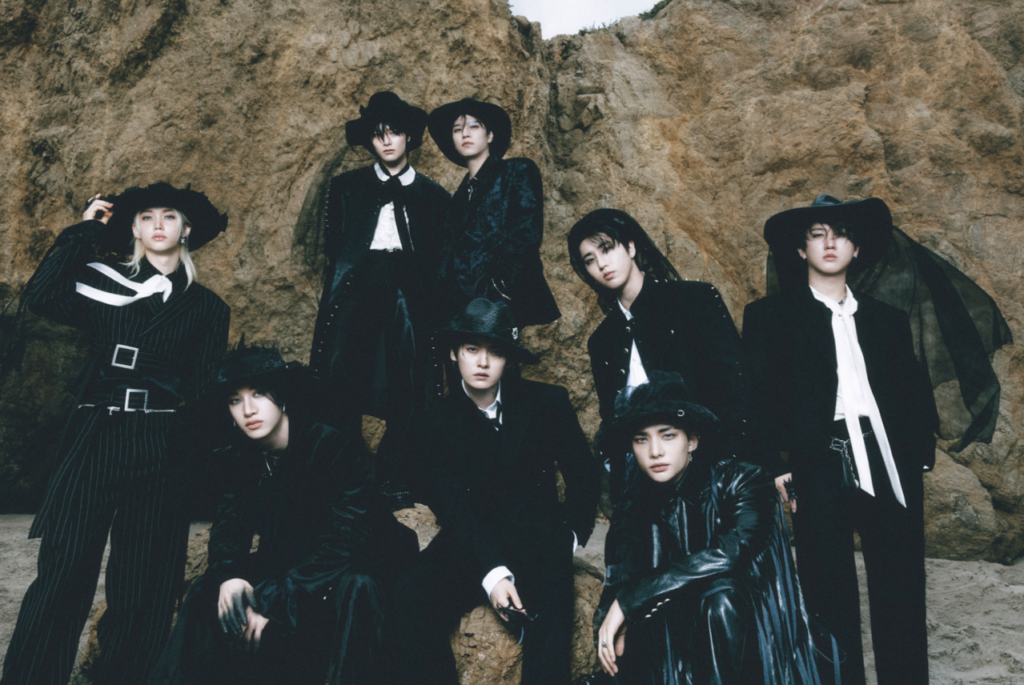
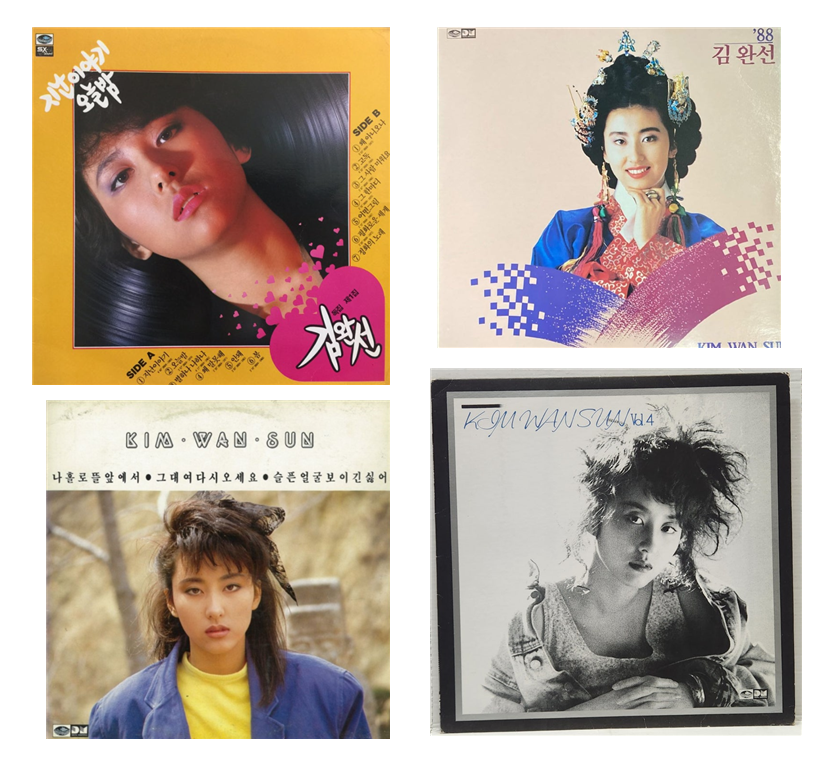
If Chapter 1 was about the “tears” of a colonized nation, Chapter 2 is about the “spark” that ignited modern K-Pop. After the liberation in 1945 and the devastating Korean War (1950-1953), South Korea was a land in ruins. Yet, amidst the debris, a musical revolution was brewing on US 8th Army bases.
This era wasn’t just about survival; it was the first time Western pop, jazz, and rock ‘n’ roll collided with the Korean spirit, creating a hybrid sound that would eventually conquer the world.
1. The US 8th Army Bases: The “West Point” of K-Pop
In the 1950s, the US military bases in Korea functioned like a massive cultural portal. For Korean musicians, the “8th Army Stage” was the only place to earn a living and, more importantly, the only place to learn the latest American trends.
- The Audition System: This was the precursor to the modern idol trainee system. Musicians had to pass rigorous auditions held by US officials. They were graded (Special, AA, A, B), and their pay depended on their performance quality.
- The Repertoire: Musicians had to master everything from Louis Armstrong’s jazz to Elvis Presley’s rock ‘n’ roll. This forced Korean artists to develop incredible versatility and world-class stage presence.
2. The Original Global Idols: The Kim Sisters
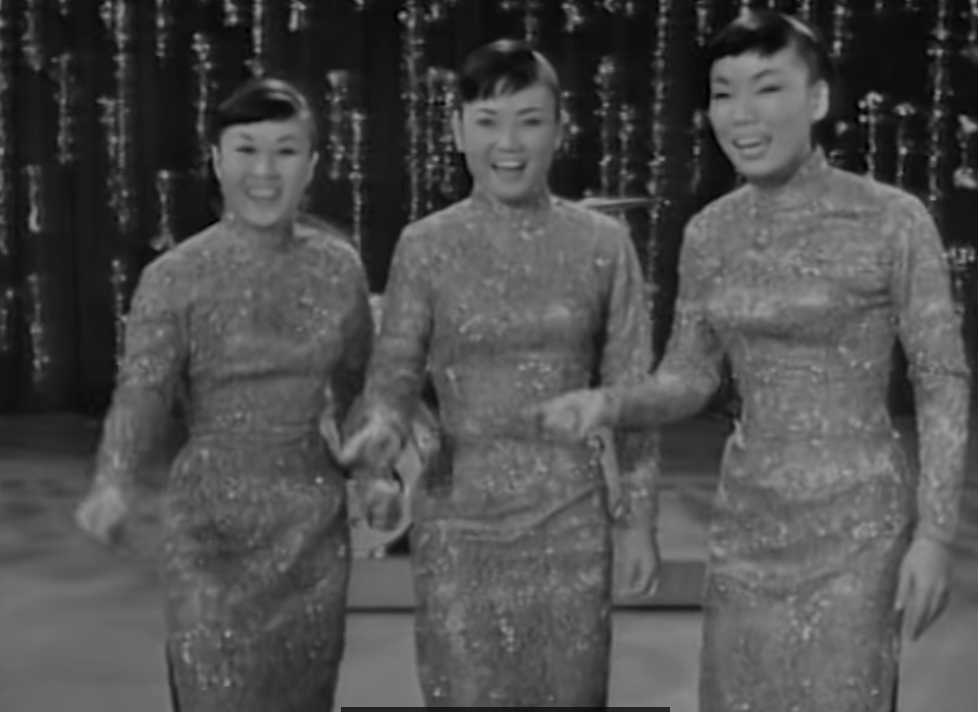
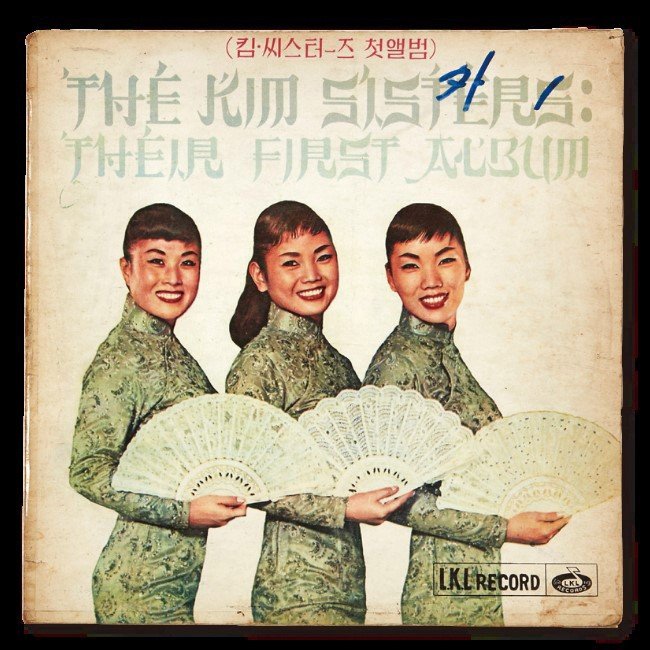
Long before BLACKPINK headlined Coachella, there were The Kim Sisters. Comprised of Sook-ja, Ai-ja, and Min-ja, this trio was the first Korean act to achieve genuine stardom in the United States.
- Musical Genius: They were multi-instrumentalists who could play over 20 instruments, ranging from the saxophone to the traditional Korean gayageum.
- The Las Vegas Legend: They signed a life-changing contract in Las Vegas and appeared on the legendary The Ed Sullivan Show 22 times—more than almost any other guest at the time.
- Legacy: They proved that Korean performers possessed the “Star Quality” needed to cross borders, setting a psychological blueprint for the global ambitions of future K-Pop founders.
3. Shin Joong-hyeon: The Godfather of Korean Rock
If the Kim Sisters were the pioneers of “export,” Shin Joong-hyeon was the architect of the “domestic soul.” You cannot discuss Korean music history without bowing to this man. He is the Godfather of Korean Rock, a visionary who fused Western psychedelic rock with Korean pentatonic scales.
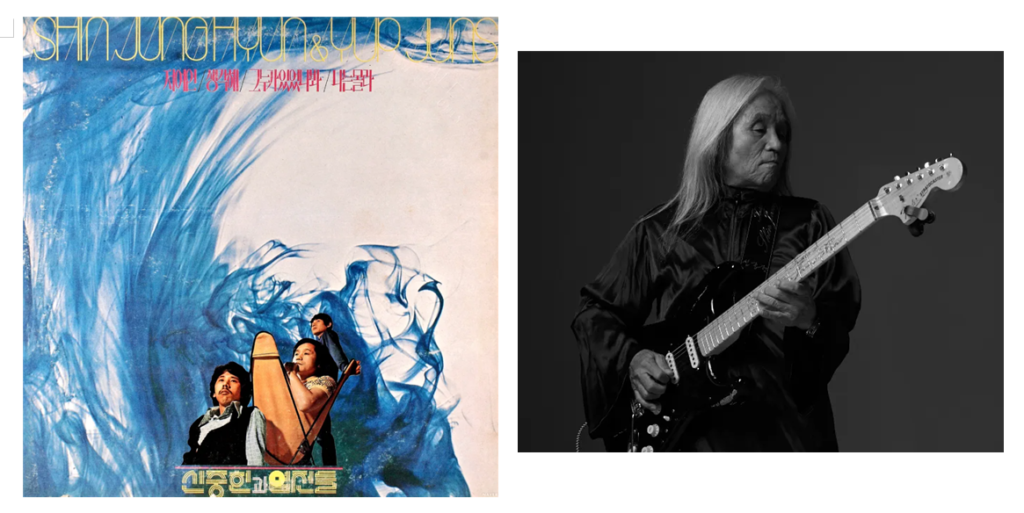
- The Sound: Shin didn’t just copy the Beatles or Jimi Hendrix. He created a “Korean Psychedelic” sound—dreamy, gritty, and deeply emotional. His guitar riffs were revolutionary.
- The ‘Shin Joong-hyeon Division’ (신중현 사단): Like a modern-day master producer, Shin discovered and produced a “division” of legendary singers. He wrote “Beautiful Woman” (미인), “You, So Far Away” (님은 먼 곳에), “A Cup of Coffee” (커피 한 잔) and “Beautiful Rivers and Mountains” (아름다운 강산)
- Representative Artists: * The Pearl Sisters: Known for their soulful vocals and chic 1960s aesthetic.
- Kim Chu-ja: The ultimate “Diva” of the era, famous for her provocative (for the time) dancing and powerful, husky voice.
4. Social Context: Music as a Ray of Hope
The 1960s and 70s in Korea were a time of rapid reconstruction and political tension. Under a military dictatorship, music served two purposes:
- Escape: High-energy rock and dance music provided a temporary escape from the hardships of post-war poverty.
- Identity: Artists like Shin Joong-hyeon were trying to define what “Modern Korea” sounded like, moving away from the traditional Trot towards something younger and more global.
5. Technology: The Rise of Television and “Standard Pop”
This era saw the birth of KBS, MBC, and TBC (commercial television).
- The Medium: Music shifted from the radio to the screen. Visual performance—fashion, choreography, and facial expressions—became crucial.
- Industry Structure: Large-scale “Standard Pop” orchestras accompanied singers, leading to a sophisticated, grand sound that we still hear in the “ballad” segments of modern K-Pop albums.
Summary of the Post-War & US Army Era
| Feature | Details |
| Main Stage | US 8th Army Base Clubs (The “Audition” Era) |
| Musical Style | Jazz, Psychedelic Rock, Soul, Standard Pop |
| Key Tech | Black & White Television / 7-inch Vinyl Singles |
| The Icons | The Kim Sisters (Global), Shin Joong-hyeon (Musical Master) |
Kyoung’s Local Insight: > When you listen to Shin Joong-hyeon’s “Beautiful Rivers and Mountains,” you can hear the DNA of Korean rock that still influences groups like Day6 or Xdinary Heroes today. It was a song about the pride of the land, written during a time when the government tried to force him to write songs praising the president. He refused and wrote a song about the beauty of the nation instead—a true rebel with a soul.
The 1970s, however, would soon face a dark cloud of censorship, leading to the “Folk” movement and the rise of a new “King.”
💡 Go to related article
The Grand Odyssey of K-Pop: A Century of Rhythm, Resilience, and Revolution
Chapter 1: The Colonial Roots & The Soul of Trot – Where K-Pop’s Heartbeat Began
Chapter 3: The “Jeans and Guitars” Revolution – Youth, Resistance, and the King (1970s – 1980s)
Chapter 7: The Global Domination – 3rd Generation & the Social Media Revolution (2012 – 2017)
Chapter 8: The Digital Natives – 4th Generation & The Performance Revolution (2018 – 2022)
Chapter 9: The 5th Generation – The Era of Naturalism & Hyper-Globalization (2023 – Present)
Chapter 10: The Future of K-Pop – Beyond the Stage and Into the Multiverse (2030 & Beyond)

A lifestyle writer covering K-beauty, fashion, and art. Kyoung shares honest insights on K-pop and smart shopping, capturing the vibrant trends of modern Korea.