When you walk through the serene paths of a Korean palace or the forested hills of a royal tomb, it is easy to view them as mere monuments of a vanished era. However, for those of us living in Korea, these sites are far from “dead” history. They are the stage for a living, breathing tradition that has continued for over 600 years. If you are looking for the ultimate Chosun Royal Ancestral Rites guide to plan your cultural journey for the upcoming year, you have come to the right place. These ceremonies, known as Jehyang, are not just reenactments; they are authentic spiritual services performed by the actual descendants of the Chosun royalty, offering a rare window into the Confucian soul of Korea.
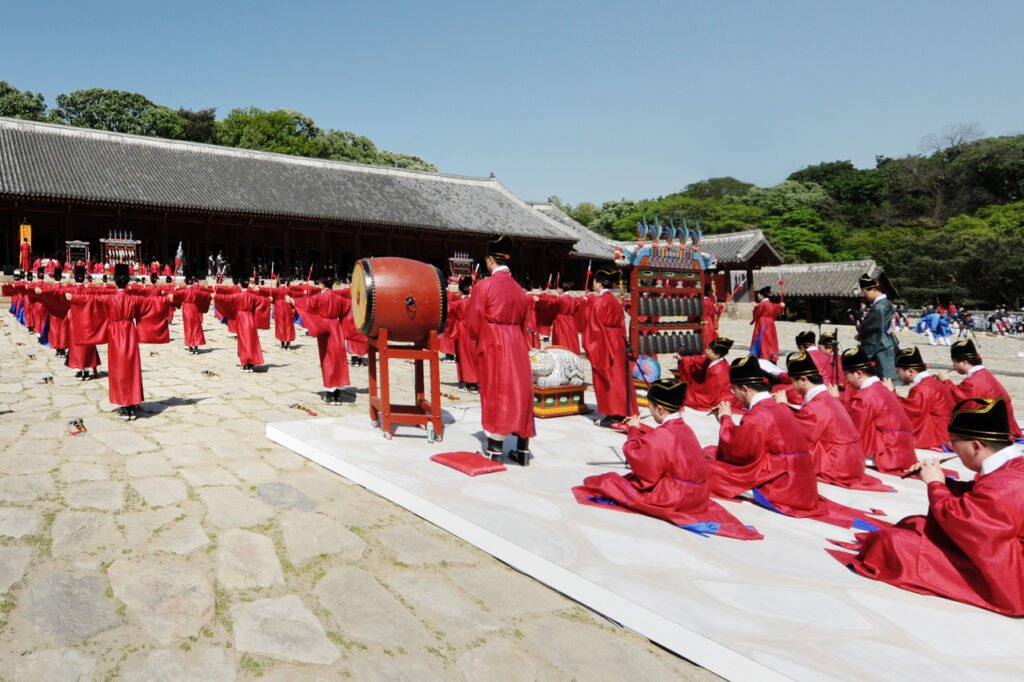
- The Guardians of Tradition: Who Performs the Rites?
- Jongmyo Daeje: The Supreme State Ritual Restored
- Sajik Daeje and Chilgungje: Earth, Grain, and Royal Concubines
- The Royal Tombs: Witnessing Jehyang in Nature
- Understanding the Ritual: What Happens During Jehyang?
- The Annual Schedule for Royal Ancestral Rites
- Visitor Etiquette and Insider Tips for Travelers
The Guardians of Tradition: Who Performs the Rites?
One of the most fascinating aspects of these ceremonies is who actually organizes them. While the physical sites—the palaces and tombs—are protected as national heritage by the National Heritage Administration, the ceremonies themselves are led by the Jeonju Lee Royal Family Association.
You might wonder why a private association handles such massive national events. The reason is deeply rooted in Korean tradition: the Jeonju Lee clan are the direct descendants of the royal family that ruled Korea for five centuries. In Confucianism(For a detailed explanation of Confucian culture, please click here), the duty of honoring ancestors falls strictly upon their descendants. Thus, even though the monarchy ended over a century ago, the “Great Family” continues to fulfill its filial duty, ensuring that the spirits of the kings and queens are honored with the same precision and respect as they were in the 15th century.
Jongmyo Daeje: The Supreme State Ritual Restored
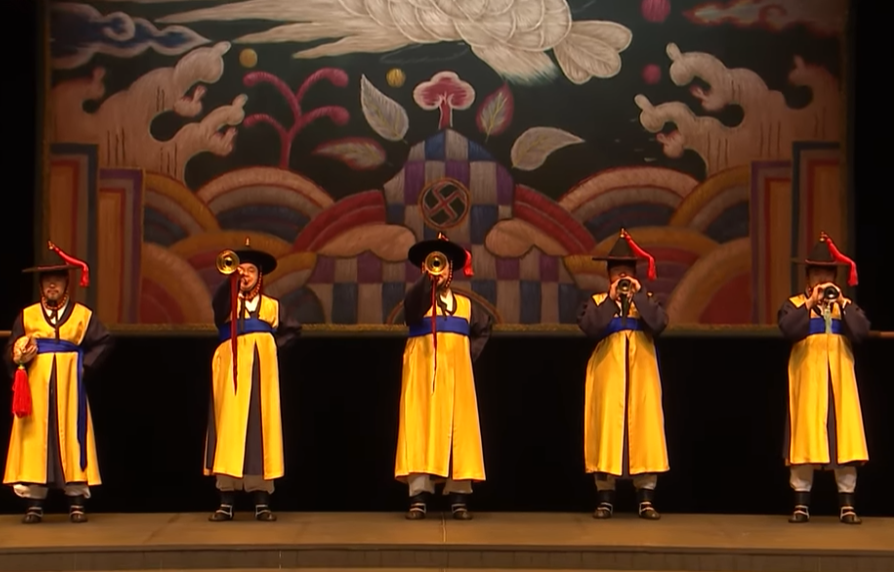
If you only have time for one cultural event in Korea, make it the Jongmyo Daeje. Often called the “Grand Ceremony of the Ancestors,” this ritual is held at Jongmyo Shrine, a UNESCO World Heritage site. It is a masterpiece of human heritage, combining solemn architecture, complex ritual procedures, and Jongmyo Jeryeak—the ritual music and dance that is also recognized by UNESCO.
For several years, the full grandeur of Jongmyo Daeje was limited due to global circumstances and extensive renovations to the main hall (Jeongjeon). I am pleased to note that 2025 marked the official return of the ceremony to its traditional full scale. As we reach the end of 2025, the successful resumption of these rites paves the way for them to be held again in 2026, continuing the tradition twice a year in spring and autumn.
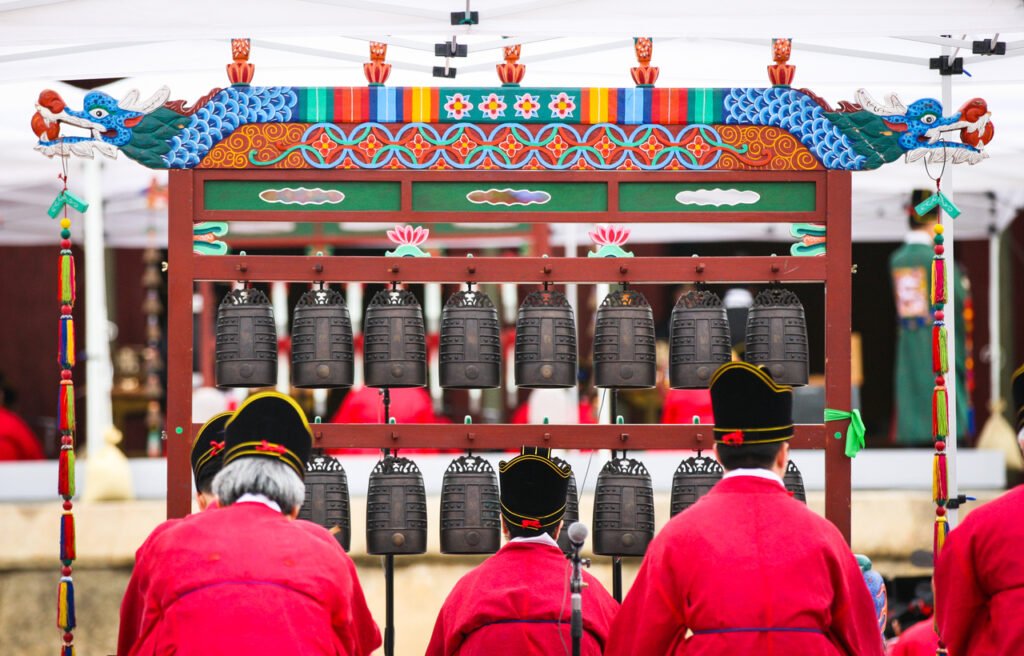
How to Attend the Grand Ceremony
Because of its immense popularity and the sanctity of the ritual space, advance reservation is mandatory for the best viewing spots. Aside from the initial booking fee paid during reservation, there is no additional entry fee required on the day. Furthermore, on the day of the Jongmyo Daeje, the shrine grounds are typically open to the general public, though access to the specific ritual performance areas remains restricted to ticket holders. You must check the official portals approximately one month before the event to secure your spot.
💡 Pro Tip: If you couldn’t secure a reservation but still want to attend, try arriving at the venue about two hours early. Even without a booking, you might snag one of the few extra seats or fill a spot that opens up during the event.
- Spring Ceremony (Chunhyang Daeje): Usually the first Sunday of May.
- Autumn Ceremony (Chuhyang Daeje): Usually the first Saturday of November.
Sajik Daeje and Chilgungje: Earth, Grain, and Royal Concubines
While Jongmyo honors the royal ancestors, the Sajik Daeje honors the gods of Earth and Grain. In an agrarian society like Chosun, these were the most critical deities for national prosperity. The ceremony is held at Sajik Dan, an open-air altar that feels starkly different from the enclosed halls of Jongmyo. It is typically held annually on the last Saturday of September.
Then there is Chilgungje. This is a more intimate but equally significant rite. “Chilgung” refers to the seven shrines of royal concubines who bore sons who eventually became kings, but who themselves never reached the rank of Queen. This ceremony, held on the last Saturday of March, offers a poignant look at the complex internal hierarchies of the Chosun court.
The Royal Tombs: Witnessing Jehyang in Nature
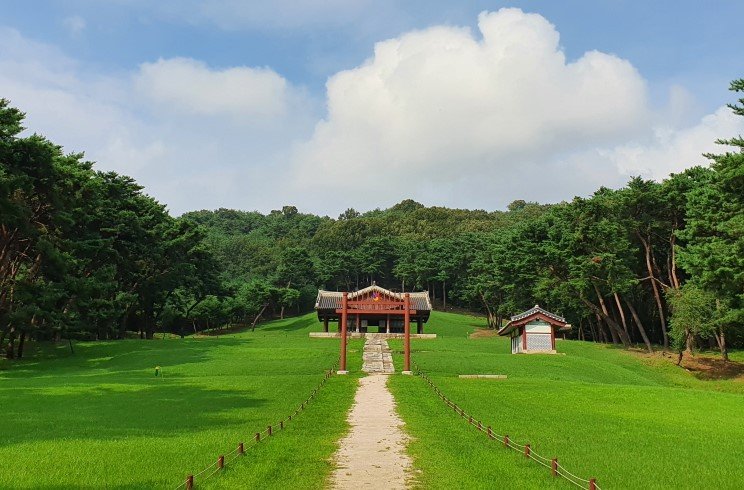
Beyond the city center of Seoul, the hills of Gyeonggi-do province hold the Royal Tombs of the Chosun Dynasty. These 40 tombs are scattered across the landscape, with major clusters at Donggureung (the East Nine Tombs) and Seooreung (the West Five Tombs). I always recommend a visit to Donggureung or Seooreung even if there isn’t a ceremony—they are essentially massive, beautiful royal parks.
However, visiting during a Jehyang date is a transformative experience. Unlike the grand, televised Jongmyo Daeje, the rites at the tombs feel more personal and quiet. You can see the ritual masters in their traditional robes traversing the “Red Gate” (Hongsalmun) and the stone pathways (Deokdo) leading to the T-shaped ritual house (Jeongjagak). It is a slow, meditative process that follows strict historical protocols.
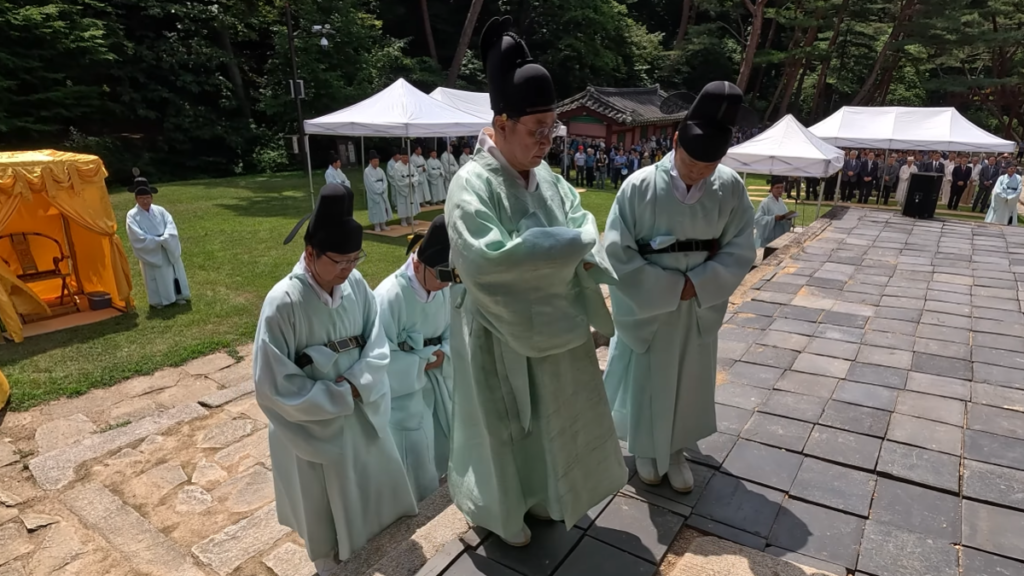
Understanding the Ritual: What Happens During Jehyang?
If you attend a rite at a royal tomb or Jongmyo, you will notice a specific flow. Here is a simplified breakdown of the general procedure to help you follow along:
- Yeongsin: Welcoming the ancestral spirits to the ritual site.
- Jeonpye-ui: Offering ritual incense and silk to the spirits.
- Jinchan-ui: The presentation of food offerings (traditionally raw and cooked dishes, fruits, and grains).
- Choheon-rye: The first offering of ritual wine by the chief celebrant.
- Aheon-rye & Jongheon-rye: The second and third offerings of wine.
- Eumbok-rye: The “sharing of blessings,” where the celebrants consume some of the offered food and wine.
- Singsin-ui: Seeing off the spirits and burning the prayer scrolls.
💡 Pro Tip: The food offerings are incredibly symbolic. You will see dishes stacked in specific geometric patterns, representing the harmony of the universe. Look for the “Tteok” (rice cakes) and various dried meats.
The Annual Schedule for Royal Ancestral Rites
The following tables outline the typical annual cycle for these rites. Please note: While the dates are generally fixed, they can occasionally change due to local circumstances. You can verify the most up-to-date schedule and any potential changes on the following official websites:
- National Heritage Administration – Royal Palaces and Tombs
- Jeonju Lee Royal Family Association Event Board
1. Central Seoul (Major Ceremonies)
| Event Name | Typical Date | Location Address |
|---|---|---|
| Chilgungje | Last Sat of March | 12, Changi-mun-ro, Jongno-gu, Seoul |
| Jongmyo Chunhyang Daeje | First Sun of May | 157, Jong-ro, Jongno-gu, Seoul |
| Sajik Daeje | Last Sat of September | 89, Sajik-ro, Jongno-gu, Seoul |
| Jongmyo Chuhyang Daeje | First Sat of November | 157, Jong-ro, Jongno-gu, Seoul |
2. Guri Area (Donggureung)
Address: 197, Donggureung-ro, Guri-si, Gyeonggi-do
| Date | Tomb Name (King/Queen) |
|---|---|
| Mar 08 | Hyereung (Queen Danui) |
| Mar 16 | Mokreung (King Seonjo / Queens Uiin & Inmok) |
| Apr 22 | Wonreung (King Yeongjo / Queen Jeongsun) |
| Jun 10 | Hyeonreung (King Munjong / Queen Hyeondeok) |
| Jun 25 | Sureung (Crown Prince Munjo / Queen Sinjeong) |
| Jun 27 | Geonwonreung (King Taejo) |
| Jul 25 | Gyeongreung (King Heonjong / Queens Hyohyeon & Hyojeong) |
| Aug 11 | Hureung (Queen Jeongan – held at Donggureung) |
| Sep 17 | Sungreung (King Hyeonjong / Queen Myeongseong) |
| Sep 20 | Hwireung (Queen Jangryeol) |
| Oct 24 | Hureung (King Jeongjong – held at Donggureung) |
| Nov 12 | Jereung (Queen Sinui – held at Donggureung) |
3. Goyang Area (Seooreung & Seosamreung)
| Date | Tomb/Shrine Name | Location Address |
|---|---|---|
| Jan 09 | Changreung (King Yejong / Queen Ansun) | 334-92, Seooreung-ro, Deogyang-gu, Goyang |
| Jan 16 | Yereung (King Cheoljong / Queen Cheolin) | 233-126, Seosamreung-gil, Deogyang-gu, Goyang |
| Mar 26 | Huireung (Queen Janggyeong) | 233-126, Seosamreung-gil, Deogyang-gu, Goyang |
| Apr 03 | Hongreung (Queen Jeongseong) | 334-92, Seooreung-ro, Deogyang-gu, Goyang |
| Apr 14 | Sunchangwon (Crown Prince Sunhoe) | 334-92, Seooreung-ro, Deogyang-gu, Goyang |
| May 21 | Sogyeongwon (Crown Prince Sohyeon) | 233-126, Seosamreung-gil, Deogyang-gu, Goyang |
| Jul 13 | Myeongreung (King Sukjong / Queens Inhyeon & Inwon) | 334-92, Seooreung-ro, Deogyang-gu, Goyang |
| Aug 18 | Hyoreung (King Injong / Queen Inseong) | 233-126, Seosamreung-gil, Deogyang-gu, Goyang |
| Aug 23 | Sugyeongwon (Royal Noble Consort Yeong) | 334-92, Seooreung-ro, Deogyang-gu, Goyang |
| Oct 22 | Gyeongreung (Crown Prince Deokjong / Queen Sohye) | 334-92, Seooreung-ro, Deogyang-gu, Goyang |
| Nov 09 | Daebin-myo (Lady Jang Hui-bin) | 334-92, Seooreung-ro, Deogyang-gu, Goyang |
| Dec 15 | Ikreung (Queen Inkyeong) | 334-92, Seooreung-ro, Deogyang-gu, Goyang |
4. Namyangju & Paju Areas
| Date | Tomb/Shrine Name | Location Address |
|---|---|---|
| Jan 03 | Sugilwon (Royal Consort Jeong) | 41-65, Soryeongwon-gil, Paju |
| Jan 14 | Gongreung (Queen Jangsun) | 89, Samreung-ro, Paju |
| Jan 21 | Hongreung (Emperor Gojong) | 352-1, Hongyureung-ro, Namyangju |
| Feb 06 | Hwigyeongwon (Royal Consort Yu) | 186-56, Gwangreung-sumokwon-ro, Namyangju |
| Apr 09 | Soryeongwon (Royal Consort Suk) | 41-65, Soryeongwon-gil, Paju |
| Apr 25 | Yureung (Emperor Sunjong) | 352-1, Hongyureung-ro, Namyangju |
| May 01 | Yeongwon (Crown Prince Euimin) | 352-1, Hongyureung-ro, Namyangju |
| May 09 | Sunreung (Queen Gonghye) | 89, Samreung-ro, Paju |
| Jun 17 | Jangreung (King Injo / Queen Inryeol) | 90, Jangreung-ro, Paju |
| Jul 16 | Hoeinwon (Yi Gu) | 352-1, Hongyureung-ro, Namyangju |
| Jul 17 | Sareung (Queen Jeongsun) | 180, Sareung-ro, Namyangju |
| Aug 07 | Gwanghaegun-myo (King Gwanghae) | 337-4, Songneung-ri, Namyangju |
| Oct 28 | Gwangreung (King Sejo / Queen Jeonghui) | 354, Gwangreung-sumokwon-ro, Namyangju |
| Nov 22 | Hongreung (Empress Myeongseong) | 352-1, Hongyureung-ro, Namyangju |
| Dec 10 | Sungangwon (Royal Consort In) | 84-31, Naegak 2-ro, Namyangju |
| Dec 16 | Yeongreung (Crown Prince Jinjong) | 89, Samreung-ro, Paju |
5. Other Regions (Seoul, Gyeonggi, Gangwon)
| Date | Tomb Name | Location Address |
|---|---|---|
| Jan 06 | Onreung (Queen Dangyeong) | 255-41, Hoguk-ro, Yangju |
| Jan 23 | Seonreung (King Seongjong) | 1, Seolleung-ro 100-gil, Gangnam |
| Feb 02 | Jangreung (Crown Prince Wonjong) | 79, Jangreung-ro, Gimpo |
| Apr 04 | Yeonsangun-myo (King Yeonsan) | 46, Banghak-ro 17-gil, Dobong |
| Apr 08 | Yeongreung (King Sejong) | 269-50, Yeongreung-ro, Yeoju |
| Apr 13 | Jungyeongmyo/Yeonggyeongmyo | 333-360, Jungyeong-gil, Samcheok |
| Apr 28 | Yeongreung (Queen Soheon) | 269-50, Yeongreung-ro, Yeoju |
| Apr 30 | Yeonghoewon (Crown Princess Minhoe) | San 141-20, Noonsa-dong, Gwangmyeong |
| May 16 | Taereung (Queen Munjeong) | 681, Hwarang-ro, Nowon |
| Jun 08 | Heonreung (King Taejong) | 36-10, Heoninreung-gil, Seocho |
| Jun 23 | Yeongreung (King Hyojong / Queen Inseon) | 269-50, Yeongreung-ro, Yeoju |
| Jul 12 | Yungreung (Crown Prince Jangjo) | 21, Hyohaeng-ro 481-gil, Hwaseong |
| Jul 20 | Yeonghuiwon (Imperial Consort Sunheon) | 90, Hongreung-ro, Dongdaemun |
| Jul 22 | Geonreung (King Jeongjo / Queen Hyo-ui) | 21, Hyohaeng-ro 481-gil, Hwaseong |
| Aug 12 | Gangreung (King Myeongjong / Queen Insun) | 681, Hwarang-ro, Nowon |
| Aug 27 | Heonreung (Queen Wongyeong) | 36-10, Heoninreung-gil, Seocho |
| Sep 23 | Jeongreung (Queen Sindeok) | 116, Arirang-ro 19-gil, Seongbuk |
| Oct 13 | Seonreung (Queen Jeonghyeon) | 1, Seolleung-ro 100-gil, Gangnam |
| Oct 16 | Uireung (King Gyeongjong / Queen Seon-ui) | 146-20, Hwarang-ro 32-gil, Seongbuk |
| Nov 19 | Jangreung (King Danjong) | 190, Danjong-ro, Yeongwol |
| Dec 09 | Jeongreung (King Jungjong) | 1, Seolleung-ro 100-gil, Gangnam |
| Dec 13 | Inreung (King Sunjo / Queen Sunwon) | 36-10, Heoninreung-gil, Seocho |
Visitor Etiquette and Insider Tips for Travelers
Attending a royal ancestral rite is a privilege, and as a guest, you are expected to follow certain “codes of conduct” to respect the descendants and the solemnity of the event.
Essential Etiquette
- Keep the Noise Down: These are religious/spiritual services. Avoid loud conversations or shouting.
- Respect the Walkways: At tombs, you will see stone paths. The elevated path (Sindo) is for the spirits; the lower path (Eodo) is for the king (and now, visitors). Please walk on the lower path where possible.
- Dress Code: You don’t need a suit, but “smart casual” is best. Avoid revealing clothing or flip-flops out of respect for the ancestors.
- Photography: Usually, photography is allowed, but never use a flash and stay behind the restricted lines. Do not cross into the ritual area (Jeongjagak) while the ceremony is in progress.
FAQ for International Visitors
Q: Is there an entrance fee?
A: Most royal tombs have a very small entrance fee (usually 1,000 KRW). On the day of a ritual, entry to the site is often free, although specific ritual viewing areas may be controlled.
Q: Will there be English explanations?
A: At major events like Jongmyo Daeje, there are often multi-language brochures and sometimes English commentary via headsets. For smaller tomb rites, it is mostly in Korean, but the visual experience is powerful enough to transcend language.
Q: How long does a ceremony last?
A: Most tomb rites take about 1 to 1.5 hours. Jongmyo Daeje is much longer, often lasting several hours if you watch the full procession through the city and the main ceremony.
Witnessing these rites is a way to see that the Chosun Dynasty didn’t just end in 1910—it lives on in the hearts and actions of its descendants. I hope this guide helps you plan a truly unforgettable cultural journey for 2026 and beyond.
Korean Culture portal KCulture.com
Join the mailing service and add to your favorites.
Founder of Kculture.com and MA in Political Science. He shares deep academic and local insights to provide an authentic perspective on Korean history and society.