Is Confucianism a relic of the past in South Korea? Far from it. As someone living in Korea and closely observing its cultural shifts, I can confidently tell you that Confucianism in modern Korean society is very much alive—not as a rigid religious dogma, but as a practical tool for self-development, leadership, and psychological healing. If you step into any major local bookstore, you will find modern interpretations of ancient texts dominating the bestseller and steady-seller lists. Interestingly, these publications do not aggressively preach traditional values; rather, they gently and naturally immerse modern readers into a Confucian worldview. Through this subtle engagement, the publishing market continues to heavily influence and sustain Korea’s Confucian traditions today.
For those navigating the complexities of modern life, these ancient texts have been reborn as practical life hacks. Let us dive into how Korean bookstores are keeping ancient philosophies thriving in the 21st century.
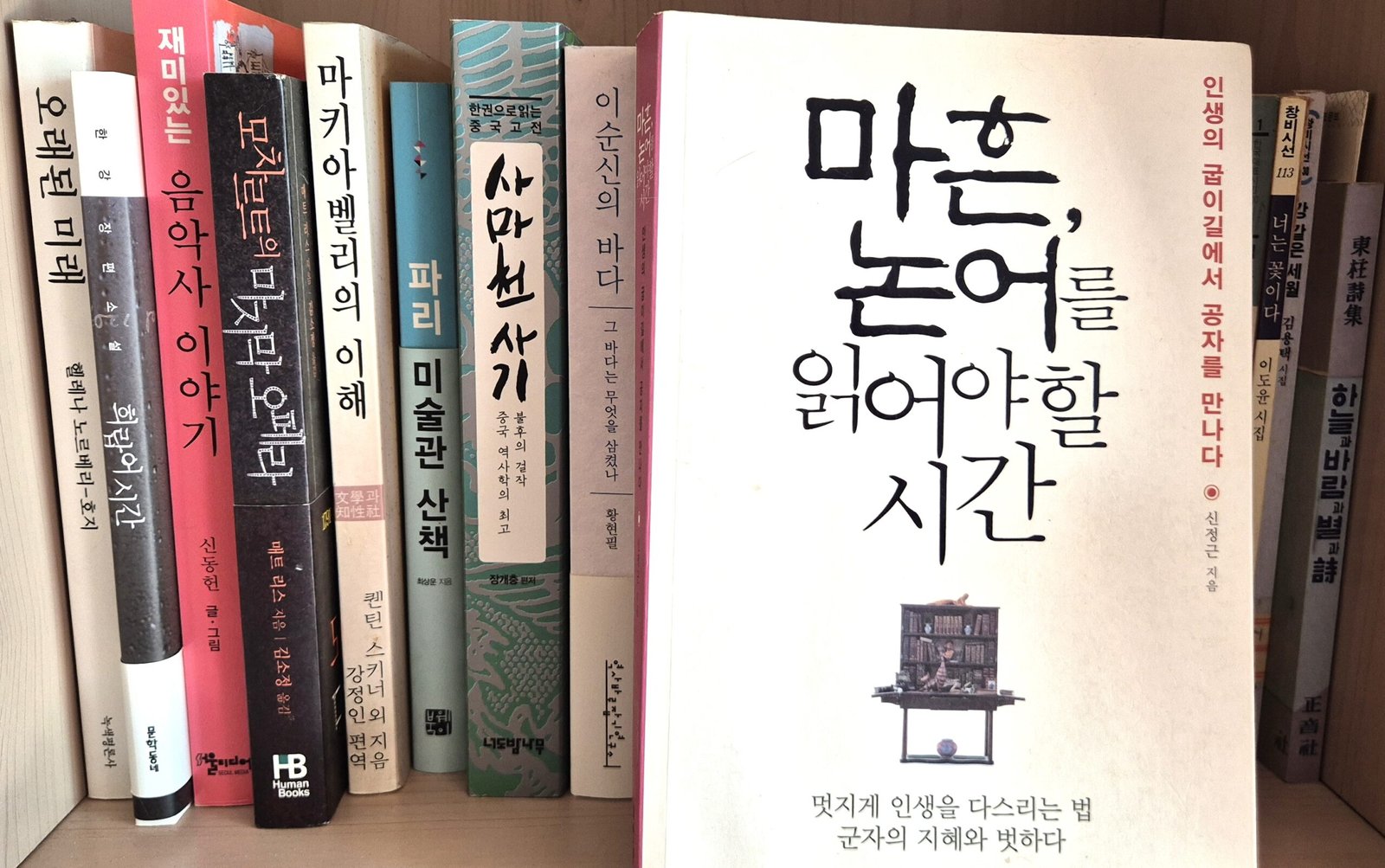
- The Subtle Power of Korean Publishing
- The Analects: The Ultimate Life Guide for Modern Koreans
- Mind Training: Myeongsimbogam and I Ching
- Unwavering Principles: Mencius and Doctrine of the Mean
- Joseon Dynasty’s Practical Classics: Mongminsimseo
- Local Tips for Exploring Philosophy in Korea
The Subtle Power of Korean Publishing
When you browse the aisles of Kyobo Bookstore (교보문고) near the bustling Gwanghwamun (광화문) square, you might be surprised by the sheer volume of Eastern philosophy books. However, they are rarely marketed as strict academic texts. Instead, they are packaged as solutions to modern anxieties. By reframing classic philosophies into modern advice on how to navigate office politics, manage stress, or lead a team, publishers help readers internalize a Confucian worldview without feeling burdened by archaic traditions.
Before exploring specific texts, you might want to understand the broader cultural context. For a deep dive into how this philosophy quietly shapes daily habits, relationships, and even your favorite media, check out our comprehensive guide: Confucianism : The Hidden Code of Klifestyle.

The Analects: The Ultimate Life Guide for Modern Koreans
Among all Confucian scriptures, the Analects (recorded dialogues of Confucius and his disciples) holds the undisputed number one spot in the Korean publishing market. It is the most translated, adapted, and consumed classic text in the country.
Authentic Translations vs. Self-Help Adaptations
While orthodox translations by esteemed scholars and Eastern philosophers remain steady sellers, the biggest trend in recent years is the “customized” essay format. Publishers tailor the wisdom of the Analects to specific age groups and life stages.
- Age-Specific Guidance: Titles like Reading the Analects at Forty or Reading the Analects at Fifty are massive hits. They target middle-aged individuals experiencing a mid-life crisis, offering them grounding wisdom and a sense of direction.
- Leadership Strategies: Books such as The Analects for Leaders extract management principles from Confucius’s teachings, framing him as the ultimate CEO mentor.
Mind Training: Myeongsimbogam and I Ching
Beyond the teachings of Confucius, other classic texts have found niche yet highly profitable markets by addressing the psychological needs of modern Koreans.
Myeongsimbogam (明心寶鑑): The Character Builder
Though technically a blend of Confucian, Buddhist, and Taoist aphorisms, the Myeongsimbogam is fundamentally treated as the primary textbook for traditional Confucian character education in Korea. Today, it serves two main demographics:
- For Children: Adapted into educational comic books to teach Chinese characters and basic etiquette.
- For Adults: Published as handwriting (transcription) workbooks. In a fast-paced digital society, the physical act of slowly writing out these ancient proverbs offers adults a form of moving meditation and mindfulness.
I Ching (周易): The Philosophy of Change
The I Ching, or the Book of Changes, explores the principles of the universe and life’s inevitable shifts. While it has roots in divination, modern Korean bookstores categorize it firmly under humanities and self-development. It is especially popular among executives and middle-aged readers who seek profound philosophical insights to turn life’s crises into opportunities and successfully navigate major turning points.
Unwavering Principles: Mencius and Doctrine of the Mean
Following the Analects, the Mencius and the Doctrine of the Mean are the most widely read among the Four Books of Confucianism, each serving a distinct modern purpose.
| Classic Text | Core Concept | Modern Publishing Application |
|---|---|---|
| Mencius (孟子) | Righteousness and “Kingly Way” Politics | Interpreted as guides for uncompromising justice, righteous leadership, and social philosophy. |
| Doctrine of the Mean (中庸) | Balance and Impartiality | Reimagined as psychological self-help books focusing on emotional regulation and maintaining inner peace. |
Joseon Dynasty’s Practical Classics: Mongminsimseo
While Chinese classics are foundational, Korea has its own rich library of Confucian masterpieces. The most prominent among them are the works of Dasan Jeong Yak-yong, a brilliant scholar from the late Joseon Dynasty.
His magnum opus, Mongminsimseo (Admonitions on Governing the People), is an overwhelming favorite. Originally written as a practical guide for local magistrates, it is now revered as a must-read for modern public officials, corporate executives, and anyone in a management position. Furthermore, the scholar’s personal life philosophy continues to inspire; modern adaptations like the bestselling book Dasan’s Last Habit focus heavily on his unwavering daily routines and attitude toward continuous self-improvement.
Local Tips for Exploring Philosophy in Korea
If you are visiting Korea and want to witness this cultural phenomenon firsthand, you do not need to speak fluent Korean to appreciate the scale of it.
💡 Pro Tip from a Local: Head to the flagship Kyobo Bookstore in Gwanghwamun. Navigate to the “Humanities” (인문) or “Self-Development” (자기계발) sections. You will see entire tables dedicated solely to modern interpretations of the Analects and Mongminsimseo. Notice how the cover designs are not dusty and ancient, but minimalist, trendy, and often pastel-colored to appeal to young professionals.
Ultimately, the immense popularity of these modern interpretations proves a crucial point about living in Korea: Confucianism here is far more than just performing traditional ceremonies like ancestral rites (Jesa). By seamlessly blending ancient wisdom with daily life advice, the Korean publishing industry actively, yet naturally, shapes and maintains a deeply Confucian value system and worldview among its readers. These books do not just offer life hacks; they transmit core values. They gently guide how modern Koreans think, work, and relate to one another, proving that the Confucian spirit remains very much alive—not as a ceremonial relic of the past, but as a living, breathing philosophical foundation of the present.
Korean Culture portal KCulture.com

Founder of Kculture.com and MA in Political Science. He shares deep academic and local insights to provide an authentic perspective on Korean history and society.