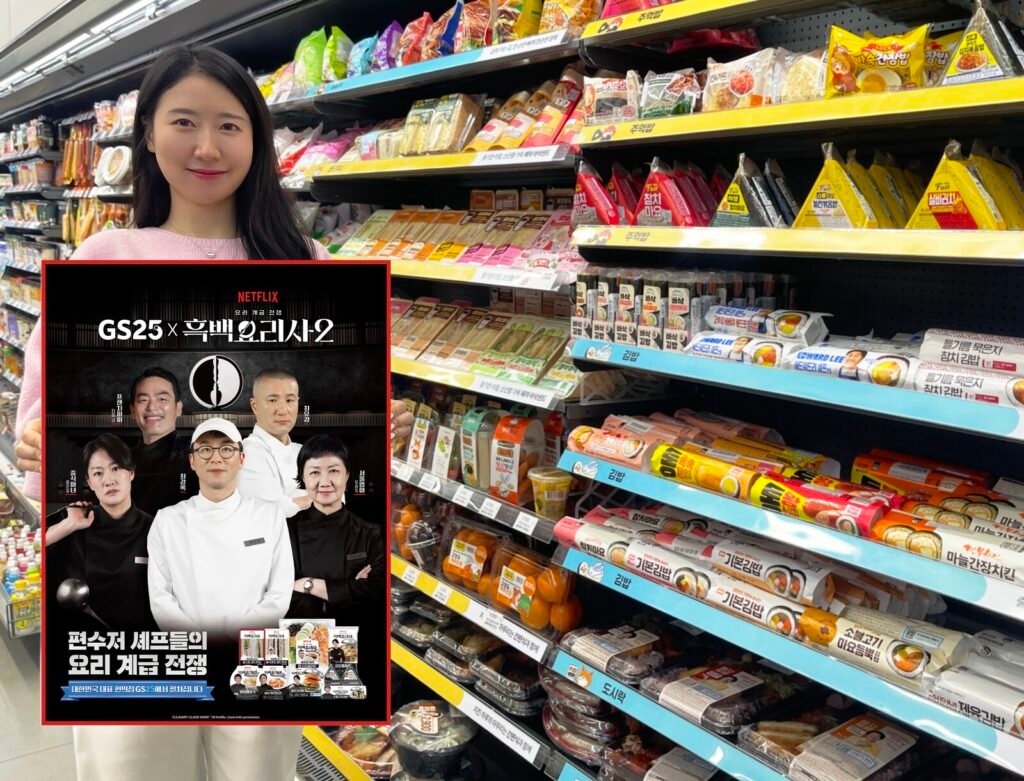
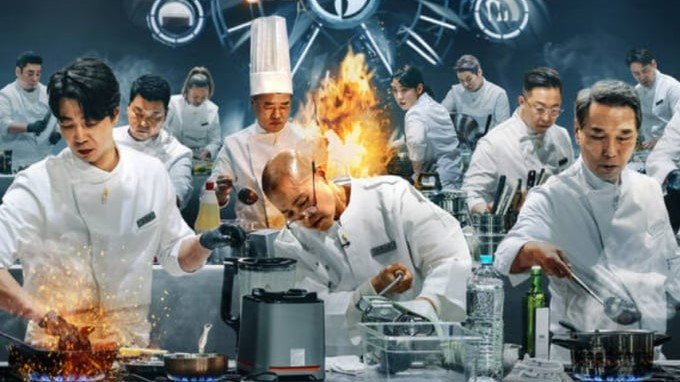
The global phenomenon is back, and the stakes have never been higher! Netflix has officially announced Culinary Class War (흑백요리사) Season 3, shifting the battlefield from individual mastery to the synergy of entire restaurant teams. This season, four-member crews from Korea’s top eateries will compete to prove whose kitchen reigns supreme, promising a whole new level of “K-dopamine” for foodies worldwide.
Quick Summary of Season 3:
- The Big Twist: No more individual contestants. It’s a 4-on-4 team battle.
- Who Can Join: Real teams from the same restaurant (including different branches).
- The Goal: To showcase the “chemistry” and honor of Korea’s best dining establishments.

Table of Contents
- The Evolution of Culinary Class War: From Individuals to Teams
- New Battlefield, New Rules: What You Need to Know About Season 3
- A Look Back: The Legacy of Black Spoons vs. White Spoons
- Calling All Chefs: How to Apply and Participation Requirements
- Why This Matters: A Local Expert’s Perspective on the Restaurant Scene
1. The Evolution of Culinary Class War: From Individuals to Teams
If you thought the rivalry between the “Black Spoons” (hidden masters) and “White Spoons” (celebrity chefs) was intense, wait until you see their entire kitchens go to war! Living in Korea, I’ve seen firsthand how this show turned local neighborhoods into pilgrimage sites. After Season 1 and Season 2 dominated the Netflix Non-English Top 10 for two consecutive years, the creators are shaking things up.
In Season 3, the focus moves from the lone wolf to the pack. It’s no longer just about one person’s palate; it’s about the “chemistry” (known in Korea as son-bal, meaning hand-and-foot coordination). As someone who holds certifications in both Korean cuisine and confectionery, I can tell you: a restaurant’s soul isn’t just the head chef. It’s the seamless flow between the sous-chef, the station chefs, and the youngest kitchen assistant. This season will finally highlight that hidden harmony.

2. New Battlefield, New Rules: What You Need to Know About Season 3
The most shocking twist? Individual entries are officially banned. This isn’t a solo journey anymore. Here are the key changes that have the Korean culinary world buzzing:
- 4-Person Teams Only: Every entry must consist of exactly four chefs who currently work at the same establishment.
- Rank Flexibility: A team can be any combination—perhaps two head chefs, a sous-chef, and a commis (junior chef), or even a restaurant owner with three employees.
- Inter-branch Collaboration: If a restaurant has multiple locations (e.g., a Seoul branch and a Busan branch), chefs from different branches of the same brand can team up.
This “Team vs. Team” format is brilliant because it mirrors the reality of the industry. It’s about speed, communication, and collective creativity under pressure. I’m already imagining the drama when a small, trendy “Black Spoon” bistro goes up against a legendary fine-dining “White Spoon” brigade!
3. A Look Back: The Legacy of Black Spoons vs. White Spoons
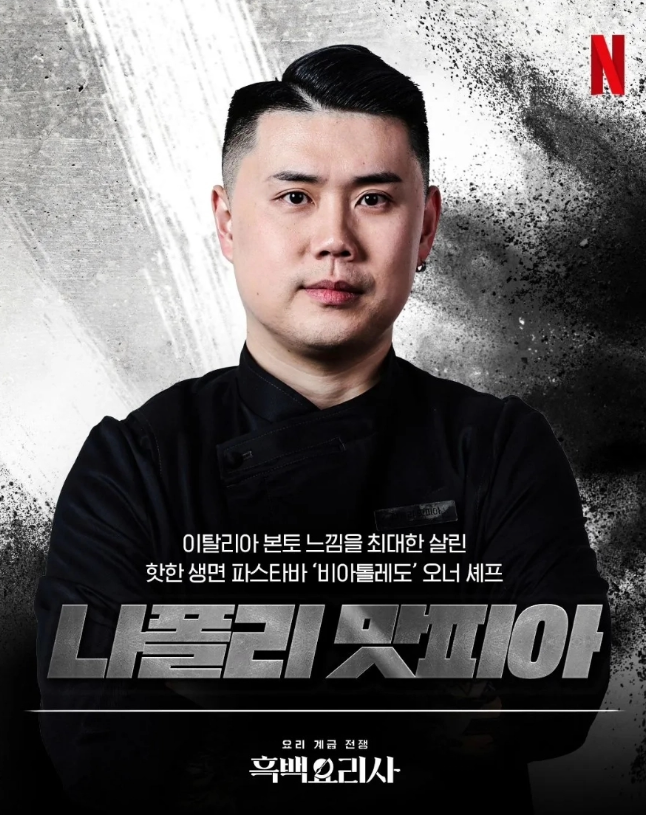
To understand the hype, we have to look at our previous champions. In Season 1, the “Black Spoon” underdog Napoli Matfia (Kwon Seong-jun) shocked the world by taking down the giants. His victory wasn’t just about taste; it was about the grit of the underdog.
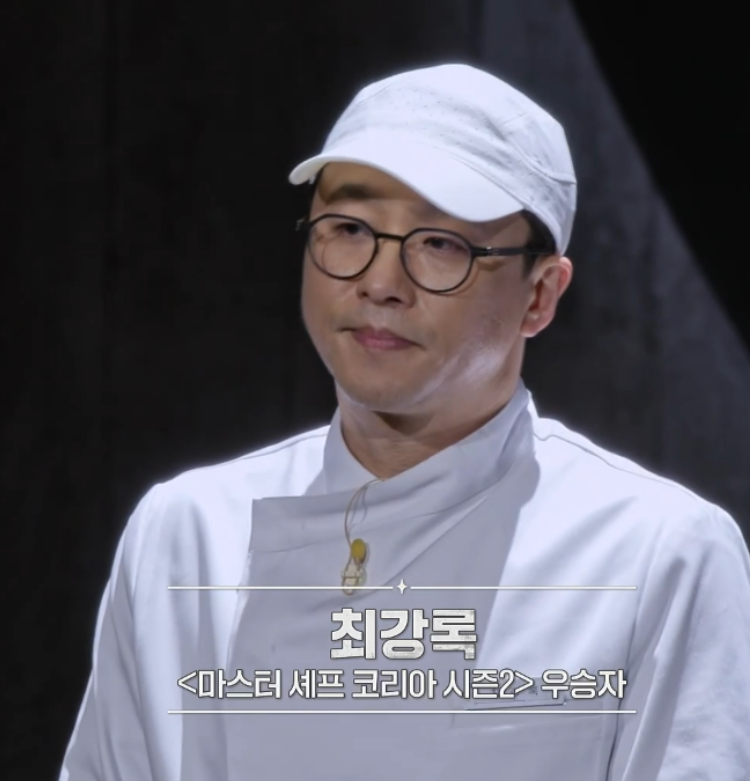
Season 2 gave us a different kind of thrill. The “Hidden White Spoon” Choi Kang-rok—a fan favorite known for his quirky personality and absolute mastery of flavors—emerged as the final survivor. These stories resonated because they weren’t just about cooking; they were about identity and the relentless pursuit of perfection.
If you’re curious about the specific dishes that went viral, check out our guide on Must-Try Dishes from Culinary Class War Season 1 & 2.
4. Calling All Chefs: How to Apply and Participation Requirements
The recruitment video on Netflix’s official YouTube channel hit over 500,000 views in just 12 hours. The “K-Dopamine” is real! If you are a chef in Korea (or know a team that should enter), here is the breakdown:
- Application Form: Download the form at the official link (https://forms.gle/9WsEYnjAMoZ9UHiU7) and fill it out carefully.
- Two Required Videos:
- A restaurant and team introduction (including individual intros for all 4 members).
- A cooking video showing the team working together and the final plated dish.
- Make sure your faces and the cooking process are clearly visible!
- Submission: Send everything to [email protected].
5. Why This Matters: A Local Expert’s Perspective
As a local resident who loves exploring the alleys of Korea, I see this shift to “Restaurant Battles” as a huge win. Many talented young chefs work behind the scenes in famous kitchens, often overshadowed by a single big name. Season 3 gives the entire team a spotlight.
Moreover, this format will showcase a wider variety of cuisines. Whether it’s a traditional team specializing in fermentation or a modern fusion team using molecular gastronomy, the “team” dynamic will bring out more complex, multi-course stories that a single chef might struggle to tell alone. It’s going to be a feast for the eyes and the soul! 🥟🔥
I am personally so excited to see which of my favorite local spots will show up on screen. Will it be the trendy pasta bar in Seongsu-dong or the traditional beef bone soup master in Jongno? Only time will tell!

A certified Korean chef and baker. Min shares authentic tastes of Korea, from hidden local gems to traditional recipes and everyday lifestyle.