Hello there! I’m Min, your local cultural guide living right here in the heart of Korea. If you’ve stepped into any café in Seoul lately, you’ll know that the only thing hotter than a steaming bowl of Gukbap is the talk about Netflix’s latest sensation.
As someone who holds certifications in both Korean Cuisine (Hansik) and Baking, I tend to look at food shows with a slightly critical eye—but Culinary Class Wars Season 2 has completely swept me off my feet! It’s bigger, bolder, and frankly, much “spicier” than the first.
Whether you’re a die-hard foodie or just someone looking for high-stakes drama, here is everything you need to know about the show that’s currently dominating the global Netflix charts.
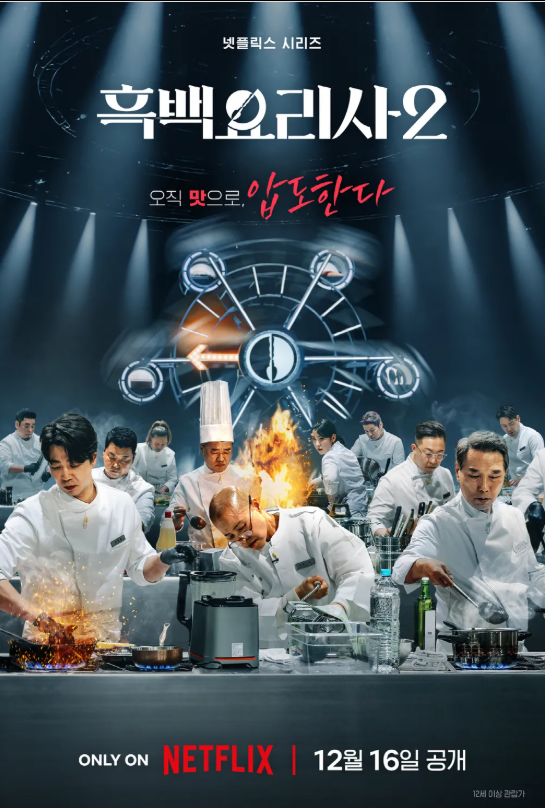
Culinary Class Wars Season 2: Why the World is Obsessed with Korea’s Ultimate Food Fight
The “Class War” is back, and this time, the stakes have moved from the kitchen to the stratosphere. If Season 1 was an appetizer that teased our palates, Season 2 is a full-course feast that leaves you breathless.
1. The Premise: Black Spoons vs. White Spoons
For those new to the series, the concept is a stroke of genius. It pits 80 “Black Spoons” (talented, under-the-radar chefs and local masters) against 20 “White Spoons” (South Korea’s elite, Michelin-starred, and celebrity chefs).
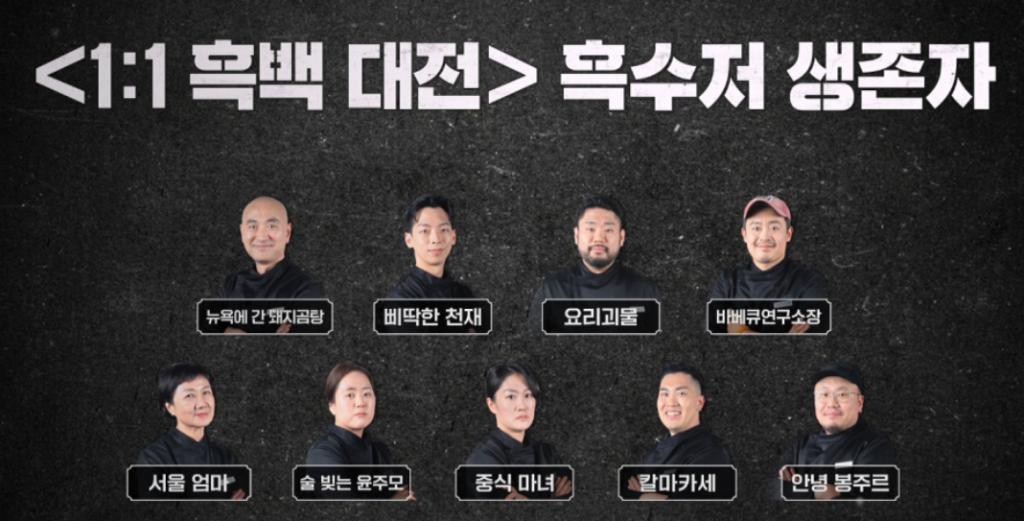
- The Twist: The Black Spoons don’t even use their real names! They go by nicknames like “Brewmaster Yun” or “Culinary Monster.” They only earn the right to reveal their names if they make it to the final stages. It’s a literal battle to “unmask” their identity through pure flavor.
2. What Makes Season 2 “Sharper” than Ever?
I’ve seen the numbers: Season 2 debuted at No. 1 on Netflix’s Global Top 10 (Non-English) with over 5.5 million views in its first week alone. But as a local, I can tell you the “buzz” is because the production value has skyrocketed.
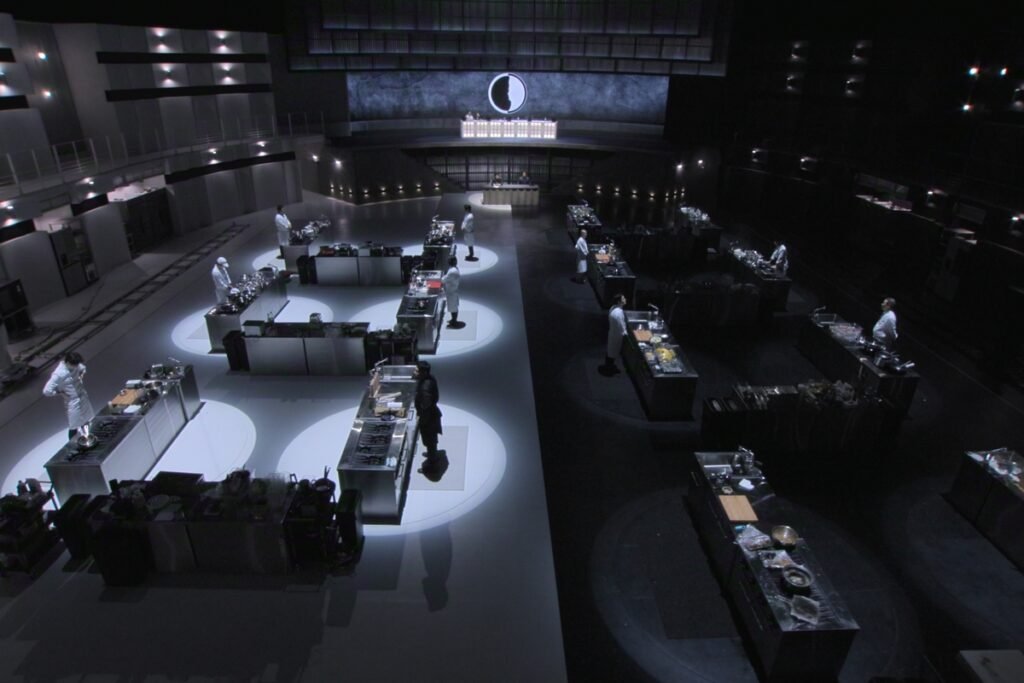
- The “Infinite” Missions: We moved past simple challenges. This season introduced “Infinite Cooking Heaven,” where 7 chefs had 180 minutes and a pantry of 500+ ingredients to score the highest points.
- The Return of “Hell”: Remember the Tofu Hell from Season 1? It’s back, but with a twist—Carrot Hell! Watching world-class chefs try to reinvent a single carrot five times in 30-minute intervals is pure “survival dopamine.”
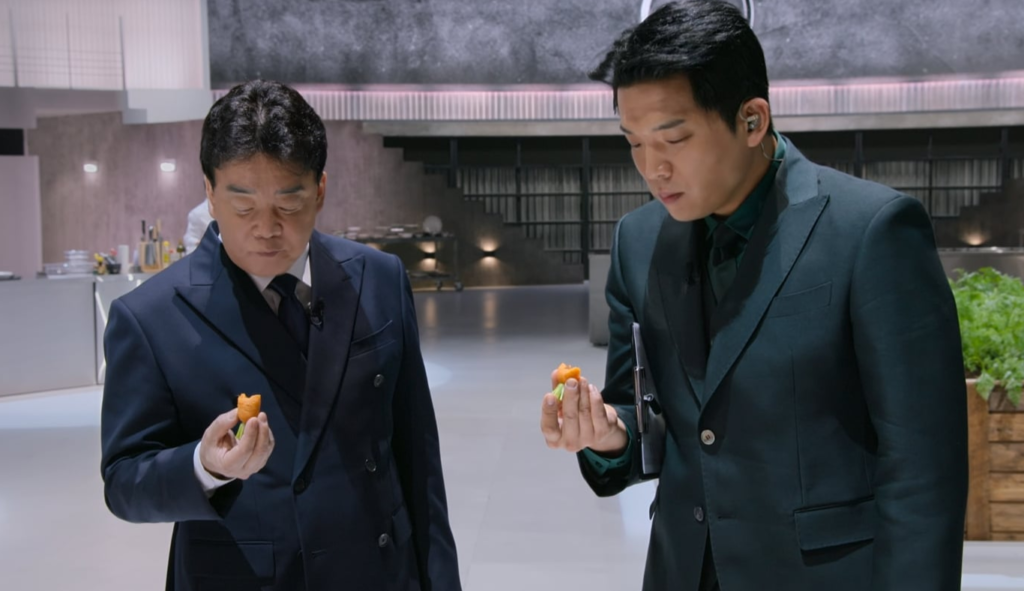
- The Judges: The chemistry between the legendary Paik Jong-won (the king of the masses) and Ahn Sung-jae (Korea’s 3-Michelin-star chef) is even more refined. They even wore matching white suits for the semi-finals—talk about style!
3. The Battles You Can “Taste” Through the Screen
The most gripping moment for me? The Blind Tasting Duels. Imagine being a chef and having your food judged by two experts who are literally blindfolded.
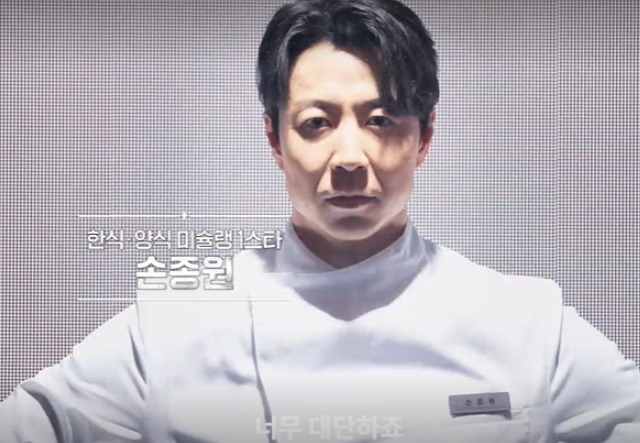
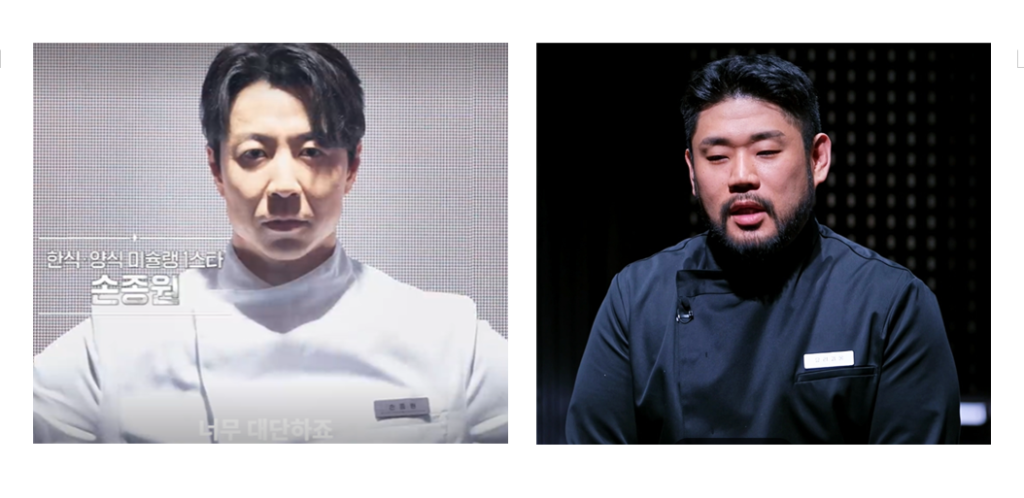
One of the most talked-about battles featured Chef Son Jong-won (a White Spoon icon) against the mysterious Culinary Monster. The tension was so thick you could cut it with a knife! Culinary Monster served a dumpling dish in sabayon sauce that was so technically perfect it forced the judges into a rare tie-break. When Chef Ahn Sung-jae analyzed the “intent” behind every grain of seasoning, you realized this isn’t just cooking—it’s philosophy.
4. Local Expert Insight: The Power of “K-Ingredients”
What I love most as a local professional is how the show highlights regional Korean specialties. We’re seeing:
- Gapyeong Pine Nuts turned into sophisticated foams.
- Uiryeong Quail treated with French techniques.
- Traditional Soju distillation happening right on the spot (shoutout to Brewmaster Yun!).
Currently, about 4.9% of Korea’s population consists of non-Koreans, and shows like this are a huge reason why more people are moving here to explore our culinary landscape. It’s not just about Kimchi anymore; it’s about the evolution of Korean ingredients through a global lens.
Min’s “Secret Ingredient” for Enjoying the Show
If you want to watch like a pro, pay attention to the intent. As Chef Ahn often says, “What was your intention with this ingredient?” In Korea, we believe food isn’t just fuel; it’s the chef’s heart on a plate.
What’s next?
In my next post, I’ll be diving deep into the individual Black and White Spoon chefs who stole our hearts. Who is your favorite so far?
Would you like me to analyze the specific “Hansik” (Korean food) techniques used by the top contenders in the next post?
♣ Go to related article
Culinary Class Wars Season 2: The “White Spoon” Pilgrimage – 5 Elite Chefs and Their Must-Visit Restaurants
Culinary Class Wars Season 2: The 8 Black Spoon Heroes and Their Soulful Kitchens
Culinary Class Wars Season 2 Highlights
This video provides a quick look at how the show topped the global charts and the elite chefs participating this season.

A certified Korean chef and baker. Min shares authentic tastes of Korea, from hidden local gems to traditional recipes and everyday lifestyle.