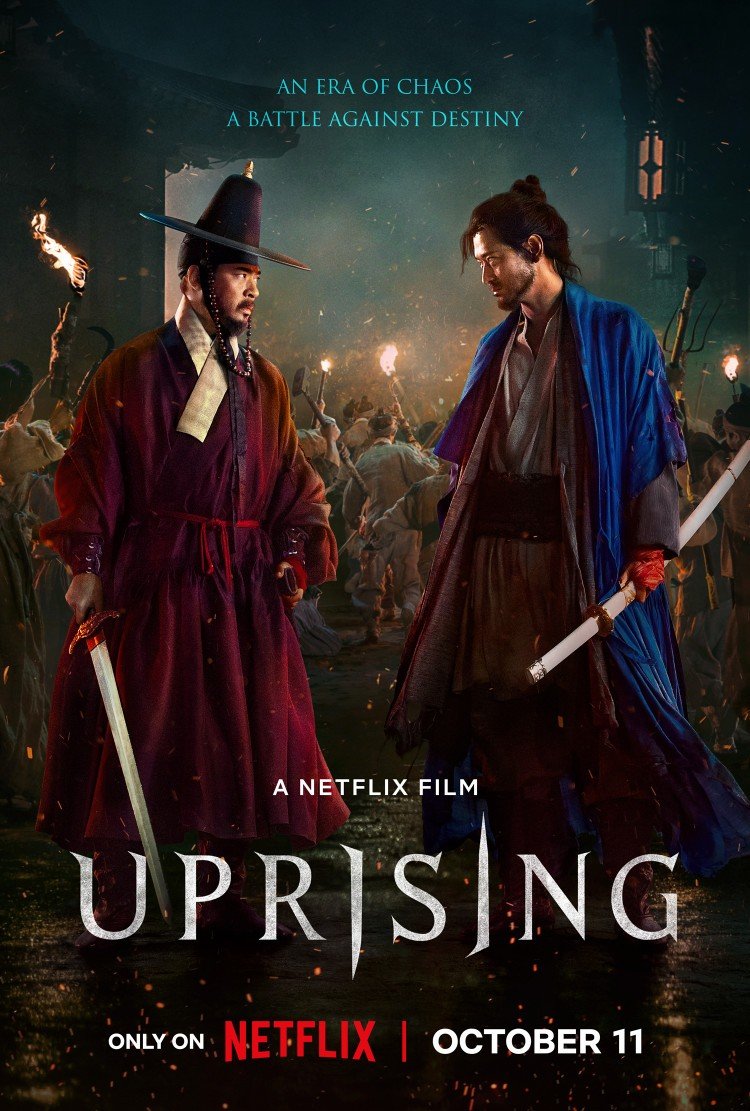
While Netflix’s hit film Uprising portrays King Seonjo as a fundamentally incompetent, unsympathetic tyrant who completely abandoned his people, the actual history reveals a highly strategic—albeit deeply flawed—monarch who managed complex international diplomacy to survive the Imjin War. The movie dramatically exaggerates his greed and ignorance to emphasize the class struggles of the Joseon Dynasty, but treating this cinematic license as absolute historical truth can give viewers a heavily skewed understanding of Korean history. Living in Korea, I often see international fans taking these dramatic depictions at face value, so let us dive into the true historical records to separate the artistic choices of Uprising from the real King Seonjo.
- The Cinematic Villain: King Seonjo in Uprising
- Fact Check: Did Seonjo Rebuild Gyeongbokgung Palace?
- The Real King Seonjo: Incompetent Tyrant or Skilled Politician?
- Understanding “Cinematic Politics” in Korean Media
- Exploring Seonjo’s History in Modern Seoul
The Cinematic Villain: King Seonjo in Uprising
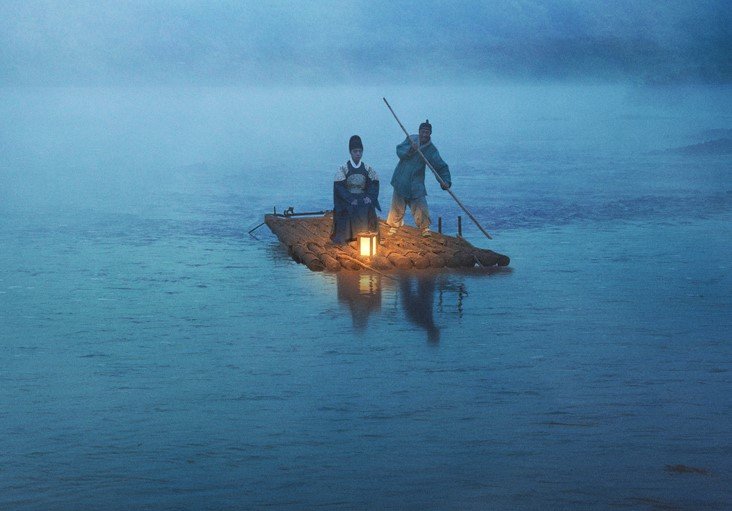
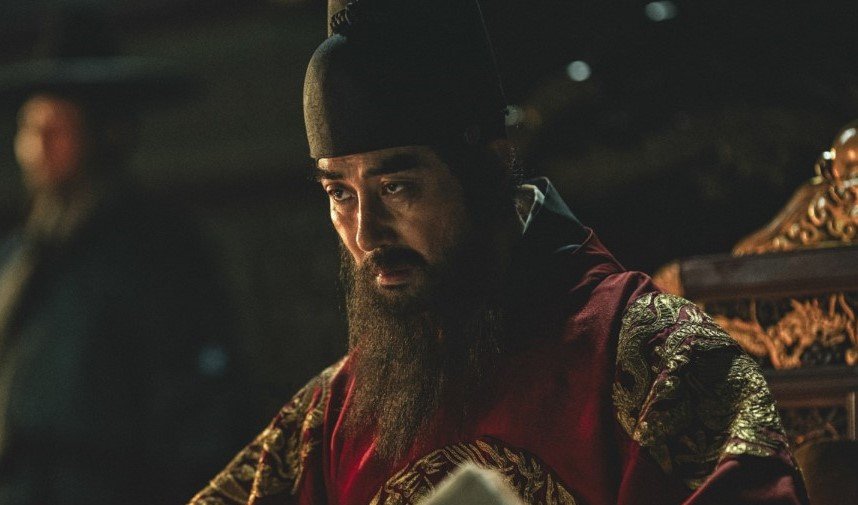
In Netflix’s Uprising, set against the backdrop of the devastating Imjin War (Japanese invasions of Korea from 1592 to 1598), King Seonjo is depicted as the ultimate antagonist to his own people. The film shows him as a cowardly ruler who flees the capital at the first sign of danger, leaving his subjects to be slaughtered.
Furthermore, the movie highlights his extreme paranoia and cruelty, heavily implying that his irrational jealousy led him to torture and dismiss the nation’s greatest hero, Admiral Yi Sun-sin. In the film’s narrative, Seonjo is completely detached from the reality of his starving, war-torn nation, acting only out of self-preservation and a petty desire to maintain his luxurious royal status. While his mistreatment of Admiral Yi and his flight from the capital are rooted in truth, the movie amplifies his “ignorance” to a level that contradicts historical records.
Fact Check: Did Seonjo Rebuild Gyeongbokgung Palace?
One of the most glaring historical inaccuracies in Uprising is the plotline where King Seonjo obsessively demands the immediate reconstruction of the royal palace while his people are dying of starvation. This was intentionally written to showcase his absolute disregard for human life and his obsession with royal authority.
However, historical records clearly prove this is entirely false. In reality, King Seonjo was acutely aware of the devastated state of Joseon’s finances and the suffering of the commoners following the war. When he returned to the capital, Gyeongbokgung Palace (경복궁) was completely reduced to ashes. Instead of forcing his exhausted citizens into crushing labor to rebuild it, Seonjo chose to live in a modest, temporary residence.
- The Historical Truth: Gyeongbokgung Palace was actually left in ruins for over 270 years after the Imjin War. It was not rebuilt until the late 19th century under the reign of King Gojong (directed by Heungseon Daewongun).
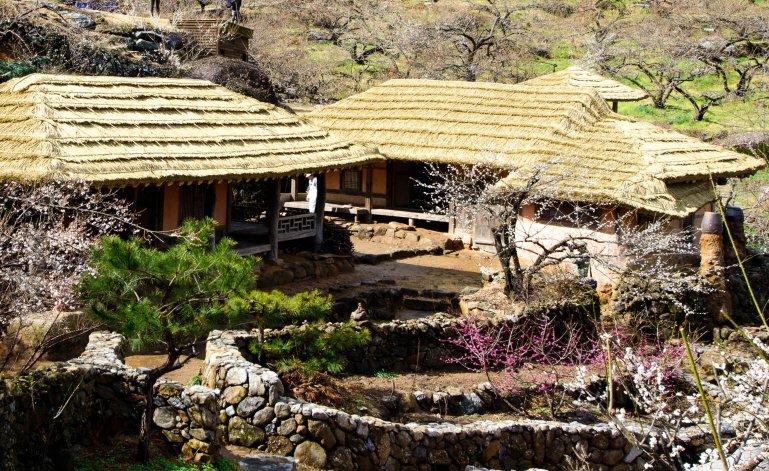
- Seonjo’s Real Residence: Seonjo spent his post-war years in a much smaller, temporary palace known as Jeongneung-dong Temporary Palace, which later became Deoksugung Palace (덕수궁).
The Real King Seonjo: Incompetent Tyrant or Skilled Politician?
It is true that King Seonjo is one of the most heavily criticized kings in Korean history. Modern Koreans and historical scholars alike fault him for his failure to adequately prepare for the Japanese invasion, despite receiving warning signs. His decision to abandon the capital and flee north to Uiju angered the citizens so much that they burned down the slave registries and royal palaces before the Japanese even arrived. His relentless paranoia also led to the tragic torture and demotion of Admiral Yi Sun-sin, a decision that nearly cost Joseon its naval supremacy.
Despite these massive failures, labeling Seonjo as a mere “ignorant fool” is historically inaccurate. Modern historians evaluate Seonjo as a highly intelligent and cunning political survivor.
Throughout his 41-year reign, he managed to maintain his grip on the throne during an era of intense, deadly factional struggles among the ruling scholar-officials (Sarim). More importantly, during the Imjin War, his flight to the north was a strategic necessity to prevent the complete surrender of the nation. From Uiju, he successfully executed desperate and brilliant diplomacy, ultimately convincing Ming China to send massive military reinforcements to the Korean peninsula—a move that was crucial in turning the tide of the war. He was a deeply flawed, self-centered leader, but he was undeniably a sharp political strategist, not the simple-minded villain seen on screen.
Understanding “Cinematic Politics” in Korean Media
If the actual King Seonjo was a complex political survivor, why did Uprising portray him as a one-dimensional, greedy tyrant? This brings us to the concept of “cinematic politics” or historical dramatization.
Korean historical films, known as Sageuk, frequently distort factual events to highlight a specific thematic message. Uprising is not a documentary about the Imjin War; it is a profound social commentary on the rigid class system of the Joseon Dynasty. The film focuses on the emotional and physical brutality inflicted upon slaves and commoners by the ruling elite. By exaggerating Seonjo’s selfishness—such as fabricating his obsession with rebuilding the palace—the director creates a stark, infuriating contrast between the suffering of the lower classes and the disconnect of the aristocracy.
💡 Pro Tip for K-Movie Fans: When watching Korean historical dramas, always view the monarch as a symbol of the “system” rather than a perfectly accurate biographical portrait. Directors often project modern democratic frustrations toward corrupt leadership onto ancient kings to create a more compelling narrative for today’s audiences.
Exploring Seonjo’s History in Modern Seoul
If you are visiting Seoul and want to feel the true weight of King Seonjo’s post-war reality, skip the grand courtyards of Gyeongbokgung and head straight to City Hall.
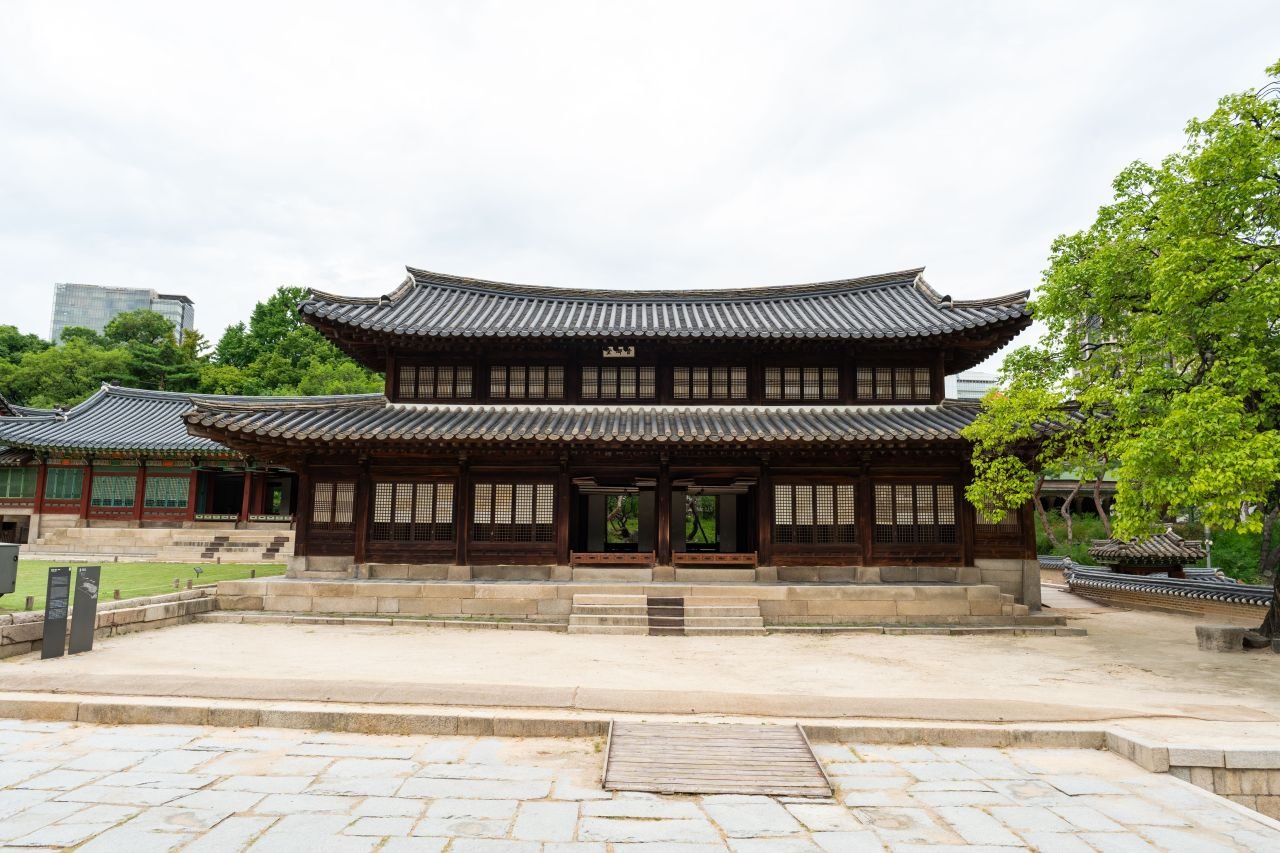
Right next to Seoul City Hall lies Deoksugung Palace. Originally the private residence of Prince Wolsan, this relatively modest compound was renamed Jeongneung-dong Hawgung (temporary palace) when King Seonjo returned to a ruined capital. Within Deoksugung, you can find Seogeodang (석어당), the exact two-story wooden building where King Seonjo actually resided during those difficult post-war years. Decades later, King Yeongjo personally wrote the calligraphy for the signboard hanging on this building to honor its immense historical weight. Knowing this story will undoubtedly give you a deeply special and poignant feeling when standing before the structure.
Walking through these quieter, smaller grounds offers a profound realization of history: this is where a traumatized king and a devastated court actually tried to rebuild a shattered nation, far away from the lavish cinematic illusions of Netflix’s Uprising.
Understanding the gap between film and fact does not ruin the movie; rather, it deepens your appreciation for how history is actively consumed, debated, and reimagined in modern Korean culture.
Korean Culture portal KCulture.com

Founder of Kculture.com and MA in Political Science. He shares deep academic and local insights to provide an authentic perspective on Korean history and society.