The 1905 Eulsa Treaty and the 1910 Japan-Korea Annexation Treaty were illegally coerced agreements backed by overwhelming Japanese military force, systematically stripping the Korean Empire of its diplomatic rights and sovereignty. For anyone seeking to understand modern Korean history, recognizing the profound illegitimacy of these treaties is the essential first step, as they ignited a fierce, 35-year-long national independence movement. Living in Korea, I constantly witness how the scars and the subsequent triumphs of this era have profoundly shaped the resilient identity of the nation today.
To truly understand the depth of Korea’s modern history, we must walk through the darkest chapters of the early 20th century. Here is a comprehensive guide to the historical facts, key figures, and the enduring legacy of Korea’s fight for sovereignty.
- The Coercion of 1905: The Eulsa Treaty
- A Desperate Plea: The Hague Secret Emissary and Forced Abdication
- The Darkest Day: The 1910 Annexation (Gyeongsulgukchi)
- Fierce Resistance: The People’s Response and the Righteous Armies
- Key Figures Who Defined the Era
- Tracing History: Must-Visit Sites in Seoul
- Watch and Feel: Media Recommendations
The Coercion of 1905: The Eulsa Treaty
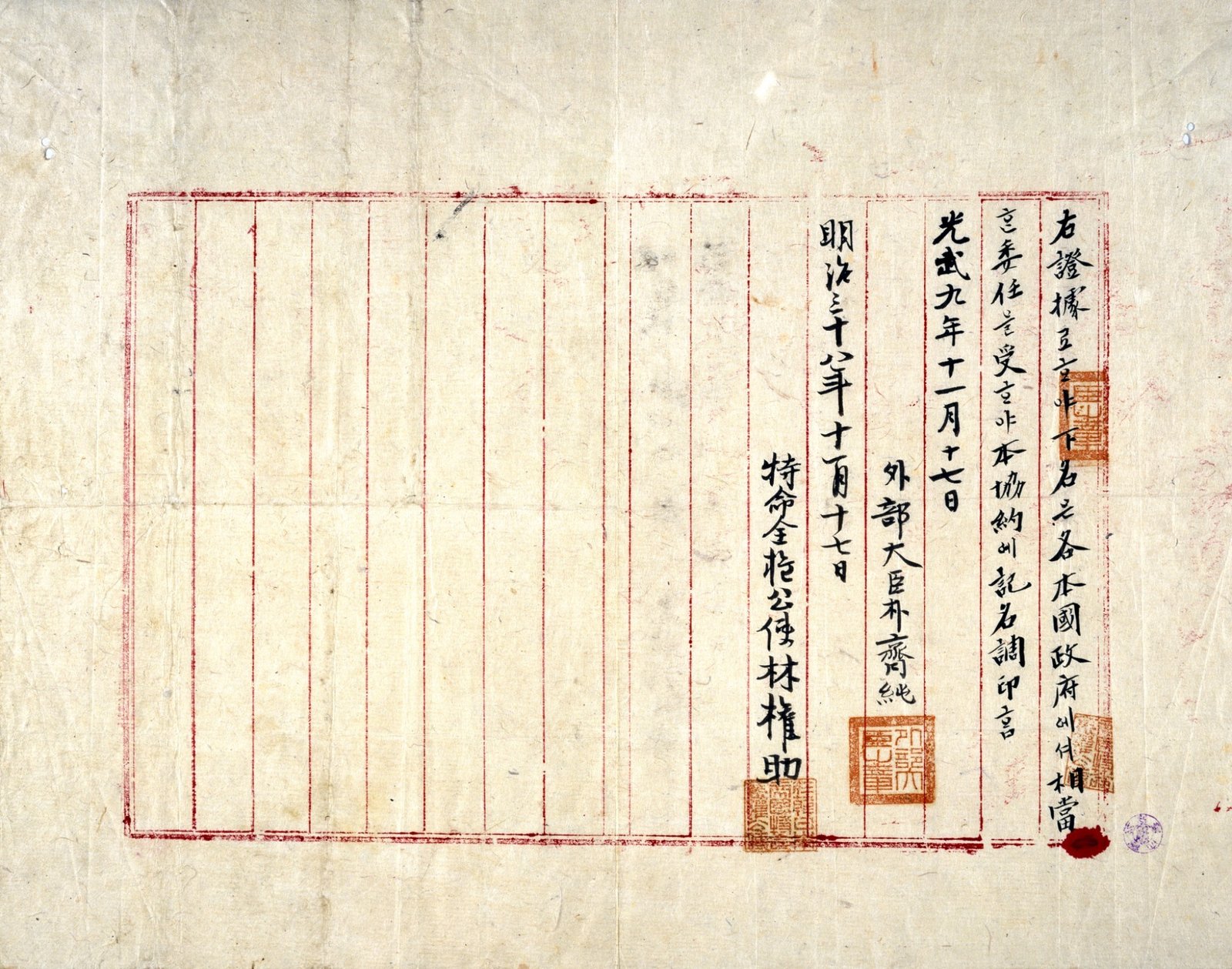
On November 17, 1905, the Korean Empire suffered a fatal blow to its status as an independent nation. Officially known as the Second Japan-Korea Agreement, the Eulsa Treaty deprived Korea of its diplomatic sovereignty and established a Japanese Resident-General in Seoul. This effectively reduced the Korean Empire to a protectorate of Japan.
The treaty was not a diplomatic agreement; it was an act of military extortion. Ito Hirobumi, a leading Japanese imperialist, mobilized heavily armed Japanese troops to encircle the royal palace, threatening Emperor Gojong and his ministers. Despite the terrifying coercion, Emperor Gojong steadfastly refused to consent or affix the imperial seal to the document.
However, five pro-Japanese ministers—infamously known as the Five Eulsa Traitors, led by Yi Wan-yong—arbitrarily signed the treaty. Because it lacked the final ratification of the head of state and was signed under extreme military duress, the South Korean government and international historians maintain that the treaty was strictly null and void from its inception. This stance was later legally affirmed in the 1965 Treaty on Basic Relations between Japan and the Republic of Korea.
A Desperate Plea: The Hague Secret Emissary and Forced Abdication
Emperor Gojong did not surrender to the illegal treaty. In a bold, clandestine move to reclaim national sovereignty, he dispatched three special envoys to the Second Peace Conference in The Hague, Netherlands, in 1907. His objective was to expose the illegitimacy of the Eulsa Treaty to the international community and plea for diplomatic intervention.
Tragically, this diplomatic mission was thwarted. Due to relentless interference by the Japanese Empire and the indifference of Western imperial powers, the Korean envoys were barred from officially participating in the conference. Using this secret mission as a pretext, Japan forced Emperor Gojong to abdicate the throne in favor of his son, further tightening their grip on the weakening empire.
The Darkest Day: The 1910 Annexation (Gyeongsulgukchi)
The systematic dismantling of the Korean Empire culminated on August 29, 1910, with the Japan-Korea Annexation Treaty. Known in Korea as Gyeongsulgukchi (the national humiliation of the year Gyeongsul), this treaty permanently ceded all sovereign power over Korea to the Emperor of Japan.
[Image of a historical timeline diagram detailing the systematic loss of Korean sovereignty from 1905 to 1910]
Much like in 1905, the 1910 treaty was forced upon Korea under the shadow of bayonets. Terauchi Masatake, the Japanese Minister of War, surrounded the palace with military forces and coerced the Korean Prime Minister, Yi Wan-yong, into signing the agreement. This event officially marked the fall of the Korean Empire and the beginning of the brutal 35-year Japanese colonial period.
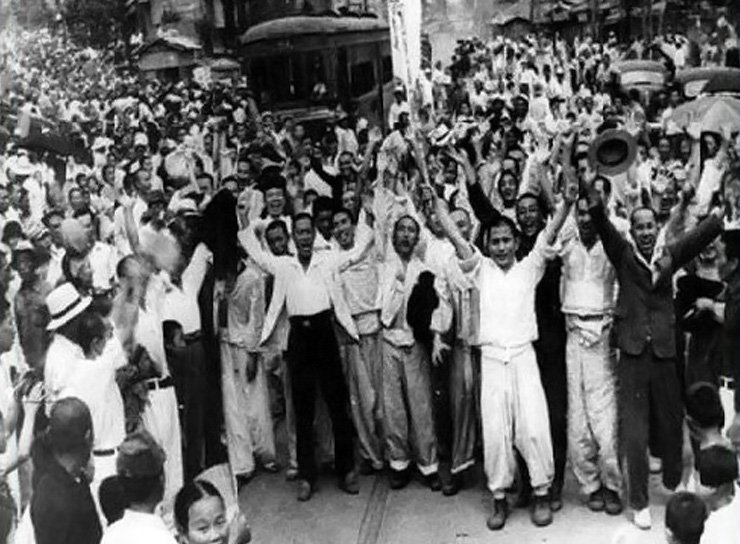
However, this loss did not mean submission. Instead, the annexation served as the catalyst for the Righteous Army movement and eventually the massive, nationwide March 1st Movement in 1919.
Fierce Resistance: The People’s Response and the Righteous Armies
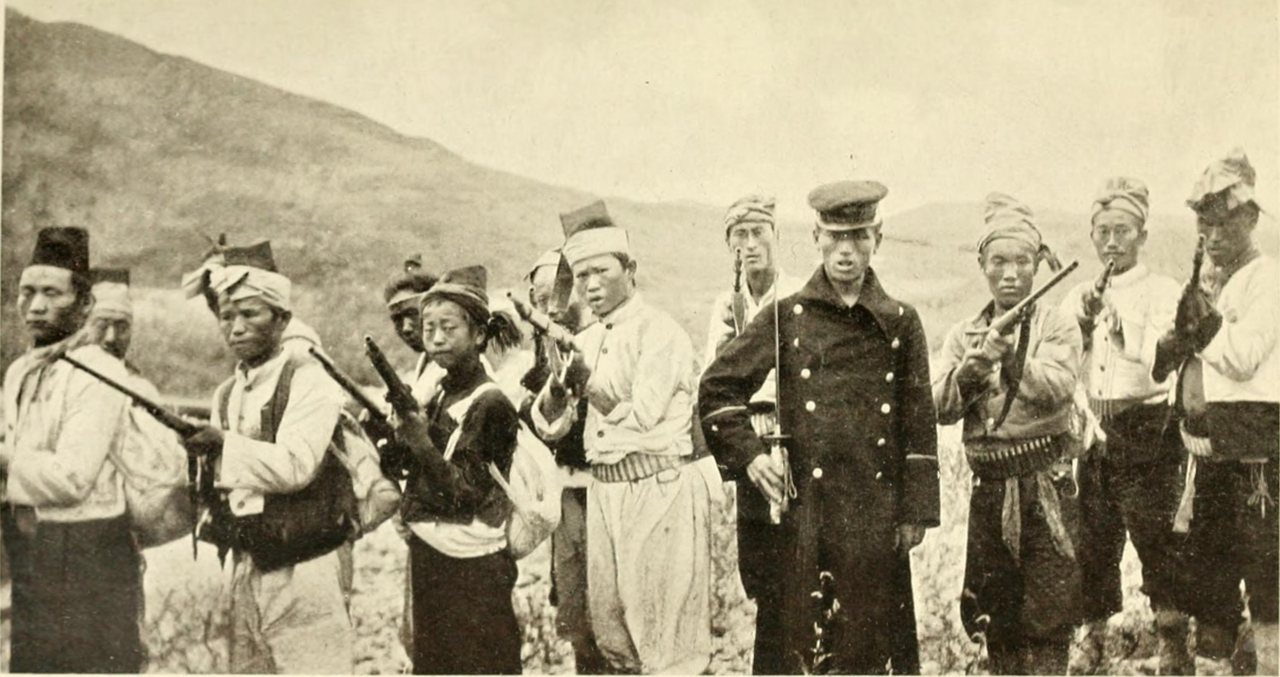
The Korean people did not silently accept the loss of their nation. As news of the coerced treaties spread, immense grief and explosive anger swept across the peninsula. The immediate response was the resurgence of the Uibyeong (Righteous Armies), voluntary civilian militias composed of scholars, farmers, and ordinary citizens.
[Image of Korean Righteous Army (Uibyeong) members holding weapons during the early 1900s]
Following the 1905 Eulsa Treaty, Confucian scholars led armed uprisings across various provinces. The resistance grew into a formidable military force in 1907 when the Korean Imperial Army was forcibly disbanded by Japan. These well-trained, heavily armed former soldiers joined the Righteous Armies, transforming the civilian resistance into a full-scale national war against the Japanese military. Utilizing guerrilla tactics, they bravely fought in the mountains and valleys across the country.
Even after the devastating 1910 Annexation, the spirit of the Righteous Armies did not die. Many freedom fighters crossed the borders into Manchuria and Primorsky Krai to establish independent military bases. Their fierce and bloody struggles laid the foundational groundwork for the organized independence armies that would continue to fight for Korea’s liberation over the next three decades.
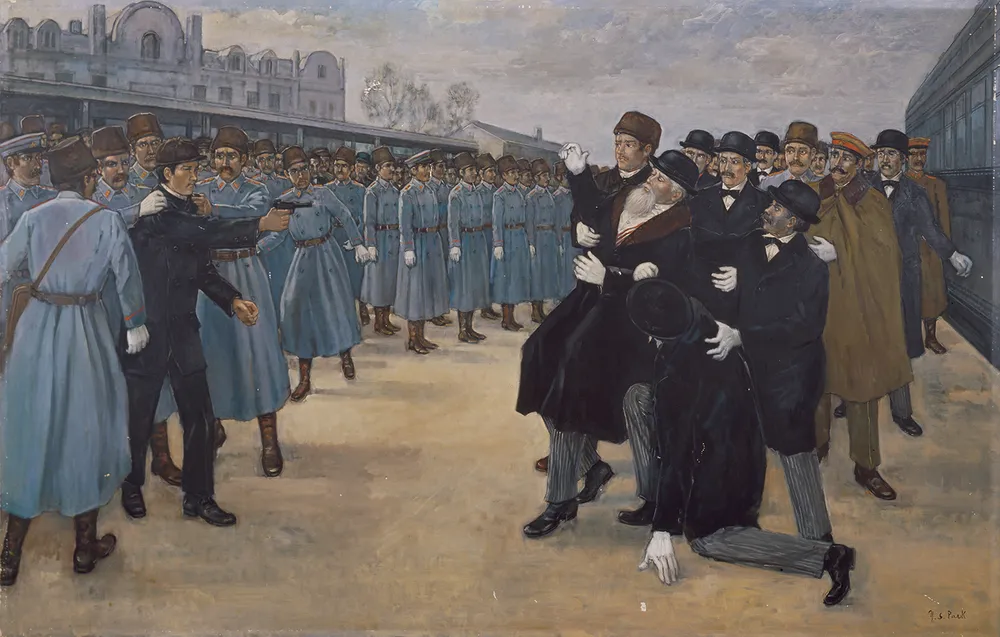
Key Figures Who Defined the Era
To understand the emotional weight of this period, one must look at the individuals who stood at the center of the conflict.
| Figure | Historical Role & Significance |
|---|---|
| Emperor Gojong | The 1st Emperor of the Korean Empire. He continuously resisted Japanese pressure, never signed the Eulsa Treaty, and was ultimately forced off the throne for his diplomatic resistance. |
| Ahn Jung-geun | A heroic independence activist. In 1909, he assassinated Ito Hirobumi at Harbin Railway Station in China, loudly broadcasting Korea’s relentless will for independence to the world. |
| Min Young-hwan | A high-ranking official who, overwhelmed by grief and fury over the Eulsa Treaty, took his own life. His martyrdom awakened the national consciousness of the Korean people. |
| Ito Hirobumi | The mastermind behind the Eulsa Treaty and the first Japanese Resident-General of Korea, representing the aggressive expansion of Japanese imperialism. |
| The Five Eulsa Traitors | Led by Yi Wan-yong, these five ministers illegally consented to the Eulsa Treaty for personal gain. They remain the most universally despised traitors in Korean history. |
Tracing History: Must-Visit Sites in Seoul
If you are visiting Korea, walking through the very spaces where this tragic history unfolded offers a profound, tangible connection to the past.
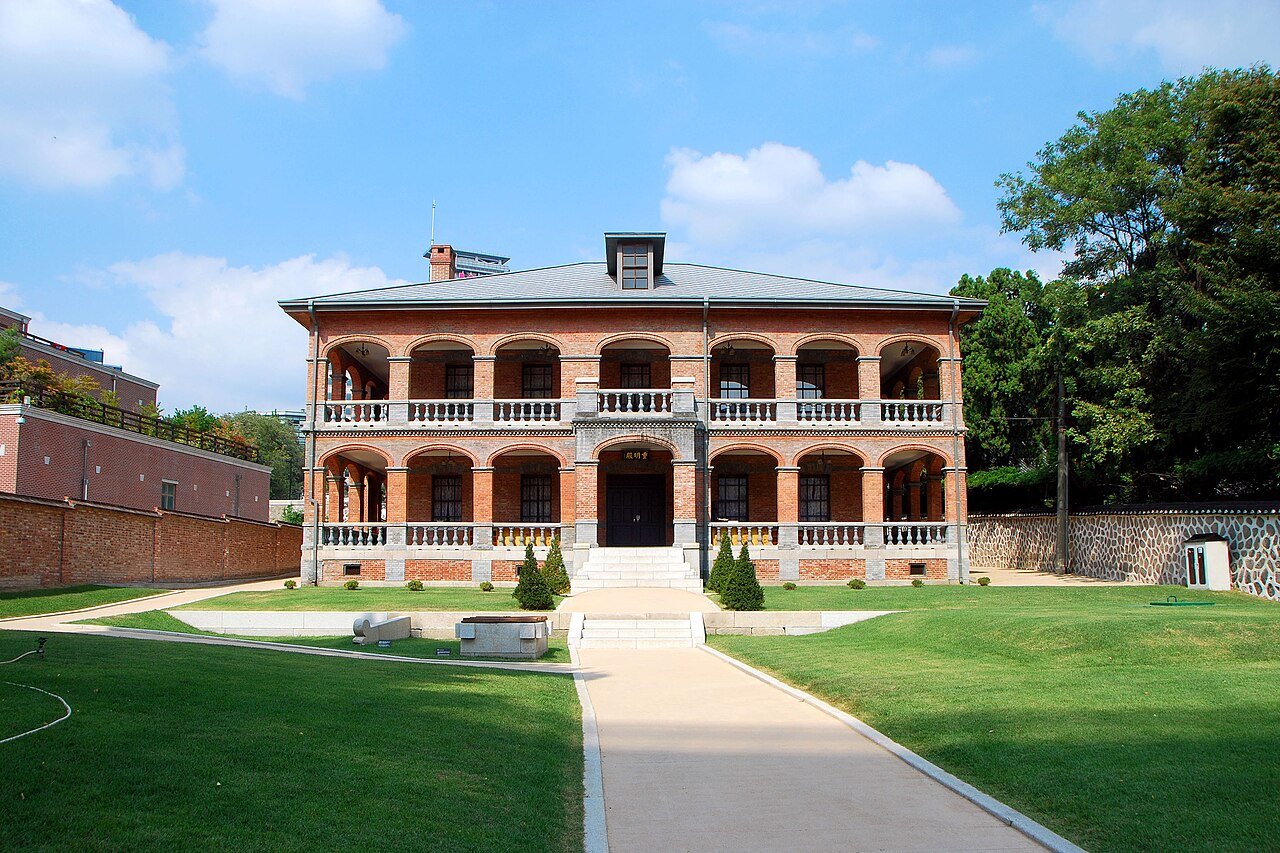
- Jungmyeongjeon Hall (중명전): Located within the Deoksugung Palace (덕수궁) complex, this elegant western-style brick building is where the Eulsa Treaty was forcibly signed. It is also the very place where Emperor Gojong planned the Hague secret mission. It is now open to the public as an exhibition hall.
- Seodaemun Prison History Hall (서대문형무소역사관): Built shortly before the 1910 annexation, this prison became a site of unimaginable suffering where countless independence activists were tortured and executed. The red-brick walls stand as a stark monument to Korean resilience.
- Ahn Jung-geun Memorial Hall (안중근의사기념관): Situated near Namsan Mountain, this modern facility is dedicated to the life, philosophy, and ultimate sacrifice of Ahn Jung-geun.
💡 Pro Tip: When visiting the Seodaemun Prison History Hall, allocate at least two hours. The exhibits are highly visual and emotionally heavy, providing extensive English translations that deeply explain the realities of the colonial era.
Watch and Feel: Media Recommendations
To grasp the atmosphere, desperation, and courage of Koreans during this turbulent transition, visual media is an incredibly powerful tool. Here are three highly recommended productions accessible to global audiences.
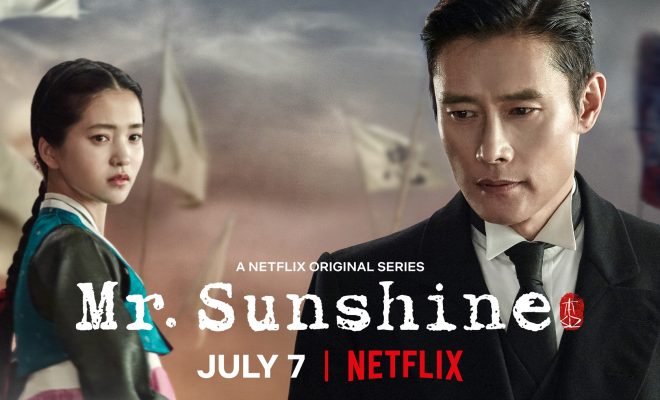
- Mr. Sunshine (2018): This sweeping, beautifully cinematic drama focuses on the nameless “Righteous Armies” who fought back against foreign encroachment right before the Eulsa Treaty. It is universally praised for its historical detail and emotional depth. (Available globally on Netflix)
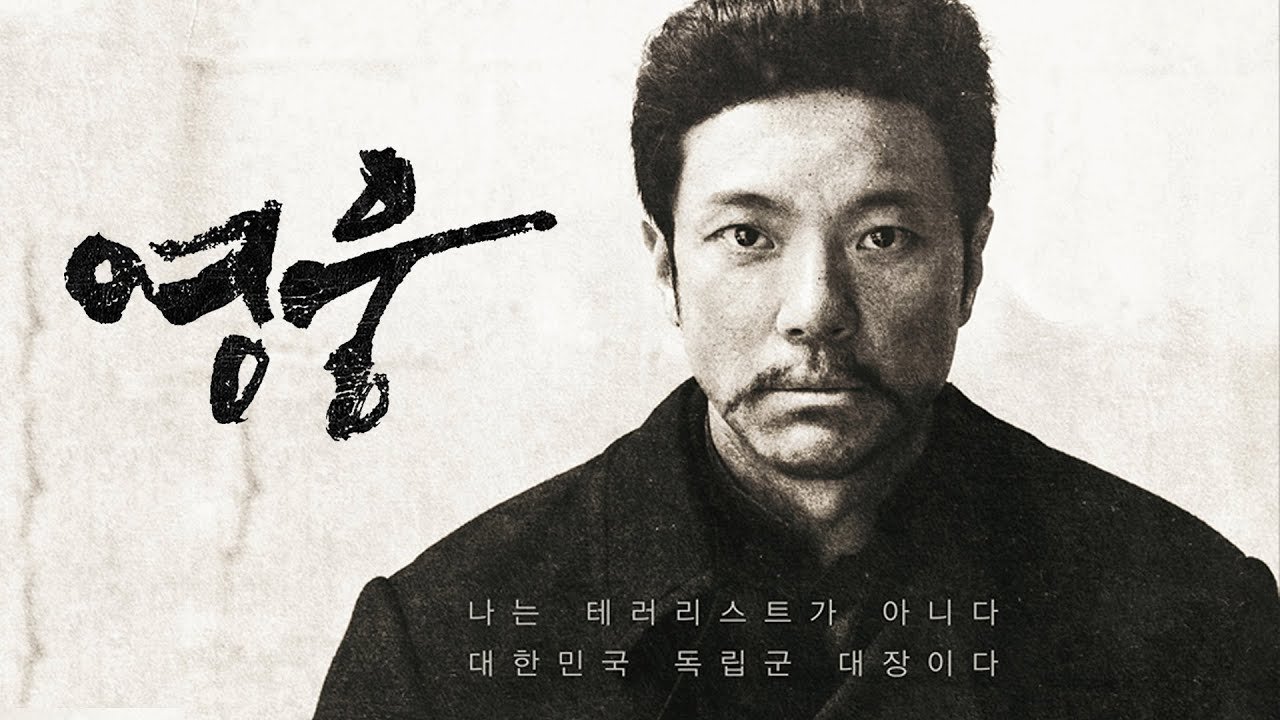
- Hero (2022): A compelling musical film documenting the final year of Ahn Jung-geun’s life, from his assassination of Ito Hirobumi to his ultimate execution in a Japanese prison. (Available on Netflix, TVING, Wavve)
- The Last Princess (2016): This film tells the tragic, heartbreaking story of Princess Deokhye, the youngest daughter of Emperor Gojong, who was forcibly taken to Japan after the 1910 annexation. It portrays the deep sorrow of a ruined royal family. (Available on Netflix, Watcha)
📌 Local Note: For foreign viewers, starting with Mr. Sunshine is highly recommended. It perfectly sets the complex geopolitical stage of the early 1900s and makes the subsequent historical events much easier to understand.
Understanding the Eulsa Treaty and the 1910 Annexation is not merely about learning dates; it is about recognizing the unyielding spirit of a nation that refused to be erased from the map.
Korean Culture portal KCulture.com

Founder of Kculture.com and MA in Political Science. He shares deep academic and local insights to provide an authentic perspective on Korean history and society.