Find Your Inner Peace: A Beginner’s Guide to Korea’s Templestay
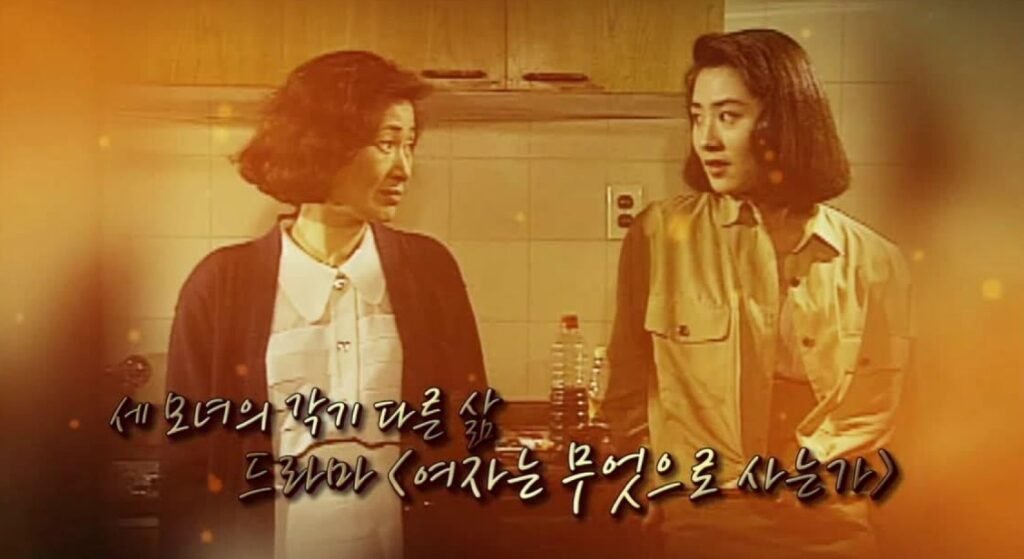
Ever been watching a K-drama, and the scene cuts to a serene, ancient temple nestled in the mountains? You see the main character finding a moment of clarity, surrounded by wooden halls, the sound of a wind chime, and stunning nature. It looks so peaceful, so… *quiet*.
You know, that feeling of escape isn’t just for a movie set. It’s a real, accessible experience you can have in Korea, and it’s called a Templestay.
It’s a unique cultural program that invites you to step away from the incredible energy of Seoul’s K-pop cafes and bustling markets. It’s a chance to unplug, breathe, and connect with a 1,700-year-old tradition of mindfulness. Let’s dive into what a Templestay is all about and how you can plan your own spiritual getaway.
So, What Exactly IS a Templestay?
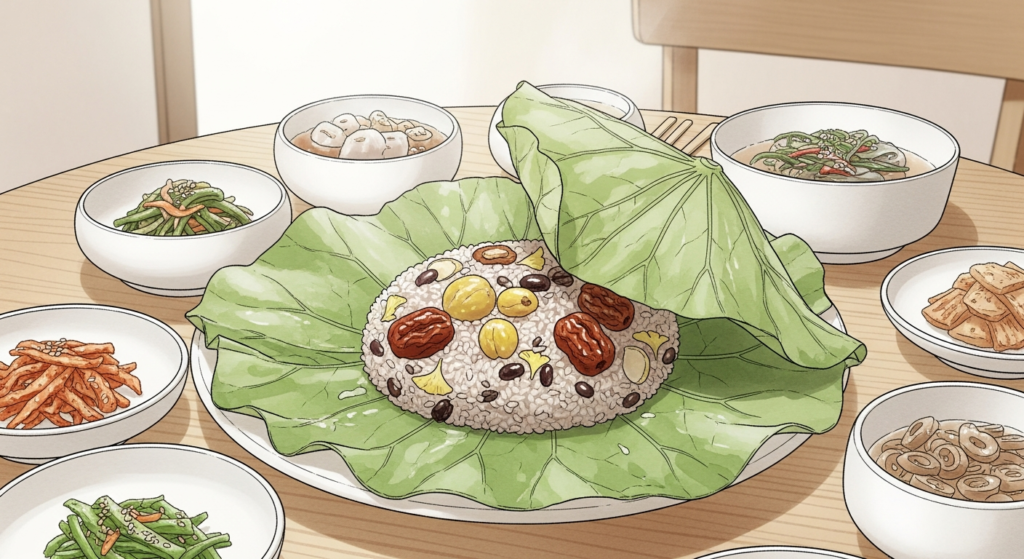
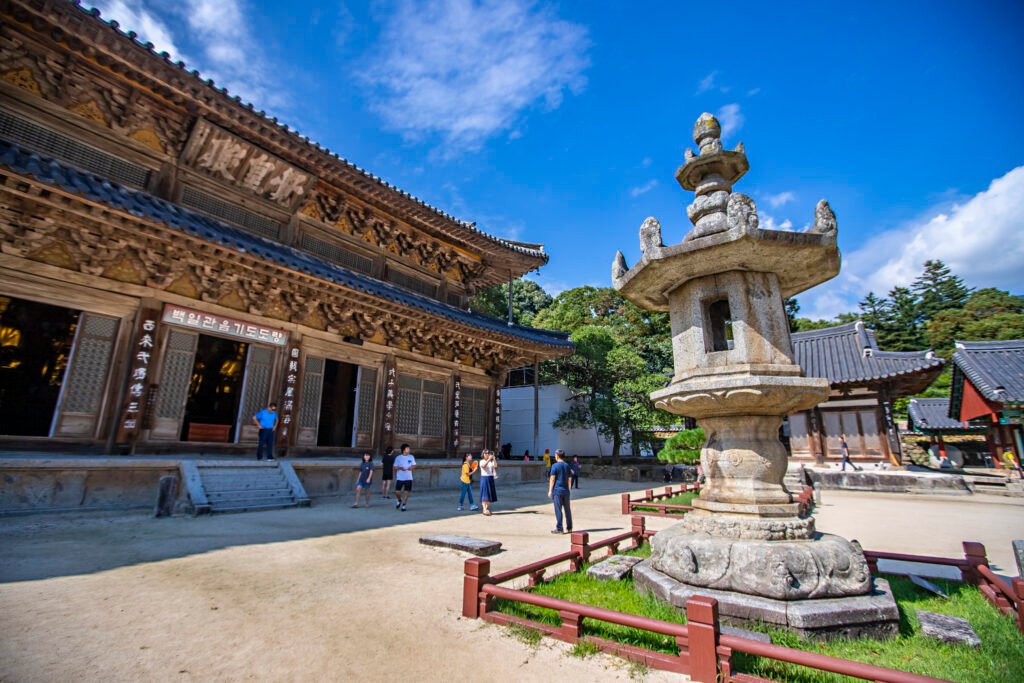
Let’s break it down. A Templestay is an official program that lets visitors—both Korean and international—stay at a traditional Buddhist temple for a short period. You get to experience the daily life of Buddhist monks and nuns, wearing simple temple clothes, eating clean vegetarian meals (called gongyang), and participating in the daily rhythms of temple life.
A typical program might include:
- Chamseon: Seon meditation, learning to clear your mind.
- Chadam (or Dado): A mindful tea ceremony and chat with a monk.
- Yebul: The powerful and moving ceremonial chanting services.
- Baru Gongyang: A formal, mindful monastic meal.
- Making Crafts: Such as your own lotus lantern or 108 prayer beads.
The entire program is run by the Cultural Corps of Korean Buddhism, and it’s become incredibly popular as a way to escape Korea’s “pali-pali” (hurry-hurry) culture.
💡 Quick Tip: You Don’t Need to Be Buddhist!
This is the most common question, and the answer is no. Templestays are open to everyone, regardless of faith, background, or beliefs. The focus is on cultural experience and personal reflection, not religious conversion.
Choose Your Vibe: Types of Programs
When you go to book, you’ll generally see a few options. You can pick the one that fits what you’re looking for.
1. Experience-Oriented Program
This is the more structured option and, in my opinion, great for first-timers. It includes a full schedule of activities like meditation, chanting, crafts, and tea ceremonies. This is the one to choose if you want the full cultural immersion.
2. Rest-Oriented Program
Feeling burnt out? This one’s for you. It’s a much more relaxed, unstructured program. You’ll still follow the basic temple schedule for meals, but the rest of the time is yours to read, meditate alone, or just wander the beautiful temple grounds.
3. One-Day Program
Short on time? No problem. Some temples offer a “day in the life” experience that lasts just a few hours. It’s a great way to get a taste of temple life without committing to an overnight stay.
How to Choose Your Perfect Temple
With so many temples, how do you choose? Not all temples are the same. Some are bustling in the city, others are silent on a mountaintop. Here’s how to find your perfect match.
1. Start with Your “Why”
Before you book, ask yourself:
- What’s my goal? Do I want total relaxation (look for “Rest-Oriented” temples like Myojeoksa) or a unique experience (like the Sunmudo martial arts at Golgulsa)?
- What’s my location? Do I need easy access from Seoul (like Hwagyesa or Jogyesa) or am I willing to travel for a deep-mountain retreat (like Hwaeomsa)?
- What’s the program? Always check the official website for the specific schedule. Some temples are more focused on meditation, others on cultural crafts.
2. Temple Picks Based on Your Interest
Here are some popular choices for different types of travelers:
| If you want… | Temple Recommendation | Why It’s Special |
|---|---|---|
| Easy Access from Seoul | Hwagyesa (화계사) or Jogyesa (조계사) | Hwagyesa (visited by BTS’s RM) is in Seoul but feels remote. Jogyesa is right in the heart of downtown Jongno. |
| A Unique Experience | Golgulsa (골굴사) | Korea’s only cave temple. It’s famous for its dynamic Sunmudo (Seon martial arts) training program. |
| Stunning Nature | Baegyangsa (백양사) or Hwaeomsa (화엄사) | Baegyangsa is famed for its breathtaking autumn foliage. Hwaeomsa is a grand temple in the majestic Jirisan National Park. |
| Total Relaxation | Myojeoksa (묘적사) | Located near Seoul, this temple focuses *only* on rest-oriented programs, making it perfect for a quiet, personal retreat. |
3. A Journey Through History & Scenery
Many templestay locations are living museums. Choosing a temple with deep history and beautiful scenery can make your experience even more profound.
- Golgulsa (6th Century): Korea’s only cave temple. It’s a stunning, unique landscape with 12 cave halls carved into a limestone cliff.
- Hwaeomsa (Founded 544): Located in Jirisan National Park. This is a grand, large-scale temple with an overwhelming sense of scale, surrounded by deep mountains.
- Baegyangsa (Founded 632): Famous for its “baby” autumn maple leaves. The reflection of the pavilion in the pond is one of Korea’s most iconic autumn views.
- Magoksa (Founded 643): A UNESCO World Heritage site known as “Spring Magok.” The temple follows a winding stream, and its beauty is legendary in spring.
🏔️ Scenery at a Glance: Best Season & Feature
- Best Autumn Foliage: Baegyangsa Temple
- Best Spring Blossoms: Magoksa Temple
- Unique Cave Scenery: Golgulsa Temple
- Majestic Mountain Views: Hwaeomsa Temple
- Urban Oasis (Seoul): Jogyesa Temple
- Quiet Valley (Near Seoul): Myojeoksa Temple
A Glimpse into a Typical 1-Night Schedule
Schedules vary by temple, but here’s a rough idea. And yes, to be fair, the 3:30 AM wake-up is part of the authentic experience!
| Time (Approx.) | Activity |
|---|---|
| Day 1 – 3:00 PM | Arrival, Check-in, and Orientation |
| Day 1 – 6:00 PM | Baru Gongyang (Formal Monastic Meal) |
| Day 1 – 7:00 PM | Yebul (Evening Chanting Ceremony) |
| Day 1 – 8:00 PM | Chamseon (Seon Meditation) |
| Day 1 – 9:00 PM | Bedtime |
| Day 2 – 3:30 AM | Wake-up Bell |
| Day 2 – 4:00 AM | Yebul (Pre-dawn Chanting) |
| Day 2 – 6:00 AM | Breakfast Gongyang |
| Day 2 – 9:00 AM | Chadam (Tea Ceremony with a Monk) |
| Day 2 – 12:00 PM | Lunch Gongyang & Departure |
How to Book Your Stay
Booking your Templestay is surprisingly easy. The best and, frankly, only place you need to go is the official Templestay website.
- Visit the Official Website: Head over to the official English site: https://eng.templestay.com/
- Search & Filter: You can search for temples by region (e.g., Seoul, Gyeonggi, or even national parks), dates, or by the type of program you want (Experience vs. Rest).
- Choose & Reserve: Each temple page has details on its specific program, history, and location. Once you’ve found your perfect match, just follow the online reservation process.
A quick tip from a local: Even without a discount, November is peak autumn foliage season (especially at places like Baegyangsa). I would recommend booking as soon as possible, as popular temples fill up quickly.
A Templestay is more than just a tourist activity. It’s a moment to pause, to breathe, and to connect with a deeper part of Korean culture and, most importantly, with yourself. It’s an experience you’ll remember long after your trip is over.
Korean Culture portal KCulture.com
Join the mailing service and add to your favorites.
Founder of Kculture.com and MA in Political Science. He shares deep academic and local insights to provide an authentic perspective on Korean history and society.