‘Sangdo’s’ Secret to Wealth: Why Emperors Were Obsessed with Korean Ginseng
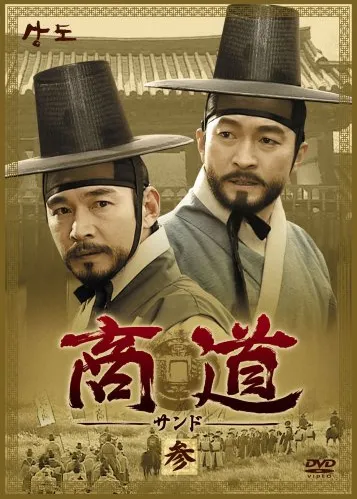
Do you remember the 2001 K-drama ‘Sangdo’ (The Great Merchant)? Even though it’s an older series, it still airs on Korean cable channels and holds a special place for many Hallyu fans. It’s a masterpiece chronicling the life of the legendary merchant, Im Sang-ok. The key item that fueled his trade and built his fortune was none other than ‘Insam’—Korean Ginseng.
In the drama, ginseng isn’t just an herb. It’s portrayed as a strategic commodity, sometimes more precious than gold, capable of shaking national economies and diplomacy. If you’re a fan of ‘Sangdo’ or have a deep interest in Korean culture, you’ve probably wondered about the real story. Why did the emperors of China so desperately covet ginseng from Joseon (ancient Korea)? And what does that root mean for us today? In this KCulture.com ‘The Deep Dive,’ we’re digging up the truth.
The Emperor’s ‘Herb of Immortality’: Ginseng’s Historical Value
The life-or-death ‘ginseng trade’ depicted in ‘Sangdo’ is no exaggeration. In reality, during the Goryeo and Joseon dynasties, ‘Goryeo Insam’ (Korean Ginseng) was the ultimate luxury item and an essential medicine for the Chinese imperial court.
The most concrete evidence lies in the ‘Jogong’ (tribute) records. Joseon presented ginseng to the Ming and Qing emperors as one of its most important and symbolic tribute items. These tributes were delivered directly to the emperor and the crown prince. Records from the 15th century even detail specific amounts, such as hundreds of pounds of ginseng being sent annually to the Ming court.
The Qing Dynasty, in particular, was the largest consumer. Even though their homeland in Manchuria also produced ginseng, they recognized the ginseng from Joseon as superior in quality. It’s recorded that Qing emperors drank ginseng decoctions daily to maintain their health, and the imperial pharmacy (‘Eoyakbang’) consumed a massive amount of it.
💡 The Merchant Im Sang-ok and the Ginseng Trade
The demand from the imperial court and aristocracy was so immense that official tributes were not enough. This caused ginseng prices to skyrocket, fueling a massive official and unofficial trade. Smuggling was rampant, and it was in this high-stakes environment that legendary merchants like Im Sang-ok of ‘Sangdo’ could emerge and build a colossal fortune.
Goryeo Insam Deep Dive: What Makes It Different?
So why were emperors so fixated on ‘Goryeo Insam’? Because not all ginseng is created equal. The term ‘Goryeo Insam’ specifically refers to *Panax ginseng* from the Korean peninsula.

Susam, Baeksam, and Hongsam
First, let’s understand the types:
- Susam (Fresh Ginseng): This is the raw, unprocessed root just pulled from the ground. It has a high moisture content (about 75%) and is very perishable. This is the ginseng you’ll find in Samgyetang (Ginseng Chicken Soup).
- Baeksam (White Ginseng): This is Susam that has been dried, either in the sun or with hot air, often after peeling. This process preserves it.
- Hongsam (Red Ginseng): This is Susam that is steamed *without* peeling and then dried. This process turns it reddish-brown, extends its shelf life significantly, and (according to both tradition and modern science) transforms and enhances its beneficial compounds (ginsenosides).
Historically, it was Hongsam and Baeksam, with their long shelf lives, that were the main forms traded with China.
Goryeo vs. American Ginseng: The “Hot” and “Cool” Difference
This is the most fascinating part. Goryeo Insam (*Panax ginseng*) is a different species from American ginseng (*Panax quinquefolius*) or Chinese Notoginseng (*Panax notoginseng*).
From the perspective of traditional Eastern medicine, this difference is critical.
- Goryeo Insam (Yang, 陽): Traditionally seen as having a “warm” property. It’s believed to be a powerful “stimulant” that vigorously supplements ‘Qi’ (vital energy), fights fatigue, and invigorates the body.
- American Ginseng (Yin, 陰): Conversely, this is seen as having a “cool” property. It’s known more for its calming, stress-relieving, and “cooling” effects on the body.
Scientifically, this is reflected in their different compositions of saponins (ginsenosides). Goryeo Insam is prized for a balanced profile of various ginsenosides (like Rg1, Rb1, etc.), while American ginseng has a different ratio. In short: what the emperors wanted was not just any ginseng, but the powerful, energizing properties of Goryeo Insam.
Modern Ways to Enjoy Ginseng in the 21st Century
Hundreds of years have passed since the era of ‘Sangdo,’ but ginseng is still deeply embedded in Korean life and culture. The good news is, you no longer have to be an emperor to enjoy this “superfood.”
1. As Food (K-Food)
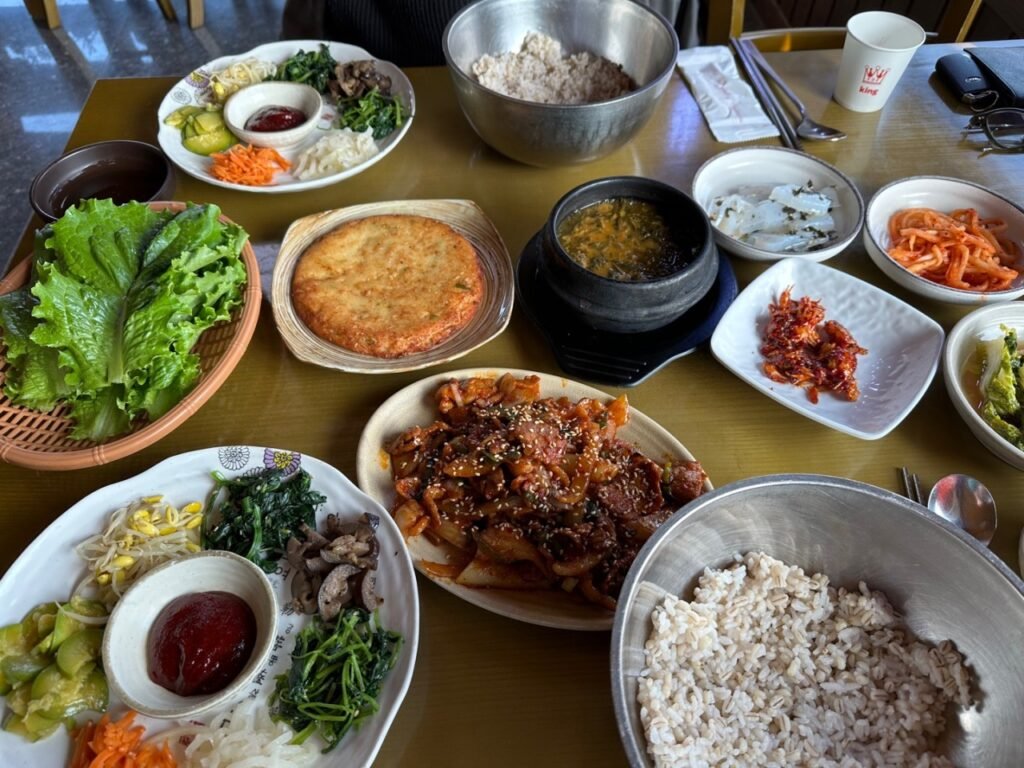
The most delicious and approachable way to try ginseng is in food. The most famous dish, of course, is Samgyetang (Ginseng Chicken Soup). A whole young chicken is stuffed with glutinous rice, jujubes, garlic, and a fresh *Susam* root, then simmered for hours. It’s the ultimate comfort food, a Korean “soul food” especially popular in summer to restore energy. You can also find ginseng in side dishes (banchan), as a fried treat, or in salads at traditional *hanjeongsik* (Korean table d’hôte) restaurants.
2. As a Health Food
The most common way to take ginseng is in its *Hongsam* (Red Ginseng) form. As a health supplement, it’s beloved by modern Koreans.
- Extract: A thick, dark, molasses-like liquid. This is the most traditional and potent form, usually mixed with hot water to drink as tea.
- Sticks/Jellies: Single-serving sticks of liquid extract or jelly that you can take easily on the go. (You can even find these at Olive Young!)
- Tea & Candies: A great, lighter way to experience the flavor. The candies, with their unique earthy-sweet taste, make for a perfect souvenir.
You can find these products everywhere: at duty-free shops, high-end counters in department stores (Lotte, Shinsegae), traditional markets (Namdaemun or Gyeongdong Market), and large supermarkets (E-mart or Lotte Mart).
3. As an Experience (Korea Travel)
To get the most vivid experience, visit a ginseng festival! They are held in the autumn (September-October) harvest season. You can buy fresh, high-quality ginseng for a good price and enjoy various activities like ginseng digging, tasting ginseng-based foods, and more.
| Festival Name | Expected Dates (2025) | Location |
|---|---|---|
| Geumsan World Ginseng Festival | Sep 19 – Sep 28 | Geumsan-gun, Chungnam |
| Yeongju Punggi Ginseng Festival | Oct 18 – Oct 26 | Punggi-eup, Yeongju-si, Gyeongbuk |
| Paju Gaeseong Insam Festival | Mid-October | Paju-si, Gyeonggi-do |
| Jeungpyeong Insamgol Festival | Autumn (Oct) | Jeungpyeong-gun, Chungbuk |
*Other regions like Jinan and Hongcheon also host unique ginseng festivals. Always check the official websites for confirmed dates before visiting!
‘Sangdo’s’ Treasure, A Legacy Still Shining
The ginseng that Im Sang-ok risked his life for in ‘Sangdo’ remains a vital part of Korea’s cultural heritage and economy today.
It began as the emperor’s ‘herb of immortality,’ fueled a merchant’s ambition, and has now evolved into a global K-Food and wellness icon. The next time you visit Korea, be sure to try a steaming hot bowl of Samgyetang or savor a cup of Hongsam tea. You’re not just tasting food; you’re tasting a piece of history that was once a treasure fit for an emperor. 😊
Korean Culture portal KCulture.com
Join the mailing service and add to your favorites.

Founder of Kculture.com and MA in Political Science. He shares deep academic and local insights to provide an authentic perspective on Korean history and society.