Clothes shopping in South Korea in 2026 offers an unparalleled mix of ultra-fast trends, high-quality indie brands, and highly affordable streetwear. For travelers, the best shopping experience requires moving beyond traditional markets to explore flagship-heavy neighborhoods like Seongsu and Hannam, while understanding essential local rules such as mandatory fitting room face covers, “Free Size” measurements, and instant tax refunds using a physical passport. This guide provides a comprehensive overview of the top shopping districts, the unique 72-hour garment production cycle, and practical tips gathered from tourist reviews to ensure a seamless retail experience.
Navigating the local fashion scene can be overwhelming due to strict exchange policies and unique sizing structures that catch many first-time visitors off guard. Knowing exactly where to go based on personal style and budget, as well as understanding the behind-the-scenes production ecosystem, will save valuable time and prevent common shopping mistakes.
- Top Neighborhoods for Clothes Shopping in South Korea
- Behind the Racks: The Secret of K-Fashion Production
- Essential Tips: Fitting Room Etiquette and “Free Size”
- 2026 Updates: Tax Refunds, Payments, and Returns
- Hidden Local Shopping Tips
- FAQ
- Read More Essential Travel Guides
Top Neighborhoods for Clothes Shopping in South Korea
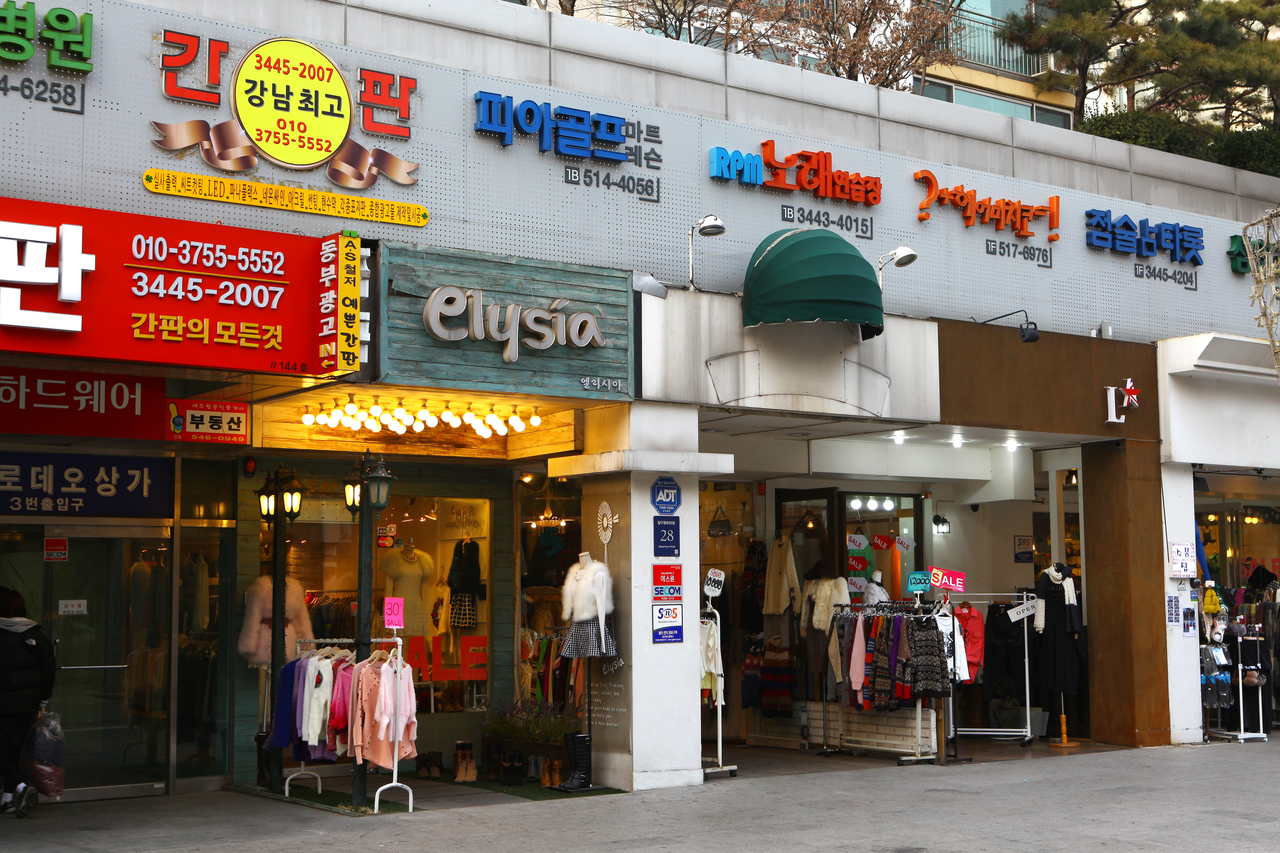
The map of clothes shopping in Korea for tourists has shifted significantly. While Myeongdong (명동) remains a convenient stop for cosmetics and global SPA brands, the real energy for K-fashion lies in specific districts tailored to distinct styles.
| District | Best For | Key Brands & Atmosphere |
|---|---|---|
| Seongsu-dong (성수동) | Trendsetters, K-designer flagships & pop-ups | Matin Kim, Stand Oil, ADER Error. Converted red-brick factories with weekly rotating pop-ups. Extremely photogenic. |
| Hannam-dong (한남동) | Contemporary casual, premium everyday wear | Mardi Mercredi, Marithé, EMIS, Recto. Quiet showroom-lined alleys perfect for logo tees and canvas bags. |
| Hongdae (홍대) & Yeonnam-dong | Budget streetwear, Gen Z youth culture, vintage | Musinsa Standard, A-Land. Youthful, Y2K styles, oversized fits, and very affordable prices. |
| Apgujeong Rodeo (압구정 로데오) | High-end contemporary & luxury streetwear | Haus Dosan, Stüssy Seoul, Wooyoungmi. Polished, design-forward, and premium pricing. |
| The Hyundai Seoul (더현대 서울) | All-in-one indoor shopping & indie labels | B2 floor features online-born indie labels. Weatherproof, easy to compare brands, and instant tax refunds available. |
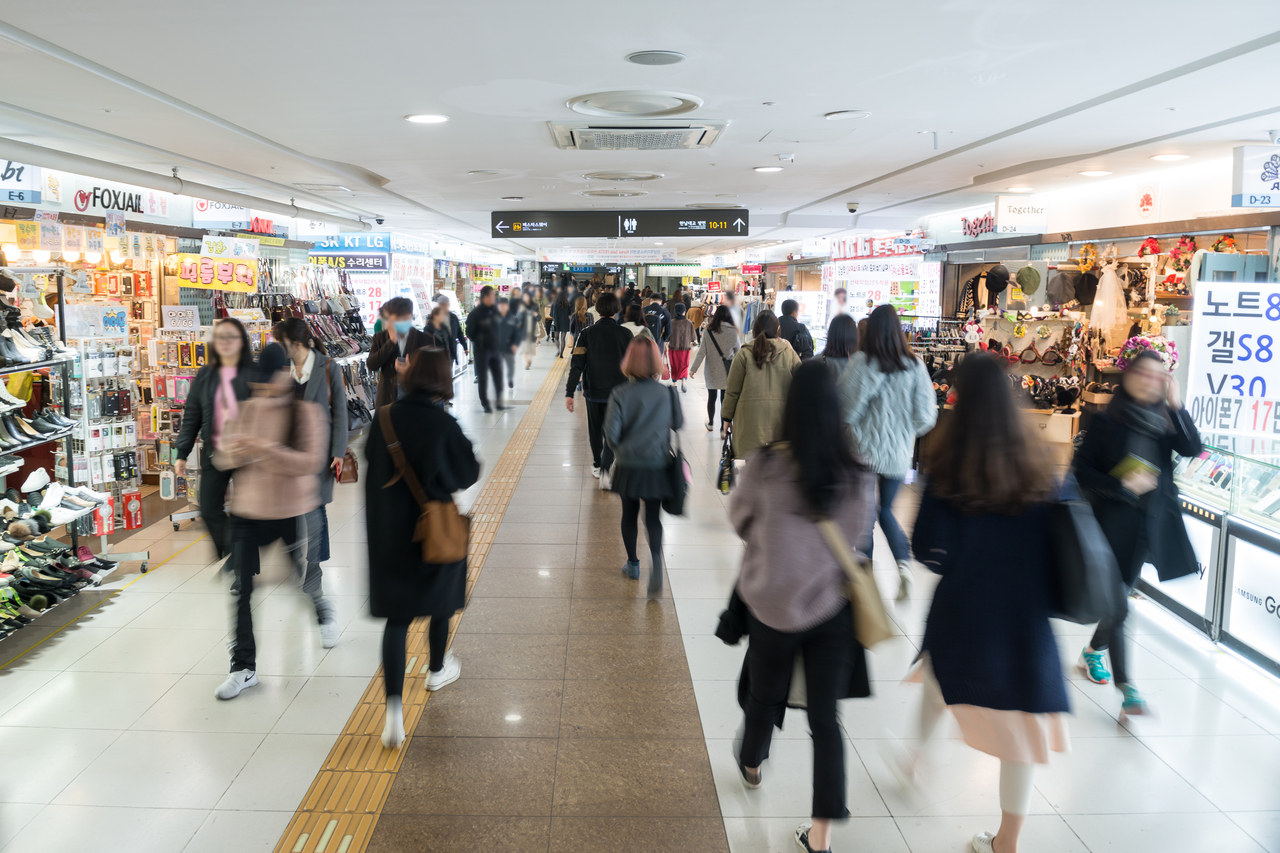
| Goto Mall (고투몰) | Rock-bottom fast fashion & daily basics | Over 600 underground stalls. Highly affordable fast fashion, socks, and sleepwear. Cash is preferred here. |
Behind the Racks: The Secret of K-Fashion Production
A huge share of the unbranded clothing sold in Korea’s small boutiques and underground malls is not imported. It is designed, cut, and sewn locally on a turnaround time that outpaces traditional global fast fashion. This ecosystem is powered by the Dongdaemun (동대문) cluster.
Within a compact 5-kilometer radius in central Seoul, fabric markets, pattern-making studios, and small sewing factories in neighborhoods like Changsin-dong (창신동) and Sindang-dong (신당동) work together seamlessly. While global brands may need weeks to go from design to store shelves, the Dongdaemun ecosystem operates on a “72-hour cycle.”
- Small-Batch Agility: Factories produce just 20 to 50 pieces of a new design. If the market reacts positively, instant reorders in the hundreds are placed.
- From Online to Offline: Many indie cult brands currently dominating Seongsu and Hannam began as small online shops utilizing this rapid supply chain before expanding into massive physical showrooms.
Essential Tips: Fitting Room Etiquette and “Free Size”
Reviewing tourist feedback reveals that fitting rooms and sizing are the two biggest sources of culture shock for international shoppers.
The “Face Cover” Etiquette
Before trying on any top in a Korean clothing store, customers are required to place a sheer, non-woven fabric hood over their heads. This mandatory “face cover” prevents foundation, lipstick, and hair products from staining the garments. If a store does not hand one out automatically, it is highly recommended to ask for one.
📌 Local Note: Many boutiques strictly prohibit trying on white or ivory tops, knitwear, silk items, sale pieces, and swimwear. Always ask, “Can I try this on?” before heading to the fitting room.
Decoding “Free Size”
The label “Free Size” (프리사이즈) does not mean one-size-fits-all. In South Korea, a standard women’s Free Size is generally cut for a petite frame, translating roughly to a US 2 to 6 (XS to S). If the fabric lacks stretch, or if the shopper has broader shoulders, the garment may not fit.
| Korean Size (Women) | Approximate US Size | General Fit Description |
|---|---|---|
| 44 | 0 – 2 (XS) | Very petite, narrow shoulders |
| 55 (Standard Free Size) | 4 (S) | Slim fit, standard local size |
| 66 (M) | 6 – 8 (M) | Medium fit |
| 77 (L) | 10 – 12 (L) | Harder to find in small boutique shops |
For men’s clothing, standard sizing follows chest measurements in centimeters: 95 (S), 100 (M), 105 (L), and 110 (XL).
2026 Updates: Tax Refunds, Payments, and Returns
Strict Exchange and Refund Rules
Korean return policies are notably stricter than those in many Western countries. Underground malls and small street-level stalls almost exclusively enforce a “Final Sale” policy—meaning no exchanges and no refunds under any circumstances. Shoppers must carefully inspect items for loose buttons, broken zippers, and minor stains before paying. Larger brand stores typically allow exchanges within 7 to 14 days, provided the original receipt is present and tags remain attached.
Tax Refunds on Clothing
Tourists can easily reduce their shopping costs by taking advantage of the immediate tax refund system. The regulations for 2026 are highly favorable for international visitors.
| Tax Refund Rule | 2026 Threshold & Requirement |
|---|---|
| Minimum Purchase | 15,000 KRW per receipt |
| Immediate In-Store Limit | Up to 1,000,000 KRW per transaction |
| Total Trip Limit | Up to 5,000,000 KRW for immediate refunds |
| Mandatory Requirement | Physical passport must be presented (copies are rejected) |
Payment Methods
South Korea is a cashless society where Visa, Mastercard, and Apple Pay are accepted at nearly all flagship stores, department stores, and cafés. However, carrying a small amount of cash (10,000 KRW bills) is beneficial when visiting underground malls like Goto Mall, as vendors often offer a small discount of 1,000 to 2,000 KRW for cash payments.
Hidden Local Shopping Tips
- Avoid the Dongdaemun Wholesale Myth: Many visitors go to the overnight Dongdaemun wholesale malls (like apM or Theot) hoping to buy cheap clothes. However, these are B2B markets that require purchasing at least 2 or 3 items of the exact same design. Individual tourists should visit retail-focused complexes like Doota (두타) or Hyundai City Outlet Dongdaemun instead.
- Shop on Weekdays: Areas like Seongsu and Hannam become extremely crowded on weekends, often resulting in long queues just to enter popular flagship stores. Tuesday through Thursday mornings offer the best shopping conditions.
- Check the Fabric Label: Korean boutique clothing prices can vary wildly. Always check the tag; higher-end Korean indie brands use natural fabrics like cotton, linen, and wool, whereas cheaper items rely heavily on polyester blends.
- Seasonal Discounts: Excellent discounts can be found during seasonal transitions, specifically at the end of winter (February), early summer (June), and late summer (August).
FAQ
Is haggling or bargaining common when buying clothes in Korea?
No. Prices are strictly fixed in department stores, flagship brand shops, and most underground malls. The only exception is paying in cash at small street stalls, which might naturally yield a tiny, unprompted discount.
Can I find plus-size clothing easily?
Finding plus-size clothing in small street boutiques can be challenging due to the prevalence of “Free Size.” However, global SPA brands in Myeongdong, large department stores, and specialized online-to-offline brands offer much wider size ranges.
What should I bring for a day of shopping?
Always bring a physical passport to claim immediate tax refunds, a travel-friendly credit card, and a reusable shopping bag, as many stores now charge for paper or plastic bags due to environmental regulations.
Read More Essential Travel Guides
Ensure your trip to South Korea is perfectly planned with these essential guides:
- Must-Have Apps for South Korea Travel in 2026: Your Local Insider Digital Toolkit
- 2026 Korea Tax Refund Guide : How to Get Money Back
- Where to Store Luggage in Korea : KTX vs Subway Lockers
- Top Viral Daiso Korean Cosmetics You Need to Buy in 2026
- Best Korean Souvenirs : Authentic & Practical Gifts
- Essential Tips: How to Recycle and Order Food, Emergency Numbers
- Korea e-Arrival Card Guide: Mandatory Steps for Travelers
- 2026 South Korea Quarantine Guide : How to Fix Errors, Q-Code vs. Paper Forms
- 2026 Incheon Airport Transfer Guide: How to Survive a Seoul Layover
- Korea Flight Fuel Surcharge: How to Save on Airfare Now
- South Korea Health Insurance 2026: The Ultimate Guide for Foreigners
Korean Culture portal KCulture.com

The KCulture Editorial Team is dedicated to providing deep insights and accurate information about the vibrant world of Korean culture.