Every time the Olympics roll around, the world watches in awe as South Korean archers consistently sweep the gold medals. As someone living in Korea, I often hear visitors ask: “Why are Koreans so impossibly good at archery?” The direct answer lies in Gukgung (국궁), the Korean traditional archery that has served as the backbone of the nation’s military defense and a core method of mental discipline for thousands of years. Far from being a modern athletic anomaly, Korea’s dominance is deeply rooted in a historical reverence for the bow. In this guide, we will explore the ancient origins of Korean archery, the complex craftsmanship behind the traditional horn bow, how modern archery clubs operate today, and where you can experience this profound cultural heritage yourself.
- The Roots of Korean Archery: Nation of the Eastern Bow
- From Military Defense to Mental Discipline
- Royal Masters and Female Archers: A Sport for All
- Crafting Gakgung: The Traditional Korean Horn Bow
- Gukgung Today: The 145-Meter Challenge
- The Reality of Local Archery Clubs
- Where to Experience Traditional Archery
- Pop Culture Pick: “War of the Arrows”
The Roots of Korean Archery: Nation of the Eastern Bow
To understand the Korean affinity for the bow, we have to look back thousands of years. In ancient times, neighboring Chinese dynasties referred to the ancient kingdoms of the Korean peninsula as Dong-i (동이). Translated literally, “Dong” means East, and “I” represents a large bow. Together, it meant the “People of the Eastern Bow,” acknowledging the terrifying proficiency of Korean archers.
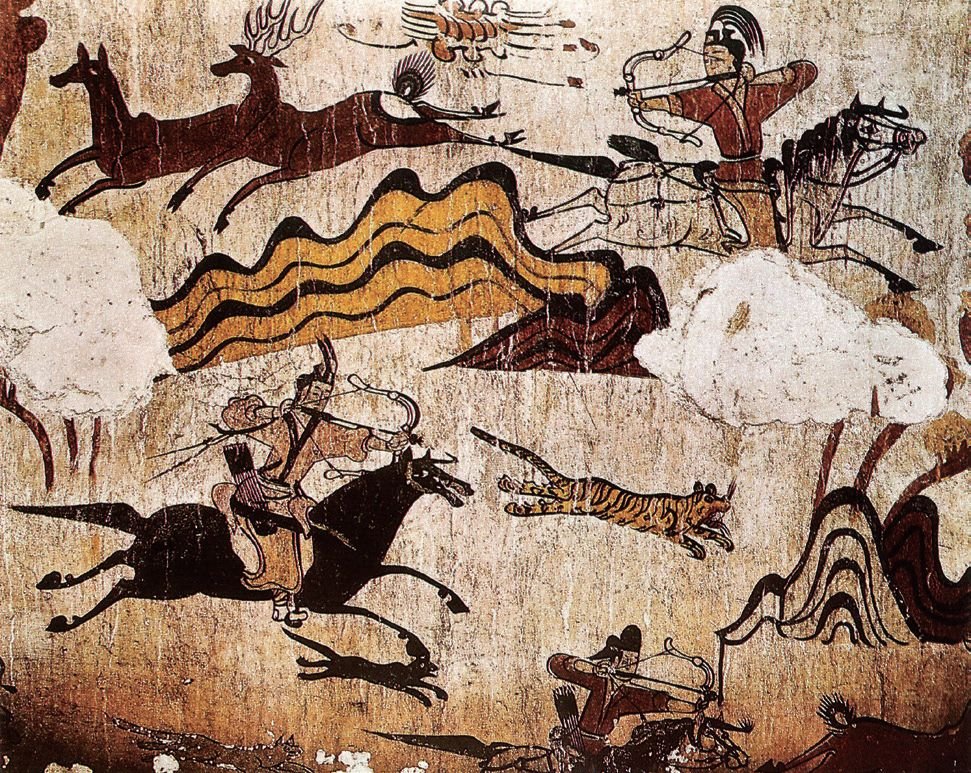
This legacy is woven into the very fabric of Korean mythology. Jumong (주몽), the legendary founding monarch of the ancient Goguryeo Kingdom, literally translates to “excellent archer” in the regional dialect of the time. If you look at the ancient Goguryeo tomb murals, such as the famous Hunting Scene, you will see warriors on horseback executing the dynamic “Parthian shot”—turning completely backward in the saddle to shoot pursuing enemies at a full gallop.
From Military Defense to Mental Discipline
Unlike European knights who favored heavy armor and broadswords, or Japanese samurai who glorified the katana, Korean military strategy relied heavily on ranged combat. During the Joseon Dynasty, the national military service examination placed the highest weight on archery skills over all other martial arts.
However, what makes Korean archery truly special is that it was not solely a weapon of war. It was profoundly integrated into civilian and intellectual life. For the Seonbi (선비), the intellectual scholar-officials of the Joseon era, archery was one of the Six Arts—essential virtues required of a refined gentleman. They viewed the bow not as a tool for violence, but as an instrument for mental training. The focus was on controlling one’s breathing, calming the mind, and achieving absolute concentration. Furthermore, local villages had their own archery ranges called Sajeong (사정), where people of all classes gathered for festive archery tournaments, fostering community harmony.
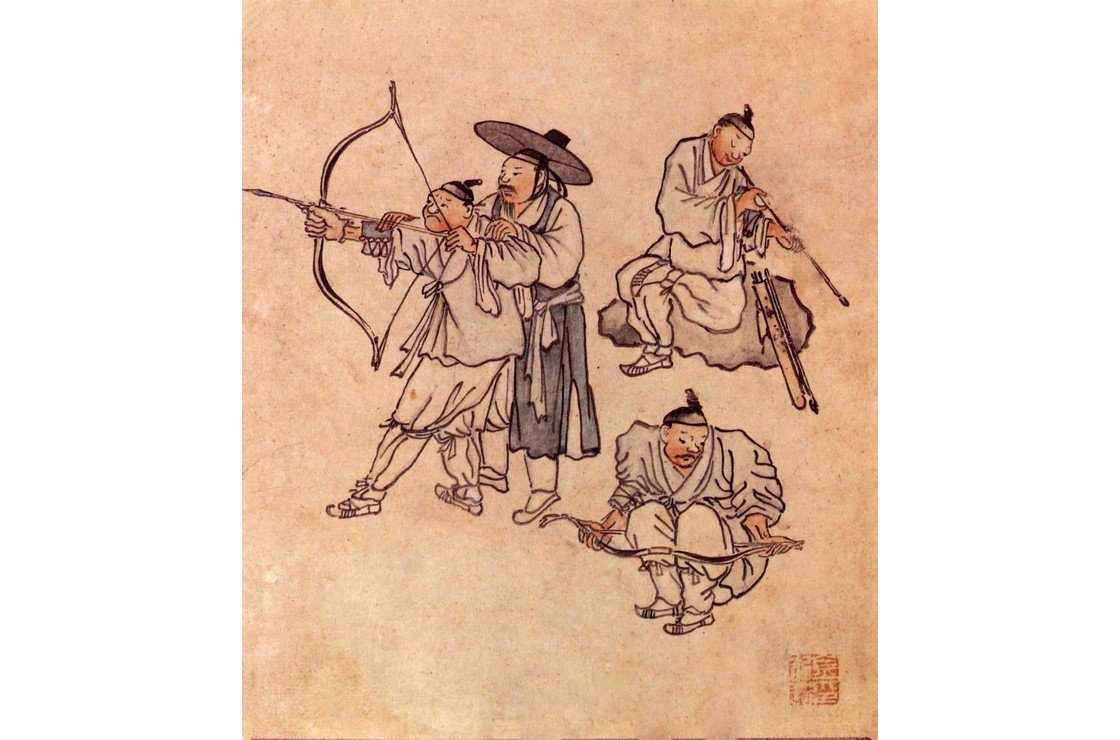
Royal Masters and Female Archers: A Sport for All
The reverence for the bow started at the very top of the social hierarchy. For the kings and crown princes of the Joseon Dynasty, archery was not merely a hobby but a mandatory royal duty. King Jeongjo, one of Joseon’s most celebrated monarchs, was historically famous for his peerless archery skills. The royal annals record that during official archery sessions, he would frequently hit the bullseye 49 times out of 50. In a profound display of humility, he would intentionally shoot his final arrow into the grass, believing that absolute perfection belonged only to the heavens. Crown princes, too, were strictly evaluated on their archery proficiency as part of their daily royal education.
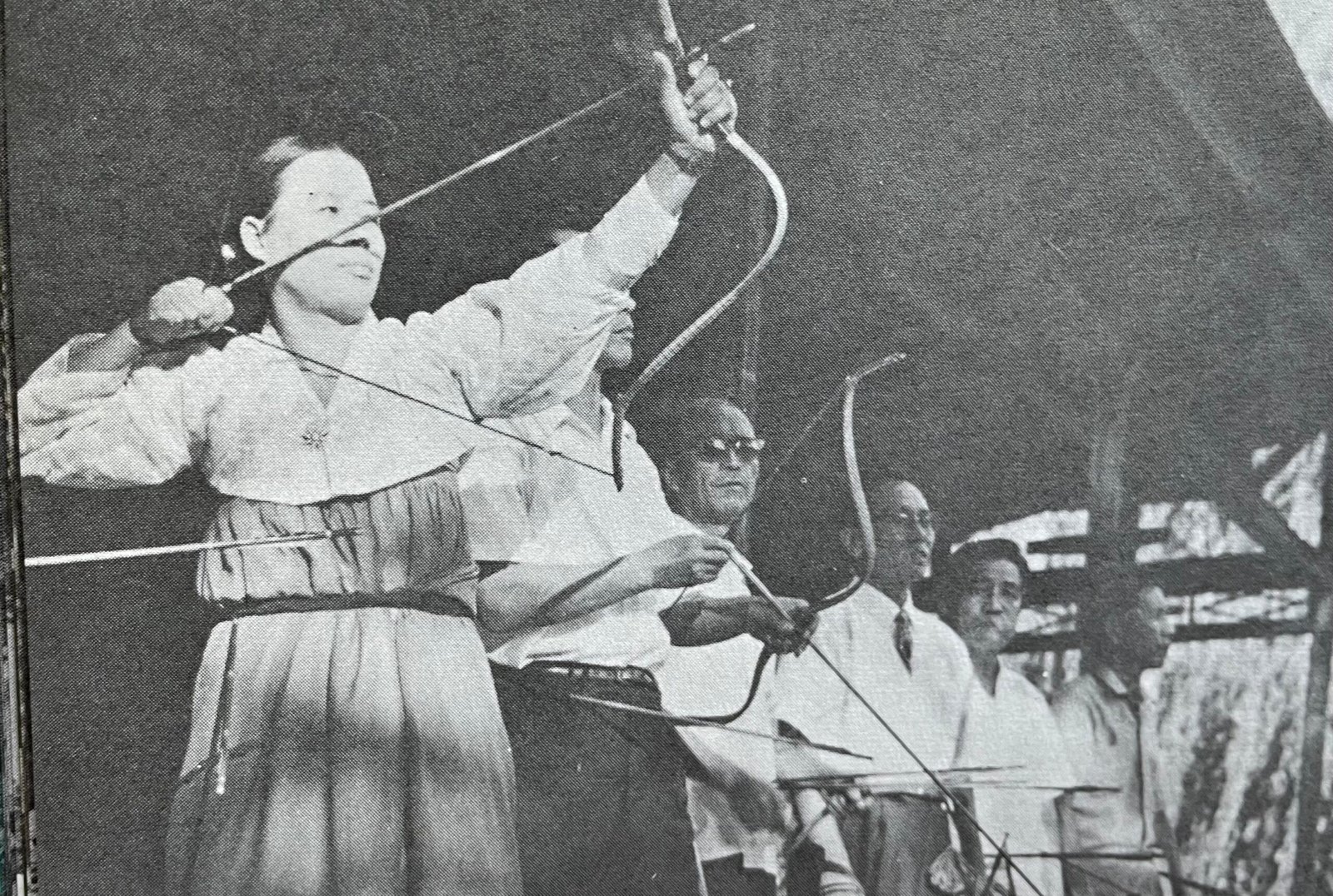
What might surprise many foreign visitors is that Joseon archery was not an exclusive boys’ club. Historical records and classic genre paintings clearly demonstrate that women also actively participated in drawing the bowstring. Within the royal palace, court ladies and queens engaged in archery as a form of physical and mental refinement. Beyond the palace walls, Gisaeng (기생)—the highly educated female entertainers and artists of the era—were frequently documented practicing archery at local pavilions. Far from being a mere pastime, it was respected as an elegant display of focus and physical control for women, proving that the Korean bow was a universal tool for self-cultivation regardless of gender.
Crafting Gakgung: The Traditional Korean Horn Bow
The secret to the historical success of Korean archers lies in their weapon: the Gakgung (각궁), or traditional horn bow. Designated as a National Intangible Cultural Heritage, the Gakgung is a masterpiece of composite bow engineering. Unlike the massive English longbow, the Korean bow is relatively short, making it perfect for mounted cavalry. Yet, it packs explosive power and an incredible firing range.
This power comes from extreme reflex engineering and natural materials. A true Gakgung is crafted by laminating several materials together:
- Water Buffalo Horn: Provides intense compressive strength on the belly of the bow.
- Cow Sinew: Layered on the back of the bow for maximum elasticity and tension.
- Bamboo and Mulberry Wood: Form the flexible, sturdy core.
- Croaker Swim Bladder Glue (민어 부레풀): A powerful, highly resilient natural adhesive that binds everything together and absorbs shock.
💡 Insider Fact: When an unstrung Gakgung is resting, it literally bends entirely backward into a tight ‘C’ shape. Stringing the bow requires heating and carefully bending it in the opposite direction, creating massive stored kinetic energy.
*The video below shows the process of making a traditional Gakgung (Korean horn bow).
Gukgung Today: The 145-Meter Challenge
Traditional archery is very much alive in modern Korea. While Olympic recurve archery uses modern synthetic materials and sights, Gukgung relies purely on instinct, posture, and practice. The most shocking difference to foreign visitors is the distance.
| Feature | Olympic Archery | Korean Gukgung |
|---|---|---|
| Target Distance | 70 meters | 145 meters |
| Aiming Method | Mechanical sights and stabilizers | Instinctive aiming, no attachments |
| Draw Technique | Mediterranean draw (using fingers) | Thumb draw (using a traditional thumb ring) |
Watching an arrow fired at a Gukgung range is mesmerizing. Because the target is 145 meters away, the arrow doesn’t fly in a straight line; it traces a massive, beautiful parabolic arc against the sky before striking the wooden target with a satisfying thud.
The Reality of Local Archery Clubs
If you wander around Seoul or other major cities, you might spot a traditional archery pavilion hidden in the mountains. However, as a local, I must offer a note of caution: you cannot simply walk in, rent a bow, and start shooting at these local ranges.
Most authentic Gukgungjang (국궁장) operate as highly exclusive, private clubs rooted in strict etiquette. Before stepping onto the shooting line, members must bow to the pavilion’s center and formally announce to the elders, “I will learn the bow.” To preserve safety and tradition, these clubs require new members to undergo months of rigorous foundational training. Beginners spend weeks just practicing their stance and pulling a “blank bow” (a bow without an arrow) to build the necessary back muscles and discipline before they are ever allowed to release an actual arrow. It is a lifelong martial art, not a quick tourist activity.
Where to Experience Traditional Archery
Fortunately, if you are visiting Korea and want to feel the thrill of pulling a Korean bow without committing to a six-month apprenticeship, there are specialized tourist centers that offer modified, safe experiences.
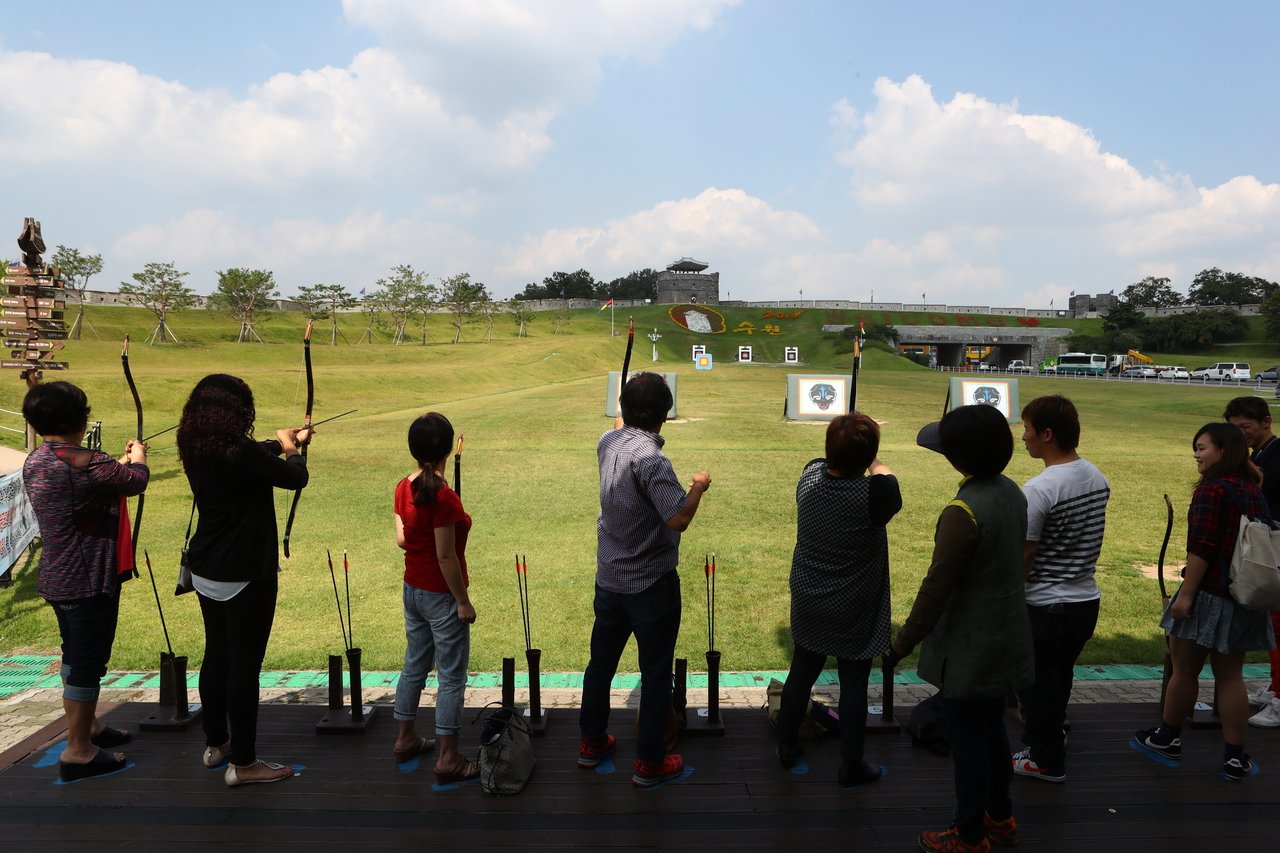
- Suwon Hwaseong Fortress (수원화성): Located at the Yeonmudae Post of this stunning UNESCO World Heritage site, you can shoot traditional-style carbon bows at targets set at a manageable distance. It is incredibly foreigner-friendly and offers a great historical atmosphere.
- Namsan Seokhojeong (남산 석호정): Tucked away on Namsan Mountain in Seoul, this is one of Korea’s oldest archery ranges. While it operates as a club, the Seoul city government occasionally runs beginner experience programs for citizens and tourists.
Pop Culture Pick: “War of the Arrows”
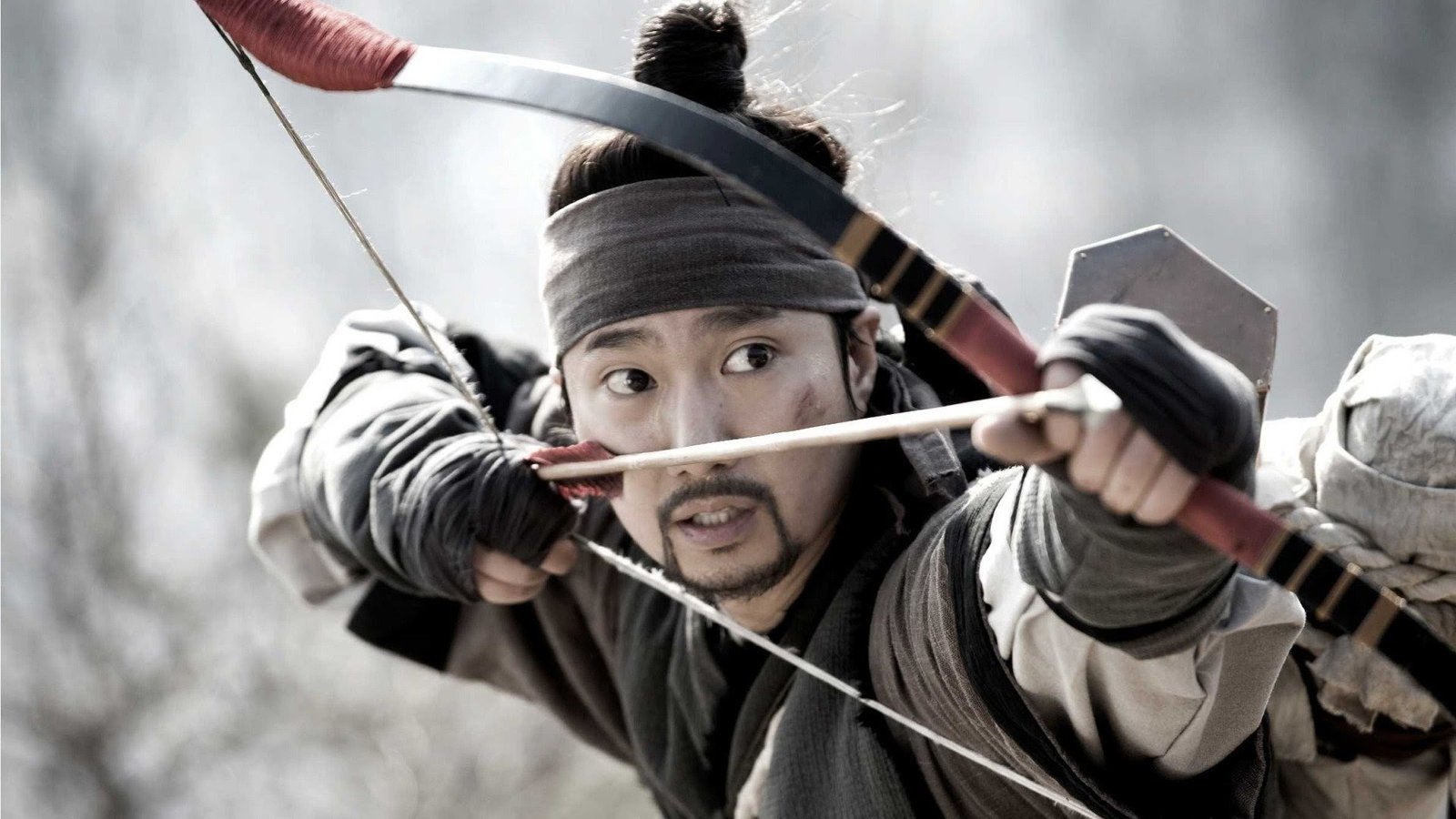
To truly visualize the terrifying power and speed of Korean archery, I highly recommend watching the 2011 blockbuster film War of the Arrows (최종병기 활). Set during the second Manchu invasion of Korea, the film is an intense action-thriller focusing entirely on archery combat.
The movie is heavily praised for its rigorous historical research. It perfectly showcases the distinct thumb-draw technique, the devastating impact of the Gakgung, and the use of the Pyeonjeon (편전)—a lethal, miniature arrow shot through a bamboo guide tube that travels at rifle-like speeds. You can currently stream “War of the Arrows” on major global VOD platforms like Amazon Prime Video and Apple TV, depending on your region’s availability.
By understanding the deep-rooted culture of Gukgung, you gain a new appreciation not only for Korea’s modern Olympic heroes but for the unyielding spirit and mental fortitude that has defined the Korean people for millennia.
Korean Culture portal KCulture.com

Founder of Kculture.com and MA in Political Science. He shares deep academic and local insights to provide an authentic perspective on Korean history and society.