
If you are looking for the most authentic traditional market experience in Seoul, Namdaemun Market is currently the superior choice over Gwangjang Market. While Gwangjang has recently faced significant backlash for “overcharging” and “forced ordering,” Namdaemun remains a favorite among locals for its transparent pricing, legendary “service” (free extra dishes), and incredible value-for-money Bunsik (Korean soul food). In this guide, I will share why locals are turning their backs on Gwangjang and provide you with the perfect walking itinerary to enjoy the honest, vibrant heart of Seoul at Namdaemun Market.
- The Gwangjang Controversy: Why Locals are Staying Away
- Why Namdaemun Market is the Better Alternative
- Namdaemun Bunsik: The Ultimate Value-for-Money Experience
- Optimized Walking Course: From Deoksugung to Namdaemun
- Fact Check: Comparing Gwangjang vs. Namdaemun
- Insider Tips for Navigating Namdaemun
The Gwangjang Controversy: Why Locals are Staying Away
Living in Korea, I’ve seen many trends come and go, but the recent shift in sentiment regarding Gwangjang Market is profound. Between late 2025 and early 2026, the market’s reputation took a massive hit due to “hidden price hikes” and aggressive sales tactics. Many locals now view the food stalls there as “tourist traps” that have lost the traditional spirit of Korean hospitality.
The situation escalated when stall owners were caught charging extra for “added meat” without customer consent or refusing to serve single portions to foreign tourists. This led to a historic 300 million KRW lawsuit filed by the market’s fixed-shop owners against the food stall association, claiming that the “overcharging scandals” were destroying the entire market’s reputation and cutting their sales in half.
💡 Local Note: Koreans are extremely sensitive to unfair pricing and “hidden tricks.” Once a place is labeled as “dishonest,” locals will quickly find a better alternative, which is exactly why Namdaemun is seeing a resurgence in popularity.
While the Jongno-gu District Office has introduced a “Real Name System” for stalls and mandatory “Fixed Quantity Displays,” the negative perception remains strong. Most Koreans now prefer markets where the “Insim” (generosity) is real, not a marketing gimmick.
Why Namdaemun Market is the Better Alternative
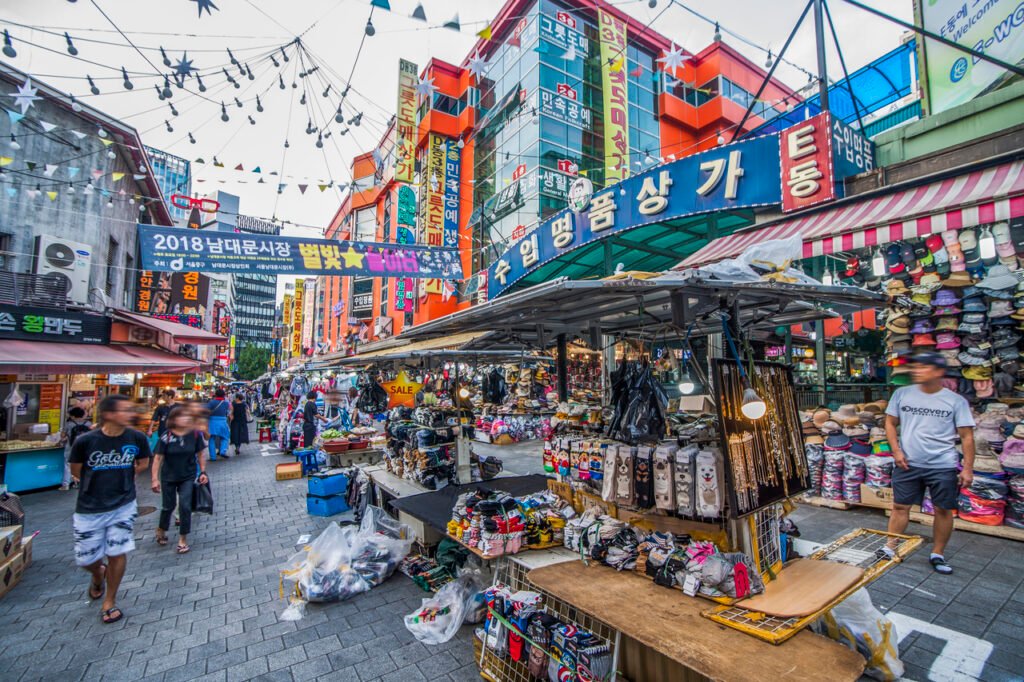
Namdaemun Market is one of the oldest and largest traditional markets in Korea, and unlike the food-focused Gwangjang, it is a massive ecosystem of clothing, accessories, and specialized goods. Because it caters to both wholesale and retail customers, the culture of “haggling” is replaced by competitive, transparent pricing.
The culinary experience here is defined by “Alleys.” The famous Kalguksu Alley is a prime example of Korean generosity. When you order a simple bowl of Kalguksu (knife-cut noodles) for about 8,000 KRW, you often receive small servings of spicy cold noodles (Bibim-naengmyeon) and barley rice (Bibimbap) for free. It is the definition of “getting more than you paid for.”
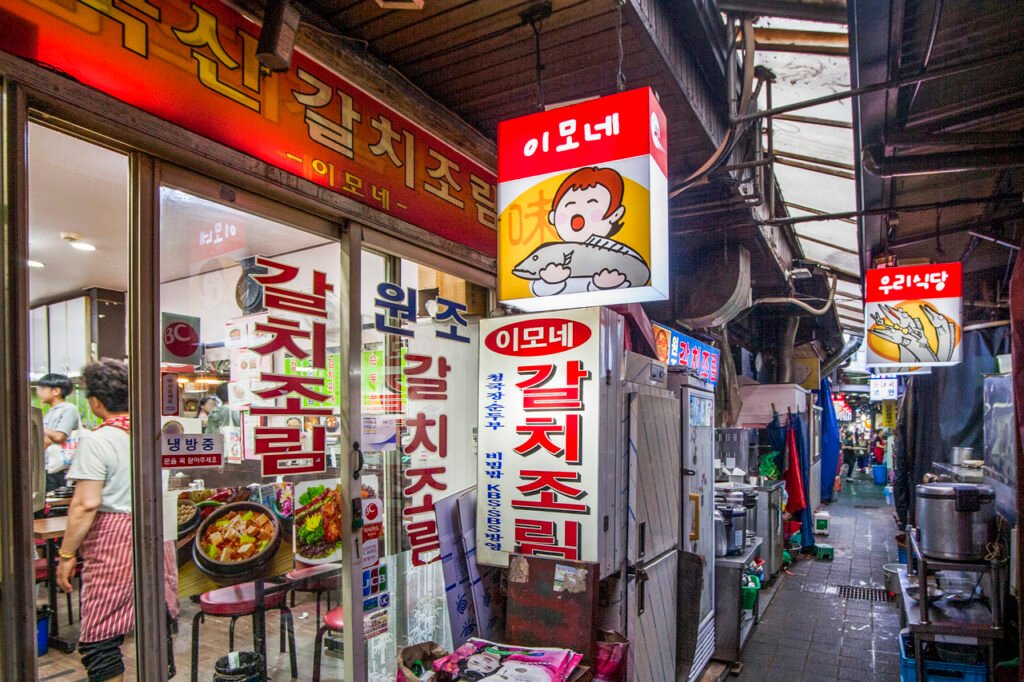
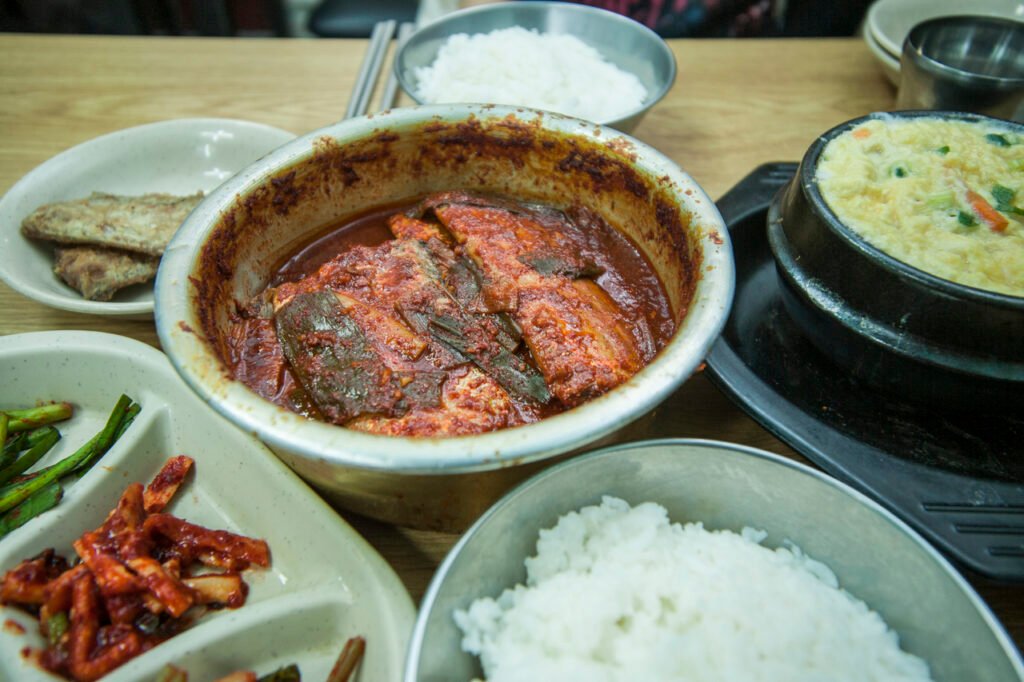
Then there is the Galchi Jorim (Braised Hairtail) Alley. With over 50 years of history, these shops have fixed prices clearly displayed outside. Even during busy hours, the service remains authentic, often including complimentary steamed eggs or fried fish pieces. This level of transparency makes Namdaemun a much more relaxing environment for both locals and travelers.
Namdaemun Bunsik: The Ultimate Value-for-Money Experience
Many tourists think Namdaemun is only about noodles and fish, but it actually hides some of the best Bunsik (Korean street food and snacks) in the city. Unlike Gwangjang, where food is piled high just for display, Namdaemun focusing on freshness and honest portions.
- Annie Tteokbokki & Igane: If you’ve been disappointed by overpriced Tteokbokki elsewhere, come here. You can enjoy chewy rice cakes and freshly fried tempura for just 4,000 to 5,000 KRW. It’s so popular that you’ll often see local office workers lining up for a quick, affordable bite.
- The Magic of Kalguksu Alley: Famous spots like Hyungje Bunsik and Namhae Sikdang offer an “expanded” Bunsik experience. While Gwangjang stalls might try to charge you extra for “mixing in meat,” these shops give you free Bibim-naengmyeon and barley rice just for ordering a main dish. It’s a complete cultural contrast.
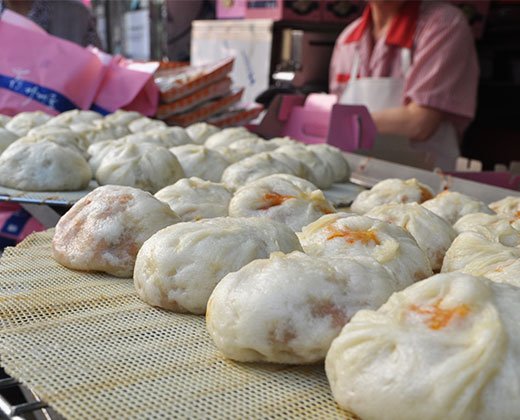
- Gamegol Son Wangmandu: An iconic Namdaemun symbol. You can get 5 massive, handmade king-sized dumplings for about 5,000 KRW (as of late 2025). It’s one of the most cost-effective ways to fill your stomach in central Seoul.
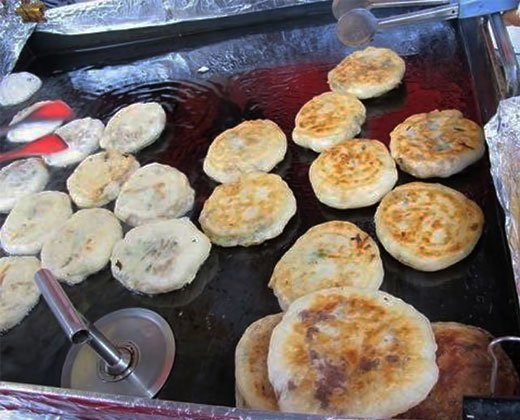
- Vegetable Hotteok: Located near Sungnyemun, these savory hotteoks are stuffed with glass noodles and vegetables. They are much cheaper than the Bindae-tteok at Gwangjang and arguably more satisfying as a walking snack.
Optimized Walking Course: From Deoksugung to Namdaemun
To experience the “real” Seoul, I recommend a walking route that blends historical serenity with the bustling energy of the market. This course allows you to see the city’s transition from royal history to modern daily life.
Recommended Seoul Walking Itinerary
| Step | Location | Key Activities & Tips |
|---|---|---|
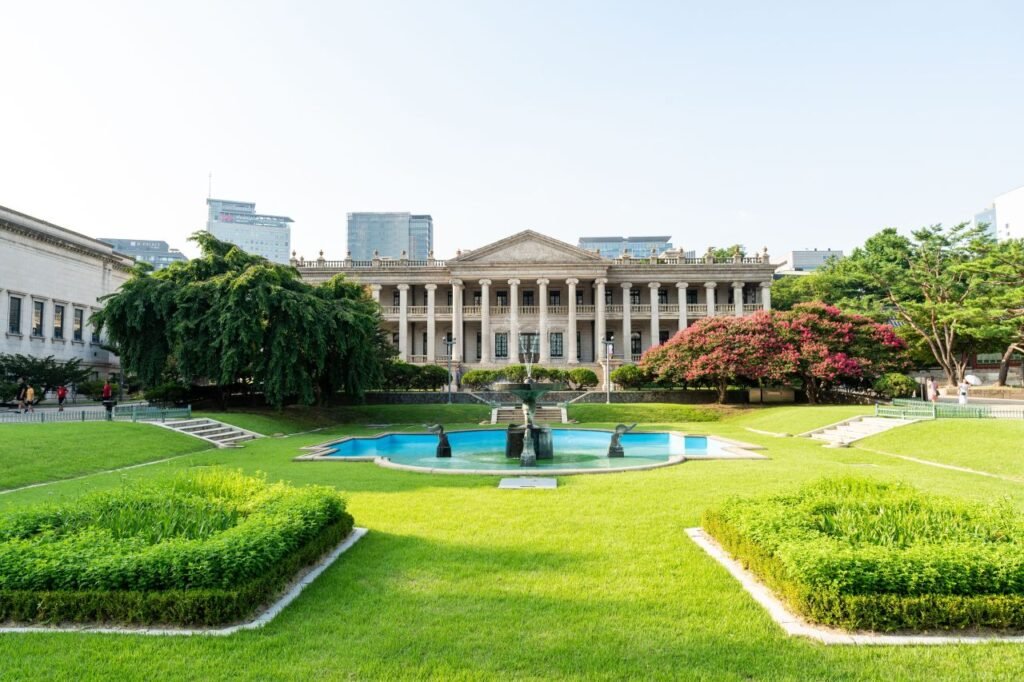
| 01 | Deoksugung Palace | Walk along the famous Stonewall Path. Watch the Changing of the Guard ceremony at Daehanmun Gate. |
| 02 | Sejong-daero Forest Path | A wide, tree-lined pedestrian walkway connecting Deoksugung to Sungnyemun. Perfect for a morning stroll. |
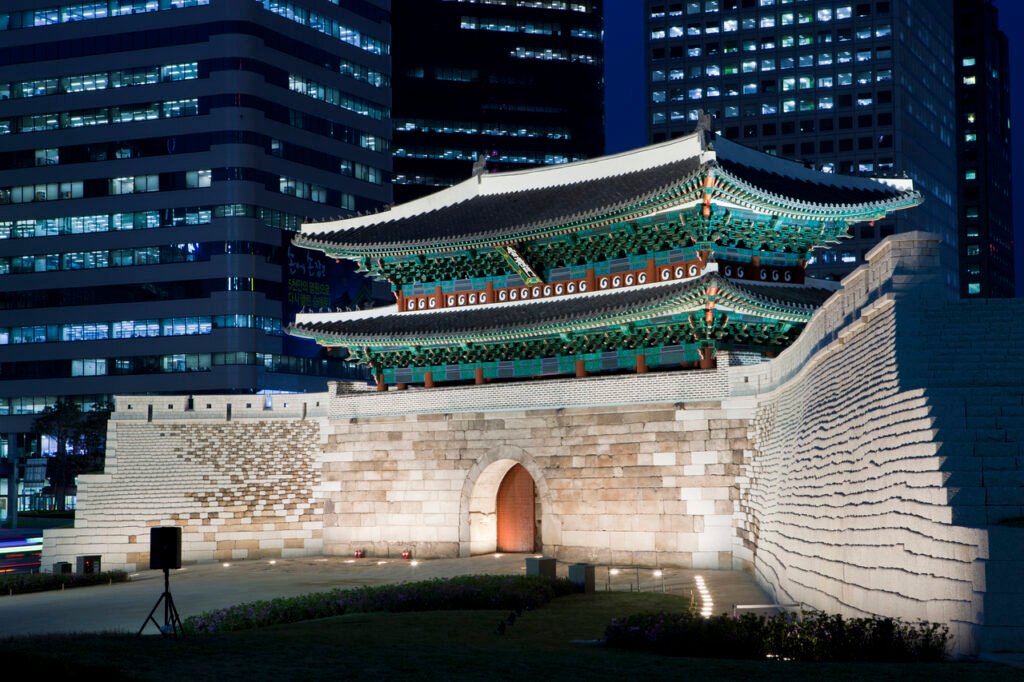
| 03 | Sungnyemun (Namdaemun) | Take a commemorative photo at Korea’s National Treasure No. 1. It looks spectacular when lit up at night. |
| 04 | Namdaemun Market (Gate 1) | Enter the market and head straight to Kalguksu or Galchi Alley for a hearty, honest lunch. |
| 05 | Vegetable Hotteok Stall | End your tour with the famous “Japchae Hotteok” near the market entrance. It’s the perfect savory-sweet dessert. |
Fact Check: Comparing Gwangjang vs. Namdaemun
When choosing where to spend your time and money, it helps to see the current 2026 landscape of these two iconic markets. While Gwangjang is working to improve, Namdaemun currently holds the lead in terms of reliability and local trust.
Comparison of Seoul Traditional Markets
| Criteria | Gwangjang Market (Food Stalls) | Namdaemun Market |
|---|---|---|
| Price Transparency | Controversies over hidden costs and “upselling.” | Highly transparent with fixed menus and alley-based pricing. |
| Local Sentiment | Avoided by many locals (“Tourist Trap” label). | Daily shopping hub for locals; highly trusted. |
| Service (Insim) | “I’ll mix in meat” (often leads to extra charges). | “Eat this too” (genuine free side dishes/extra noodles). |
| Payment Options | Frequent cash-only requests; card avoidance issues. | Cards widely accepted in most established shops and alleys. |
Insider Tips for Navigating Namdaemun
As someone living in Korea, I have a few “Pro Tips” to make your visit smoother. First, most food alleys are crowded during lunch (12:00 PM – 1:30 PM), so aim for 11:00 AM or 2:00 PM to get a seat quickly. Unlike the street stalls in Gwangjang, the vendors in Namdaemun’s food alleys are used to the fast pace and are generally very efficient.
Second, don’t just stick to the food. Namdaemun is famous for children’s clothes and affordable accessories. If you’re looking for unique souvenirs that aren’t mass-produced “I Love Korea” shirts, explore the inner buildings. You’ll find high-quality goods at wholesale prices that you won’t see anywhere else in Seoul.
If you’re looking to go beyond traditional markets and experience something even more local, check out our guide on Beyond Gwangjang: A Guide to Authentic Korean Oiljang at https://kculture.com/beyond-gwangjang/. These five-day markets offer a glimpse into the deep-rooted trading traditions of Korea.
FAQ
Is it safe to eat at the street stalls in Namdaemun?
Yes, Namdaemun Market stalls are subject to regular health and safety inspections. The “Kalguksu” and “Galchi” alleys are very established with long-running businesses that value their reputation among local customers.
Do I need to carry cash at Namdaemun Market?
While many shops now accept credit cards, it is still helpful to have some cash for smaller street food stalls (like the Hotteok stands) or for getting small discounts at the wholesale clothing sections.
Korean Culture portal KCulture.com

Founder of Kculture.com and MA in Political Science. He shares deep academic and local insights to provide an authentic perspective on Korean history and society.