Gyeongju National Museum: Why This “Old” Museum is a Must-Visit
If you ask a local where to find the “real” soul of Korea, they won’t just point you to Seoul. They will point you toward Gyeongju, the ancient capital of the Silla Kingdom for 1,000 years. While the entire city is often called a “museum without walls,” the Gyeongju National Museum(https://gyeongju.museum.go.kr) is where the city’s heart is kept under glass.
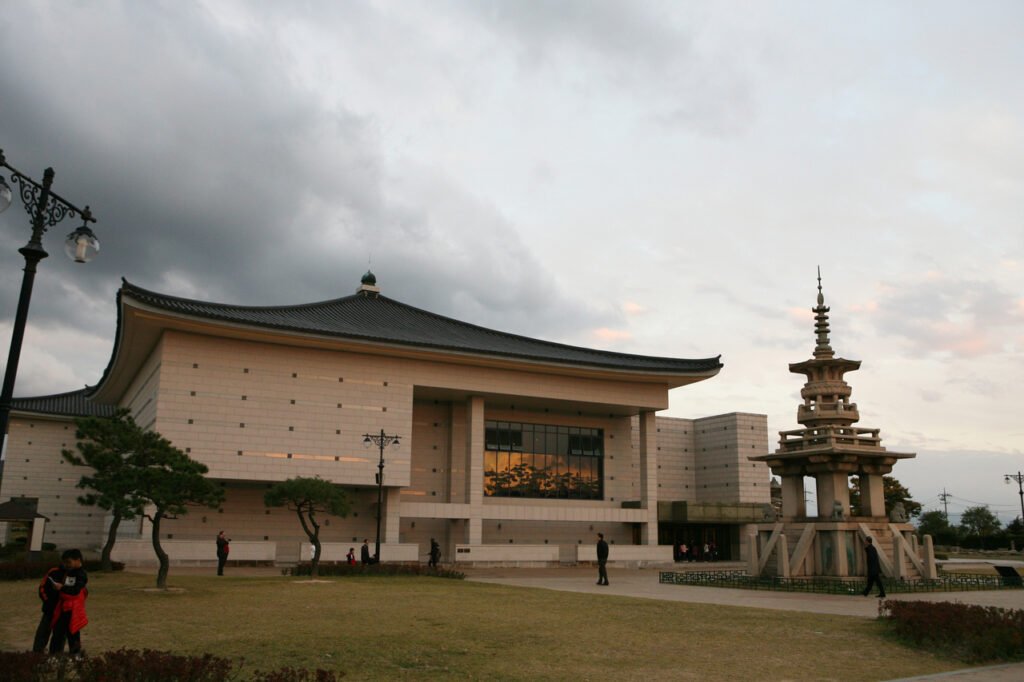
You might notice that the buildings look a bit aged or smaller compared to the massive National Museum of Korea in Seoul. However, don’t let the exterior fool you. As a local, I can tell you that this museum is the ultimate exception to the rule that “all the good stuff goes to Seoul.” Because Gyeongju holds so much history, it has retained its most precious treasures, offering a level of curation and historical density that is hard to find anywhere else in the world.
- The Exception: Why Gyeongju Kept Its Treasures
- The Divine Bell: A Haunting Legend in Bronze
- The Gold Crowns: Why Silla Was the “Kingdom of Gold”
- The Smile of Silla: A Face That Warms the Heart
- The Beautiful Golden Buddhas of Silla
- Pro Tips: Navigating the Old but Gold Galleries
The Exception: Why Gyeongju Kept Its Treasures
In Korea, there is a common trend where the most significant national treasures are moved to the central museum in Seoul for “better management and restoration.” This often leaves regional museums feeling a bit empty. But Gyeongju is different. Because the Silla Dynasty lasted a millennium, the volume of artifacts is so vast that the Gyeongju National Museum remains one of the wealthiest institutions in Asia.
While the architecture itself might feel “retro” (it was built in the 1970s), the recent interior renovations are world-class. The management here is meticulous, blending old-school charm with high-tech displays that bring 1,500-year-old stories to life. It is precisely this “old but excellent” vibe that makes it a local pick.
The Divine Bell: A Haunting Legend in Bronze
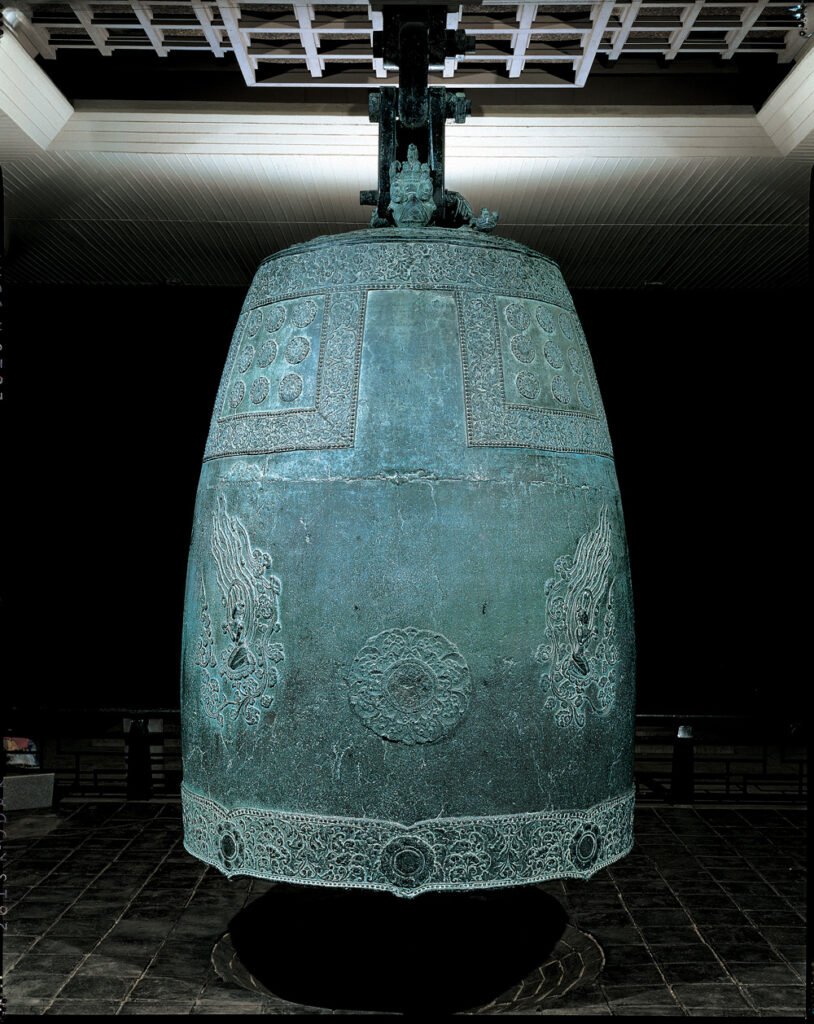
Before you even enter the main hall, you will encounter the Divine Bell of King Seongdeok (National Treasure No. 29). It is arguably the most famous bell in Korea, and it comes with a legend that every Korean child knows by heart.
The “Emille” Cry
The bell is commonly called the “Emille Bell.” According to legend, the bell failed to produce a sound during its first few castings. A monk was told in a dream that a child must be sacrificed to the molten bronze. When the bell was finally struck, its resonance sounded like a child crying “E-mi-lle,” which is an ancient word for “mother.”
📌 Local Note: While the story is iconic, modern science has actually proven it false! Scientific analysis found no traces of human phosphorus in the bronze. It is simply a testament to the incredible engineering skills of Silla—creating a bell that vibrates at a frequency that lasts for several minutes.
The Gold Crowns: Why Silla Was the “Kingdom of Gold”
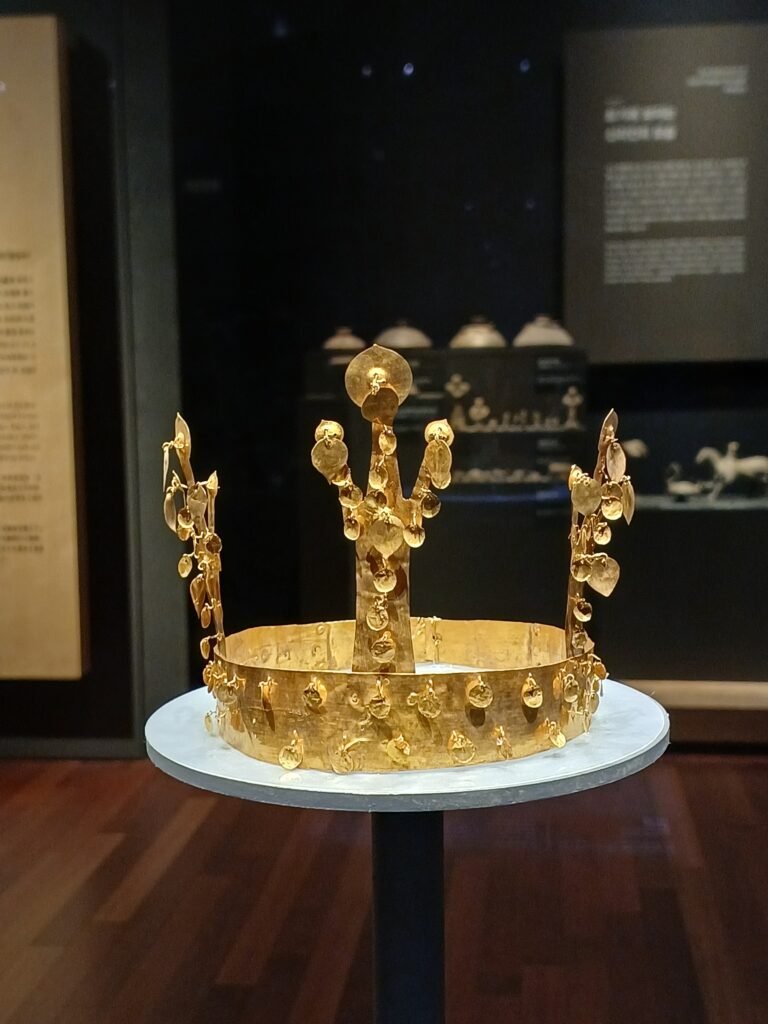
When you step into the Silla History Gallery, prepare to be blinded. Silla was once known as the “Kingdom of Gold.” Roman merchants even wrote about a land in the East where “even the dogs wear gold chains.”
The Symbolism of the Crown
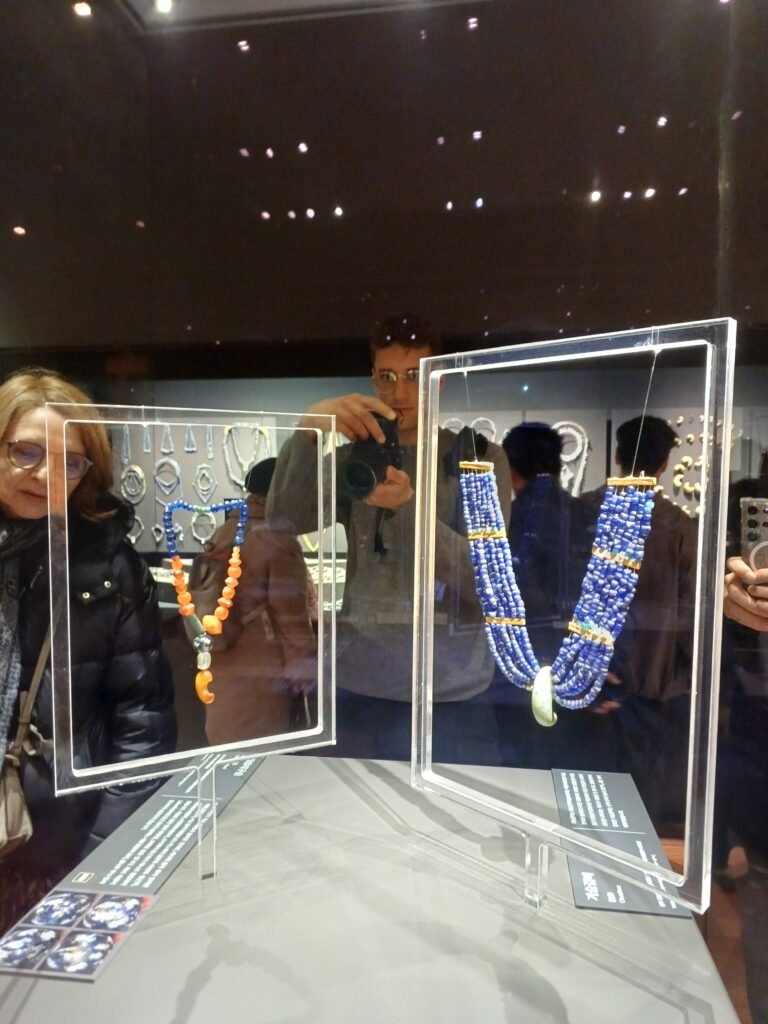
The **Gold Crown from Cheonmachong** (The Heavenly Horse Tomb) is the star of the show. Notice the “tree-shaped” uprights. These weren’t just for fashion; they represented the cosmic tree that connects the earth to the heavens, reflecting the shamanistic roots of early Silla royalty before Buddhism took hold. The tiny comma-shaped jade beads (Gogok) represent embryos or fruit, symbolizing fertility and eternal life.
The room is perfectly lit, making these 1,500-year-old crowns look as if they were made yesterday. It is a moment of pure, shimmering awe that justifies the entire trip to Gyeongju.
The Smile of Silla: A Face That Warms the Heart
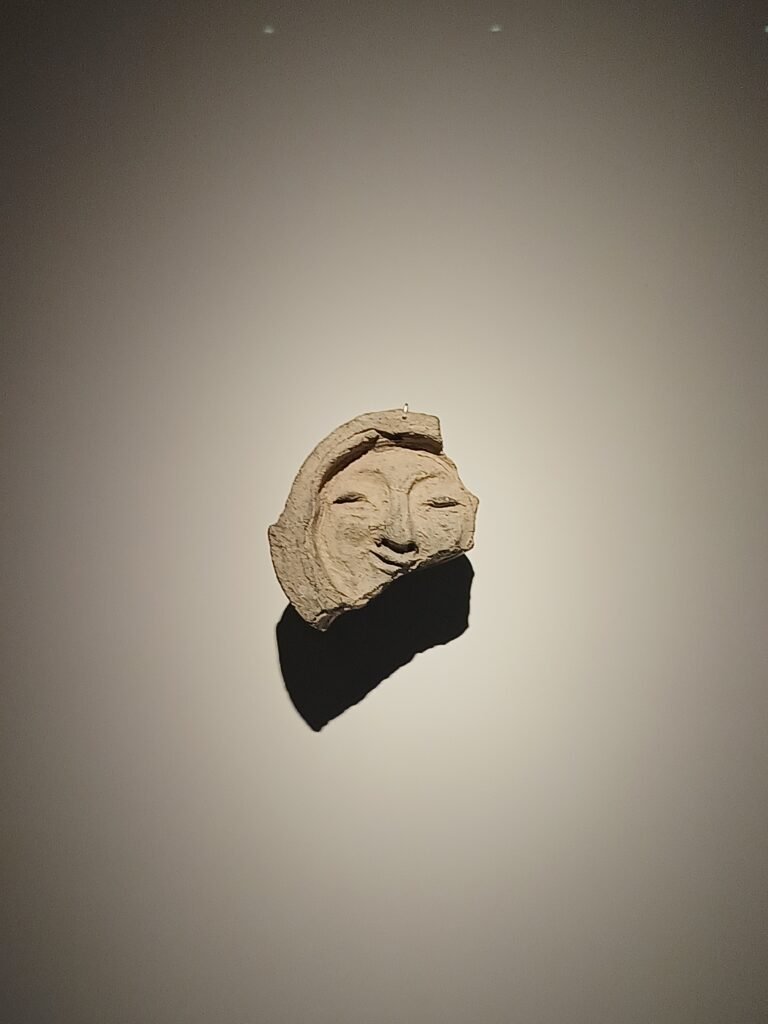
While the gold crowns represent power, the most beloved artifact among locals is actually a broken piece of a roof tile. Known as the Roof-end Tile with Human Face (or simply the “Smile of Silla”), it is the unofficial mascot of the city.
Most roof tiles from this era featured scary monsters to ward off evil spirits. But some anonymous Silla craftsman decided to carve a human face with a gentle, slightly asymmetrical smile. It is so warm and approachable that it has become a symbol of the “Silla spirit.” You will see this face on everything from city buses to souvenir cookies, but seeing the original weathered clay tile in person is a special experience.
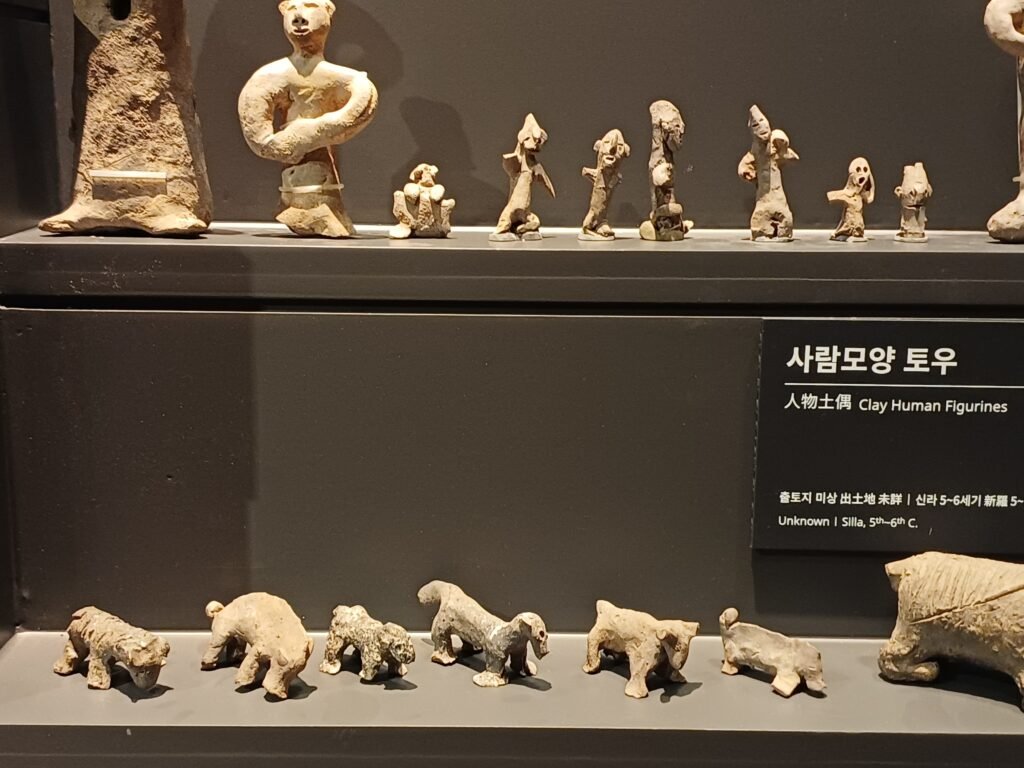
The Beautiful Golden Buddhas of Silla
Admire the exquisite golden Buddha statues and artifacts crafted during Silla’s Golden Age.
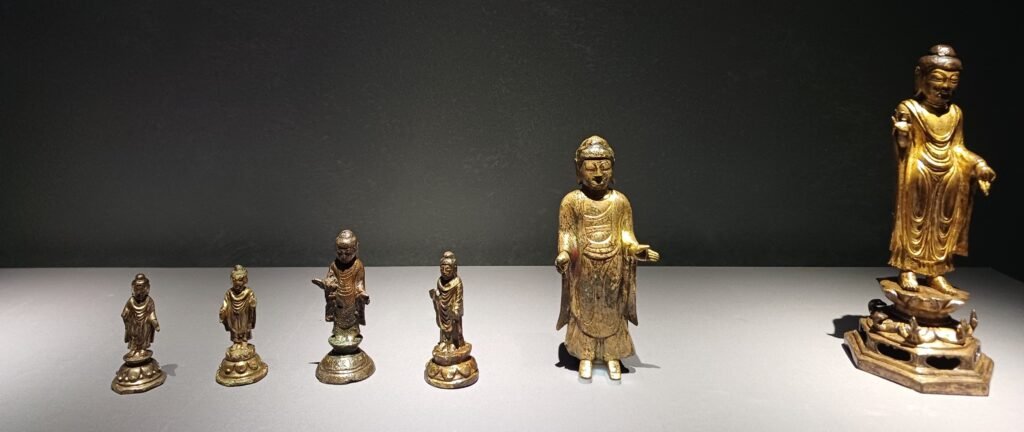
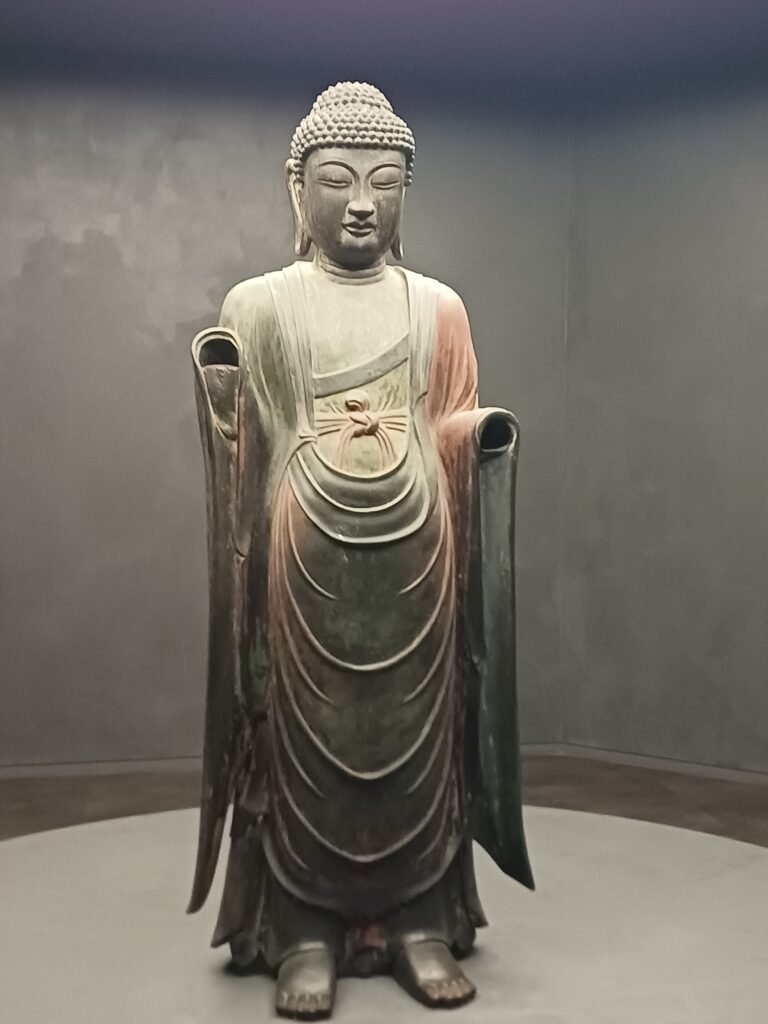
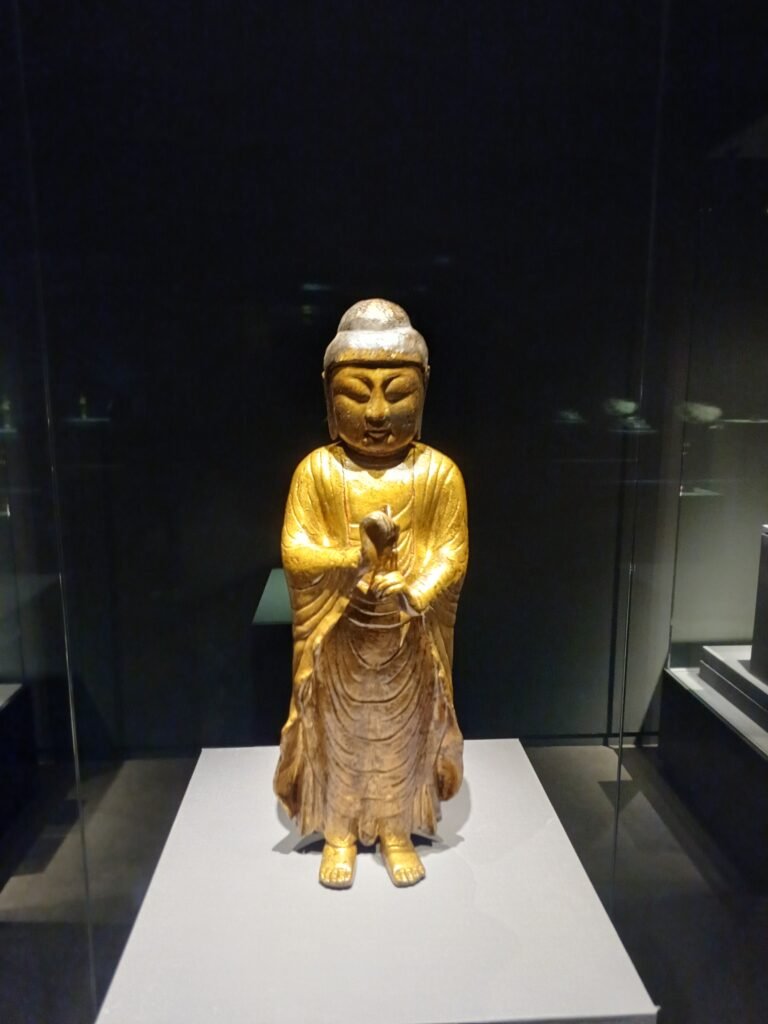
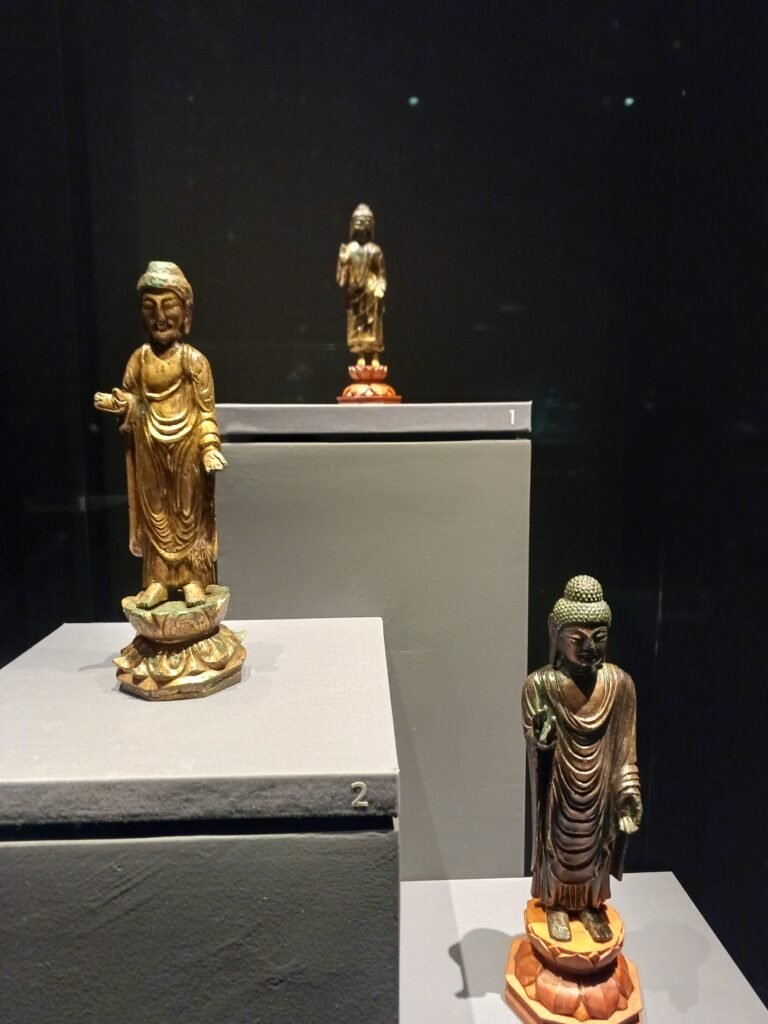
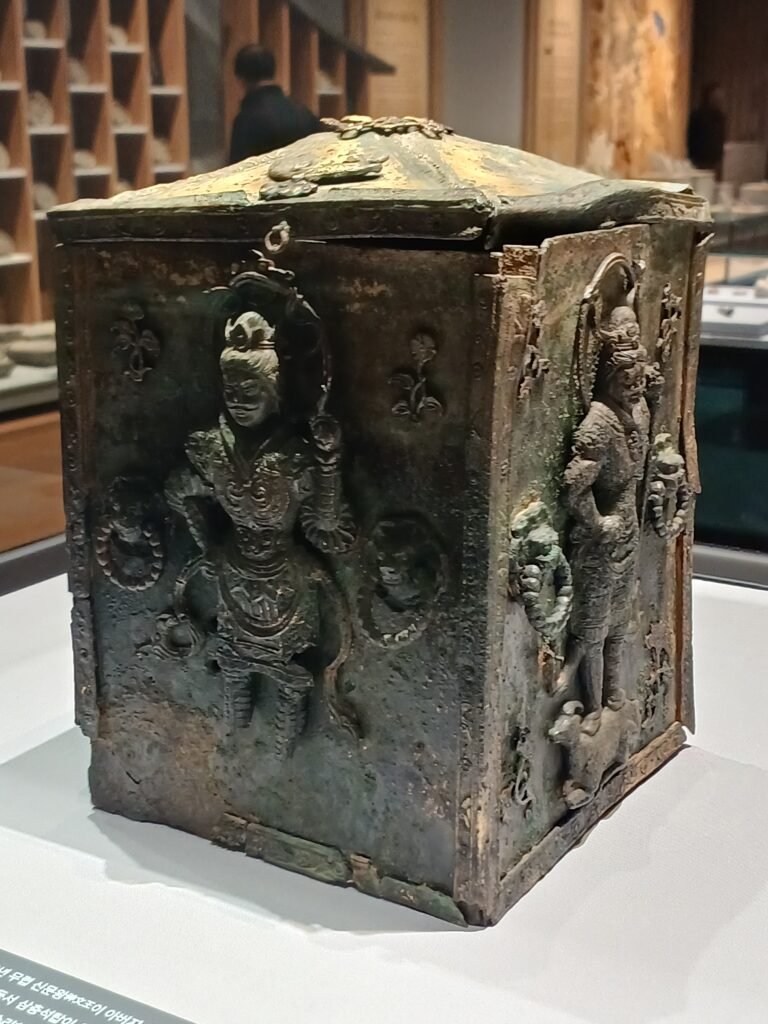
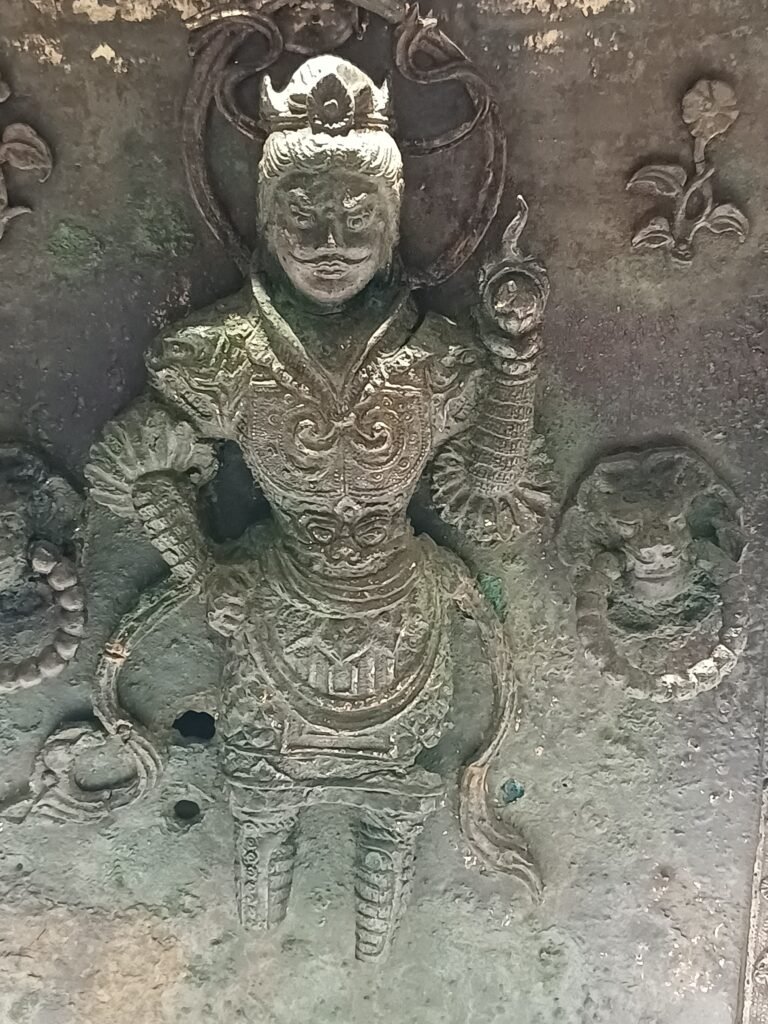
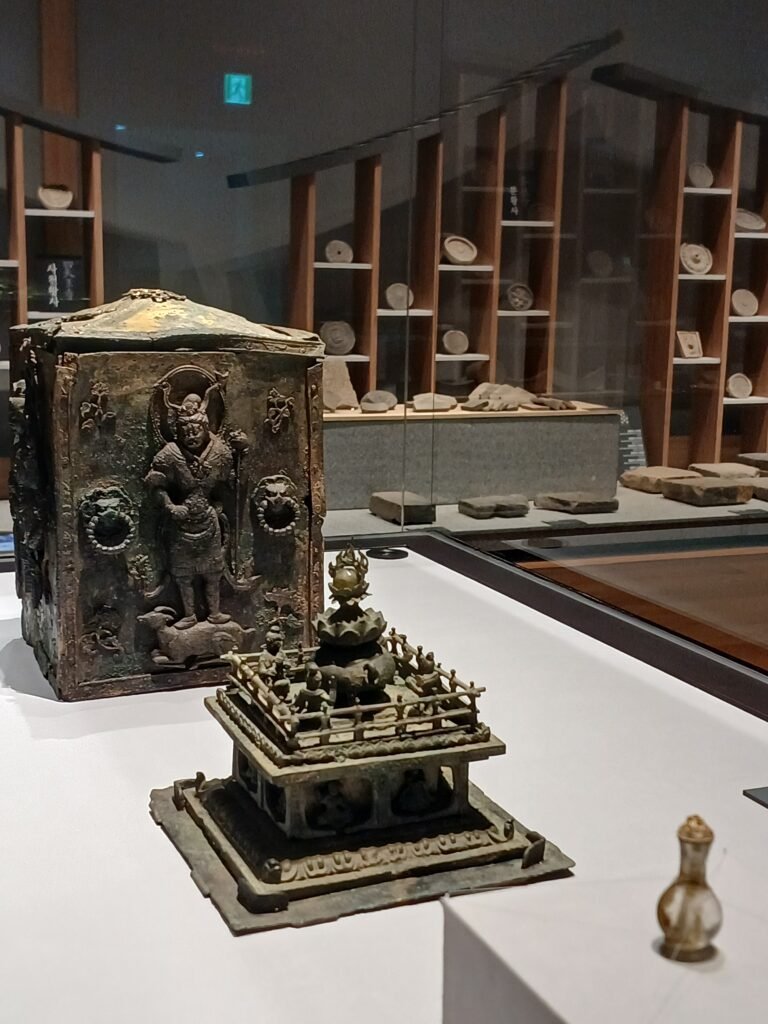
Pro Tips: Navigating the Old but Gold Galleries
To make the most of your visit to the Gyeongju National Museum must-see artifacts, follow these local tips:
- The Wolji Gallery is Mandatory: Don’t just see the gold and leave. The Wolji Gallery contains items found at the bottom of a palace pond, including a 14-sided wooden dice used for drinking games. It’s a fascinating look at the “party life” of Silla royals.
- The Outdoor Stone Garden: The museum grounds are scattered with stone Buddhas that were rescued from various mountainsides. There is something peaceful about seeing them under the open sky.
- Night View: While the museum itself closes in the evening, the outdoor lights make the traditional architecture look stunning. It is right next to Donggung Palace, making it a perfect late-afternoon stop.
Quick Reference Table
| Detail | Information |
|---|---|
| Admission | Free |
| Must-See | Emille Bell, Gold Crowns, Smile of Silla |
| Vibe | Historically dense, Intimate, Deeply curated |
Gyeongju National Museum might not have the shiny, massive glass walls of Seoul’s skyscrapers, but it has something better: authenticity. It is a place where you can stand in front of a thousand years of history and feel the heartbeat of an ancient kingdom. Don’t skip it.
| ☼ Check out this article about traveling to Gyeongju as well! ▪Gyeongju Travel : Bulguksa Temple & Seokguram Grotto ▪Gyeongju Night Tour: Donggung, Cheomseongdae, and Woljeonggyo ▪Gyeongju: A Timeless Walk Through Korea’s Golden Era |
Korean Culture portal KCulture.com
Join the mailing service and add to your favorites.

Founder of Kculture.com and MA in Political Science. He shares deep academic and local insights to provide an authentic perspective on Korean history and society.