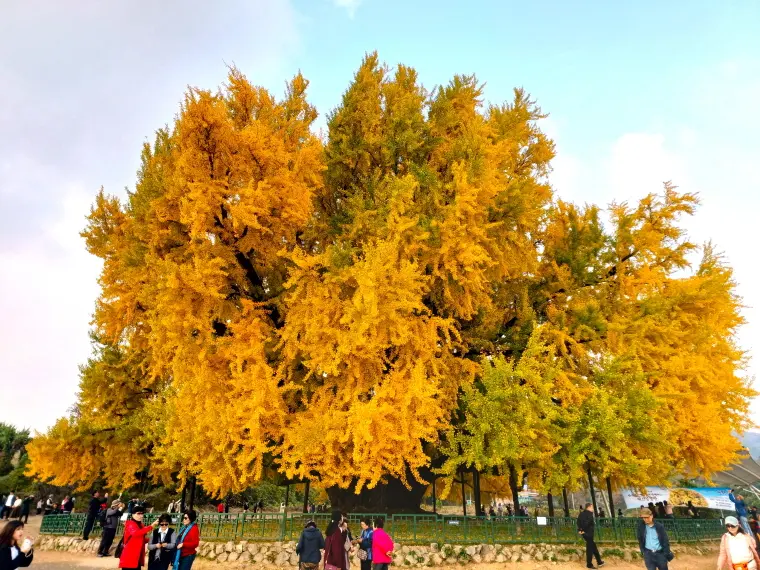
If you are looking for the ultimate journey into the heart of Korean identity, there is no better way to spend a day than connecting the spiritual archives of the mountains with the artistic treasures of the city. Living in Korea has taught me that history isn’t just in books—it’s in the smell of ancient wood and the stroke of a master’s brush. This South Korea cultural heritage itinerary takes you from the 800-year-old woodblocks of Haeinsa Temple to the priceless masterpieces saved by a national hero at the Daegu Kansong Art Museum. It is a day of deep reflection, breathtaking science, and soul-stirring art.
- Morning: Haeinsa Temple and the Tripitaka Koreana
- Lunch: Healing Through Sanchae-jeongsik
- Afternoon: The Kansong Daegu Museum
- Evening: Sunset and Lights at Suseong Lake
- Logistics: How to Navigate This Cultural Route
Morning: Haeinsa Temple and the Tripitaka Koreana
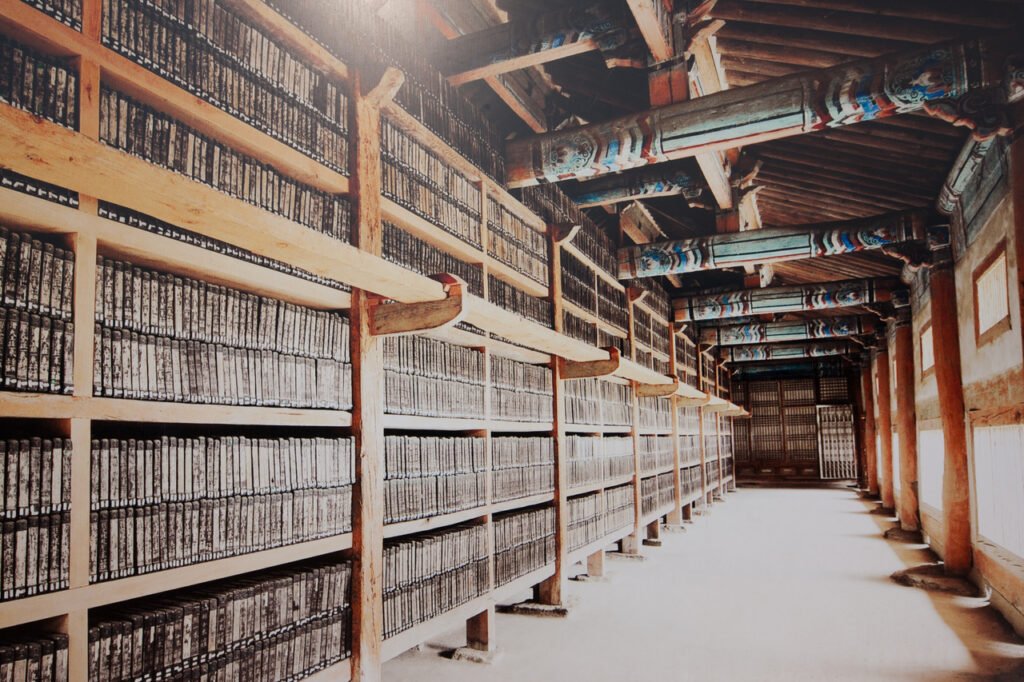
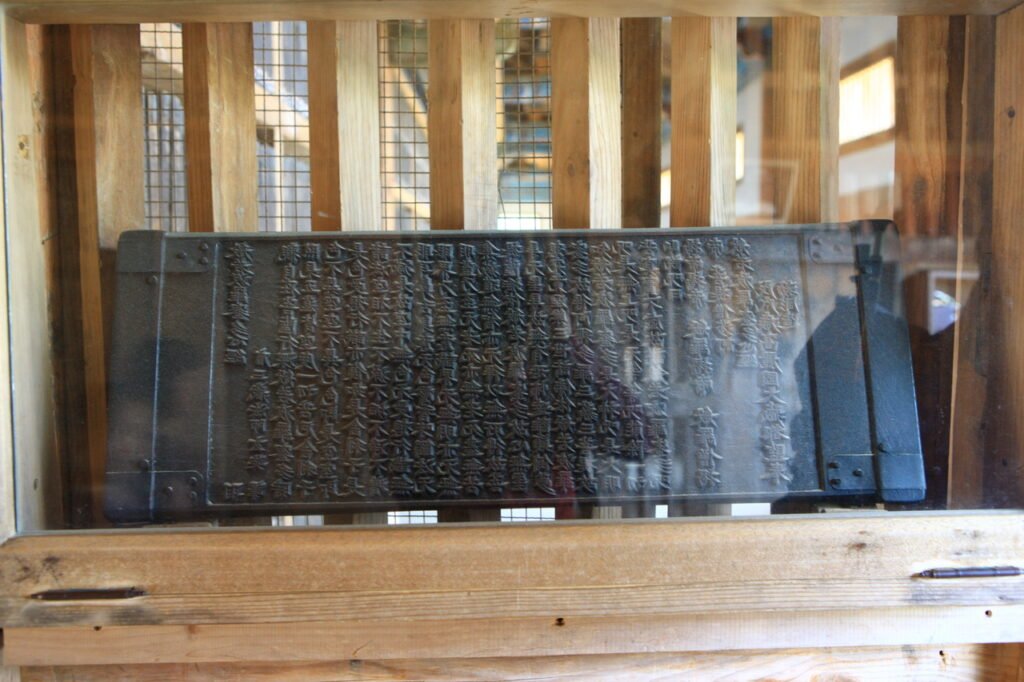
We begin our journey early in the morning at Haeinsa Temple, tucked away in the majestic Gayasan National Park. This temple is home to the Palman Daejanggyeong, or the Tripitaka Koreana—a collection of 81,258 woodblocks carved in the 13th century. It is the most complete and accurate version of the Buddhist canon in existence. To understand why this was created, you have to imagine a nation under fire. During the Mongol invasions, the Goryeo Dynasty spent 16 years carving these blocks as a collective prayer for protection. To truly grasp the spiritual weight of this site, I recommend reading about the Silent Soul of Korea: Buddhism, Society, and History.
The most fascinating part for me is the Janggyeong Panjeon, the four depositories that house the blocks. These buildings, dating back to the 15th century, are a miracle of natural science. They use a unique cross-ventilation system and a specialized floor made of charcoal, salt, and lime to regulate humidity perfectly. This “breathing” architecture has kept the wood from rotting for nearly 800 years. Throughout history, these blocks were so famous that the Japanese Shogunate repeatedly sent envoys to request them. While the Joseon court often printed copies to send as diplomatic gifts, the original blocks remained safe in Haeinsa, even surviving the Korean War thanks to the bravery of a pilot who refused orders to bomb the temple.
| Feature | Detail |
|---|---|
| Location | 122 Haeinsa-gil, Gaya-myeon, Hapcheon-gun, Gyeongsangnam-do |
| Official Website | haeinsa.or.kr |
| Highlights | Tripitaka Koreana, Janggyeong Panjeon, Stunning Mountain Trails |
Lunch: Healing Through Sanchae-jeongsik
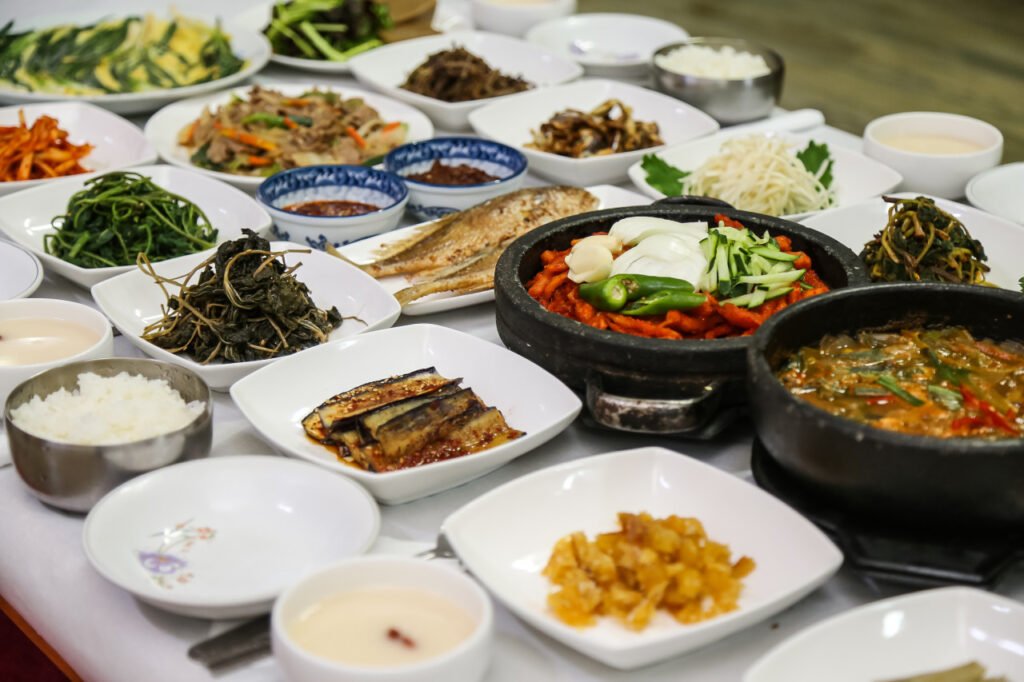
After a morning of history, walk down toward the Haeinsa entrance village for a traditional Sanchae-jeongsik (Mountain Vegetable Set Meal). This is where you get to taste the literal bounty of the mountains. You’ll be served dozens of small plates featuring seasoned wild greens, mushrooms, and roots, many of which are only found in this region. This style of eating is deeply connected to the magic of temple food, emphasizing balance, health, and respect for nature. It’s the perfect, light-yet-filling fuel for our next stop in Daegu.
Afternoon: The Kansong Daegu Museum
From Haeinsa, a 70-80 minute drive via the Gwangju-Daegu Expressway brings us to the Daegu Kansong Art Museum. If Haeinsa represents Korea’s spiritual archives, this museum represents its artistic soul. The museum is dedicated to the legacy of Kansong Jeon Hyeong-pil (1906-1962), a hero who used his entire family fortune to buy back Korean treasures from Japanese collectors during the colonial period. He didn’t just collect art; he saved the nation’s identity.
The crown jewel here is the Hunminjeongeum Haerye (National Treasure No. 70), the original manuscript explaining the principles behind Hangeul. Kansong reportedly slept with this book under his pillow during the Korean War to protect it. You will also see Shin Yun-bok’s Portrait of a Beauty and exquisite Goryeo Celadon. As of December 2025, the museum is a “hot place” for its modern, minimalist architecture and beautiful inner courtyards. Since year-end exhibitions are popular, I strongly suggest booking your tickets in advance on their official site.
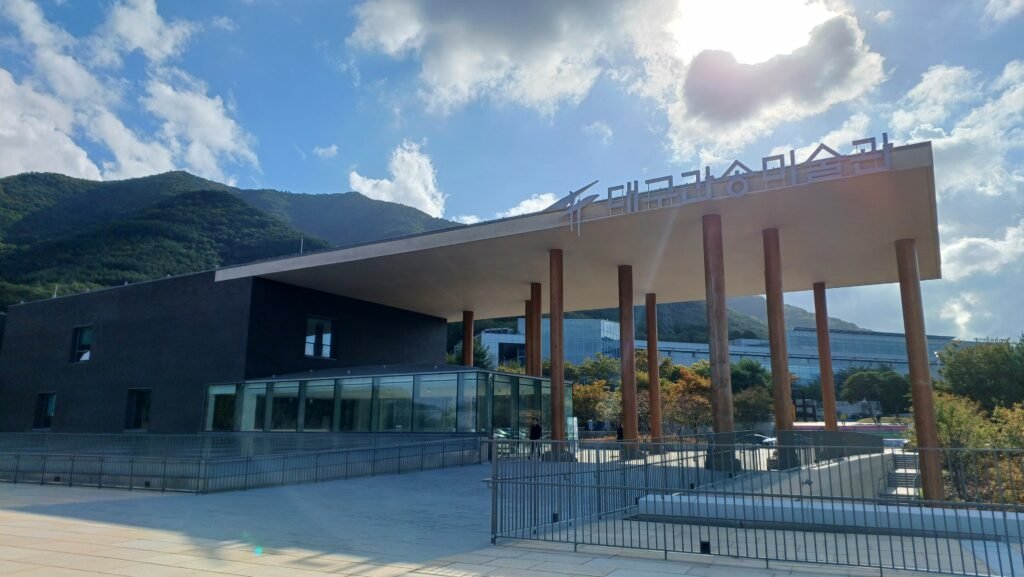
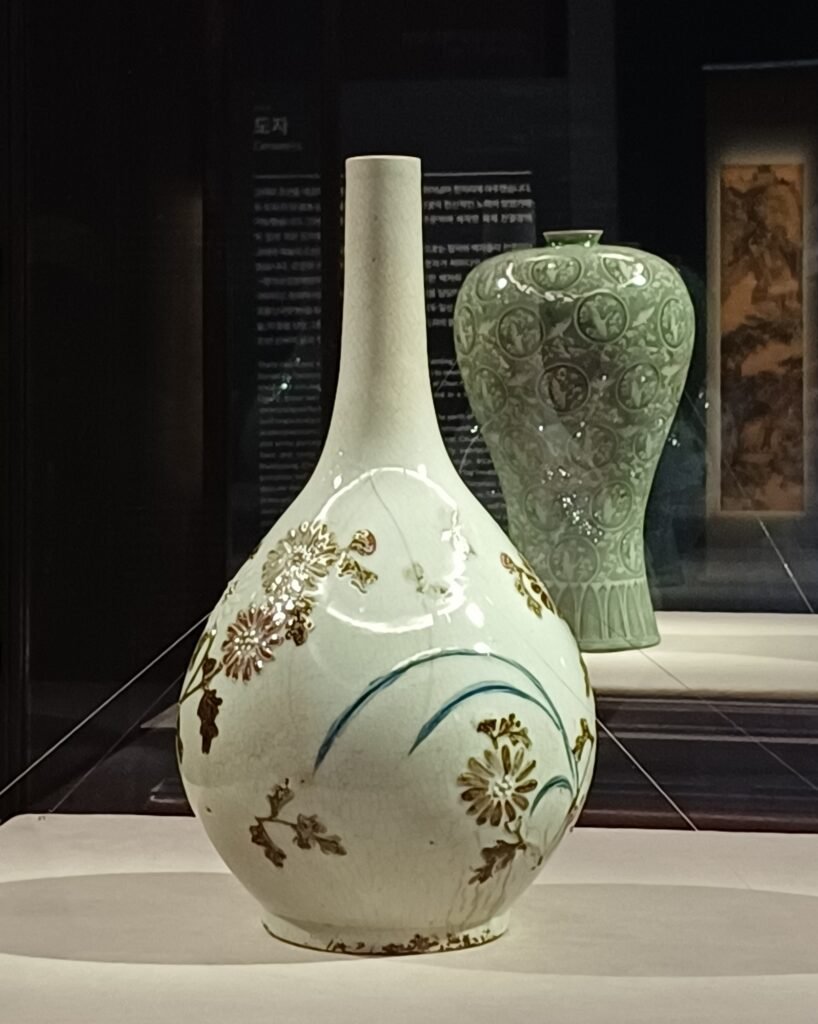
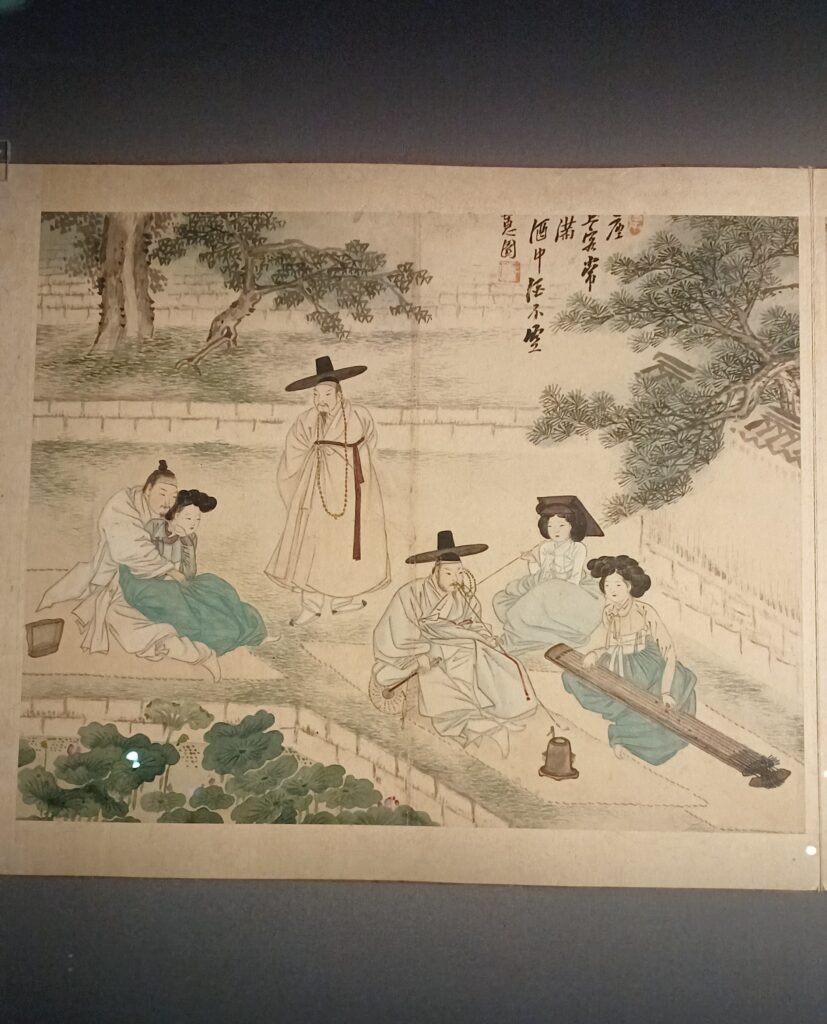
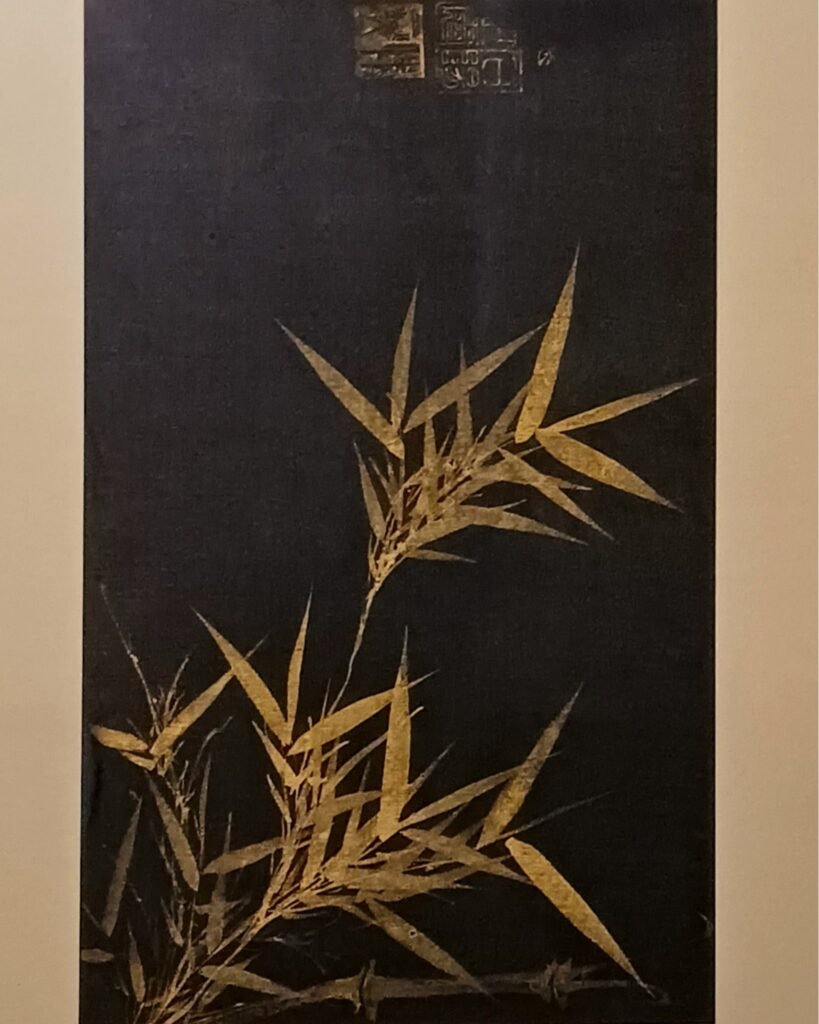
📌 Local Note: The museum’s exterior is a masterpiece in itself. The way the light hits the courtyards in late December makes it a favorite spot for photographers. Ensure you check the winter closing times before heading over!
- Address: 70 Misulgwan-ro, Suseong-gu, Daegu
- Website: kansong.org (Check the Daegu Branch section)
- Major Works: Hunminjeongeum Haerye, Portrait of a Beauty, Celadon Prunus Vase
Evening: Sunset and Lights at Suseong Lake
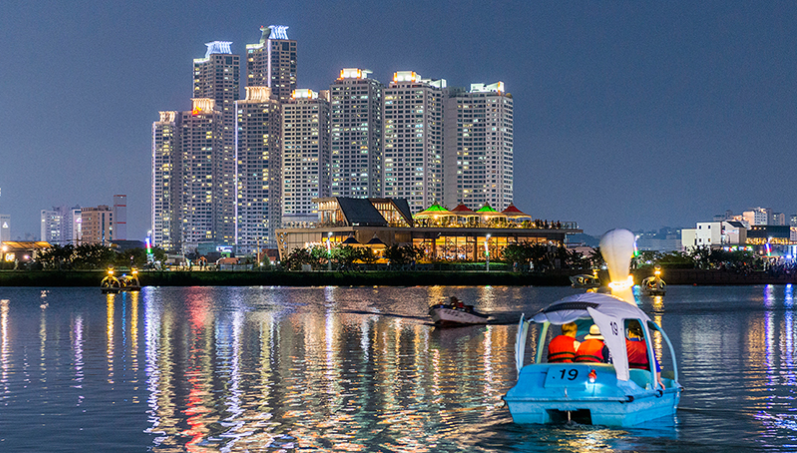
To wrap up this culturally rich day, drive 15 minutes to Suseong Lake (Suseongmot). This is one of Daegu’s most iconic leisure spots and a frequent filming location for K-dramas. In December, the lake comes alive with the Suseong Light Festival, featuring stunning LED installations that reflect off the water. The surrounding area is packed with high-end cafes and restaurants where you can enjoy dinner with a view.
For dinner, I suggest trying Daegu’s famous Makchang (grilled entrails) or visiting one of the modern fusion restaurants overlooking the lake. The vibrant night view and the crisp winter air create a perfect atmosphere to discuss the day’s discoveries. Address: Suseong-gu, Daegu (Navigate to ‘Suseongmot’ or 725, Dusan-dong)
Logistics: How to Navigate This Cultural Route
Executing this itinerary requires a bit of planning. I recommend starting your day at Haeinsa no later than 9:30 AM to beat the crowds and have enough time for the drive to Daegu. If you find yourself deeply moved by the atmosphere at the temple, you might consider returning another time for a Templestay Korea experience to truly immerse yourself in monastic life.
For transportation, renting a car is the most convenient way to travel between Hapcheon and Daegu. However, if you are using public transit, take an intercity bus from Daegu’s Seobu Bus Terminal to Haeinsa. Within Daegu, taxis or ride-sharing apps like Kakao T are the most efficient ways to get from the museum to Suseong Lake. This journey through wood, ink, and light is more than just a tour; it’s a way to witness how Korea has fiercely protected its soul through the centuries.
Korean Culture portal KCulture.com
Join the mailing service and add to your favorites.

Founder of Kculture.com and MA in Political Science. He shares deep academic and local insights to provide an authentic perspective on Korean history and society.
🇰🇷 Essential Seoul Travel Kit
- ✈️ Flights: Find Cheap Flights to Seoul
- 🏨 Stay: Top Rated Hotels in Seoul
- 🎟️ Tours: Best Activities & K-Pop Tours