
There is an old Korean saying: “Paper lasts a thousand years, while silk lasts five hundred” (지천년 견오백, Ji-cheon-nyeon Gyeon-o-baek). As a local living in Korea, I often see tourists marvel at the colorful paper crafts in souvenir shops, but few realize that what they are looking at is a marvel of ancient chemistry and engineering. Hanji (한지) is not just paper; it is a breathable, pH-neutral material made from the inner bark of the paper mulberry tree, capable of surviving for over a millennium. While paper was invented in China, it was perfected in Korea through unique techniques that are now being recognized by the Louvre and the Vatican.
In this deep dive, we will explore the science behind Hanji’s durability, how it differs from its neighbors’ paper, meet the National Living Treasures keeping the art alive, and guide you to the best spots in Korea where you can make it yourself.
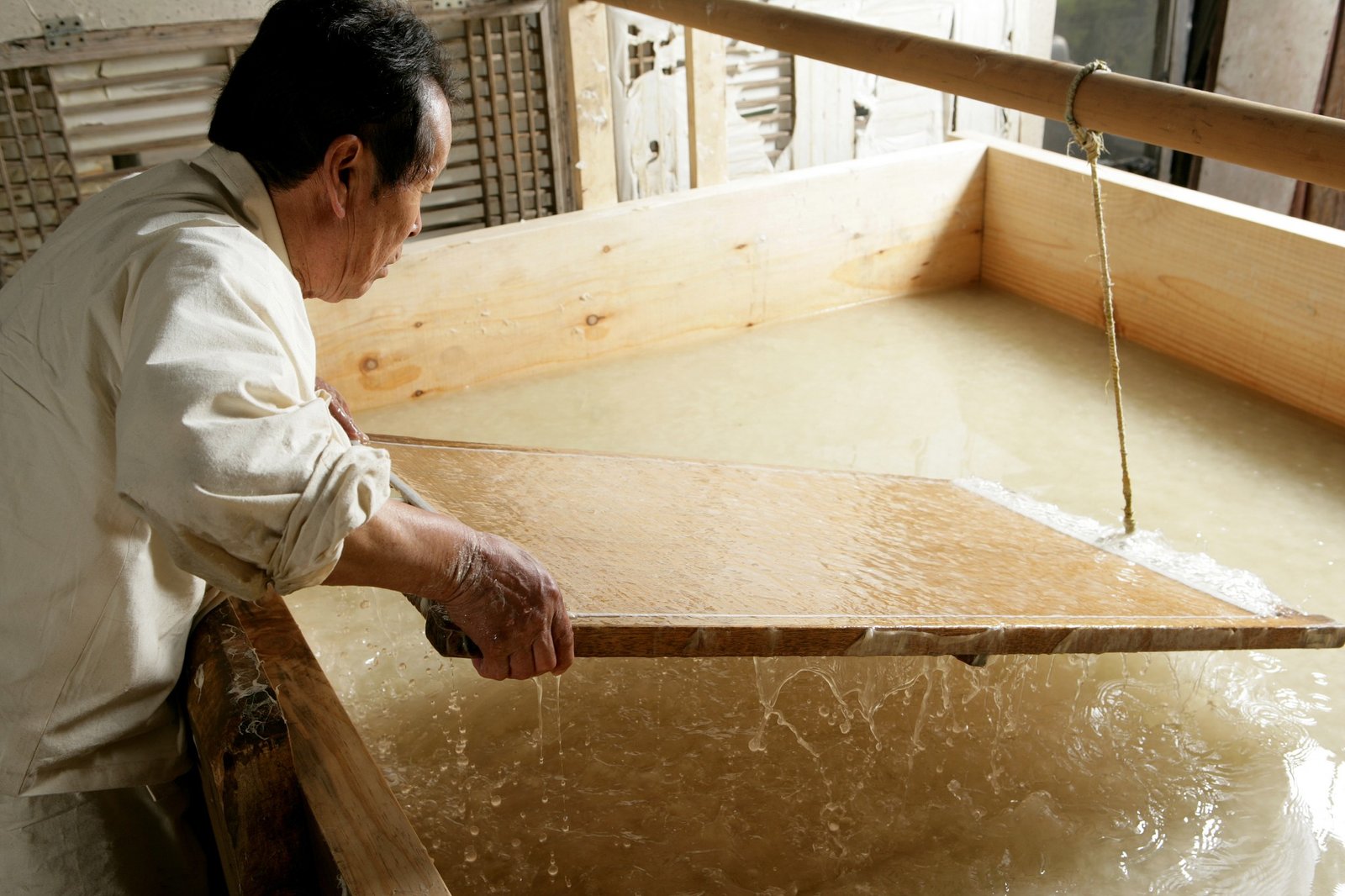
- Hanji vs. Xuan and Washi: The Secret of the Cross-Stitch
- The Science of Strength: Oebal-tteugi and Dochim
- Historical Evidence: The Paper That Outlived Empires
- Global Renaissance: Why Museums Choose Hanji
- Modern Evolution: From Speakers to Vegan Leather
- Guardians of Tradition: National Intangible Cultural Heritage
- Traveler’s Guide: Where to Experience Hanji Making
Hanji vs. Xuan and Washi: The Secret of the Cross-Stitch
To understand the value of Hanji, we must compare it with its East Asian counterparts: Chinese Xuan paper (Seonji) and Japanese Washi (Hwaji). The difference isn’t just in the material, but in the structural integrity of the fibers.
| Feature | Korean Hanji (한지) | Chinese Xuan (선지) | Japanese Washi (화지) |
|---|---|---|---|
| Core Material | Paper Mulberry (Dak) inner bark | Bamboo, Rice straw, Blue sandalwood | Mulberry (Kozo), Mitsumata, Gampi |
| Weaving Method | Oebal-tteugi (Flowing/Single-mold) | Ssangbal-tteugi (Trapped/Double-mold) | Ssangbal-tteugi (Trapped/Double-mold) |
| Fiber Structure | Intertwined Cross (井) shape | Short, scattered fibers | Parallel, one-directional alignment |
| Durability | Extremely high (Tear-resistant) | Weak (Good for ink spread) | Moderate (Tears easily in one direction) |
| Life Span | 1,000+ Years (Neutral pH) | Rapid oxidation depending on mix | High, but sensitive to humidity |
From Bark to Paper: The “Baekji” (99 Steps) Process
Koreans sometimes refer to Hanji as Baekji (백지, Hundred Paper). This name reflects the labor-intensive reality that a paper maker must touch the paper 99 times during the manufacturing process, and the user touches it for the 100th time to complete it. Here is the grueling journey from tree to sheet that defines Hanji’s quality:
- 1. Harvesting & Steaming (Dak-muji): Between November and February, when the fibers are toughest, one-year-old mulberry trees are harvested. They are steamed in a large cauldron so the bark can be peeled off.
- 2. Boiling in Natural Lye: The white inner bark (Baek-dak) is boiled in lye made from buckwheat stalks or soybean stems. This natural alkali is the key to Hanji’s longevity, as it removes impurities without the harsh acidity of modern chemical bleaches.
- 3. Bleaching & Beating (Godhae): The boiled bark is washed in running stream water and bleached naturally by sunlight. It is then placed on a stone and beaten by hand (or machine) to crush the fibers without cutting them, preserving their length and strength.
- 4. Mixing with ‘Dakpul’: The crushed fibers are put into a water tank and mixed with the sticky mucilage from the Sunset Hibiscus root (Dakpul). This slime prevents the fibers from tangling instantly and helps them stay suspended in the water, which is crucial for the sheet formation.
- 5. Sheet Formation (Muljil): The master dips a bamboo screen into the mixture to scoop the fibers. This leads to the most critical technique, “Oebal-tteugi,” which we will explore below.
The video below shows the entire Hanji manufacturing process. Although some steps have been modernized, the core process remains the same.
The Science of Strength: Oebal-tteugi and Dochim
The unrivaled durability of Hanji comes from two processes that are distinct to Korean papermaking tradition.
1. Oebal-tteugi (Flowing Water Method)
Unlike the “trapped water” method (Ssangbal-tteugi) used in Japan and China, where water is held in the mold to settle the fibers, Korean artisans use Oebal-tteugi. The artisan dips the mold into the water and rhythmically shakes it front-to-back and side-to-side, allowing the water to flow out. This dynamic motion forces the long mulberry fibers to crisscross and tangle in a “井” (hashtag) pattern. This multi-directional weaving means Hanji does not have a “grain” that tears easily, making it incredibly tough. The video below provides a detailed look at the Oebal-tteugi technique.
2. Dochim (Pounding)
This is the final touch found only in Korea. Dried sheets of paper are stacked and rhythmically pounded with a heavy wooden mallet or a treadmill-like tool. This process, called Dochim, compresses the fibers to increase density, removes surface fuzz, and creates a smooth, glossy texture. It ensures the paper is not just strong, but also exquisite to the touch.
Historical Evidence: The Paper That Outlived Empires
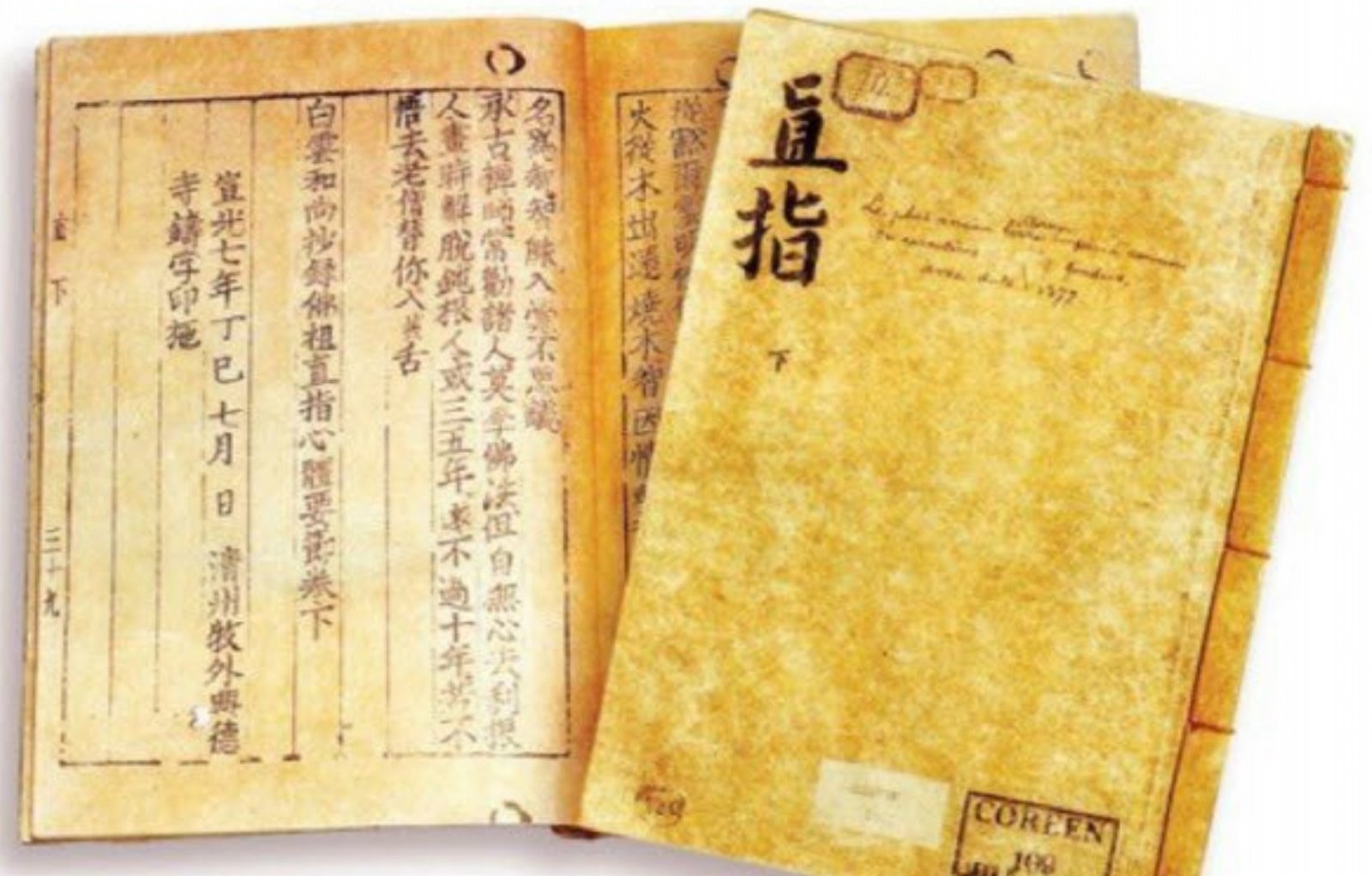
The claim of lasting a millennium is backed by tangible history. The Mugujeonggwang Daedarani-gyeong (무구정광대다라니경), discovered in Gyeongju, is the world’s oldest surviving woodblock print (circa 751 AD). While the stone pagoda that held it weathered away, the Hanji document inside remained intact for over 1,200 years.
It was Korea’s outstanding hanji-making technology that enabled the country to become a nation of records. To learn more about Korea’s documentary heritage, read ‘The DNA of Recording: Korea’s Incredible UNESCO Documentary Heritage‘.
Historically, China acknowledged this superiority:
- Su Dongpo (Song Dynasty Poet): Praised Goryeo paper, stating it was “white and tough as silk.”
- Gobanyeosa (Ming Dynasty Record): Noted that “Goryeo paper is as tough as silkworm cocoon cotton… it does not wrinkle and is very precious.”
Scientifically, this is because Hanji is a Neutral pH paper. Modern paper uses acidic chemicals that cause yellowing (acid hydrolysis) within a century. Hanji uses natural lye (from buckwheat or soybean stalks) during boiling, creating an alkaline environment (pH 7.0+) that prevents the paper from “rusting” over time.
Global Renaissance: Why Museums Choose Hanji
In the world of art conservation, Japanese Washi was long the standard. However, that tide is turning as European institutions realize the chemical stability of Hanji.
The Louvre Museum (France): When restoring the desk of King Maximilian II of Bavaria, curators found that Japanese Washi lacked dimensional stability—it expanded and contracted with the adhesive. They switched to Jeonju Hanji, which provided the perfect strength and stability without altering the artifact’s original form.
Similarly, the Vatican Museums used Hanji to restore the Chartula (1224), a prayer handwritten by Saint Francis of Assisi. The Italian institute ICPAL certified Hanji as a “third cultural heritage restoration paper,” citing that it reinforces artifacts without damaging the original material due to its breathability and lack of acidity.
Modern Evolution: From Speakers to Vegan Leather
Hanji is not stuck in the past. It is evolving into a high-tech industrial material:
- Audiophile Sound: Due to its irregular fiber density, Hanji speaker cones reduce resonance and distortion, delivering a sound that is clearer and more natural than synthetic materials.
- Vegan Leather: By processing the tough bark of the mulberry tree, companies have developed plant-based leather that is durable, lightweight, and eco-friendly.
- Hanji Yarn (Fashion): The paper is slit and twisted into yarn to make clothing. It absorbs sweat and dries faster than cotton, and has natural deodorizing properties, making it popular for golf wear and socks.
Guardians of Tradition: National Intangible Cultural Heritage
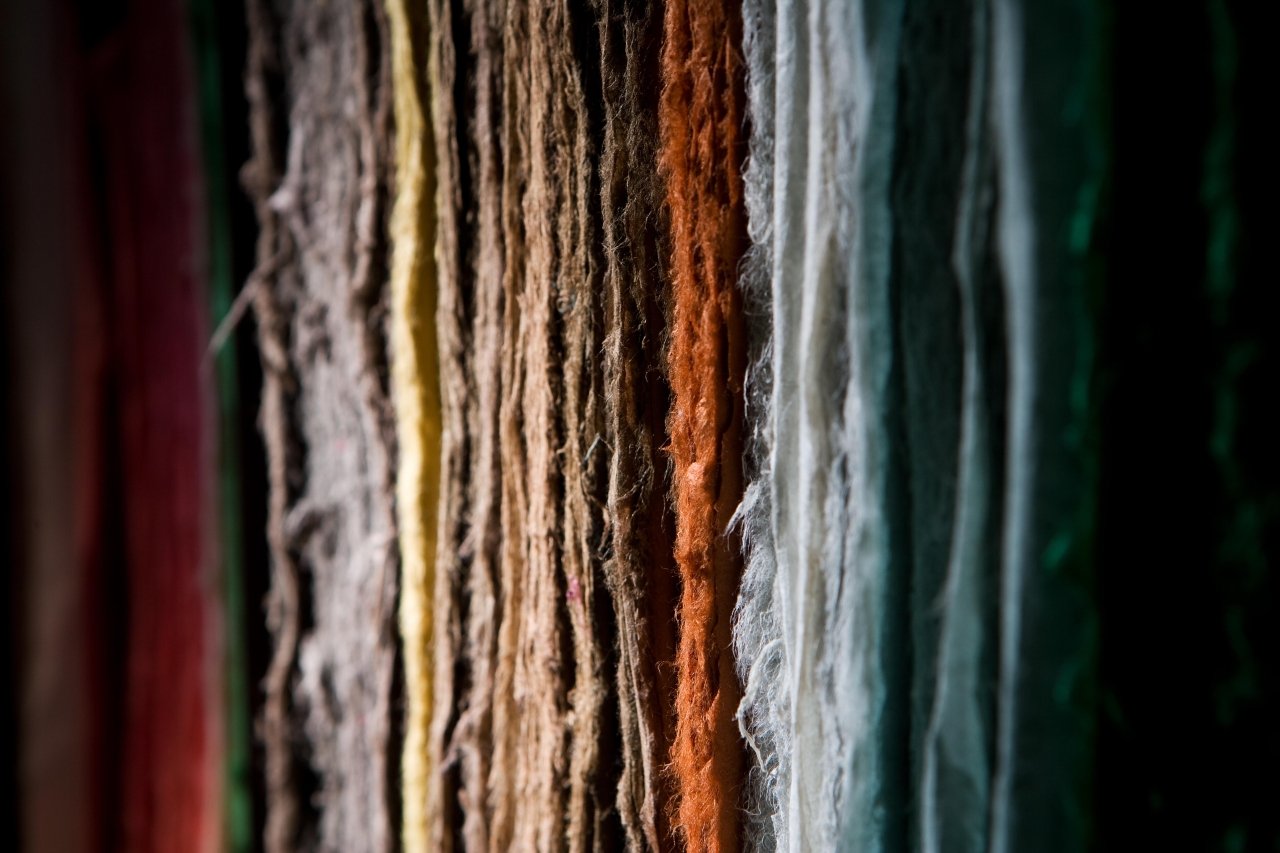
To preserve this intricate craft, the Korean government designates masters as “National Intangible Cultural Heritage” (Holder of Hanji Making, Item No. 117). If you wish to understand the soul of Hanji, you must know these names.
1. Kim Sam-sik (Mungyeong Hanji)
Designated as a National Intangible Cultural Heritage holder, Master Kim has dedicated his life to the traditional “Oebal-tteugi” method. Operating in Mungyeong, Gyeongsangbuk-do, he is famous for maintaining the purest traditional processes, refusing to compromise with modern shortcuts. His paper is often the first choice for replicating ancient texts.
2. Ahn Chi-yong (Sinhyeon-gyeong Hanji)
Based in Goesan, Chungcheongbuk-do, Master Ahn is also a National Intangible Cultural Heritage holder. He is known for his innovation within tradition, having developed colored Hanji and three-dimensional patterned papers. He also runs a museum to educate the public on the versatility of the material.
3. Shin Hyeon-se (Uiryeong Hanji)
A National Intangible Cultural Heritage holder from Uiryeong, Gyeongsangnam-do, Master Shin specializes in thick, durable flooring papers and traditional calligraphy paper. His work emphasizes the rugged, enduring nature of the material used in traditional Korean architecture.
Traveler’s Guide: Where to Experience Hanji Making
Reading about Hanji is one thing; feeling the wet fibers transform into a sturdy sheet in your hands is another. Here are the best places in Korea to experience Hanji.
[Image of tourists experiencing Hanji making at a traditional workshop]
1. Jeonju Hanji Museum (Jeonju)
Jeonju Hanji Museum is located in the UNESCO City of Gastronomy, this is perhaps the most accessible location for travelers.
- What to expect: A comprehensive museum showcasing the history of paper.
- Experience: You can try the Hanji-making process yourself for free. They also offer paid classes for making Hanji crafts like trays or lamps.
- Local Tip: Visit the nearby Korea Traditional Culture Center to see how Hanji is being applied to modern industrial designs.
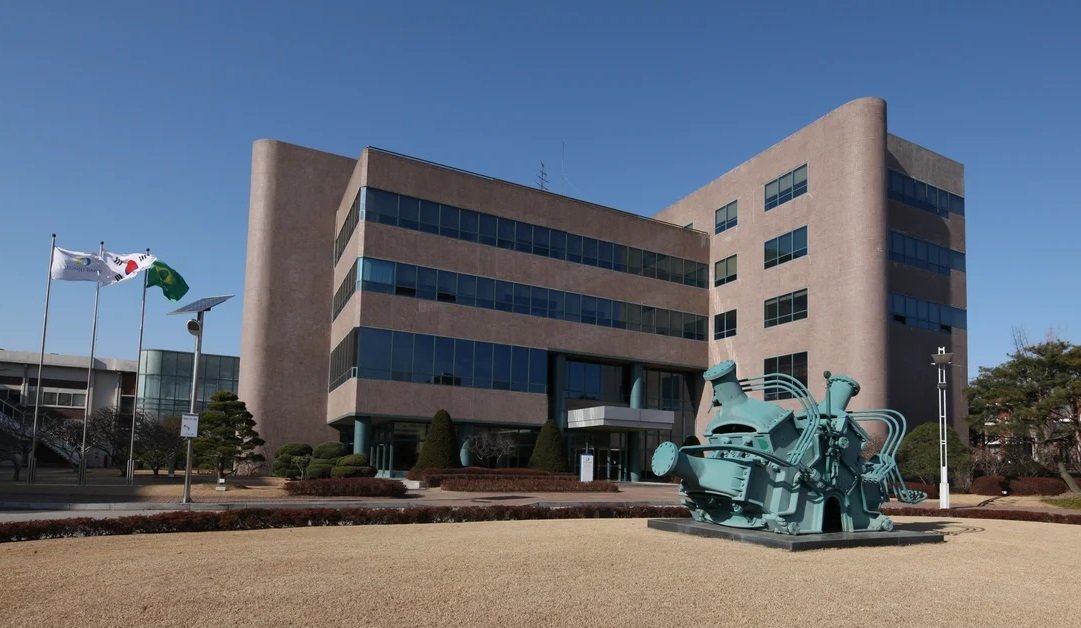
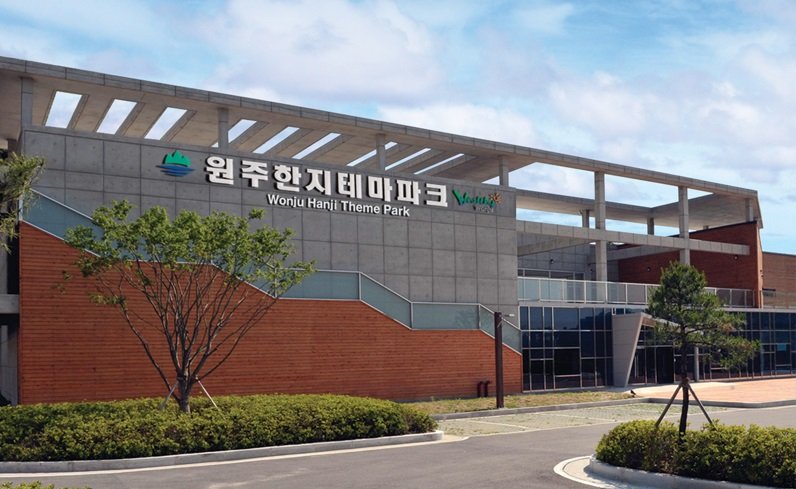
2. Wonju Hanji Theme Park (Wonju)
Wonju is famous for the durability of its Hanji. The city hosts the annual Wonju Hanji Festival (usually in autumn).
- What to expect: Wonju Hanji Theme Park is a large cultural complex dedicated entirely to paper art.
- Experience: They have high-quality workshops where you can make color Hanji, pencil cases, and dolls. The outdoor park illuminated by Hanji lanterns at night is spectacular.
3. Andong Hanji (Andong)
Andong is the spiritual capital of Korea and a hub for Confucian culture. Andong Hanji is a Hanji factory.
- What to expect: A working factory environment where you can see the mass production of high-quality calligraphy paper alongside traditional methods.
- Experience: It is excellent for buying high-quality paper in bulk. You can tour the factory floor to see the steaming of the Dak wood and the peeling of the bark (process availability depends on the season).
Korean Culture portal KCulture.com

Founder of Kculture.com and MA in Political Science. He shares deep academic and local insights to provide an authentic perspective on Korean history and society.