If you have ever stepped into a Seoul subway station on a Saturday morning, you have likely seen them: groups of vibrant hikers decked out in high-end gear, carrying backpacks ready for an expedition. In Korea, hiking is more than a hobby—it is a national pastime and a deeply ingrained cultural phenomenon. For a traveler, however, navigating Korea’s rugged terrain and its strict reservation systems can be daunting. As a local expert, I have crafted this Hiking in Korea: The Essential Guide for Foreign Travelers to ensure you experience the “real” Korea without the logistical headaches.
- Understanding Korean Mountain Culture: The Social Fabric
- The Top 20 Mountains: A Deep Dive into Korea’s Peaks
- Seasonal Treks: Top 5 for Spring, Summer, Autumn, Winter
- Foreigner Reservation Guide: Shelters and Hallasan
- Essential Gear and Safety Checklists
- The Shelter Culture: Essential Survival Tips
- Logistics: Seoul Peaks vs. National Parks
Understanding Korean Mountain Culture: The Social Fabric
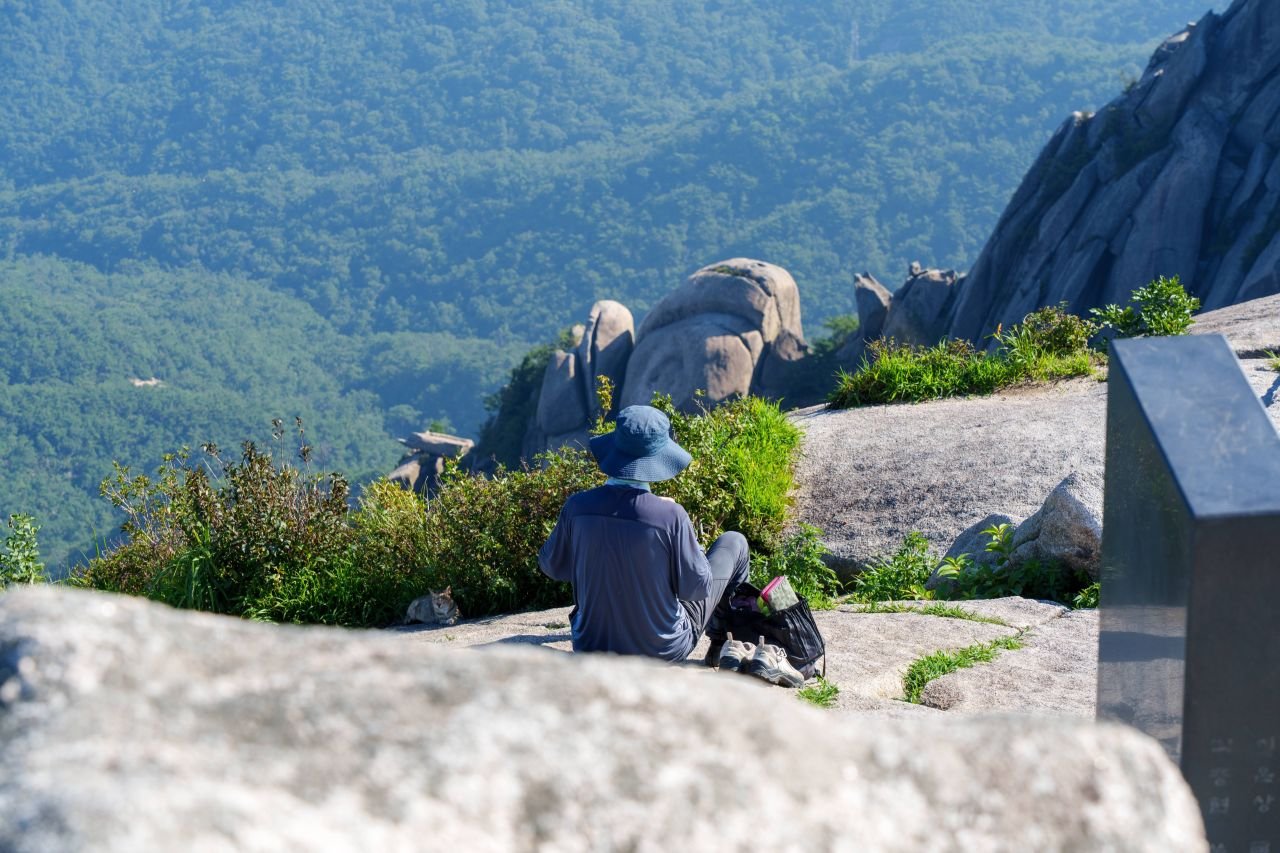
To understand the Korean soul, you must look to the mountains. Over 70% of the peninsula is mountainous. Hiking here is centered around Dongho-hoe (clubs), where community is as important as the climb. It is common to see groups sharing elaborate picnics of kimbap and makgeolli at the summit.
Culturally, there is a distinction between “Casual Recreation” and “Serious Mountaineering.” Casual hikers frequent mountains like Cheonggyesan (popularly dubbed “Cheong-rini” for beginners), while pros tackle the “Jong-ju” (long-distance ridge traverses) of Seoraksan or Jirisan. Be prepared for the “Stone Stairs”—Korean trails are often vertically demanding with thousands of granite steps rather than gradual switchbacks.
The Top 20 Mountains: A Deep Dive into Korea’s Peaks
Here are the 20 most visited mountains in Korea, updated to reflect the latest trends and accessibility factors.
| Mountain | Annual Visitors | Local Insight & Characteristics |
|---|---|---|
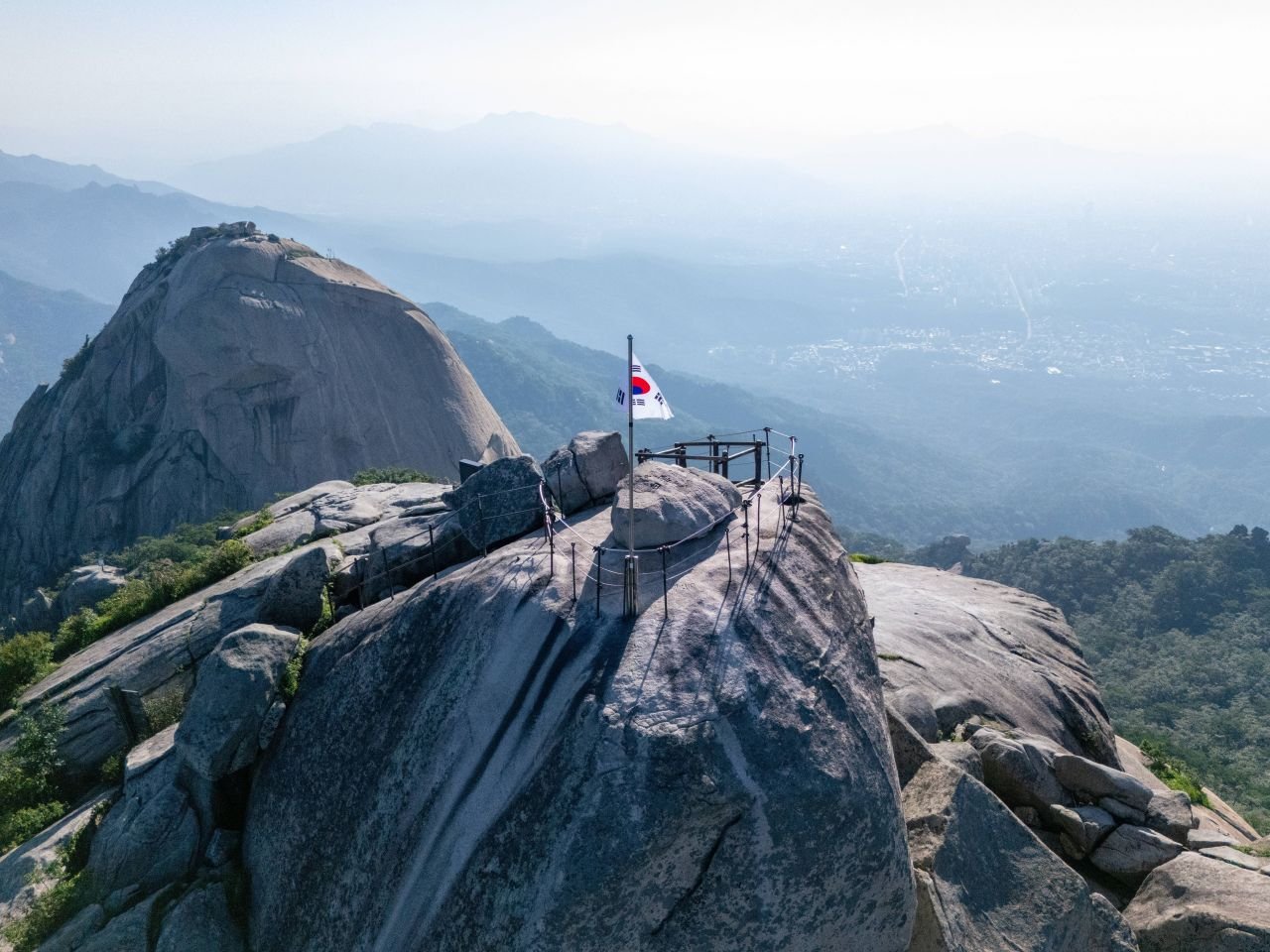
| Bukhansan | 7 Million | A Guinness World Record holder for most visitors. Accessible via Seoul Subway. Features the iconic Baegundae peak. |
| Gwanaksan | 1-7 Million | The heart of southern Seoul. Known for rocky ridges and the Yeonjudae hermitage perched on a cliff. |
| Gyeongju (Nam/Tohamsan) | 3.85 Million | A “Museum without Walls.” Trails are scattered with ancient Buddhist pagodas and carvings. |
| Jirisan | 3.75 Million | The “Mother Mountain.” The highest on the mainland. Famous for its ridge that takes 2-3 days to traverse. |
| Mudeungsan | 3.4 Million | Located in Gwangju. Famous for its massive hexagonal stone columns (Seoseokdae) formed by volcanic activity. |
| Seoraksan | 3.2 Million | The most beautiful mountain in Korea. Known for sharp granite peaks like Ulsanbawi and stunning autumn colors. |
| Gyeryongsan | 2.2 Million | Considered a “spiritual” mountain. Features gentle slopes and the famous Gapsa and Donghaksa temples. |
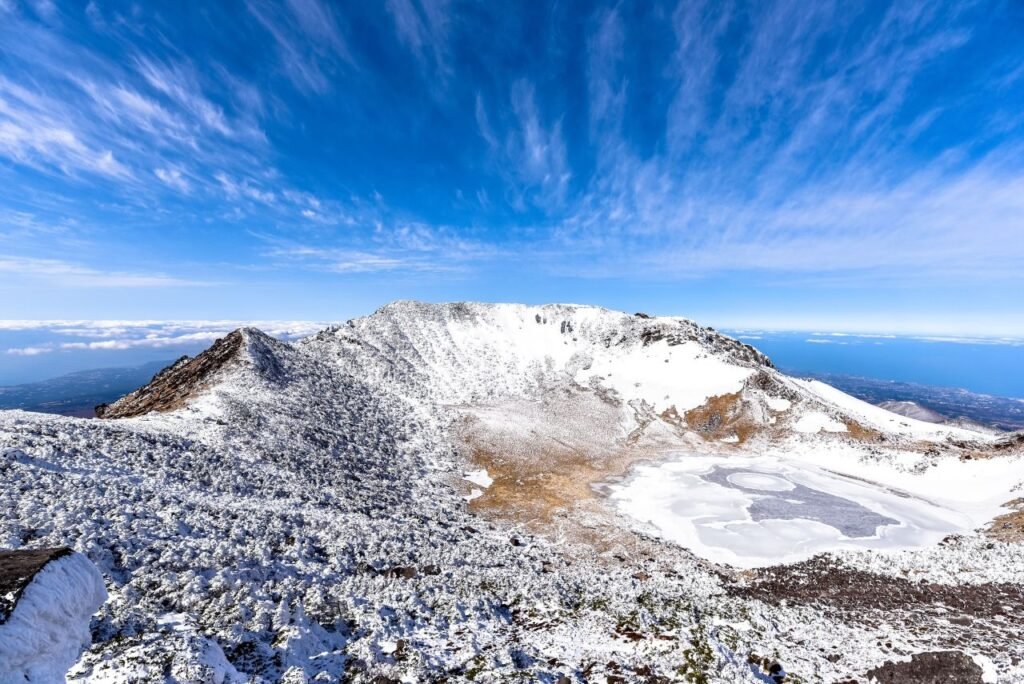
| Hallasan | 1.9 Million | Jeju’s landmark. A shield volcano with a crater lake (Baeknokdam). Reservation is strictly mandatory. |
| Odaesan | 1.65 Million | Famous for its Woljeongsa fir tree forest path. The terrain is relatively flat, making it a “gentle” giant. |
| Songnisan | 1.45 Million | Home to Beopjusa Temple. The Munjangdae peak offers a 360-degree view of the “folded” mountain ranges. |
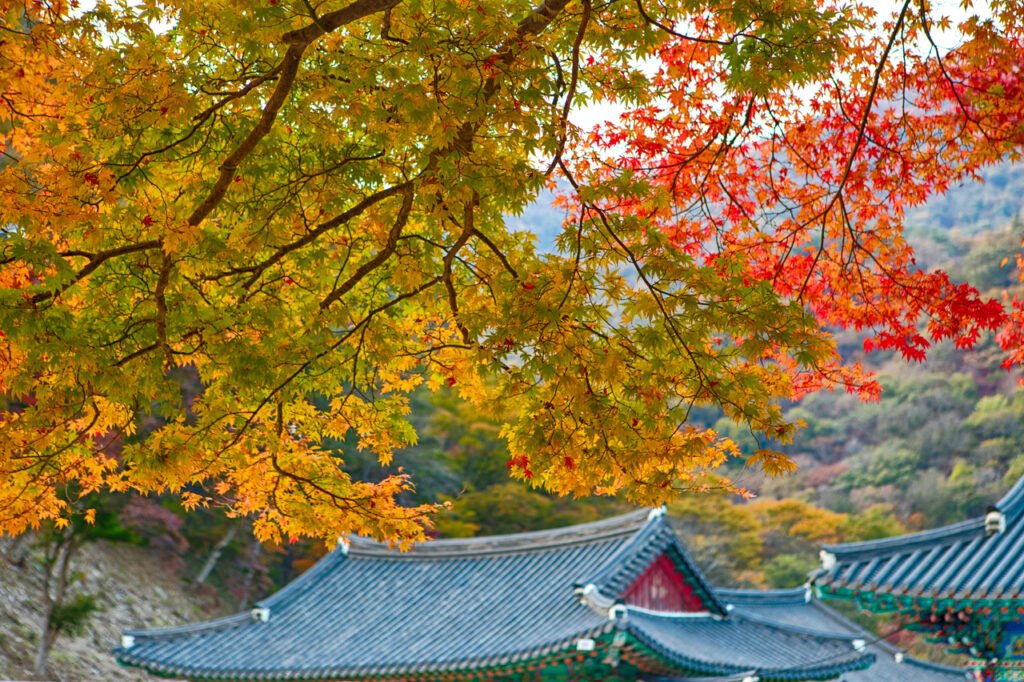
| Naejangsan | 1.3 Million | The holy grail of autumn foliage. The tunnel of maple trees is world-famous. |
| Deogyusan | 1.2 Million | Known for its “Snow Flowers.” A gondola from Muju Resort takes you near the summit, making it accessible for all. |
| Sobaeksan | 1 Million | Famous for its “Blade Wind” in winter and royal azaleas in spring. The ridge line feels like a vast prairie. |
| Chiaksan | 900,000 | A notoriously steep and “breathtaking” climb. Famous for the three stone pagodas at Birobong peak. |
| Woraksan | 800,000 | Features a dramatic vertical cliff peak looking down at the emerald waters of Chungjuho Lake. |
| Juwangsan | 750,000 | Known for deep valleys, unique rock faces, and the mystical Jusanji pond nearby. |
| Gayasan | 650,000 | Home to the Tripitaka Koreana at Haeinsa Temple. The mountain represents a mix of dharma and nature. |
| Taebaeksan | 600,000 | A holy mountain where ancient kings performed rituals. It is a soft, snowy mountain perfect for winter. |
| Cheonggyesan | (High) | The “Gateway” for Seoul beginners. Known for its wooden stairs and popularity among young “hiking-crews.” |
| Wolchulsan | 500,000 | The “Geumgang of the South.” Features a bright orange suspension bridge high between two peaks. |
Seasonal Treks: Top 5 for Spring, Summer, Autumn, Winter
🌸 Spring: Best for Blooms (April–May)
- Sobaeksan: The vast ridges are covered in pink royal azaleas, creating a “garden in the sky.”
- Gyeryongsan: The entrance is a tunnel of cherry blossoms, making the start of the hike magical.
- Hallasan: In May, the volcanic slopes are painted pink with azaleas against the blue Jeju sky.
- Jirisan: The Seseok Plain is legendary for its field of wild spring flowers and royal azaleas.
- Gayasan: The walk along the temple streams in spring is incredibly refreshing with new greenery.
☀️ Summer: For Cool Valleys and Shade
- Jirisan: Baemsagol Valley is 14km of clear pools and waterfalls that stay ice-cold all summer.
- Seoraksan: Cheonbuldong Valley offers a majestic rocky corridor with rushing water.
- Odaesan: The dense canopy of ancient fir trees provides a natural “cooling tunnel.”
- Gyeryongsan: Sutonggol Valley is the perfect spot for a post-hike dip for your feet.
- Woraksan: Songgye Valley is famous for its clean, refreshing water and scenic views.
🍂 Autumn: Crimson Leaves and Golden Ridges
- Naejangsan: Widely considered the best autumn mountain in Korea. The “Maple Tunnel” features small, five-pointed leaves known for their intense red color.
- Seoraksan: The first mountain to turn red in Korea. The combination of gray granite rocks and crimson maples creates a stunning natural painting.
- Juwangsan: The deep canyons and waterfalls are framed by golden oaks and red maples, with the foliage reflecting beautifully in the valley streams.
- Gayasan: Famous for the “Hongryudong Valley,” where the name literally means “the stream where the water turns red from the reflection of maples.”
- Bukhansan: You don’t need to leave Seoul for autumn beauty. The view of the city framed by fiery red maples from Baegundae peak is legendary.
❄️ Winter: For Snow Flowers and Hoarfrost
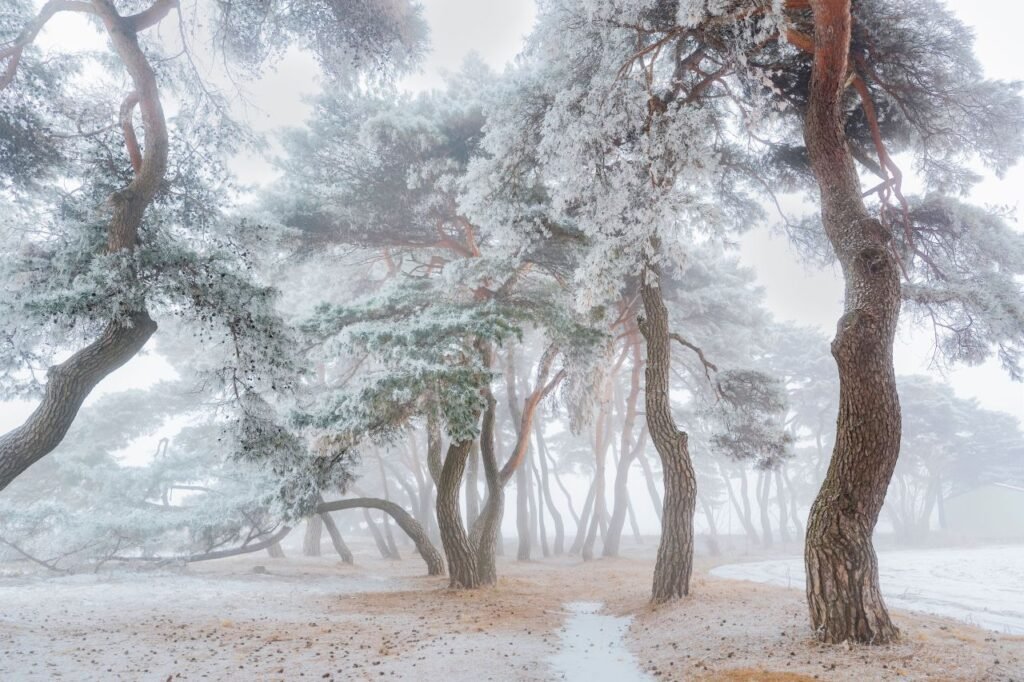
- Deogyusan: The gondola allows you to see the spectacular hoarfrost (Sang-go-dae) without a grueling climb.
- Taebaeksan: The wide, gentle slopes make it the safest choice for enjoying heavy snow.
- Sobaeksan: The “white ridge” and fierce winter winds offer an otherworldly experience.
- Hallasan: Climbing Jeju’s volcano in the snow is a bucket-list item. Crampons are absolute.
- Seoraksan: For the experienced hiker, the snowy Ulsanbawi is a masterpiece of rock and ice.
Foreigner Reservation Guide: Shelters and Hallasan
Do not risk a long trip only to be turned away. Here is how to navigate the systems as a foreigner.
1. National Park Shelters (Seoraksan, Jirisan, etc.)
Overnight stays are required for long traverses.
- System: KNPS Reservation Service. Toggle “ENGLISH” at the top right.
- Authentication: Unlike locals who need a Korean phone, foreigners can sign up via Email verification.
- Payment: International cards (VISA, Master) are supported.
- Identification: You must bring your Passport or Alien Registration Card (ARC) for check-in.
2. Hallasan Mountain Reservation
You cannot hike the summit (Seongpanak or Gwaneumsa trails) without a reservation. Please refer to ‘Hallasan Hiking: Essential Reservations, Route Comparison & Rules‘ for detailed information on hiking Mt. Halla.
- System: Hallasan Booking System.
- Process: No membership is required. Use Email authentication to receive your QR code entry pass.
- Limit: Up to 10 people per booking. No-shows face a 3-6 month ban.
Essential Gear and Safety Checklists
📌 Local Note: Many foreigners underestimate the humidity of Korean summers and the “blade wind” of Korean winters. Over-prepare!
Summer Hiking Checklist
- Precautions: Heatstroke and “Sonagi” (flash storms). Avoid valleys during heavy rain due to flash floods.
- Clothing: Moisture-wicking base layer, lightweight raincoat (mandatory), spare socks.
- Gear: Trekking poles (to protect knees on stone stairs), bug repellent (for ticks/bees).
- Nutrition: 1L+ of water, electrolyte salts, glucose tablets.
Winter Hiking Checklist
- Precautions: Hypothermia and short daylight. Aim to descend by 4:00 PM.
- Clothing: Layering (Base -> Fleece -> Down -> Shell), Balaclava, thermal gloves.
- Gear: Chain Crampons (essential), Long Gaiters (Spats) to keep snow out, snow baskets for poles.
- Essentials: Insulated thermos with hot tea, extra power bank (batteries die in the cold), headlamp.
The Shelter Culture: Essential Survival Tips
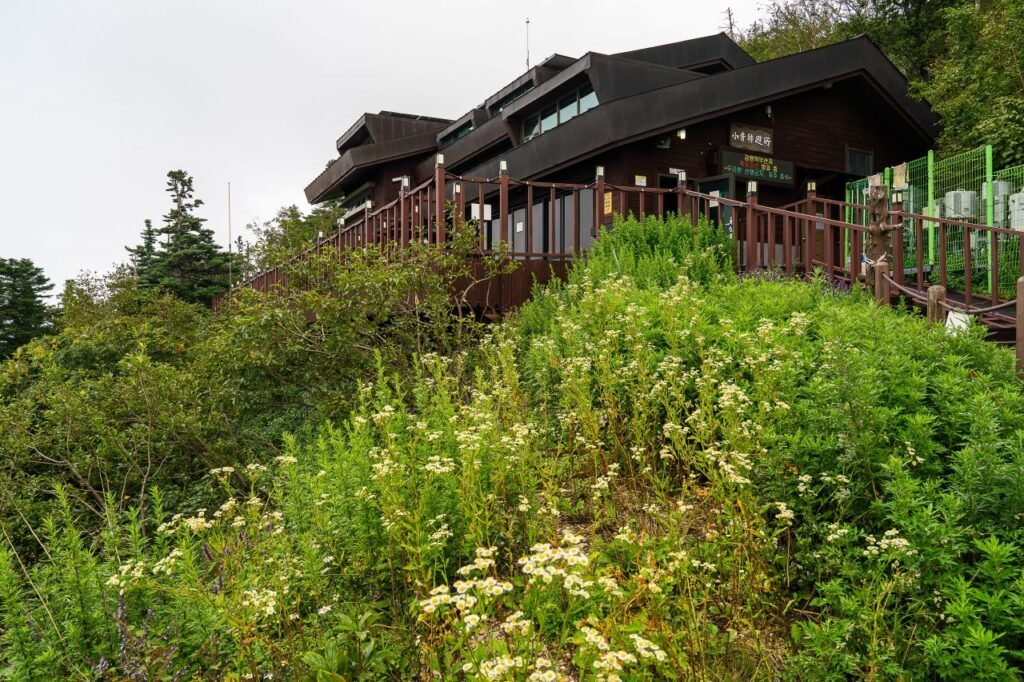
Korean shelters are “Self-Service.” They are basic stone or wood structures designed for survival, not luxury.
- Bring Bedding: Since COVID-19, blanket rentals are discontinued. You must bring your own sleeping bag or thermal blanket.
- No Trash Cans: This is critical. There are no bins in the mountains. You must carry every piece of trash back to the city.
- Cooking: You can use the cooking zone, but you must bring your own stove (Jetboil) and gas. Basic items like water and butane gas are sold at the shop, but they often run out.
Logistics: Seoul Peaks vs. National Parks
Bukhansan & Gwanaksan: These are “City Mountains.” Take the subway (Line 3 for Bukhansan, Line 2 for Gwanaksan) and you are at the trailhead. No advance planning needed. *For hiking information on mountains near Seoul, check out”The Korean Hiking : Peaks, Picnics, Makgeolli“.
National Parks (Provincial): For mountains like Seoraksan or Jirisan, take the KTX (High-Speed Rail) to the nearest hub (e.g., Jinju for Jirisan, Gangneung for Seoraksan) and then use a local taxi or bus. For Hallasan, fly to Jeju (CJU) and stay in Jeju City for a 30-minute bus ride to the Seongpanak trail.
Hiking in Korea is a transformative experience that balances physical endurance with a deep respect for nature. Whether you are seeking the sunrise on a snowy peak or a cool dip in a summer valley, the mountains of Korea are waiting. I’ll see you at the summit!
Korean Culture portal KCulture.com
Join the mailing service and add to your favorites.

Founder of Kculture.com and MA in Political Science. He shares deep academic and local insights to provide an authentic perspective on Korean history and society.