If you are planning medical tourism in 2026, you might wonder if you need to hire a certified, freelance medical interpreter. For simple and low-risk procedures, the in-house translation staff or coordinators provided by the clinics are usually sufficient. However, if you are planning to undergo complex and high-risk surgeries, securing an independent, objective interpreter is highly recommended. While major university hospitals have dedicated in-house translation staff, many smaller clinics rely on sales-focused coordinators rather than certified professionals. Hiring your own expert guarantees accurate medical communication, ensures you fully understand your legal informed consent, and protects your safety during critical procedures.
Countless foreigners arrive for world-class cosmetic, dermatological, and dental treatments. Navigating a foreign medical system can be daunting. You are putting your health and body in the hands of medical professionals who may not speak your language fluently. To help you navigate this landscape safely, I have compiled this practical guide on why you might need an independent professional, how to verify their credentials, and what to expect regarding costs in the current market.

- The Reality of Hospital Translation in Korea
- Why You Must Hire a Professional for Translating for Surgery in Korea
- The Gold Standard: Government Certification
- 2026 Cost Guide: Hiring a Medical Translator in Seoul
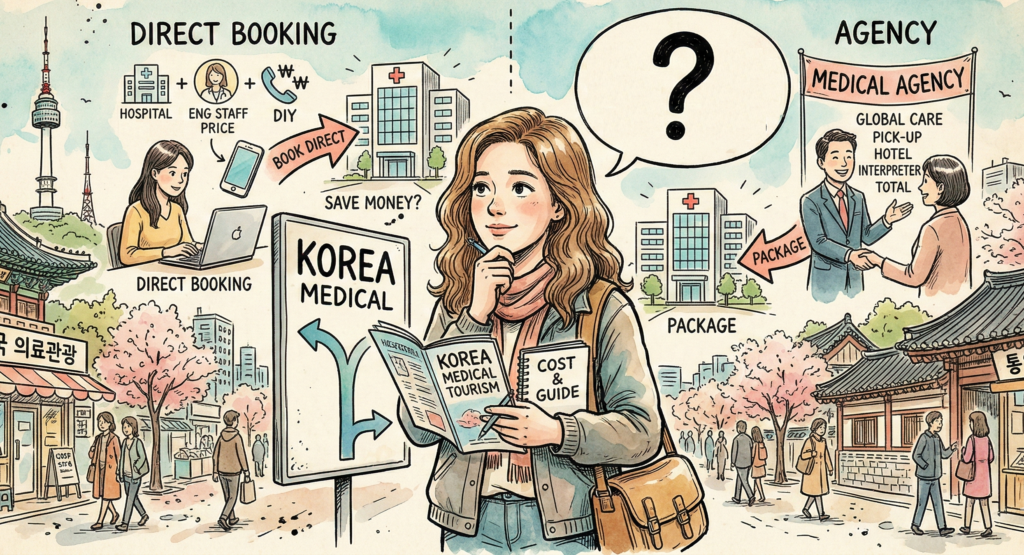
- Where to Find an English Speaking Medical Coordinator in Korea
The Reality of Hospital Translation in Korea
When searching for a clinic, understanding the difference between the types of facilities is crucial for your communication strategy.
Major General Hospitals
Large university hospitals almost always operate an International Healthcare Center (국제진료센터). These institutions employ official, full-time medical interpreters and coordinators. From your initial appointment booking to consultations and surgeries, they provide seamless and highly professional support. In these settings, you rarely need to hire an independent freelancer.
Small to Mid-Sized Private Clinics
The situation is vastly different at smaller private clinics, such as plastic surgery, dermatology, dental, or ophthalmology practices. Even if a clinic is legally registered as a medical tourism facilitator, Korean law does not mandate them to keep a certified, dedicated medical interpreter on staff at all times.
The reality is that many smaller clinics, particularly in highly competitive areas, hire general staff—like marketing managers or consultation directors—who happen to speak a foreign language. Their primary role is often sales and patient attraction, not objective medical translation. Furthermore, if the bilingual staff member has a day off, clinics might rely on temporary part-timers or even translation apps. If you want to research and verify clinics that are officially registered to treat foreign patients, you can search for verified hospitals and clinics in Korea here.
📌 Local Note: Beware of “sales coordinators” acting as translators. Because their goal is often to close a surgical deal, they might intentionally or unintentionally gloss over critical risks, potential side effects, or the realistic limitations of a procedure. You need someone on your side whose only job is absolute accuracy.
Why You Must Hire a Professional for Translating for Surgery in Korea
It is important to note that you do not need to hire an independent interpreter for every situation. For simple and low-risk procedures, the in-house staff provided by the clinic is usually sufficient. However, for complex and high-risk surgeries, relying on a bilingual friend or a general tour guide at your hospital appointment is a massive risk. In these critical situations, a certified professional offers indispensable benefits:
- Medical Accuracy and Safety: Translating for surgery in Korea requires a deep understanding of complex anatomical terms, anesthesia methods, dosage instructions, and allergy protocols. A single mistranslation by an amateur can lead to severe side effects or unwanted surgical outcomes. A professional relays the doctor’s instructions and the patient’s condition exactly as they are.
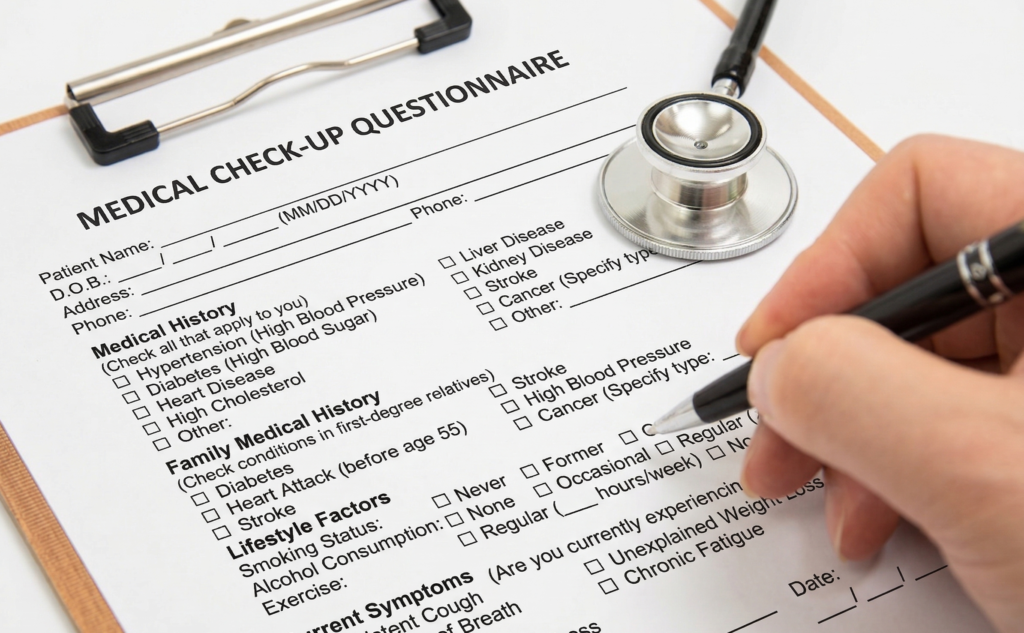
- Legal Rights and Informed Consent: Before any procedure, you must sign an Informed Consent form. This document determines legal liability in the event of medical malpractice or surgical failure. An expert interpreter translates the complex medical and legal nuances objectively, ensuring you know exactly what you are signing and protecting your legal rights.
- Strict Confidentiality: Unlike general tour guides, certified medical interpreters are strictly bound by medical ethics and privacy laws. Your sensitive health information and personal details are kept completely confidential.
The Gold Standard: Government Certification
How do you separate a reliable expert from a casual freelancer? In Korea, there is a clear, government-backed benchmark.
The Ministry of Health and Welfare (보건복지부) conducts a rigorous Medical Interpreter Competency Examination every year through the Korea Human Resource Development Institute for Health and Welfare. This certification is not just a language test. Candidates must pass a comprehensive written exam covering medical terminology, hospital systems, healthcare laws, and human anatomy, followed by a highly demanding practical oral exam simulating real hospital scenarios.
💡 Pro Tip: When interviewing a freelancer, always ask: “Are you certified by the Korean Ministry of Health and Welfare as a medical interpreter?” Always request to see their official certificate before finalizing the hire.
2026 Cost Guide: Hiring a Medical Translator in Seoul
Budgeting for your trip means knowing the current market rates. Based on the realities of the local market as of April 2026, here are the expected costs for hiring an English-speaking medical translator. Please note that prices can vary based on the interpreter’s experience level and the specific medical field.
| Service Type | Estimated Cost (KRW) | Estimated Cost (USD) | Details |
|---|---|---|---|
| Hourly Rate (Consultations/Check-ups) | 20,000 – 40,000 KRW / hour | $15 – $30 / hour | Usually requires a minimum booking of 2 to 3 hours. Best for initial consultations or simple post-op check-ups. |
| Half-Day (Up to 4 hours) | 100,000 – 150,000 KRW | $75 – $110 | Ideal for comprehensive consultations spanning multiple clinics or minor outpatient procedures. |
| Full-Day / Surgery Support (Up to 8 hours) | 200,000 – 350,000 KRW | $150 – $260 | Required for major surgeries involving general anesthesia. Additional fees may apply for high-risk procedures or if the interpreter must enter the sterile operating room. |
Note: If you require translation for languages other than English (such as Russian or Arabic), expect the market rates to be approximately 1.5 times higher due to scarcity.
Where to Find an English Speaking Medical Coordinator in Korea
Finding the right professional requires looking in the right places and asking the right questions.
- Dedicated Medical Translation Agencies: Searching online for a “medical translator Seoul” or an “English speaking medical coordinator Korea” will yield B2B and B2C agencies that specialize exclusively in healthcare. Using a specialized agency is generally the safest route as they pre-vet their staff’s certifications.
- Medical Tourism Agencies (Brokers): If you use an agency that connects you to clinics, clarify the role of the staff member accompanying you. Ask explicitly if they are a certified medical interpreter or a sales coordinator who receives commission from the clinic. You want an objective translator, not a salesperson.
- Freelance Platforms: You can find independent contractors on popular Korean freelance platforms like Kmong (크몽) or Soomgo (숨고), as well as international sites like Upwork. While you may find competitive rates here, the burden is entirely on you to meticulously verify their past medical accompaniment experience and demand proof of their government certification.
Taking control of your medical communication is the most vital step you can take for a successful trip. For further information on protecting yourself during your medical journey, I highly recommend reading our [Safety Guide] Guide to Korea Medical Tourism Insurance.
Korean Culture portal KCulture.com

The KCulture Editorial Team is dedicated to providing deep insights and accurate information about the vibrant world of Korean culture.