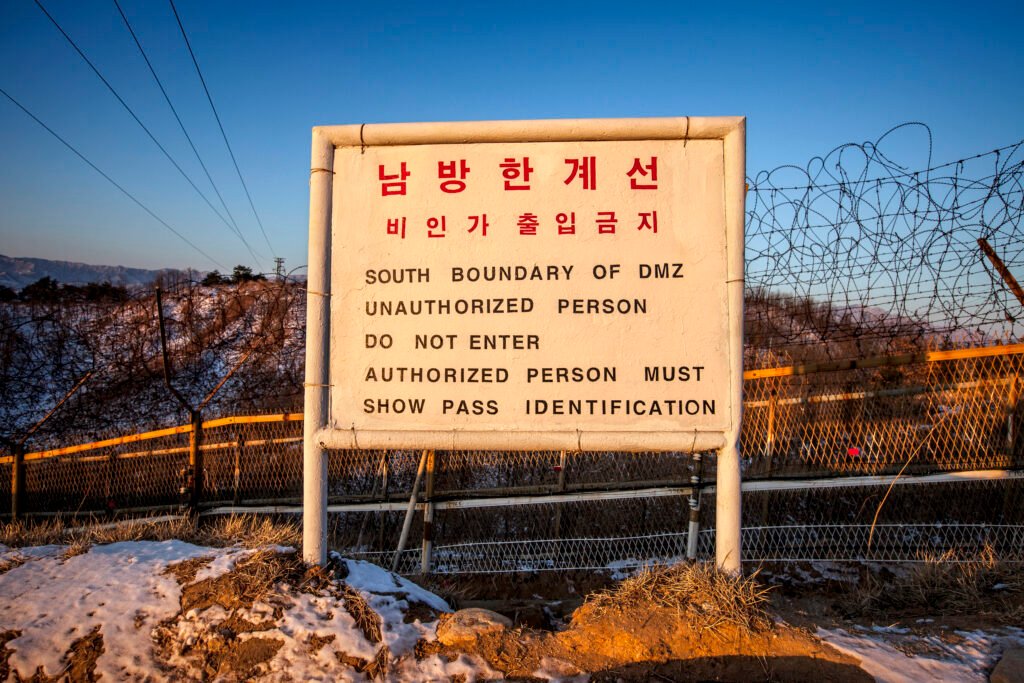
Whenever friends visit me here in Korea, the most frequent request I get is, “Can we actually see the border?” It is a surreal feeling, isn’t it? Visiting the most heavily fortified border in the world sounds like a scene from a thriller, but for those of us living in Korea, it is a living reminder of a history that never truly ended. If you are planning a Korean DMZ tour 2025, you are heading into a space of intense paradox: a site of military tension that has accidentally become one of the most pristine ecological sanctuaries in Asia. Honestly, it is an essential journey for anyone wanting to unpack the “real” Korea beyond the neon lights of Seoul.
- Top DMZ Sites: What You Will Actually Experience
- The Smart Way to Visit: Travel Agencies vs. DIY
- Understanding the Two Different Ticket Systems
- The Official DMZ Peace Tour (Tunnel & Observatory)
- Imjingak Local Attractions (Gondola, Bunker & Park)
- Logistics: How to Reach the DMZ from Seoul
- Local Insider Tips for a Smooth Trip
Top DMZ Sites: What You Will Actually Experience
The Paju area of the DMZ is the most popular because it offers a direct, visceral window into the conflict. While most people associate the DMZ with the famous blue buildings of the Joint Security Area (JSA), those tours have been suspended for quite some time now and remain closed to general civilian visitors as of late 2025. However, the “Classic DMZ Course” actually provides a much more comprehensive and educational look at the history and current reality of the peninsula.
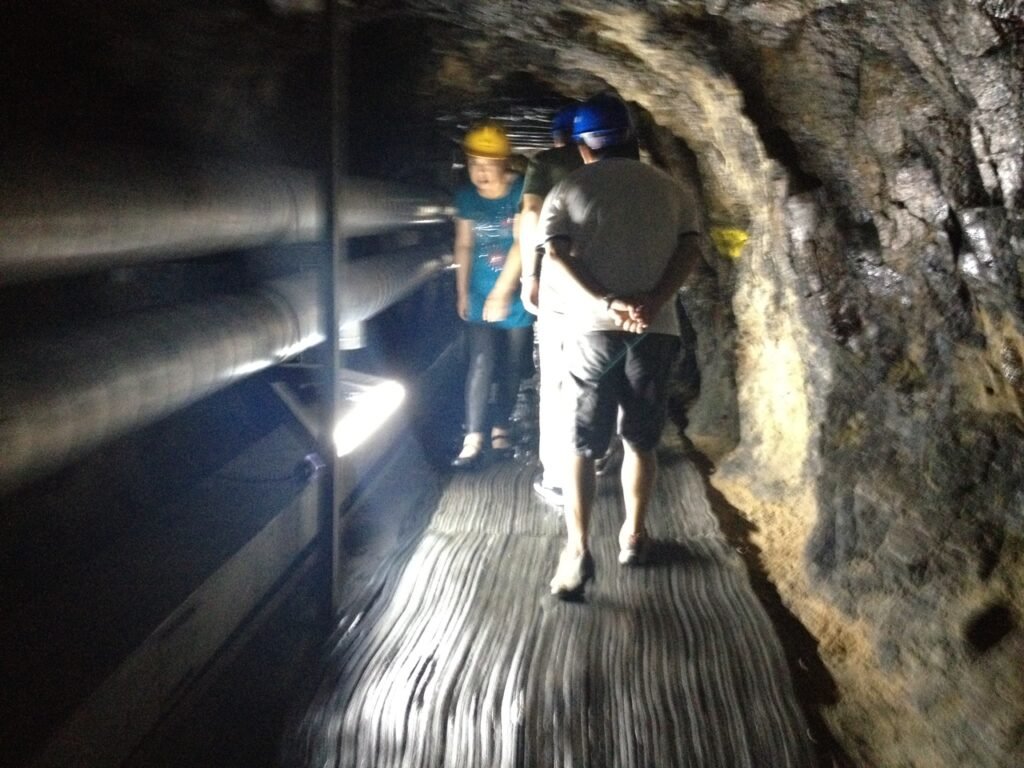
The 3rd Tunnel of Aggression
Imagine a secret passage dug deep into granite, designed to move 30,000 soldiers per hour for a surprise attack. That is the 3rd Tunnel. Discovered in 1978, it is a chilling piece of engineering. You will put on a hard hat and descend 73 meters underground. Walking through the narrow, damp rock—knowing you are literally underneath the border—is a heavy, powerful experience.
Dora Observatory
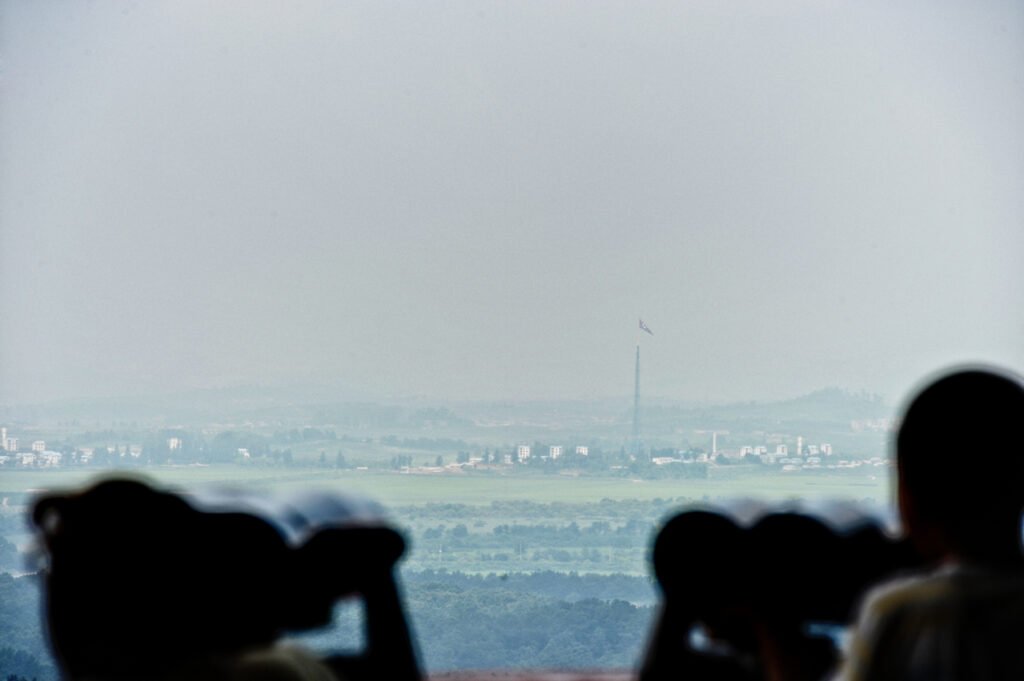
This is your chance to look directly into the most secluded nation on earth. Through high-powered binoculars at the Dora Observatory, you can see the North Korean propaganda village of Kijong-dong, the massive North Korean flagpole, and even the distant city of Kaesong. On clear days, you might even spot North Korean residents going about their daily lives. It feels hauntingly close yet worlds away.
Imjingak Tourist Complex
Note that while older guides might call this “Imjingak Resort,” it is actually a Tourist Complex and memorial park. It serves as the gateway to the DMZ and is home to the “Freedom Bridge,” where prisoners of war returned home, and a steam locomotive riddled with over 1,000 bullet holes from the war. For many Koreans with divided families, this is a place of pilgrimage and deep emotion.
The Smart Way to Visit: Travel Agencies vs. DIY
I usually recommend that my friends book through a travel agency. The DMZ is a military-controlled zone with a strict daily quota, and agencies handle the transportation and military paperwork for you. However, not all tours are created equal. When booking, you must check the inclusions carefully.
⚠️ Crucial Check: Some tours look very cheap because they only include the bus. Always confirm if the 3rd Tunnel entrance fee, the monorail ticket (unless you want to walk the steep incline), and the Peace Gondola are included. If they aren’t, you’ll end up paying an extra 25,000–30,000 KRW on-site.
As of late 2025, standard half-day group tours from Seoul usually range between $35 and $60 USD. Full-day tours that include lunch and additional sites like the Red Suspension Bridge can go up to $90 USD.
Understanding the Two Different Ticket Systems
This is where most travelers get confused! There are two separate ticketing systems at the Imjingak Tourist Complex. They do not share tickets, and you need to know which one you are buying.
- Path 1: The Shuttle Bus Tour – This is the only way to see the 3rd Tunnel and Dora Observatory. It is managed by the city and the military.
- Path 2: Imjingak Local Attractions – These include the Peace Gondola, Camp Greaves, and the Bunker. These are separate facilities that you can visit without going on the full bus tour.
The Official DMZ Peace Tour (Tunnel & Observatory)
If you aren’t using a private agency and want to book the city-run shuttle bus directly, you must use the official Paju City website. This is the most affordable route but requires perfect timing.
- Official Site: dmz.paju.go.kr
- Reservation Rule: New slots open every morning at 10:00 AM (KST) for the period starting from the next day up to one month later. Slots for the 1st of each month are released as a batch.
- Strict Policy: You cannot book for the “same day” online. If you arrive without a reservation, you must hope for an on-site cancellation ticket, which is rare on weekends.
- Official Price (2025): 12,200 KRW (Adult – Monorail) / 9,200 KRW (Adult – Walking).
Imjingak Local Attractions (Gondola, Bunker & Park)
These attractions are located within the Imjingak Tourist Complex. You do not need to book the full DMZ bus tour to enjoy these, but you still need your passport for the Gondola as it crosses the river into a restricted zone.
| Attraction | Adult Fee (2025) | Key Experience |
|---|---|---|
| Peace Gondola | 12,000 – 15,000 KRW | Aerial view across the Imjin River into the CCZ. |
| DMZ Eco-Tour | 3,000 KRW | Explore the reconstructed Camp Greaves US barracks. |
| Bunker Beat 131 | 1,000 KRW | A real underground bunker converted into an art space. |
| Pyeonghwa Nuri Park | Free | The iconic grassy hill with thousands of pinwheels. |
Logistics: How to Reach the DMZ from Seoul
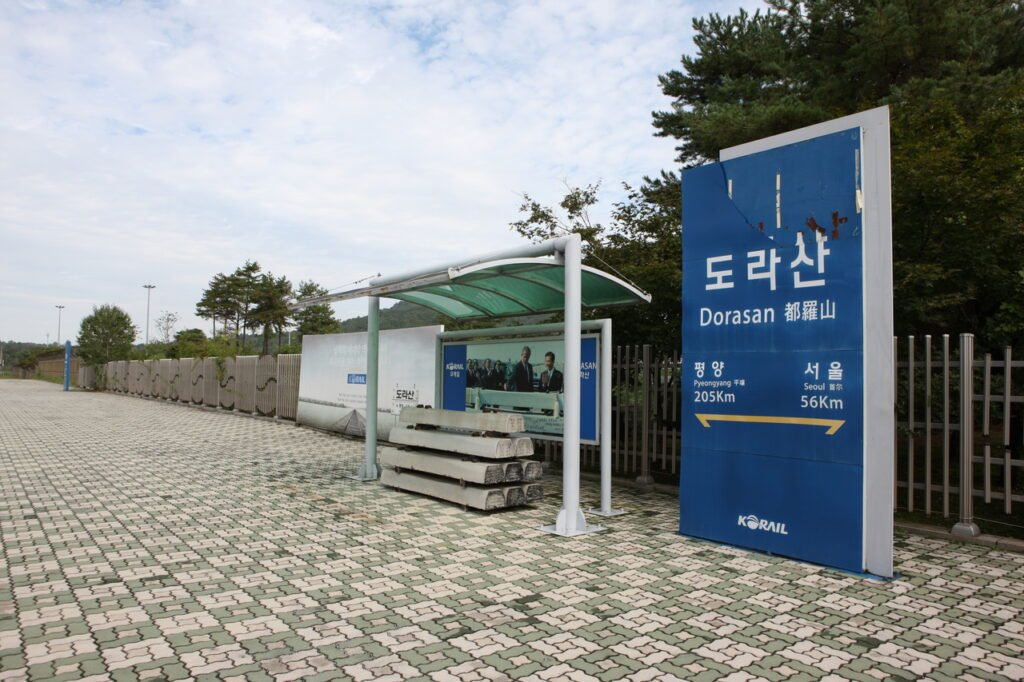
Reaching the Imjingak Tourist Complex from Seoul can be done in several ways. While public transit is the cheapest, the “Agency Shuttle” is often the most convenient “middle ground” for independent travelers.
1. Agency Shuttle Bus (Transport Only)
Many major travel platforms like Trazy, Klook, and GetYourGuide offer “Shuttle-Only” tickets for around $25 – $35 USD. These buses pick you up from central hubs like Myeongdong, Hongdae, or Dongdaemun and take you directly to Imjingak. This is much faster than the subway and more flexible than a full guided tour. However, remember that these tickets exclude the tunnel entrance fees, which you must buy yourself at the Imjingak ticket office upon arrival.
2. The Subway Route
Take the Gyeongui-Jungang Line (cyan line) to Munsan Station (the terminal stop). From Seoul Station or Hongdae, it takes about 60–70 minutes. Once at Munsan Station (Exit 1), I strongly suggest taking a taxi. It’s a 15-minute ride and costs around 10,000 KRW. There is a local bus (058B), but the intervals are very long and unreliable if you are rushing for a tour slot.
3. Private Transfer
For those traveling in groups or with families, hiring a private driver for a day trip to Paju is a stress-free option. It allows you to combine the DMZ with other local Paju highlights like the Heyri Art Village or the Paju Premium Outlets.
Local Insider Tips for a Smooth Trip
- PASSPORT IS KING: You must bring your physical, original passport. No photos on phones, no photocopies. No passport means no tour.
- Early Bird Wins: If you are trying to get an on-site ticket for the tunnel (because the online ones were sold out), arrive at Imjingak before 9:00 AM. In 2025, these tickets often sell out by midday.
- Dress for a Hike: Even if you take the monorail, the 3rd Tunnel is damp and has uneven floors. Wear comfortable sneakers.
- Check the Weather: The Dora Observatory is all about the view. If it’s a very foggy or rainy day, you won’t see much of North Korea, so try to pick a clear day.
A visit to the DMZ is a sobering look at a tragedy that is still unfolding, but it’s also a testament to the hope for peace. Whether you choose the ease of a full agency tour, a convenient shuttle-only bus, or the adventure of the DIY route, you will leave with a much deeper understanding of the Korean heart. It’s a trip that sticks with you long after you return to the city.
Korean Culture portal KCulture.com
Join the mailing service and add to your favorites.

Founder of Kculture.com and MA in Political Science. He shares deep academic and local insights to provide an authentic perspective on Korean history and society.