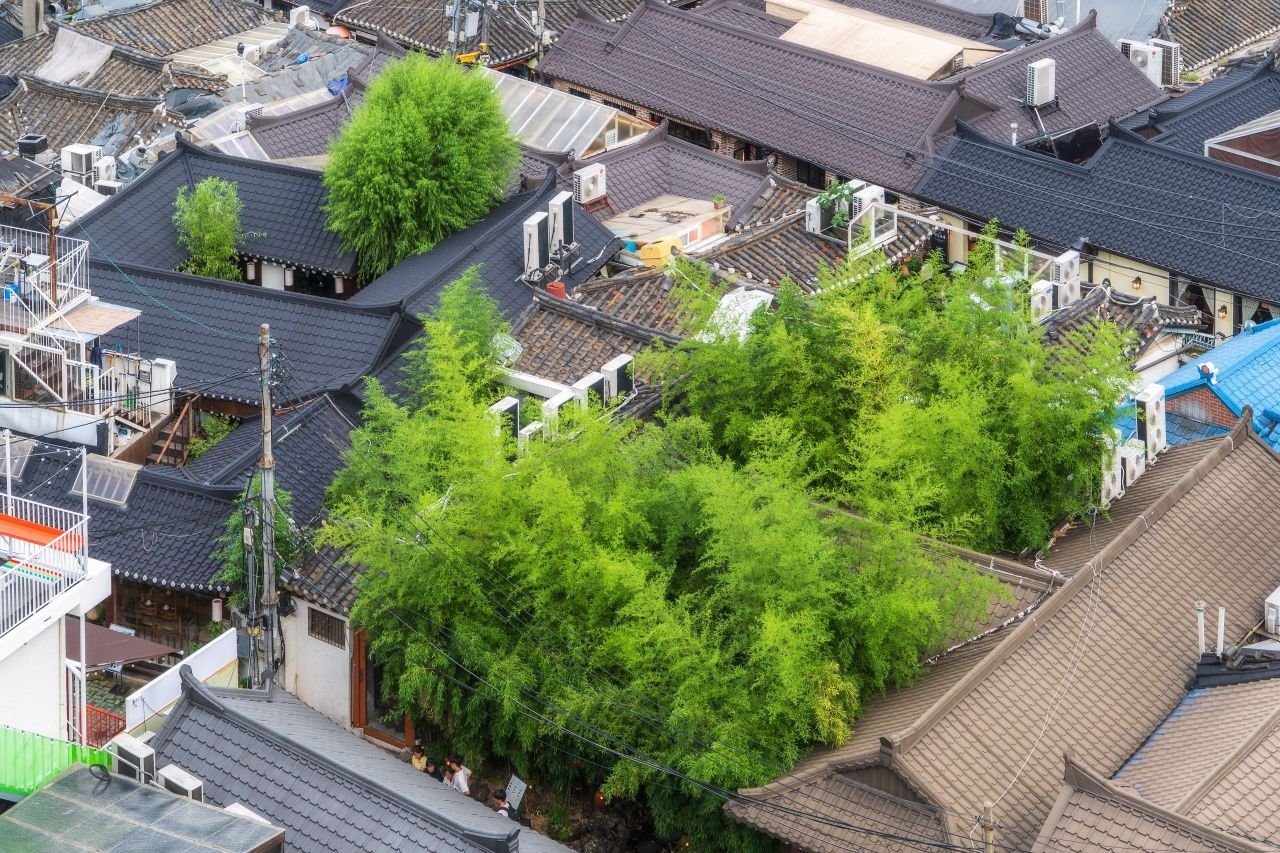
Ikseon-dong (익선동) is Seoul’s oldest designated hanok village, a labyrinth of narrow alleys where 100-year-old traditional Korean houses have been transformed into the city’s trendiest cafes, boutiques, and restaurants. As of February 2026, it remains the ultimate “newtro” destination, offering a unique juxtaposition of 1920s architecture and cutting-edge urban culture. Living in Korea, I still find this neighborhood to be the most authentic way to experience how Seoul breathes life into its history.
- The Visionary History: A Village for the People
- Top Cafes and Bakeries: Where Tradition Meets Taste
- Best Restaurants: From Mandu to Fusion Dining
- Activities and Vibes: More Than Just Food
- Practical Tips for 2026 Travelers
- Beyond the Alleys: Nearby Places to Explore
The Visionary History: A Village for the People
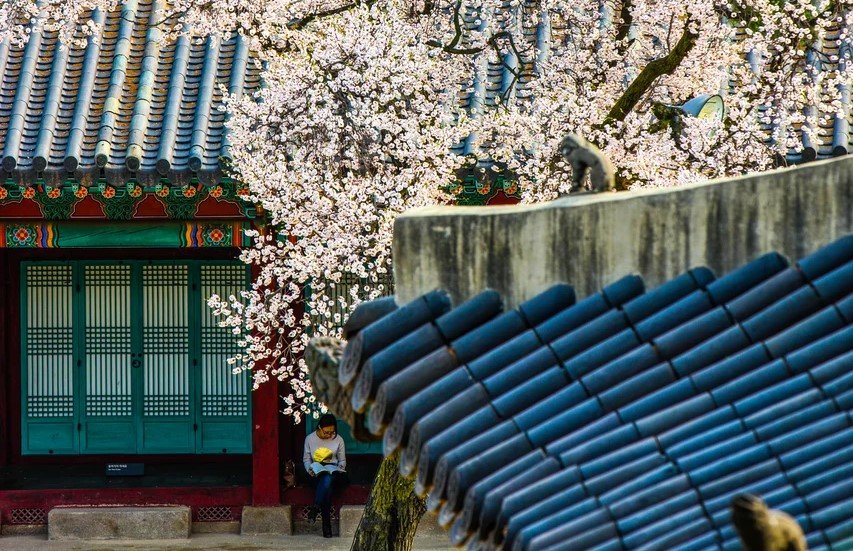
Unlike the Bukchon Hanok Village (북촌한옥마을), which was historically home to high-ranking officials and aristocrats, Ikseon-dong was built for the common people. In the 1920s, during the Japanese colonial period, a visionary developer named Jung Se-gwon (정세권) purchased the land to build mass-produced “urban hanoks.” His goal was to protect the Korean identity from Japanese urban expansion by ensuring Koreans had a place to live in the heart of the city.
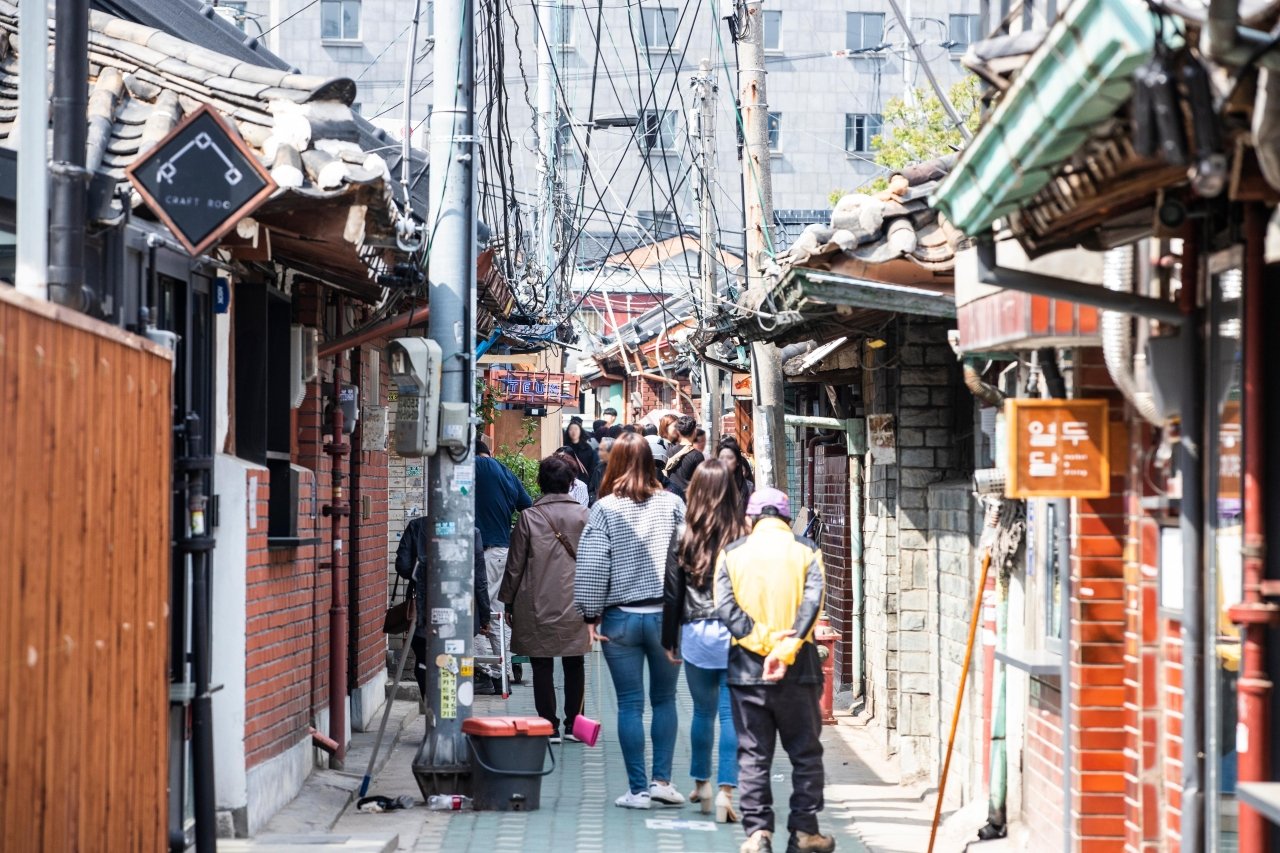
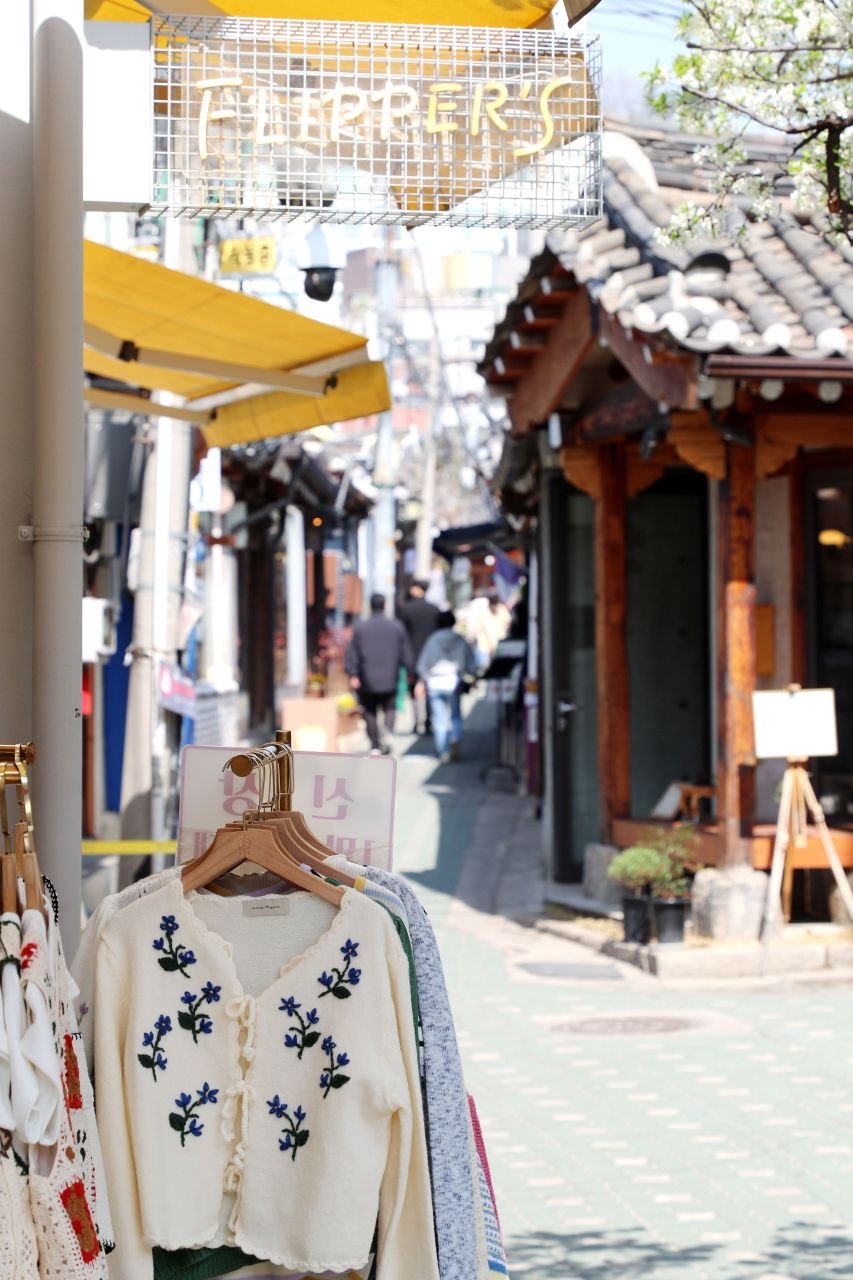
Today, these modest, small-scale houses form a dense grid of alleys just wide enough for two people to pass. Walking through Ikseon-dong feels like stepping into a time capsule that has been painted with the vibrant colors of the 21st century. It is a testament to resilience and the beauty of “small” living.
Top Cafes and Bakeries: Where Tradition Meets Taste
The cafe scene in Ikseon-dong is competitive and ever-evolving. In 2026, several iconic spots continue to draw massive crowds due to their incredible aesthetics and high-quality treats. Here are the must-visit locations for your Instagram feed and your palate.
| Place Name | Key Features | Local Insider Recommendation |
|---|---|---|
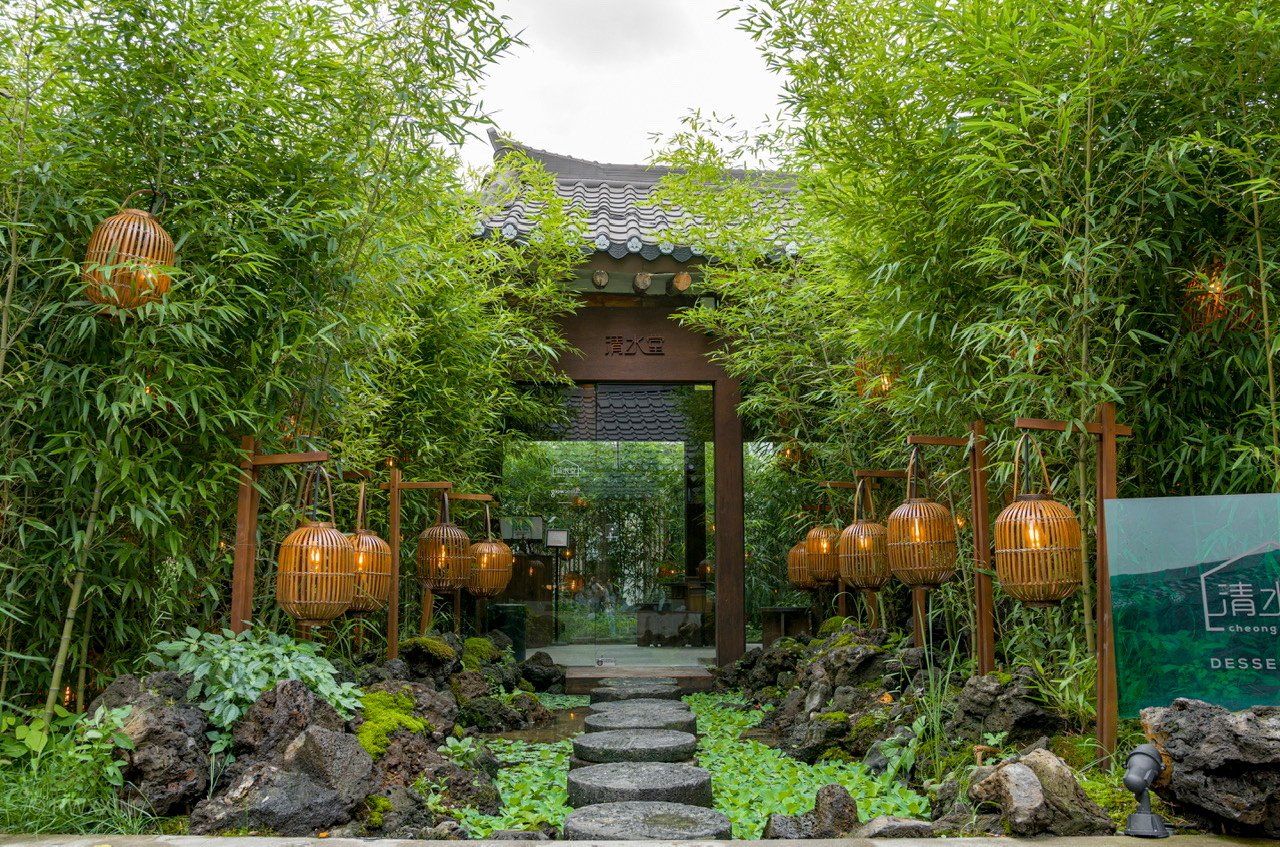
| Cheongsudang (청수당) | Bamboo forest and pond entrance | The stepping stone path at the entrance is the most famous photo spot in the area. Try the stone-drip coffee. |
| Mil Toast (밀토스트) | Soufflé French toast and steamed bread | Watch the bread being steamed in traditional bamboo baskets right at the counter. The steam buns are legendary. |
| Soha Salt Pond (소하염전) | Salt-themed interior with actual salt mounds | Try the signature Salt Bread (Sogum-ppang); it’s perfectly crispy, buttery, and has that essential salty kick. |
| Nakwon Station (낙원역) | A cafe with a real mini-railroad track | Sit by the window to watch people take photos on the tracks while you enjoy your specialty dessert. |
Best Restaurants: From Mandu to Fusion Dining
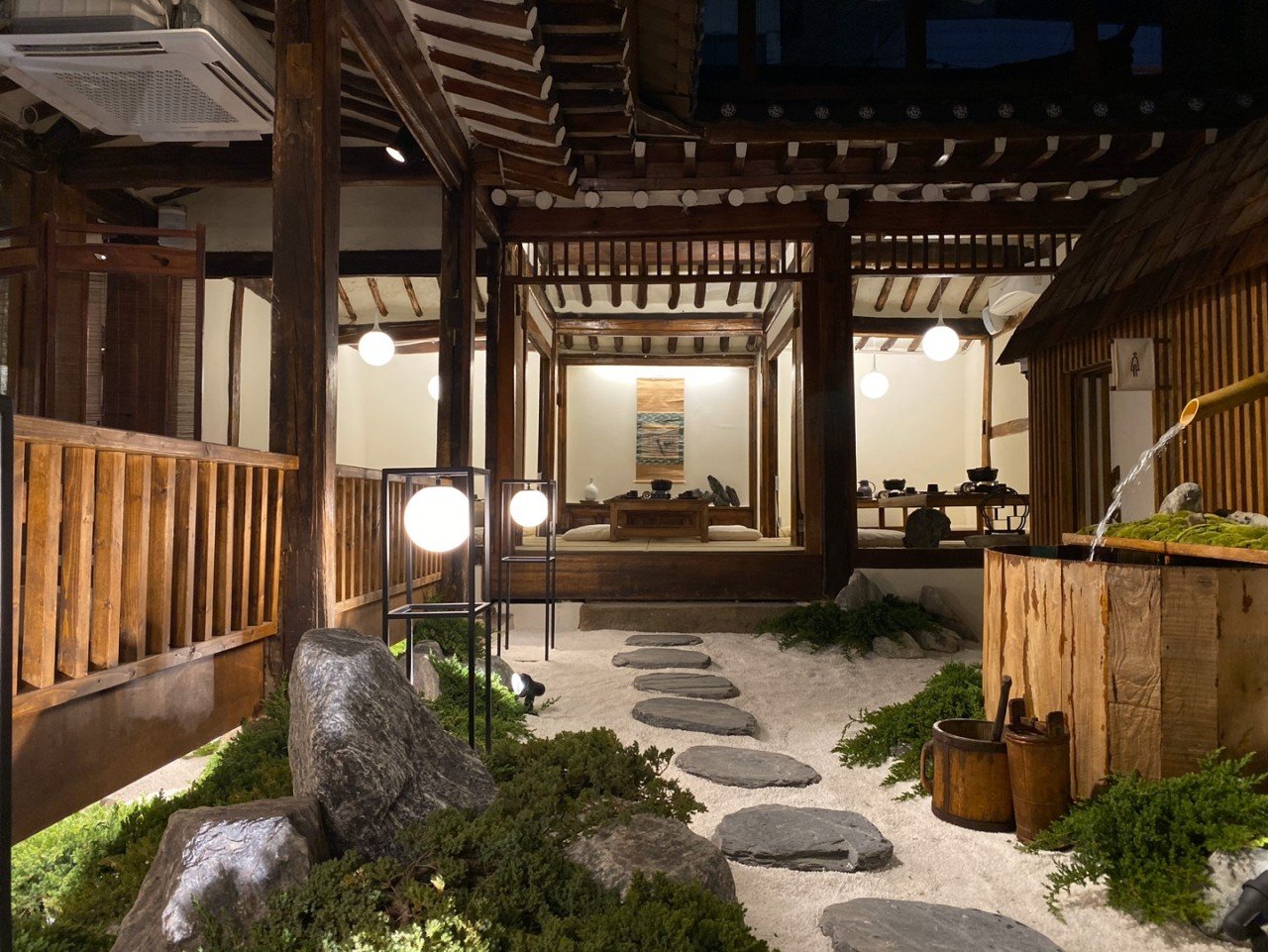
Whether you are looking for traditional Korean flavors or modern fusion, Ikseon-dong has something for every palate. The architecture of these restaurants—retaining the original wooden beams and tiled roofs—adds a layer of flavor to every meal.
- Oncheonjip (온천집): Famous for its Japanese-style hot pot (Shabu-shabu) and an interior that looks like a hidden hot spring resort. It is arguably the most photographed restaurant in Seoul. Expect a wait, but the ambiance is worth it.
- Changhwadang (창화당): A legendary spot for Korean dumplings (Mandu). We recommend the Assorted Mandu platter to taste everything from shrimp to spicy meat fillings. The vintage tables add to the retro charm.
- Ikseon Jabbang (익선잡방): If you are craving a sophisticated brunch, this is the place. Run by a chef from a top-tier hotel, their Eggs Benedict and pasta dishes offer a delightful fusion experience inside a traditional house.
💡 Local Note: Most of these restaurants use a digital waiting system (like CatchTable). If you don’t have a local Korean phone number, simply approach the staff, and they will usually help you register manually or provide a physical waiting number.
Activities and Vibes: More Than Just Food
Ikseon-dong is an experience for all senses. Beyond eating, there are several ways to soak in the local culture that make this neighborhood so special for global travelers.
- Selfie Booth Culture: You will find numerous “Life Four Cuts” (인생네컷) style photo booths. Many shops offer rental Hanboks or 1920s-style “Kyung-seong” outfits so you can take themed photos against the hanok backdrops.
- Fortune Telling: Look for the red capsule machines. For a small fee, you can get your zodiac fortune in a plastic egg—a popular activity for young Korean couples and a fun souvenir for travelers.
- Boutique Shopping: The alleys are lined with independent designers selling handmade jewelry, vintage clothing, and unique Korean stationery. It’s the perfect place to find a gift that isn’t a standard tourist trinket.
Practical Tips for 2026 Travelers
To make the most of your visit, keep these local insights in mind. Ikseon-dong is beautiful, but its popularity requires a bit of planning.
- Timing is Everything: I highly recommend arriving before 11:00 AM on a weekday. By 2:00 PM, the narrow paths can become extremely crowded, making photography and walking difficult.
- Navigation: Google Maps often struggles with the tiny “spider-web” alleys of Ikseon-dong. Use Naver Map (네이버 지도) or KakaoMap (카카오맵) for precise walking directions.
- Accessibility: The ground is uneven and the paths are narrow. I suggest leaving large suitcases at your hotel or in lockers at the station. Strollers can also be difficult to maneuver here.
- Respect the Residents: While it looks like a movie set, people still live in some of these houses. Keep your voice down and avoid peeking into private courtyards to ensure this community remains sustainable.
Beyond the Alleys: Nearby Places to Explore
Ikseon-dong is centrally located, making it easy to pair with other major sights. It is located right at Jongno 3-ga Station (종로3가역), which connects lines 1, 3, and 5.
- Insadong (인사동): Just a 10-minute walk away, famous for traditional tea houses and art galleries.
- Seosulla-gil (서순라길): Located along the stone wall of Jongmyo Shrine, this street is the “next Ikseon-dong,” featuring quiet jewelry workshops and outdoor cafes.
- Gyeongbokgung Palace (경복궁): About a 15-20 minute walk or a short subway ride away, perfect for a morning palace tour before hitting Ikseon-dong for lunch.
Seoul Travel Blueprint: Where to Go Next?
Here are my hand-picked guides to help you plan your next stop, whether you want more luxury, historical contrasts, or local street food.
- Gyeongbokgung Palace Hanbok Tour Guide: Hanbok Rental Tips
- DDP Seoul Guide: Inside Zaha Hadid’s Spaceship Architecture
- 2026 Hongdae Mastery: Shopping and Hotspots, Busking & Nightlife
- Yeonnam-dong Shopping & Cafe: Discover Seoul’s Most Aesthetic Alleys
- Mangwon Market 2026 Guide: Best Food and Local Tips
- Why You Must Visit Itaewon: Best Food, Nightlife & Hidden Gems
- Luxury Guide to Gangnam, Seoul : Top Hotels, Dining, and Experiences
- Starfield Library Seoul: A Professional Local’s Guide to Coex Mall
- Gwangjang vs. Namdaemun Market: Where to Find Real Korean Generosity
Korean Culture portal KCulture.com

Founder of Kculture.com and MA in Political Science. He shares deep academic and local insights to provide an authentic perspective on Korean history and society.