Unlocking the Hallyu Code: The Ultimate K-Pop Terminology Guide
Welcome to the vibrant, sometimes chaotic, and incredibly organized world of K-Pop. If you have ever watched a music show and wondered why everyone is screaming at specific times, or why fans are buying fifty copies of the same album, you have come to the right place. This isn’t just a glossary; it is a cultural map for the modern Hallyu era.
This K-pop terminology guide is designed to decode the cultural nuances behind the words. Korean fans don’t just “like” a group; they enter a committed relationship with specific roles and duties. Whether you are a brand new fan (“baby stan”) or a veteran looking to brush up on the latest slang, this guide will serve as your base camp for understanding the deeper mechanics of the Korean music industry.
- The Fan Lifecycle: Ip-deok, Tal-deok, and the Denial Phase
- Identity & Affection: Who Do You Love?
- The Comeback Cycle: More Than Just a Release
- Fandom Actions: The Labor of Love
- Group Dynamics & Industry Positions
- The Dark Side: Terms You Must Know
- Bonus: Daily Korean Slang in K-Pop
The Fan Lifecycle: Ip-deok, Tal-deok, and the Denial Phase
In the Korean fandom world, your journey has a beginning, a middle, and sometimes a painful end. These terms describe the emotional transitions a fan goes through.
Ip-deok (입덕) – Entering the Fandom
Ip-deok combines “Ip” (to enter) and “Deok-hu” (fan/mania). This is the exact moment you transition from a casual listener to a dedicated fan. It is often triggered by a “killing part” in a music video or a funny moment in a variety show.
Locals use it like this: “I have officially ‘Ip-deok’ for Stray Kids today; I watched one ‘God’s Menu’ stage and there was no turning back.”
Ip-deok-bu-jung (입덕부정기) – The Denial Phase
This is a hilarious and relatable term for the “Entry Denial Period.” It is the stage where you are clearly falling for a group—watching their videos until 3 AM and learning their names—but you tell yourself, “No, I’m not a fan, I just like this one song.” Once you admit it, the Ip-deok-bu-jung ends, and your life as a fan officially begins.
Tal-deok (탈덕) – Leaving the Fandom
The opposite of Ip-deok. “Tal” means to escape or leave. Tal-deok occurs when a fan decides to stop supporting a group. This can happen due to a scandal, a change in musical direction, or simply “fandom burnout.” In the K-Pop world, Tal-deok is often treated with the gravity of a real-life breakup.
Gyu-deok (휴덕) – Taking a Break
Not quite a breakup, but a “hiatus.” Gyu-deok (Resting + Fan) is when a fan remains part of the fandom but stops active participation (like streaming or buying merchandise) for a while to focus on their real life (study, work, etc.).
Identity & Affection: Who Do You Love?
In Korea, the terminology for affection defines your loyalty status within the fandom hierarchy.
The Bias (Choeae / 최애)
Your absolute favorite member. Choeae literally translates to “Most Loved.” However, K-Pop culture allows for fluidity. You might have a “Choeae” in every group you follow. It is the member you instinctively look for in group photos and whose photocard acts as your primary currency in trades.
Bias Wrecker (Cha-ae / 차애)
If your Bias is your number one, your Cha-ae (literally “Second Loved”) is the dangerous runner-up. This is the member who catches your eye unexpectedly, making you question your loyalty to your Bias.
Akgae (악개)
An abbreviation for “Malicious Individual Fan.” An Akgae supports only one member and actively hates on or spreads rumors about the other members of the same group. True fans usually work together to report and block Akgaes to protect the group’s harmony.
The Comeback Cycle: More Than Just a Release
One of the biggest cultural shocks for new fans is the concept of the “Comeback.” In K-Pop, a Comeback is a highly structured, intense promotional period lasting anywhere from two weeks to a month.
Comeback (Keom-baek)
Even if a group released a song just three months ago, their new release is called a “Comeback.” It signals the start of active TV promotions. If a group is not currently promoting on music shows, they are considered to be in a “hiatus” or “preparation period.”
Ending Fairy (Ending Yojeong)
At the very end of a music show performance, the camera zooms in on one member for a close-up shot. The idol must stare into the camera, often maintaining a specific pose or winking. It is a prime opportunity for a member to go viral globally.
Fandom Actions: The Labor of Love
Being a K-Pop fan is active, not passive. Here are the terms that describe the “work” fans do to ensure their group’s success.

Streaming (Seu-ming / 스밍)
Fans do not just listen to music; they “stream” it strategically to boost chart rankings. Fandoms organize “mass streaming parties” with military-like precision to help their idols win first place on music shows.
Tee-keting (Ticketing War)
Buying concert tickets in Korea is a digital war. With internet speeds in Seoul being among the fastest in the world, tickets for top groups sell out in seconds. The term Pi-keting (Blood-ticketing) reflects the brutal difficulty of securing a seat.
📌 Local Note: If you are an international fan planning to join the fray, the process can be quite different for those traveling to Korea. For a deeper look at how to navigate this system, check out our guide on K-Pop ticketing and music show tips.
Group Dynamics & Industry Positions
Every K-Pop group is a well-oiled machine where every member has a specific function, deeply influenced by Korean social structures.
Maknae (막내)
The youngest member. In the context of Korea’s Confucian hierarchy, the youngest usually has to show the most respect and often takes on minor chores for the elders. However, in K-Pop, we have the “Maknae on Top”—a youngest member who playfully bosses around the older members.
Center
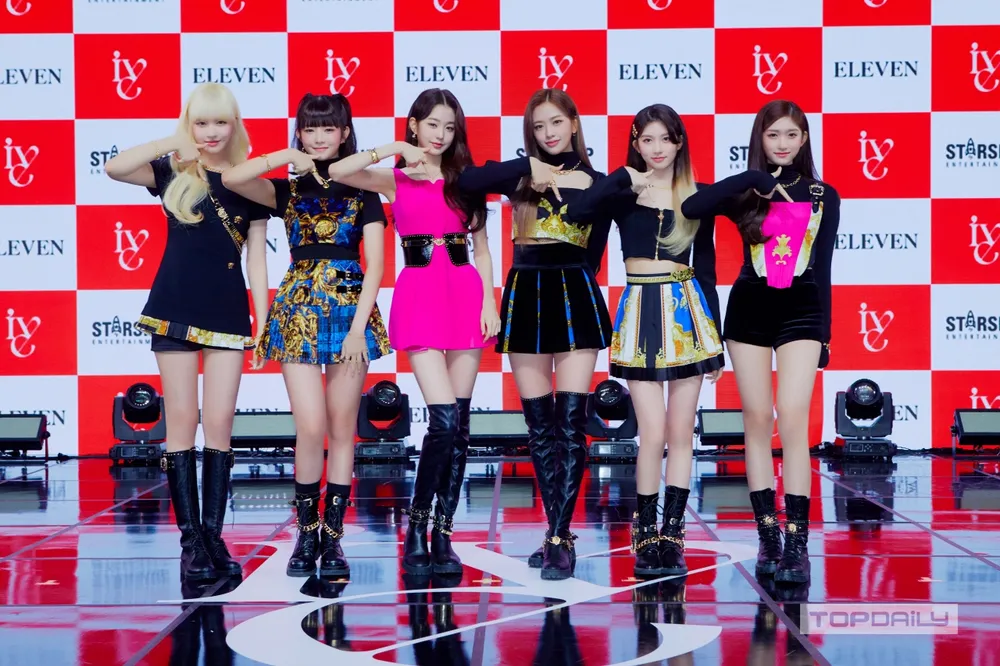
The member who stands in the middle during the most important parts of the choreography. Being the “Center” is a highly coveted position that signifies the member who best represents the concept of that specific album.
The Dark Side: Terms You Must Know
To understand the full picture of Korean pop culture, we must acknowledge the terms that represent its more challenging aspects.
Sasaeng (사생)
Short for Sasaeng-hwal (Private Life). These are individuals who invade the private lives of idols. They stalk dorms and attempt to access personal phone numbers. It is important to note: The global K-Pop community does not consider Sasaengs to be fans; they are viewed as stalkers.
Bonus: Daily Korean Slang in K-Pop
- Aegyo (애교): Acting cute through high-pitched voices and hand gestures.
- Hul (헐): A versatile exclamation used when you are shocked, disappointed, or impressed.
- Daebak (대박): “Awesome” or “a big hit.”
- TMI: In Korea, this refers to random, trivial facts that fans find charming (e.g., “My TMI for today is that I ate cereal for dinner”).
Understanding these terms is your first step to truly enjoying the K-Culture experience. Keep this guide bookmarked—you will need it for your next comeback season.
Korean Culture portal KCulture.com
Join the mailing service and add to your favorites.

Founder of Kculture.com and MA in Political Science. He shares deep academic and local insights to provide an authentic perspective on Korean history and society.