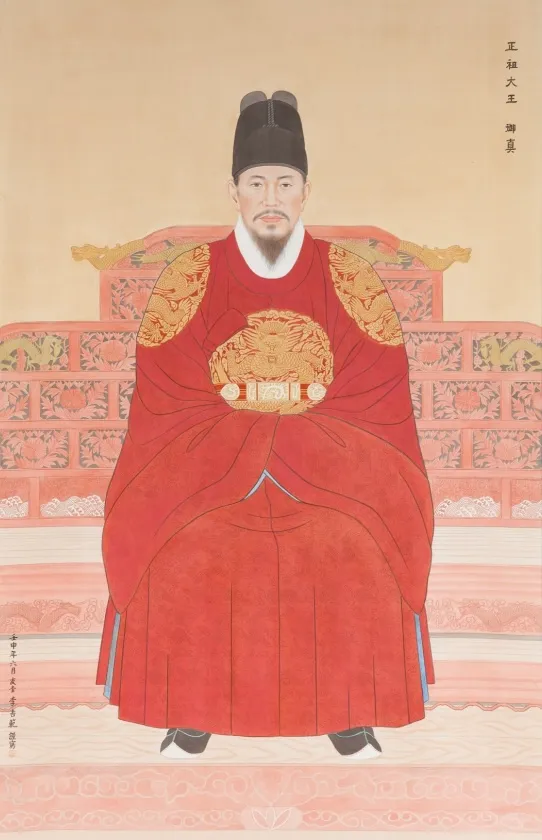
If you have ever watched the hit Korean drama The Red Sleeve or the thrilling movie The Fatal Encounter, you might have wondered: “Is this heart-wrenching story actually based on real history?” The answer is a resounding yes. The story of King Jeongjo and Crown Prince Sado is arguably one of the most dramatic and cinematic chapters in the late Joseon Dynasty. Living in Korea, I often find myself walking through the grand palaces or fortress walls, feeling the heavy, emotional weight of this royal family’s Shakespearean tragedy. It is a story that seamlessly draws in even those without a special interest in history, captivating them with its crushing pressure of family expectations, perilous political survival, and timeless romance. In this article, we will journey through the harrowing death of Sado, Jeongjo’s perilous path to the throne, his sweeping reforms, his heartbreaking romance with Royal Noble Consort Uibin Seong, and the actual historical sites where you can relive this epic saga.
- The Tragic Rice Chest: The Death of Crown Prince Sado
- “I am the son of Crown Prince Sado”: A Perilous Ascension
- The Joseon Renaissance: King Jeongjo and Crown Prince Sado History
- A Heartbreaking Royal Romance: The Story of Uibin Seong
- Footsteps of the Past: Must-Visit Historical Sites
- Relive the History: Korean Dramas and Movies
The Tragic Rice Chest: The Death of Crown Prince Sado
In the 18th century, the Joseon Dynasty was ruled by King Yeongjo, a monarch plagued by political rumors regarding his half-brother’s death and an inferiority complex about his mother’s lowly origins. To compensate, Yeongjo strove for absolute perfection and ruthlessly projected these expectations onto his precious late-born son, Crown Prince Sado.
Though brilliant in his youth, Sado cracked under his father’s suffocating strictness and constant public scolding. The political faction in power, known as the Noron, exploited this fractured father-son relationship, driving a deeper wedge between them. The intense stress triggered severe mental illness in Sado, leading to erratic and violent behavior.
The climax of this tension erupted in 1762, an event known as the Imohwabyeon. When Sado’s actions became uncontrollable, King Yeongjo ordered him to take his own life. Upon Sado’s refusal, the King commanded him to climb into a tight wooden rice chest. Left in the sweltering heat of mid-summer without a single drop of water, the Crown Prince agonized for eight days before dying. Watching this entire horrific ordeal was Sado’s 10-year-old son, Yi San—the future King Jeongjo.
“I am the son of Crown Prince Sado”: A Perilous Ascension
Because his father died a condemned criminal, young Yi San was stripped of his direct right to the throne. To protect the boy, King Yeongjo legally registered him as the adopted son of his late first son, Crown Prince Hyojang. However, Yi San’s days as the Royal Grandson were a waking nightmare.
The Noron faction, who had orchestrated his father’s demise, and Queen Jeongsun (King Yeongjo’s young second wife), were terrified of the revenge Yi San might seek once crowned. They subjected him to constant threats of deposition and assassination. To survive, the young prince rarely slept, staying up through the night fully clothed, reading books to guard himself.
When King Yeongjo passed away in 1776, the 24-year-old finally ascended to the throne as King Jeongjo. On the very day of his coronation, he stood before the trembling ministers and dropped a political bombshell:
“Alas! I am the son of Crown Prince Sado.”
This chilling declaration served as a fierce warning to his political enemies and a vow to restore his father’s honor.
The Joseon Renaissance: King Jeongjo and Crown Prince Sado History
King Jeongjo’s reign did not begin peacefully. In 1777, heavily armed assassins breached his royal bedchamber in a terrifying assassination attempt. Surviving the ordeal, Jeongjo decisively purged his political rivals with the help of his trusted right-hand man, Hong Guk-yeong. Once his authority was secured, Jeongjo initiated a sweeping series of reforms that would usher in the Joseon Renaissance.
- Establishment of Kyujanggak (규장각): He founded a royal library and research institute to nurture young, brilliant scholars, breaking tradition by hiring talented individuals regardless of their social class.
- Partnership with Jeong Yak-yong: He recruited the greatest genius of the Silhak (Practical Learning) movement, Jeong Yak-yong, to innovate Joseon’s science, architecture, and administration.
- The Tangpyeong Policy: To end the toxic factional politics that killed his father, he employed an impartial recruitment policy, balancing power among different political groups.
Sadly, King Jeongjo passed away suddenly in 1800 at the peak of his reign. To this day, many Koreans carry a deep sense of lament over his untimely death. It is a widespread historical sentiment that had Jeongjo not died so abruptly and continued his visionary rule, the latter half of Joseon’s history would have unfolded vastly differently, potentially modernizing the nation much earlier and preventing subsequent historical tragedies.
A Heartbreaking Royal Romance: The Story of Uibin Seong
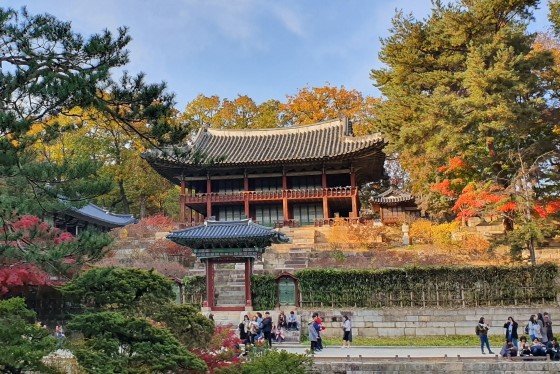
Amidst the blood and politics, King Jeongjo experienced a profound, lifelong love. Although he was a king known for keeping a strict distance from palace women, he fell deeply in love at first sight with a young court lady named Seong Deok-im, later known as Royal Noble Consort Uibin Seong. She had originally entered the palace as a servant to Lady Hyegyeong, Jeongjo’s mother.
When Jeongjo was 15 years old, he bestowed his grace (proposed) upon the 14-year-old Deok-im. In an incredibly dangerous move, she tearfully rejected him, stating, “Because Queen Hyoui has not yet borne a child, I do not dare to accept your grace.” Rejecting a king’s advance was practically unheard of, but Jeongjo did not grow angry; he respectfully accepted her decision and waited.
Over a decade later, his unwavering heart prevailed. He proposed again, and this time she accepted, becoming his concubine. This passionate romance, the fruit of a 20-year wait, brought Jeongjo immense joy, culminating in the birth of his beloved son, Crown Prince Munhyo. Tragically, their happiness was shattered when the 5-year-old prince died of measles. Overwhelmed by unbearable grief, a pregnant Uibin Seong fell ill and passed away just months later, following her son to the grave.
Shattered by the loss of the only woman he truly loved, King Jeongjo personally penned her epitaph (Eojeuibinmyojimyeong)—an unprecedented act of supreme courtesy and love from a Joseon King to a concubine. In a calm yet profoundly sorrowful tone, his deeply personal words still resonate today:
“Alas! As a concubine, you knew the right path a person should take… you were wise and brilliant, second only to a sage. You deserved to be blessed, yet before the tears for Crown Prince Munhyo could even dry, you and the unborn child have passed away. Your fate is so pitiful and sad… Now I am sending you to Munhyo’s side for your funeral, as this is your earnest wish… You too would be sad knowing I cannot forget my sorrow. Is that so? Is it not?”
Furthermore, on the royal tombstone he personally commissioned, he laid his heart bare: “Ah! You had a strong foundation and achieved the rank of a Royal Noble Consort, so why must your life end in death? My heart is so utterly shattered, and it hurts as if cut by a knife. I love you.”
Originally, the graves of Crown Prince Munhyo and Uibin Seong rested peacefully together at Hyochangwon in Seoul (the site of present-day Hyochang Park). However, during the Japanese colonial period, the Japanese forcibly relocated their graves. Today, Uibin Seong’s final resting place is situated in the royal concubine cemetery within the Seosamneung (서삼릉) Cluster in Goyang city.
Footsteps of the Past: Must-Visit Historical Sites
To truly grasp this history, visiting the physical locations where these events unfolded is an absolute must.
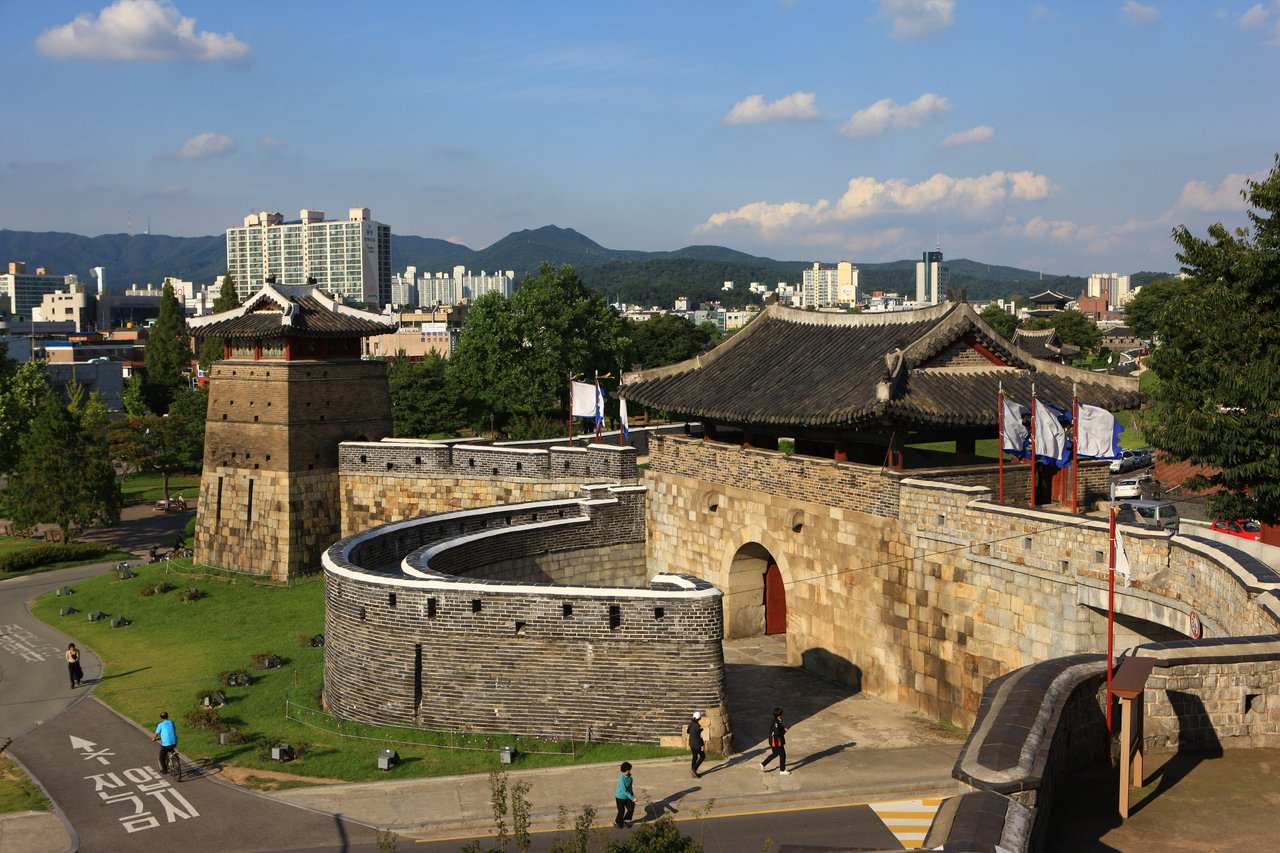
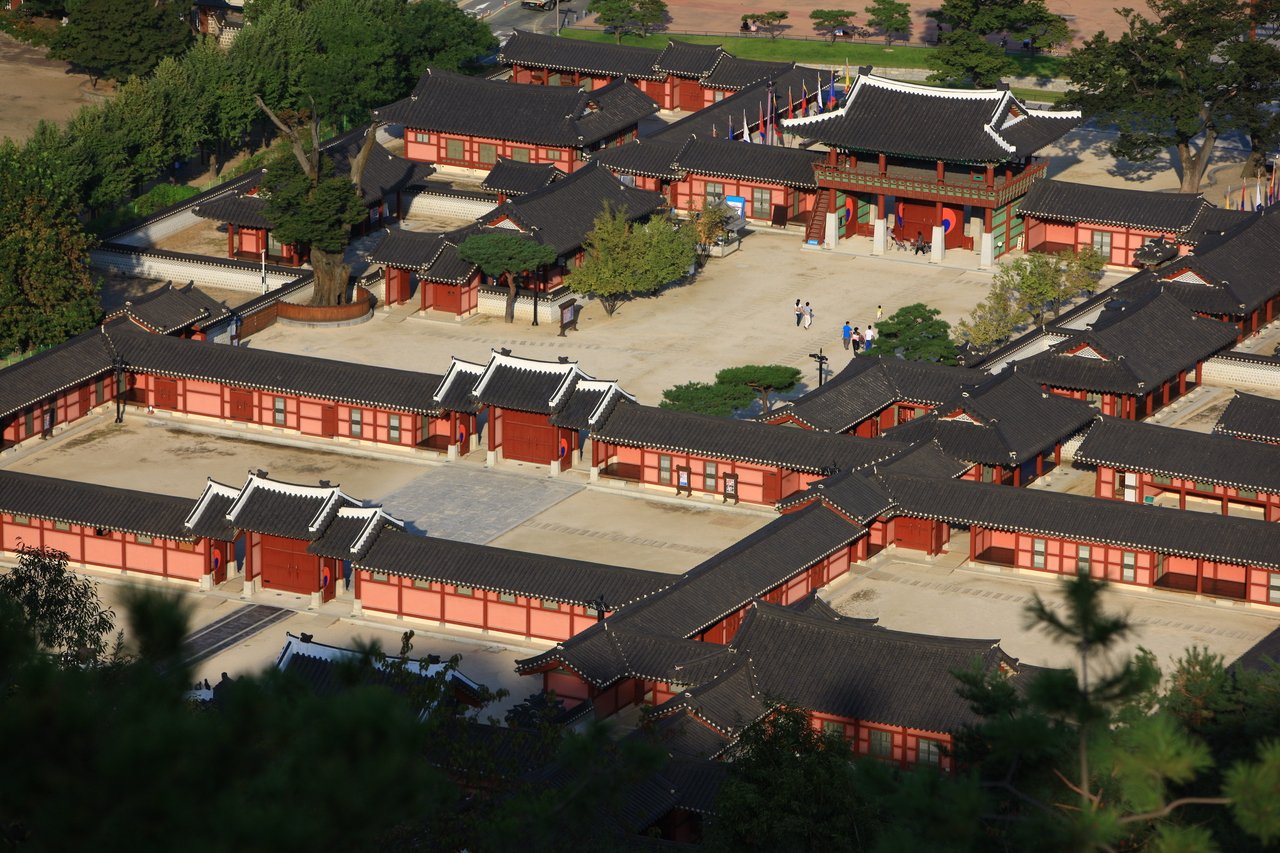
Suwon Hwaseong Fortress (수원화성)
Jeongjo moved his father’s tomb to the most auspicious location in Suwon and built a massive, planned city around it. This fortress was not just a symbol of filial piety; it was a high-tech military stronghold meant to shift the political center away from the conservative factions in Seoul. Today, it is a magnificent UNESCO World Heritage site.
💡 Pro Tip for Travelers: Walking the fortress walls at sunset offers the most breathtaking views. For a comprehensive itinerary, check out our guide on Suwon Hwaseong Fortress: Your Perfect 2-Day Getaway from Seoul!
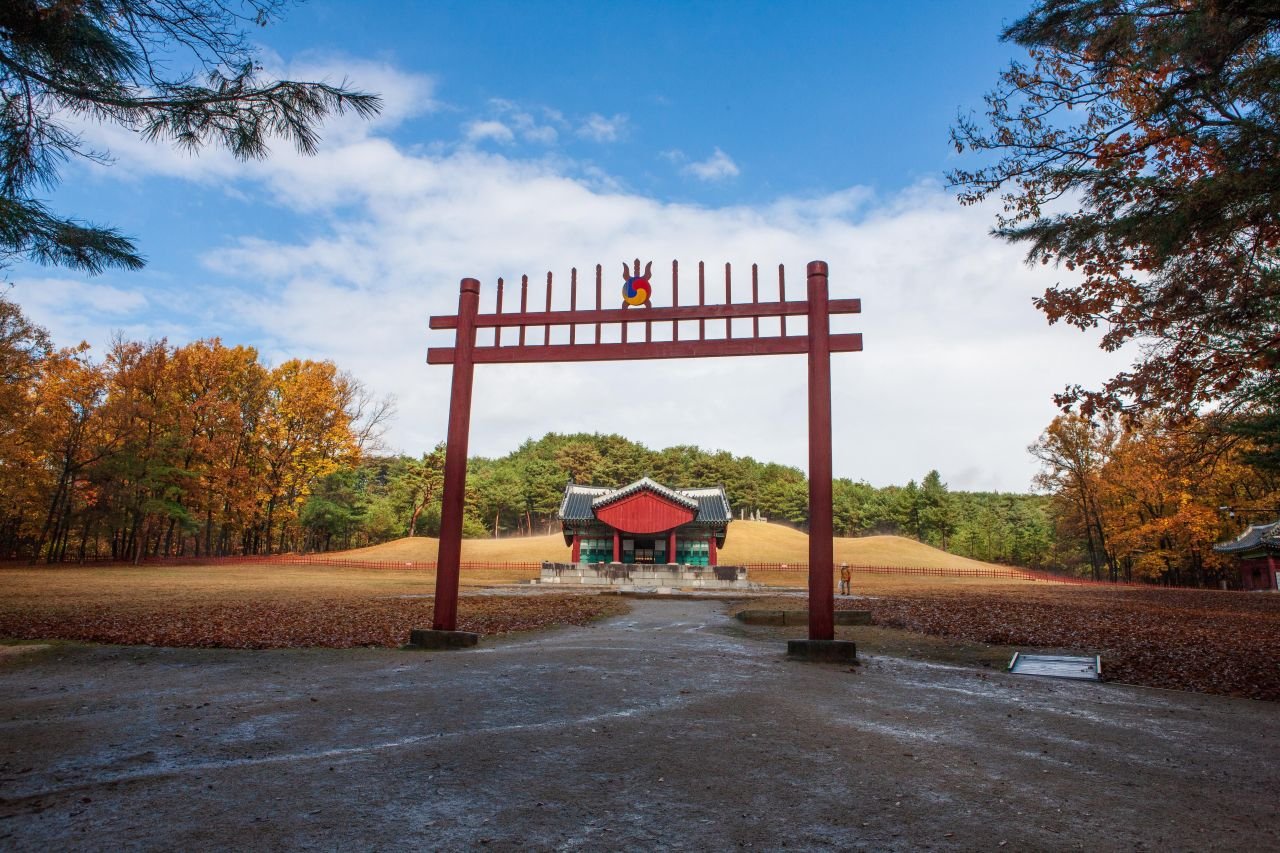
Yunggeolleung Royal Tombs (융건릉)
During his reign, King Jeongjo poured his filial devotion into restoring his father’s honor. He posthumously elevated Crown Prince Sado’s status and completely rebuilt his tomb into a magnificent, royal-level site. (Because of Jeongjo’s foundational efforts, Sado was later officially elevated to the title of King by subsequent generations, making his tomb a true royal ‘Neung’). This peaceful, forested tomb complex in Hwaseong city houses the remains of Sado (Yungneung) and King Jeongjo himself (Geolleung). Jeongjo loved his father so much that he chose to be buried near him.
📌 Local Note: The pine tree trails connecting the two tombs are stunning in the autumn. It is a quiet, deeply reflective place where you can feel the eternal bond between the tragic father and the devoted son.
Relive the History: Korean Dramas and Movies
This riveting saga has inspired some of the greatest Korean media. If you want to dive into the visuals and emotions of the era, here is my curated list of recommendations.
| Title (Type) | What It Covers | Where to Watch |
|---|---|---|
| The Throne (Movie, 2015) | A raw, visceral depiction of the psychological warfare between Yeongjo and Sado, leading to the rice chest tragedy. | Netflix, Apple TV, Viki |
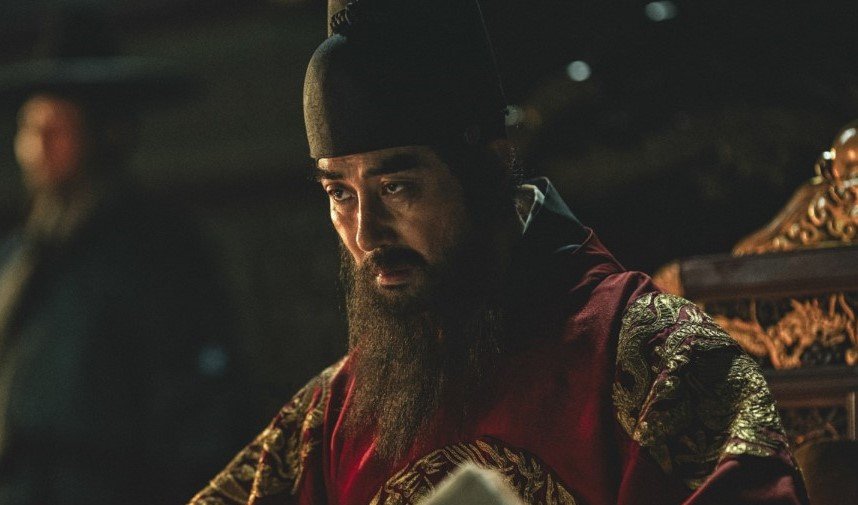
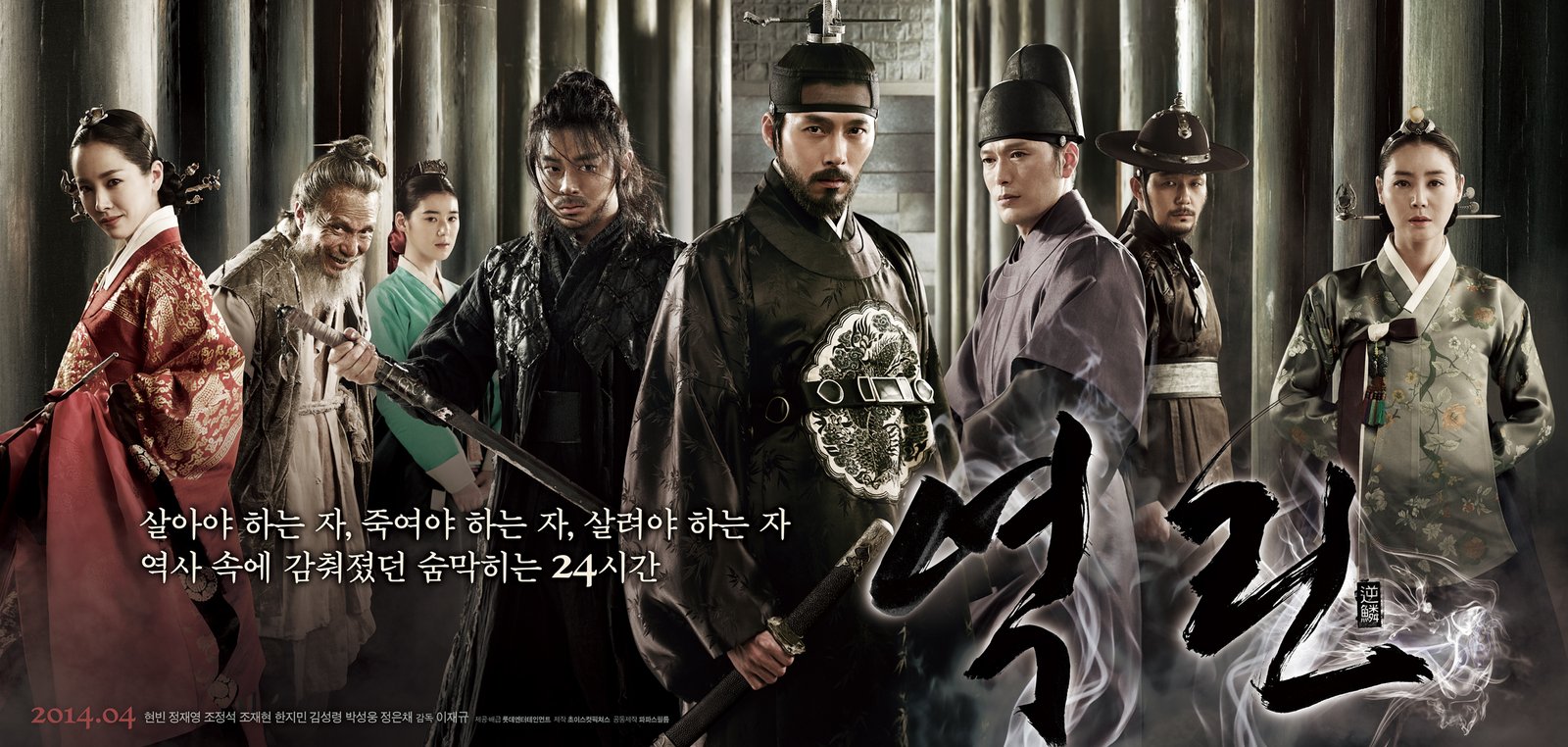
| The Fatal Encounter (Movie, 2014) | A tense historical thriller detailing the 24 hours surrounding the 1777 assassination attempt on King Jeongjo. | Prime Video, Viki, TVING |
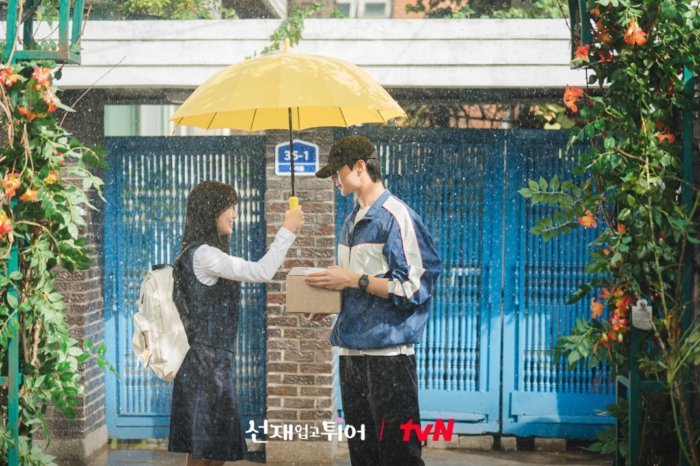
| The Red Sleeve (Drama, 2021) | A heartbreaking, historically grounded masterpiece focusing on Jeongjo’s survival and his romance with Uibin Seong. Highly recommended for beginners! | Viki, Wavve |
| Yi San (Drama, 2007) | The classic, long-running epic detailing King Jeongjo’s entire life, his reforms, and his right-hand men. | Kocowa, Viki |
| Secret Door (Drama, 2014) | A fictionalized, mystery-thriller take on the political conflicts leading up to Crown Prince Sado’s death. | Viki, SBS VOD |
Korean Culture portal KCulture.com

Founder of Kculture.com and MA in Political Science. He shares deep academic and local insights to provide an authentic perspective on Korean history and society.