Packing for Korea: The Ultimate Travel Essentials Guide for Local Insights
Seeking the ‘real’ Korea? Unpack the culture and prepare for an incredible journey. As a local expert living here, I often see travelers struggle with the nuances of what to pack. While general travel advice is helpful, preparing for Korea requires attention to specific cultural, weather, and legal details. This guide is your complete **travel essentials playbook** to ensure you pack smart, not heavy. My goal is to help you blend in comfortably and navigate the country like a pro. From extreme seasonal shifts to vital legal warnings, here is the honest, no-filter advice you need on packing for Korea.
- Korea Travel Essentials: General Packing Rules and Customs
- Seasonal Packing Deep Dive: Navigating Korea’s Extreme Weather
- Essential Electronics and Adapters: Staying Connected in Korea
- Cultural and Local Picks: What Locals Always Carry
- Critical Customs Warning: Legal Must-Knows Before You Fly
Korea Travel Essentials: General Packing Rules and Customs
Before diving into Korea-specific items, let’s cover the basic logistics of your luggage. Standard international flight rules generally apply, but being mindful of Korean transportation and accommodation sizes is key.
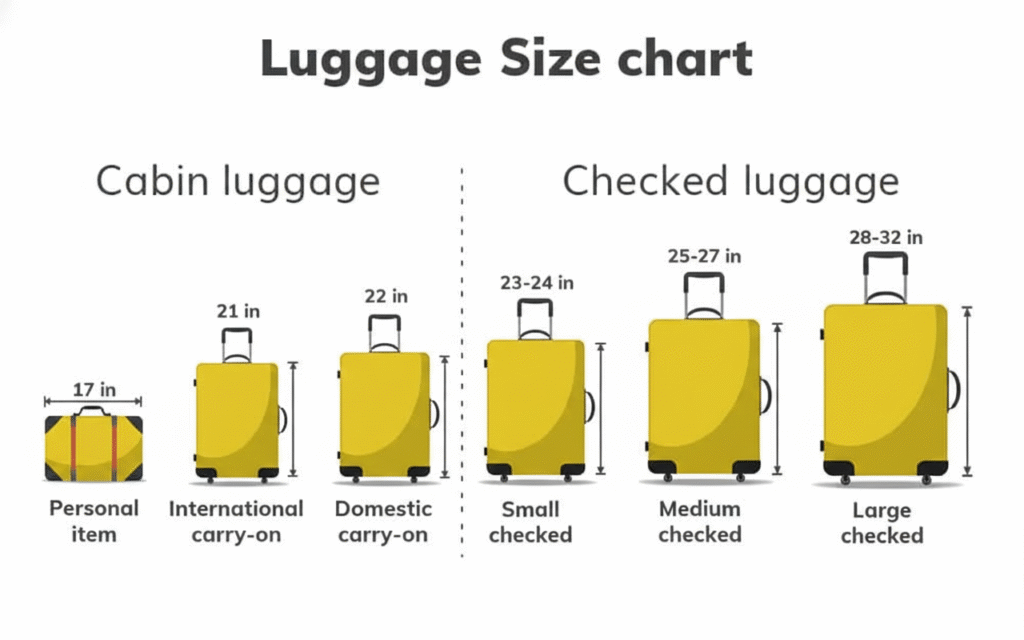
Luggage Size: Practicality for Korean Travel
Most Korean accommodations and public transport (like subways and crowded buses) are more manageable with standard-sized luggage. If you plan on using KTX (Korea Train Express), overhead storage is limited, and dedicated spaces can fill up quickly.
- Checked Bag: Aim for a mid-sized suitcase (under 62 linear inches/158 cm total) that meets most airline requirements. This size is easier to haul around train stations.
- Carry-on: Standard carry-on dimensions (approx. 22 x 14 x 9 inches) are widely accepted. Use this for your most valuable items and one change of clothes.
- Packing Strategy: Remember that shopping in Korea is a major draw! Leave at least 20% of your luggage empty for souvenirs, K-Beauty products, and trendy clothing you’ll inevitably buy.
General Prohibited Items (Quick Review)
Standard airline restrictions for liquids, sharp objects, and flammables apply. Always double-check your airline and transit country’s specific rules. Items like aerosol sprays, large knives, and highly flammable materials should always be left at home or packed strictly according to checked baggage guidelines.
💡 Pro Tip: Invest in quality travel organizers. Korea’s fast-paced travel style means you’ll be constantly on the move. Compression cubes or clear packing bags can make it easier to find items quickly, especially if you’re staying in smaller, boutique hotels or guesthouses.
Seasonal Packing Deep Dive: Navigating Korea’s Extreme Weather
The single biggest packing mistake I see tourists make is underestimating Korea’s seasonal extremes. We don’t have mild weather; we have four distinct, intense seasons. You must pack accordingly to truly enjoy your time here.
Summer (June–August): Heat, Humidity, and Monsoon
Korean summers are brutally hot and incredibly humid, often exacerbated by the surrounding sea. This season also includes Jangma, the summer monsoon.
- Clothing: Lightweight, breathable fabrics (cotton, linen) are essential. Think loose-fitting shirts and shorts. Dark colors absorb more heat, so go for lighter shades.
- Rain Gear: A compact, high-quality umbrella is non-negotiable. While you can buy cheap ones everywhere, a sturdy one will save you. Locals also favor quick-drying footwear over open sandals for rainy days.
- Essentials: Sunscreen (SPF 50+ is standard here), a small, quick-drying towel, and a personal fan (many locals carry a portable electric fan).

Winter (December–February): Bitter Cold and Snow
The Korean winter, especially January, is defined by piercing cold winds originating from Siberia. If you’re visiting mountains or the northern regions, it’s even colder.
- The Layering System: This is the only way to survive.
- Base Layer: Thermal underwear (often called ‘내복’ or ‘heat-tech’ in Korea).
- Mid Layer: Fleece, thick wool sweaters, or down vests for insulation.
- Outer Layer: A heavy, long down-filled coat (puffer jacket) that covers your thighs. This is essential, not optional.
- Accessories: Warm gloves, a thick wool scarf, and a winter hat that covers your ears are vital. Boots with good traction are recommended for snowy or icy streets.
Shoulder Seasons (Spring & Autumn): The Best but Tricky
These are the best times to visit (April–May and September–October), offering beautiful weather and scenery. However, the temperature can fluctuate wildly within a single day.
- The All-Day Jacket: A light jacket, trench coat, or heavy cardigan that you can easily put on and take off is key.
- Transitional Layers: Pack short-sleeved shirts for warm afternoons and a sweater or light thermal for chilly mornings and evenings.
- Dust Warning: Especially in early spring, be prepared for ‘Hwangsa’ (Yellow Dust). A good quality mask (KF94 is what locals use) can be a lifesaver on these days.
Essential Electronics and Adapters: Staying Connected in Korea
Korea is one of the most technologically advanced countries, but you still need the right gear to tap into it fully. For more details, see “Korea Tech Guide: SIMs, WiFi, Plugs, and Voltages.“
Power and Charging
Korea uses the European standard two-round-pin sockets (Type C and F). The voltage is 220V at 60Hz.
- Adapter: A simple Type C or F plug adapter is necessary for all non-European plugs.
- Converter: Unless your device is dual-voltage (check the fine print on the power brick—it should say “Input: 100-240V, 50/60Hz”), you will need a voltage converter. Most modern phone chargers, laptops, and cameras are dual-voltage.
Connectivity
Don’t rely on finding free, reliable Wi-Fi everywhere. Korean infrastructure is built around personal data plans.
- Portable Wi-Fi Egg/SIM Card: Pre-booking a local SIM card (for direct phone use) or a portable Wi-Fi router (for shared use) is highly recommended. Pick-up is easy at major airports like Incheon (ICN).
- T-money Card: While technically not an electronic, this rechargeable transportation card is essential. You use it for the subway, buses, and even some taxis and convenience stores. Get one as soon as you arrive.
Cultural and Local Picks: What Locals Always Carry
To truly experience the country, there are a few items that are rarely on a typical packing list but will greatly enhance your trip.
Cash and Coin Purse
While credit cards are widely accepted, cash is still king for street food vendors, small local markets, and paying for shared meals. A small coin purse is incredibly useful for the ₩1,000, ₩500, and ₩100 coins you’ll accumulate.
Reusable Shopping Bag (Tote Bag)
Korea, like many nations, is moving away from single-use plastics. Convenience stores charge for bags, and carrying your own tote bag is common practice. Use it for market runs, carrying souvenirs, or holding that jacket you took off indoors.
Wet Wipes and Hand Sanitizer
Public restrooms are generally clean, but they may occasionally lack paper towels. Carrying a small pack of wet wipes is a habit for most Koreans, especially when eating street food or dining at restaurants that don’t provide paper napkins.
📌 Local Note: Shoes for Temples and Traditional Homes If you plan to visit a traditional Korean house (Hanok) or a temple, you will need to remove your shoes. Wear shoes that are easy to slip on and off. Furthermore, avoid wearing revealing clothes (sleeveless tops, very short shorts) when visiting sacred or very traditional sites as a sign of respect.
Critical Customs Warning: Legal Must-Knows Before You Fly
Here is my most crucial advice: do not risk violating Korean law. While the country is welcoming, its legal system is strict, especially regarding controlled substances and customs declarations.
Strict Drug Laws (A Zero-Tolerance Policy)
The possession, sale, or use of illegal drugs, including substances that may be legal in your home country—such as **cannabis (marijuana)**—is strictly forbidden in South Korea. This policy extends to Korean citizens who use these substances abroad. Do not bring any cannabis products (edibles, vape pens, oils, etc.) into the country. Penalties are severe and include long prison sentences and significant fines, with no exceptions for tourists.
Currency and Goods Declaration
You must declare certain items upon arrival, or you risk heavy fines and confiscation. This includes high-value personal goods and currency above the specified limit.
- High-Value Items: You are generally allowed to bring in goods for personal use up to a certain value (currently $800 USD duty-free). If you bring in expensive items like luxury watches, cameras, or jewelry, be prepared to declare them.
- Currency: Cash or traveler’s checks exceeding $10,000 USD must be declared.
⚠️ Warning: Learn the Customs Rules. The rules around duty-free limits, prohibited items, and declaration requirements are mandatory for all visitors. Please ensure you are fully informed before you pack. For detailed and up-to-date information, I strongly advise you to check out our comprehensive guide: Korea Customs Guide: What Every Traveler Must Know. Ignorance of the law is not an excuse here.
By following these specific Korean packing guidelines, you’ll be prepared for the climate, the culture, and the legal environment. You can then focus on the most important part of your trip: enjoying the deep dive into Korean culture!
Korean Culture portal KCulture.com
Join the mailing service and add to your favorites.

Founder of Kculture.com and MA in Political Science. He shares deep academic and local insights to provide an authentic perspective on Korean history and society.