Planning a trip to Korea is exhilarating, but let’s be honest—figuring out the costs can be the most stressful part. As a local living in Korea, I’ve seen prices fluctuate, especially with the recent global economic shifts. The good news? With the current exchange rates, 2025 is shaping up to be a fantastic year to visit. Whether you are here to chase K-Pop idols, walk through history, or just eat your way through the markets, your Korea travel budget 2025 will depend heavily on your travel style.
In this guide, I will break down the costs for a 1-week trip, not just by “cheap vs. expensive,” but by who you are as a traveler. From K-Pop stans to history buffs, here is the real cost of traveling Korea right now. If this is your first time visiting Korea, please also check out “Must-Knows Before Your First Visit” and “What You Need to Pay.” So, shall we get started?
- The Basics: Average Daily Costs in 2025
- Budget by Travel Style: Which One Are You?
- Location Matters: Seoul Only vs. Multi-City
- Seasonality & The “Wardrobe Budget”
- Summary: 1-Week Budget Comparison Table
- Local Expert Tips for Smart Spending
The Basics: Average Daily Costs in 2025
Before we dive into specific themes, you need a baseline. Inflation has hit Korea like everywhere else, particularly in food and accommodation prices. However, public transport remains incredibly affordable.
Accommodation
Where you sleep eats up the biggest chunk of your budget. In 2025, the gap between luxury and budget has widened.
- Guesthouses / Hostels: $20 – $40 USD per night. Great for solo travelers.
- Mid-range Business Hotels: $70 – $120 USD per night. Clean, compact, and usually near subway stations.
- Hanok Stays (Traditional Homes): $100 – $250+ USD per night. A cultural experience, but pricier.
- Luxury Hotels: $250+ USD per night.
Food and Dining
You can survive on $15 a day or spend $150. It’s entirely up to your palate.
- Convenience Store (K-Style): $3 – $5 per meal. Ramyeon, gimbap, and a drink.
- Local Korean Restaurants: $8 – $12 per meal. Kimchi stew (Kimchi-jjigae) or Bibimbap.
- K-BBQ (Pork Belly): $15 – $25 per person. Beef is significantly more expensive.
- Cafe Culture: $4 – $6 for an Americano or Latte. Yes, coffee is pricey here!
Transportation
Korea’s public transport is world-class. You will use the T-Money card everywhere.
- Subway/Bus base fare: Approx. $1.10 (1,400 KRW).
- Taxi base fare: Approx. $3.60 (4,800 KRW). Rates jump at night (10 PM – 4 AM).
Budget by Travel Style: Which One Are You?
This is where your budget gets personal. A K-Pop fan spends money very differently from a history lover. I have categorized the estimated additional costs for a 1-week trip based on these personas.
1. The K-Pop Stan
If you are here for the Hallyu wave, your wallet needs to be ready. It is not just about albums; it is about the experience.
- K-Pop Dance Classes: A must-do activity. A 90-minute session learning the latest choreography at studios like 1MILLION or YGX usually costs $30 – $60 USD.
- Concert Tickets: $110 – $200+ per show.
- Merchandise: Albums, lightsticks, and pop-up store goods can easily total $200+.
- Birthday Cafes: While entry is free, you buy a drink ($5-7) to get the cup holder and goods. Fans often visit 3-4 a day.
💡 Local Insight: Factor in luggage fees for your flight home. K-Pop albums are heavy, and if you buy a lightstick, it needs protection!
2. The K-Drama Dreamer
You want to visit the filming locations of Crash Landing on You or Goblin. The main cost here is time and inter-city transport, as many sets are outside Seoul.
- Remote Locations: Visiting places like Pohang (Hometown Cha-Cha-Cha) or Nami Island requires train or bus tickets ($30 – $80 round trip).
- Entrance Fees: Some sets or palaces charge small fees ($3 – $10).
- Cafe Hopping: Dramas often film in stunning cafes. Expect a higher budget for coffee and desserts.
3. The History & Culture Buff
Surprisingly, this is the most budget-friendly travel style. The Korean government subsidizes culture heavily.
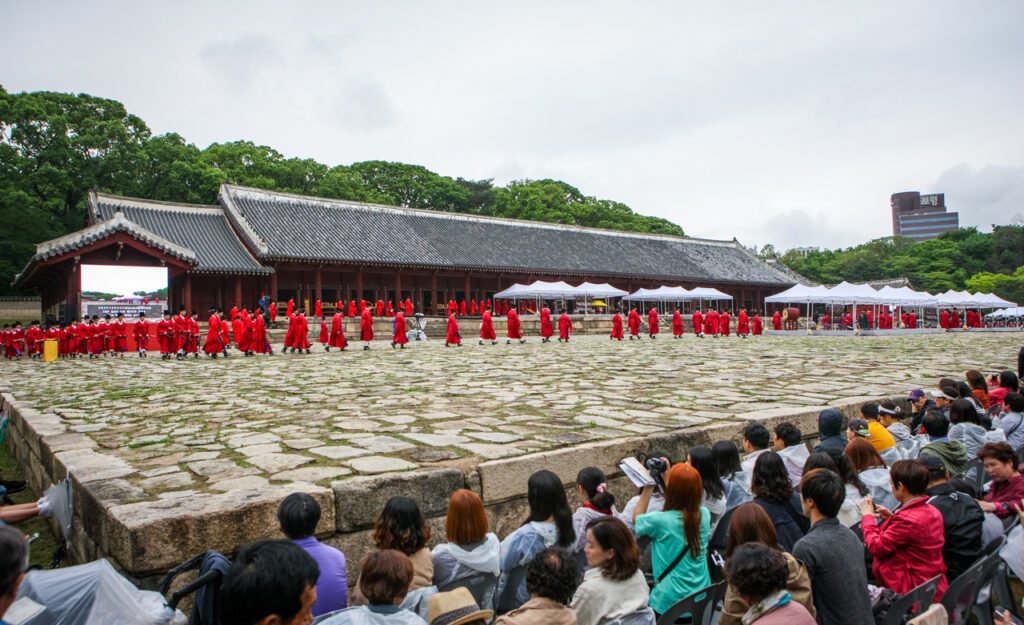
- Palaces (Gyeongbokgung, etc.): Approx. $2.50 entry. Free if you wear a Hanbok!
- Hanbok Rental: $15 – $30 for 2-4 hours.
- Museums: The National Museum of Korea and many others are free.
4. The “Experience” Seeker
You want to do things, not just see them. Cooking classes, beauty treatments, and workshops.
- Personal Color Analysis: Huge trend in 2025. Costs $100 – $180 per session.
- K-Beauty Treatments: Basic skin clinics start at $80, but can go up to $500+.
- One-day Classes: Making perfume, kimchi, or jewelry typically costs $40 – $80.
Location Matters: Seoul Only vs. Multi-City
Are you staying in the capital, or venturing to Busan or Jeju Island? This decision changes your budget drastically.
| Itinerary Type | Transport Cost (Est.) | Accommodation Variance |
|---|---|---|
| Seoul Only | Low ($30 – $50 total for subways) | Higher accommodation rates in prime areas (Myeongdong, Hongdae). |
| Seoul + Busan | High (Add $90 – $120 for round-trip KTX train) | Busan hotels can be slightly cheaper, except for ocean-view rooms. |
| Seoul + Jeju Island | Highest (Add $80 – $150 for domestic flights + Car Rental) | Car rental is essential in Jeju ($40 – $70/day). Public transport is slow. |
Seasonality & The “Wardrobe Budget”
Many travelers overlook the cost of dressing for Korea’s distinct four seasons. If you live in a region with a climate vastly different from Korea’s, you might need to buy clothes specifically for this trip.
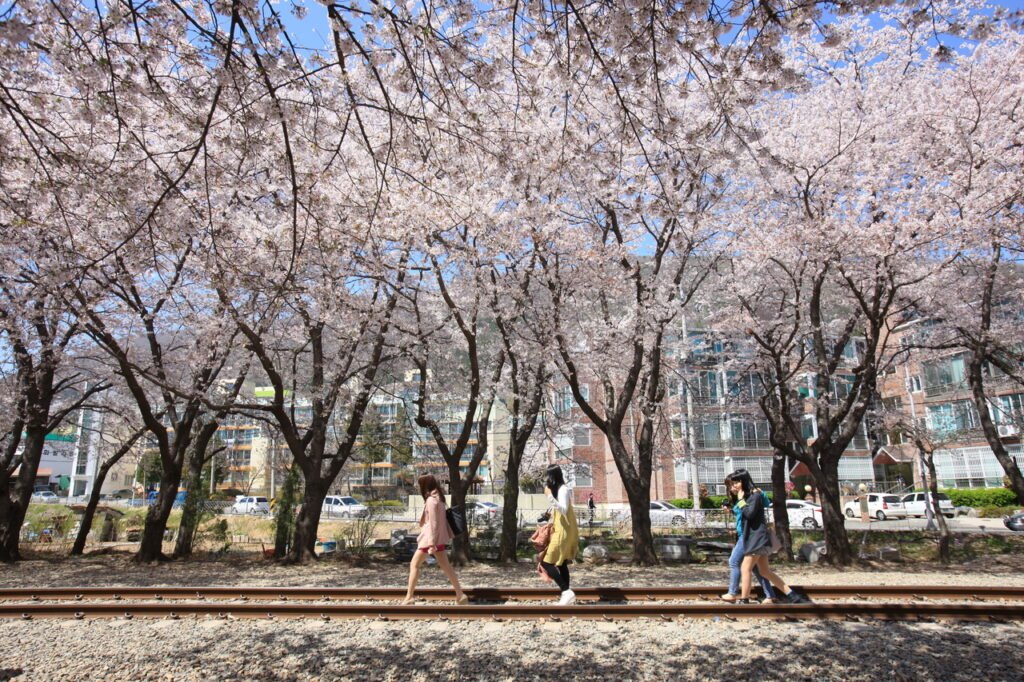
- Winter (Dec – Feb): It gets freezing (often -10°C). If you don’t own a heavy padded coat (“Long Padding”), you will need to buy one here. A decent coat costs $100 – $300 USD.
- Summer (Jun – Aug): It is extremely humid. You may need to buy cooling shirts, portable fans, or rain boots for the monsoon season, adding $50 – $100 to your spending.
Summary: 1-Week Budget Comparison Table
Here is the bottom line. These estimates cover accommodation, food, local transport, and activities for 7 days (excluding international flights). See which column fits you best.
| Category | Budget Backpacker | Standard Traveler | K-Pop / Luxury Fan |
|---|---|---|---|
| Accommodation | $150 – $250 (Guesthouse) | $500 – $700 (3-4 Star Hotel) | $1,000+ (Premium/Gangnam) |
| Food & Cafe | $100 – $150 (Convenience Store/Street Food) | $250 – $350 (Mix of Local Dining) | $500+ (Trendy Cafes/Fine Dining) |
| Transport | $30 – $50 (Subway Only) | $70 – $100 (Subway + Taxi) | $150+ (Taxi/Private Van) |
| Activities | $50 (Free sights, cheap entry) | $150 (Hanbok, 1 Class, Tickets) | $400+ (Concerts, Dance Class, Beauty) |
| TOTAL (Est.) | $330 – $500 USD | $970 – $1,300 USD | $2,050+ USD |
*Note: Shopping budget for clothes, cosmetics, and souvenirs is separate and highly personal.
Local Expert Tips for Smart Spending
To maximize your Korea travel budget 2025, keep these local tips in mind:
- Get a Climate Card (if eligible) or T-Money: If you are moving around Seoul strictly by subway, look into the tourist passes, but a standard T-Money card is usually sufficient and flexible.
- Tax Refunds: Korea offers immediate tax refunds at many stores for purchases over 30,000 KRW. Always bring your passport when shopping.
- Lunch Specials: Many expensive restaurants offer lunch sets for a fraction of the dinner price. Eat big at noon!
- Drinking Water: Water is free in almost all restaurants (self-service). You don’t need to buy bottled water constantly.
Preparing your budget is the first step to a stress-free journey. Whether you are sweating in a K-Pop dance class or cooling off in a mall, Korea offers options for every wallet size.
Korean Culture portal KCulture.com
Join the mailing service and add to your favorites.

Founder of Kculture.com and MA in Political Science. He shares deep academic and local insights to provide an authentic perspective on Korean history and society.