If you have ever watched a K-drama, you have seen the scene: characters sitting in an orange tent or a bustling BBQ joint, clinking small green bottles and shouting “Geonbae!” But as a local living in Seoul, I can tell you that the Korean drinking culture guide goes far beyond just knocking back shots of Soju. It is a complex, communal, and incredibly fun world of specific food pairings, unspoken rules, and regional hotspots. Whether you are planning a trip to Seoul or heading down to the coast of Busan, mastering the art of the “Suljari” (drinking gathering) is essential to experiencing the real Korea. Let me walk you through exactly how to drink like a local.
- Where to Drink: Pocha, Hongdae, and Beyond
- The Big Players: Soju, Beer, and Traditional Sool
- The Art of Anju: Perfect Food Pairings
- Etiquette: Confucian Roots vs. Modern Vibes
- The Morning After: Haejang Culture
Where to Drink: Pocha, Hongdae, and Beyond
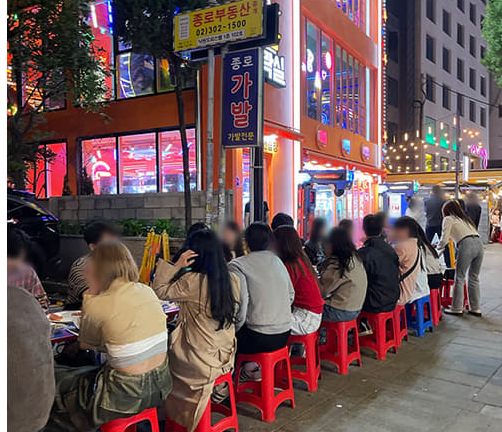
Before we talk about what to drink, we need to talk about where. The most iconic spot is the Pojangmacha (often shortened to “Pocha”). These are the tented street stalls you see in movies. While they are slowly disappearing from some modern districts, they are the soul of Korean nightlife.
Seoul’s Best Drinking Districts
In Seoul, the vibe changes depending on the neighborhood.
- Hongdae: The epicenter of youth culture. It is loud, energetic, and packed with university students. You will find endless rows of affordable Pocha and clubs here.
- Euljiro (Nogari Alley): This is my personal favorite for a “retro” vibe. Known as “Hip-jiro” among locals, you sit on plastic chairs in the alleyway, drinking cheap beer and eating dried pollack (Nogari). It is raw, authentic, and incredibly trendy right now.
- Itaewon: If you want diversity and craft beer bars alongside traditional Korean pubs, this is the spot.

Busan’s Coastal Vibe
If you are heading south to Busan, the drinking culture gets even more spirited.
- Seomyeon: Think of this as the Hongdae of Busan but grittier and more intense. The streets are packed with multi-story pubs.
- Gwangalli Beach: Drinking here is about the view. Many pubs overlook the Gwangan Bridge. It is common to grab some sashimi and drinks and enjoy the ocean breeze (though check local laws about drinking directly on the sand).
The Big Players: Soju, Beer, and Traditional Sool
You might think you know Soju, but the spectrum of Korean alcohol is vast. Here is the breakdown of what you will likely encounter.
1. Soju & Somaek
The green bottle is the national fuel. It is clear, cheap, and accessible. However, locals often mix it with beer (Maekju) to create Somaek. It is a “bomb” drink that balances the harshness of Soju with the carbonation of lager.
💡 Local Pro Tip: The “Golden Ratio” for Somaek is usually 3 parts Soju to 7 parts Beer, but ask your Korean friend to make it for you—they likely have their own special technique!
2. Makgeolli & Traditional Liquor
This is the category capturing the hearts of the younger generation right now. Makgeolli is a milky, unfiltered rice wine that is sweet and slightly fizzy. It is no longer just for old men hiking mountains; it is hip, premium, and delicious.
In fact, the world of Makgeolli is so deep that I recommend checking out Seoul’s Best Makgeolli Pubs: A Local’s Guide to find the best spots to taste artisanal varieties. Beyond Makgeolli, keep an eye out for premium traditional spirits (Sool) made from sweet potato or wild pears.
The Art of Anju: Perfect Food Pairings
In Korea, we never drink without food. The food served with alcohol is called Anju. It is considered unhealthy and a bit sad to drink on an empty stomach. The pairing is almost scientific.
| Alcohol | Best Anju (Food Pairing) | Why it Works |
|---|---|---|
| Soju | Samgyeopsal (Pork Belly), Kimchi Jjigae (Stew) | The high fat or spicy broth cuts through the sharp alcohol taste. |
| Beer (Maekju) | Fried Chicken (Chimaek), Dried Squid | Crispy, greasy textures need carbonation to cleanse the palate. |
| Makgeolli | Pajeon (Scallion Pancake), Dubu Kimchi | The rich, hearty rice wine complements oily, savory pancakes perfectly. |
Etiquette: Confucian Roots vs. Modern Vibes
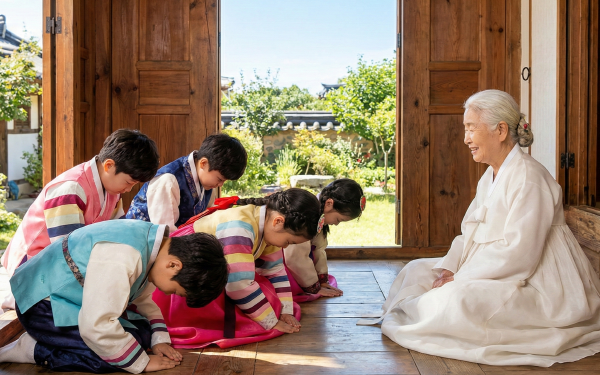
This is the part that usually scares foreigners, but relax—it is not as strict as it used to be. However, understanding the underlying logic helps. Korean etiquette is deeply rooted in hierarchy and respect. To understand the full cultural context, you might want to read about Confucianism in Korea: The Hidden Code of K-Dramas and K-Lifestyle.
The Key Rules
- Never pour your own drink: It is seen as bad luck (or just lonely). Pour for others, and let them pour for you.
- Two hands: When receiving a glass or pouring for an elder/senior, always use two hands. Place your left hand lightly under your right wrist or elbow as a sign of respect.
- Turn away: When drinking with a senior (boss, older relative), turn your head slightly away from them to take a sip.
The Modern Reality
Honestly, among friends in Hongdae or Itaewon, these rules are very loose. We pour for ourselves sometimes, and we definitely don’t turn our heads away from friends of the same age. However, the rule of “filling an empty glass immediately” is still very much alive. It shows you are attentive and caring.
The Morning After: Haejang Culture
Korean drinking culture does not end when you leave the bar; it ends the next morning with Haejang (hangover cure). We believe in fighting the hangover with hearty food.
The most famous dish is Haejang-guk (Hangover Soup). It is usually a rich, spicy broth made with ox blood, pork spine, or bean sprouts.
If you are in Seoul, the Cheongjin-dong area (near Gwanghwamun) is legendary for its Haejang-guk alley. It has been the go-to spot for hungover politicians and office workers for decades. Other popular options include:
- Kongnamul-gukbap: Bean sprout soup with rice. Light and refreshing.
- Sundae-guk: Korean blood sausage soup. Rich and creamy.
- Ramyeon: The quick fix you can buy at any convenience store.
Korea’s drinking culture is about connection. It is loud, tasty, and full of heart. So next time you are here, don’t just order a beer. Order some Anju, mix a Somaek, and embrace the night!
Korean Culture portal KCulture.com
Join the mailing service and add to your favorites.

Founder of Kculture.com and MA in Political Science. He shares deep academic and local insights to provide an authentic perspective on Korean history and society.