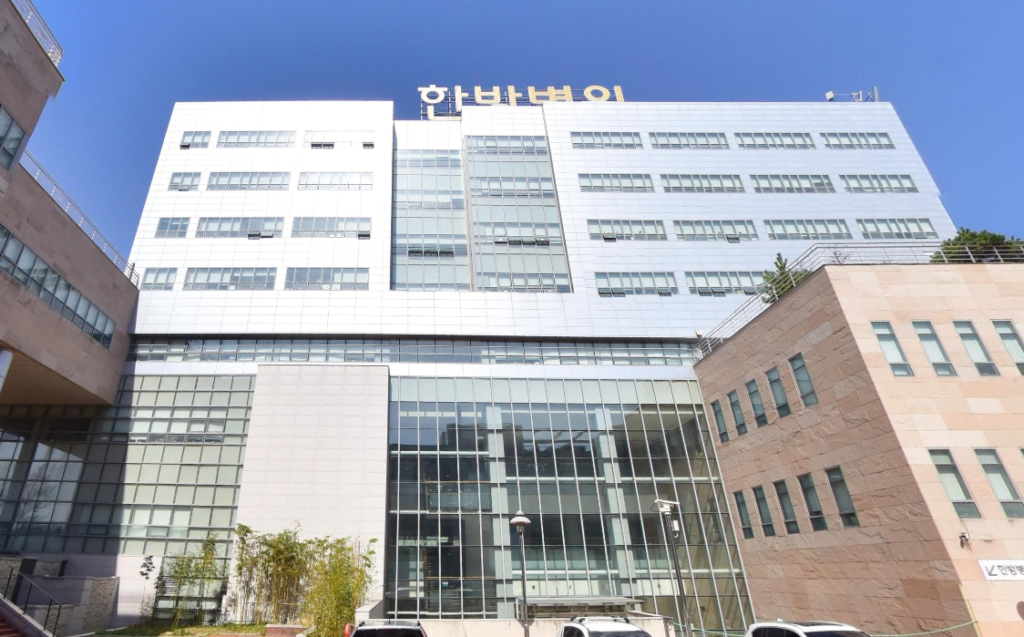
In 2026, Korean traditional medicine has evolved far beyond its historical roots, transforming into a globally recognized “high-tech wellness” trend that perfectly blends natural healing with scientific precision. For international visitors, understanding the landscape of a Korean Medicine Clinic (한의원) and a Korean Medicine Hospital (한방병원) is essential for accessing safe, regulated, and holistic healthcare while navigating the local medical system. This guide provides a comprehensive, medically neutral overview of traditional Korean therapies, legal requirements, and practical tips for foreign medical tourists.
Whether you are seeking relief from chronic pain or exploring K-beauty wellness treatments, stepping into a traditional clinic can seem daunting if you do not know what to expect.
In this article, we will explore the current trends in K-Medicine, explain the differences between traditional and Western medical approaches, and provide actionable advice on how to safely choose certified clinics and prepare for your visit.
- The Rise of High-Tech Wellness in 2026
- Korean Traditional Medicine vs. Western Medicine
- Clinics vs. Hospitals: Understanding the Facilities
- Popular Treatments for International Visitors
- Essential Tips and Legal Precautions for Foreigners
- How to Find the Right Medical Institution
The Rise of High-Tech Wellness in 2026
Traditional Korean medicine, known locally as Hanuihak, is no longer just about herbal teas and simple acupuncture. Today, it represents a synergy of ancient wisdom and cutting-edge technology. Many modern facilities have integrated digital equipment to visualize diagnoses, earning the trust of international patients who seek scientific validation alongside natural treatments.
- Data-Driven Diagnosis: Clinics now frequently utilize AI pulse analyzers, 3D body posture scanners, and digital autonomic nervous system testers to provide objective data before prescribing treatments.
- K-Beauty and Posture Correction: While chronic pain management remains a staple, there is a massive surge in demand for facial rejuvenation acupuncture and non-surgical spinal alignment.
- Holistic Wellness Packages: Healthcare tourism districts often offer “One-Day Wellness Packages” that combine AI diagnosis, personalized herbal tea therapy, and light acupuncture, serving as a gentle introduction for first-timers.
Korean Traditional Medicine vs. Western Medicine
The core difference between traditional K-Medicine and conventional Western medicine lies in their approach to the human body and disease. Western medicine typically follows an allopathic model, focusing on treating specific symptoms, targeting pathogens, and utilizing pharmaceuticals or surgery.
Conversely, Korean traditional medicine operates on a holistic philosophy. It views the body as an interconnected system of energy (Qi) and focuses on restoring balance and enhancing the body’s natural self-healing capabilities. Instead of merely suppressing a headache, a traditional practitioner will investigate underlying imbalances in your digestive or circulatory systems that might be causing it.
💡 Pro Tip: If you are interested in a deeper dive into the philosophical and practical differences between these two medical paradigms, check out our comprehensive guide: Korean Traditional Medicine vs. Western Medicine: A Local Insider’s View.
Clinics vs. Hospitals: Understanding the Facilities
When searching for treatments, you will encounter two primary types of facilities. Understanding the distinction is crucial for getting the right level of care.
| Facility Type | Korean Name | Characteristics |
|---|---|---|
| Clinic | Hanuiwon (한의원) | Smaller, neighborhood-level practices. Ideal for minor ailments, routine acupuncture, cupping, and general wellness consultations. Usually operated by one or a few practitioners. |
| Hospital | Hanbang Byeongwon (한방병원) | Large-scale medical centers capable of inpatient care (hospitalization). They offer comprehensive treatments, integrate Western diagnostic tools (like X-rays and MRIs), and often have dedicated international departments with in-house interpreters. |
Popular Treatments for International Visitors
Korean traditional medicine offers a variety of non-invasive procedures. Here are the most sought-after treatments by international visitors:
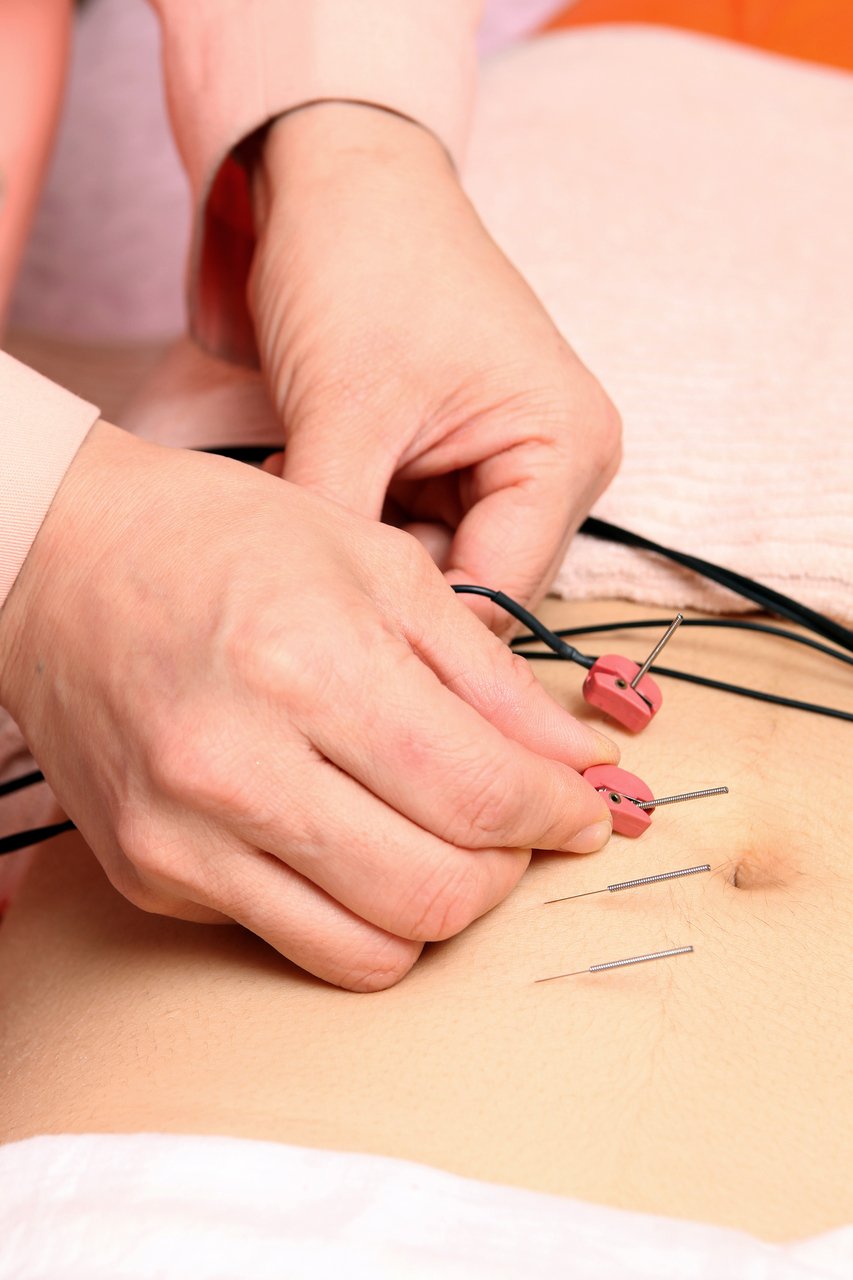
- Acupuncture (침): The insertion of ultra-fine, sterile needles into specific meridian points to stimulate the nervous system and promote healing. It is highly effective for pain relief and inflammation reduction.
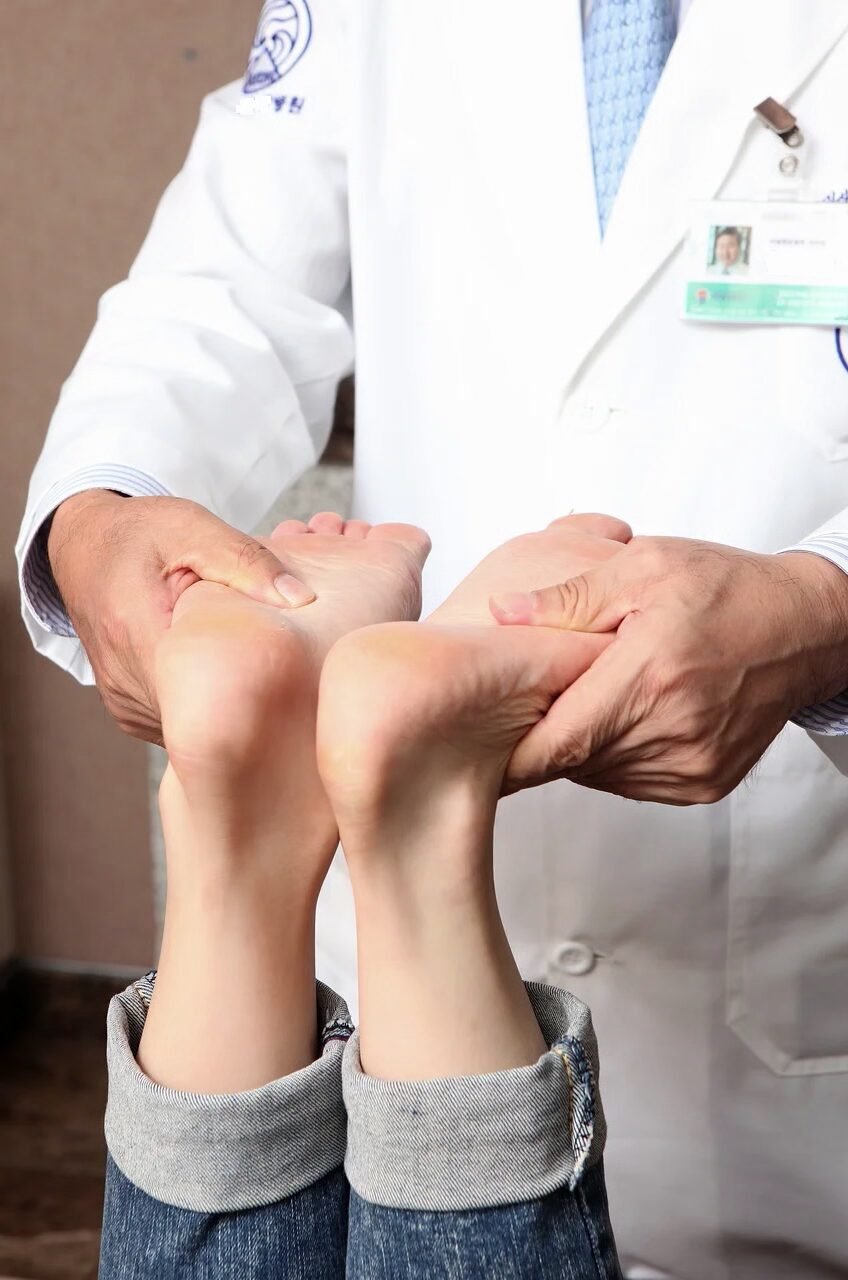
- Chuna Manual Therapy (추나요법): A hands-on osteopathic treatment where a specialized doctor manually adjusts the spine, joints, and muscles to correct posture and relieve musculoskeletal pain.
- Cupping Therapy (부항): Suction cups are placed on the skin to increase blood circulation, relieve muscle tension, and draw out localized toxins.
- Herbal Medicine (한약): Customized liquid decoctions or modern freeze-dried pills formulated from natural medicinal herbs, prescribed to balance internal organ functions.
Essential Tips and Legal Precautions for Foreigners
Navigating healthcare in a foreign country requires careful preparation. To ensure a safe and smooth experience, keep these essential guidelines in mind.
Mandatory Identification
As of May 2024, the South Korean government strictly enforces an identification law for all medical facilities. You must present a valid physical ID to receive any medical consultation or treatment. For tourists, a physical Passport is required. For registered alien residents, an Alien Registration Card (ARC) or the mobile National Health Insurance interface is mandatory.
Disclose Current Medications
Safety is the top priority. If you are taking any Western pharmaceuticals (prescription drugs, blood thinners, etc.) or have specific allergies, you must disclose this to your Korean medicine doctor. Herbal medicines contain active natural compounds that can interact with conventional drugs.
Understanding Costs and Insurance
Short-term tourists are not covered by the Korean National Health Insurance system. Furthermore, many specialized treatments (like cosmetic acupuncture, Chuna therapy, and herbal medicine) are classified as non-covered items (비급여) even for insured residents, meaning they can be quite expensive. Always request a transparent Cost Breakdown before consenting to any procedure.
📌 Local Note: Fear of needles is common among first-time visitors. Rest assured, the needles used in Korean acupuncture are incredibly thin—often no thicker than a strand of hair—and usually cause little to no pain. Clinics also provide loose, comfortable clothing for you to change into before treatments.
How to Find the Right Medical Institution
Under Korean medical law, medical institutions cannot guarantee specific cure rates, and exaggerated advertising is strictly prohibited. Therefore, it is important to rely on official certifications rather than flashy marketing.
When choosing a facility, always look for clinics or hospitals officially designated by the Ministry of Health and Welfare as a “Foreign Patient Attraction Certified Medical Institution”. These certified centers are legally equipped to treat medical tourists, adhere to strict safety regulations, and employ professional multilingual medical coordinators to prevent any miscommunication during your diagnosis.
Ready to explore your options? You can easily locate certified, foreigner-friendly traditional facilities by visiting our directory at KCulture Clinic Finder. Simply select your desired region and filter your search using the terms “Korean Medicine Hospital” or “Korean Medicine Clinic” to find a reputable institution near you.
Korean Culture portal KCulture.com

The KCulture Editorial Team is dedicated to providing deep insights and accurate information about the vibrant world of Korean culture.
![[Hospital Translation] Translating for Surgery Korea: Costs, Risks, and Tips](https://kculture.com/wp-content/uploads/2026/04/medical-translation-1024x598.png)